Artwork
María Cristina de Borbón
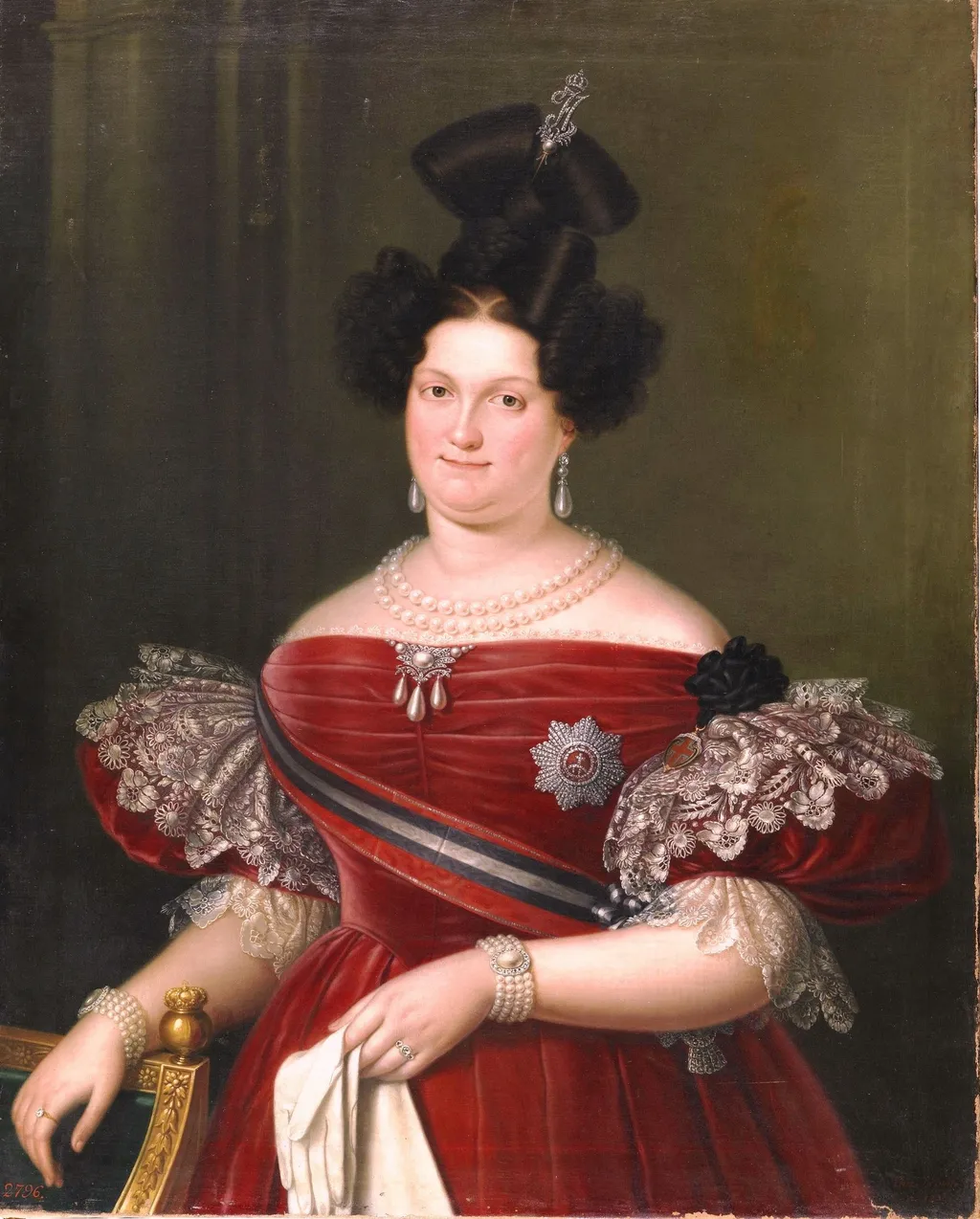
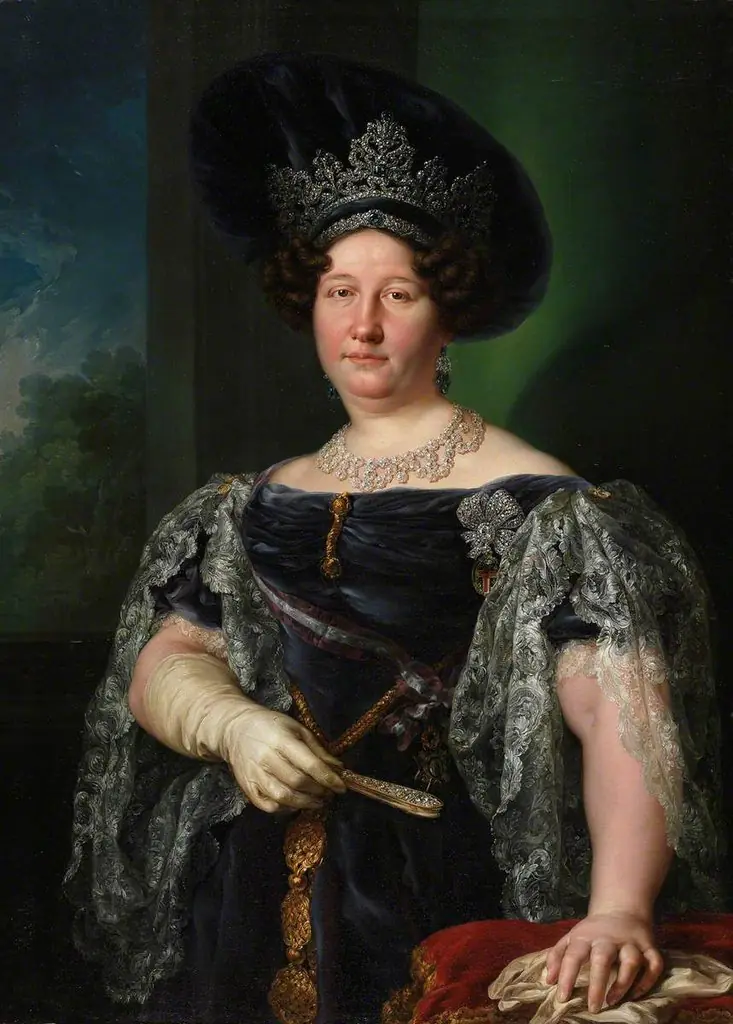
María Cristina de Borbón is an oil painting by Luis de la Cruz. It dates from 1833 and is held in the collection of the Museo del Prado.
About this work
Overview
This 1833 oil painting by Luis de la Cruz portrays María Cristina de Borbón, Queen of Spain and regent during her daughter’s minority. Executed with precision, the portrait reflects the formal conventions of early 19th-century Spanish court portraiture. It resides in the Museo del Prado, where it serves as a visual record of royal authority during a turbulent political era.
Subject & Meaning
Her composed expression and upright posture convey dignity and control, reinforcing her role as a stabilizing figure in a politically unstable Spain.
María Cristina is depicted in the regalia of the Order of Queen Maria Luisa, a chivalric order for women established by her father-in-law. The white cloth she holds may symbolize purity or ceremonial duty, while the elaborate dress and jewelry affirm her status. Her composed expression and upright posture convey dignity and control, reinforcing her role as a stabilizing figure in a politically unstable Spain.
Technique & Style
Luis de la Cruz employs chiaroscuro to model the queen’s form, enhancing volume through subtle shifts in light and shadow. The texture of lace, silk, and pearls is rendered with meticulous detail, reflecting academic training and attention to material realism. The muted green background recedes softly, focusing attention on the figure without distraction, a hallmark of court portraiture of the period.
History & Provenance
Commissioned shortly after María Cristina assumed the regency in 1833, the painting was likely intended to legitimize her rule through visual representation. It entered the Museo del Prado’s collection in the 19th century, possibly as part of the royal household’s transfer of artworks to the state. Its preservation reflects its significance as a document of royal identity during the Carlist Wars.
Context
Painted during the early years of the First Carlist War, the portrait served a political function: to project stability and continuity amid civil conflict. María Cristina’s position as regent was contested, and such images were tools of propaganda, aligning her with tradition and aristocratic decorum. The emphasis on her noble attire and insignia reinforced her legitimacy in the eyes of loyalists.
Legacy
The portrait remains a key example of Spanish royal imagery from the post-Napoleonic era. While Luis de la Cruz is not among the most celebrated painters of his time, this work endures as a precise record of royal iconography and the visual strategies used to sustain authority during periods of dynastic crisis. It continues to inform historical understanding of 19th-century Spanish monarchy.
Own this work as a print
Artist & collection

 Maria Isabel du Boubón, Queen of the Two Sicilies
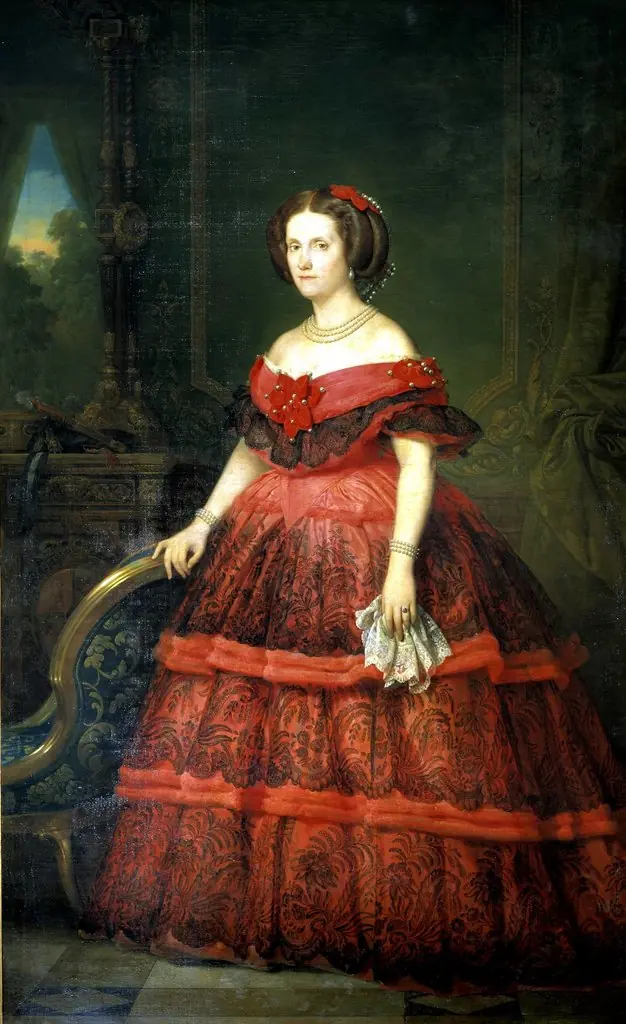 Infanta Isabel of Spain, Countess Gurowski
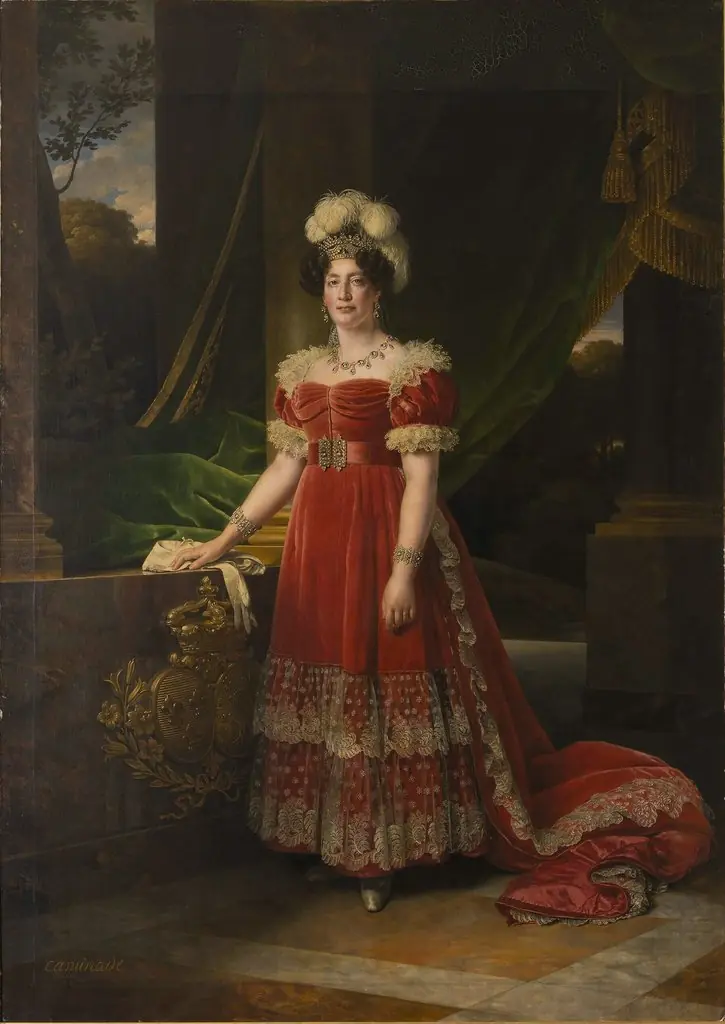 Portrait of Marie Thérèse of France, Duchess of Angoulême (1778-1851)
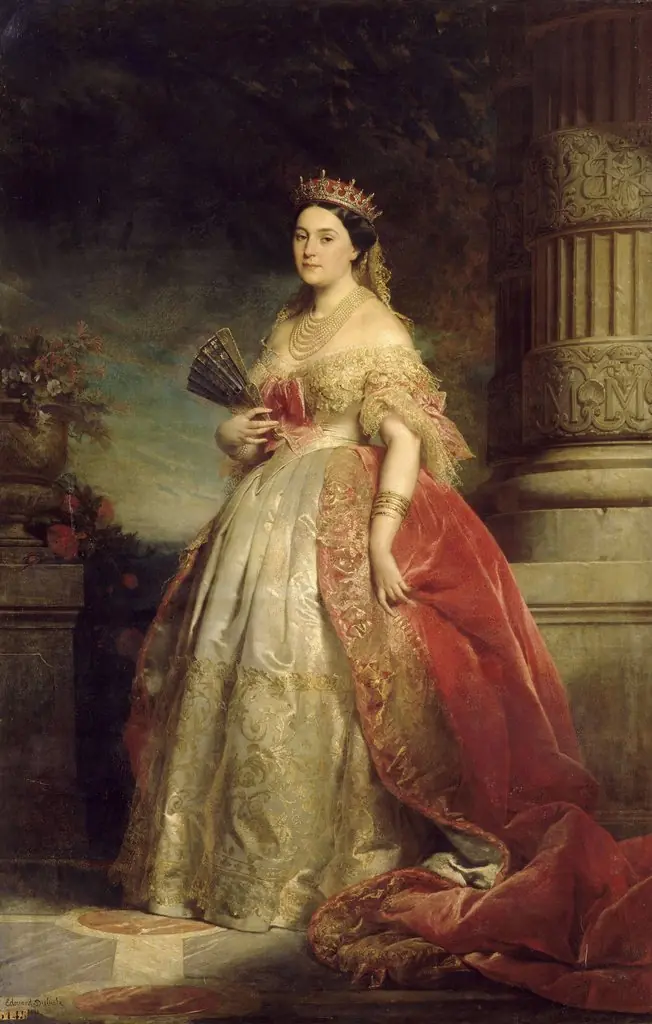 Portrait of the Princess Mathilde
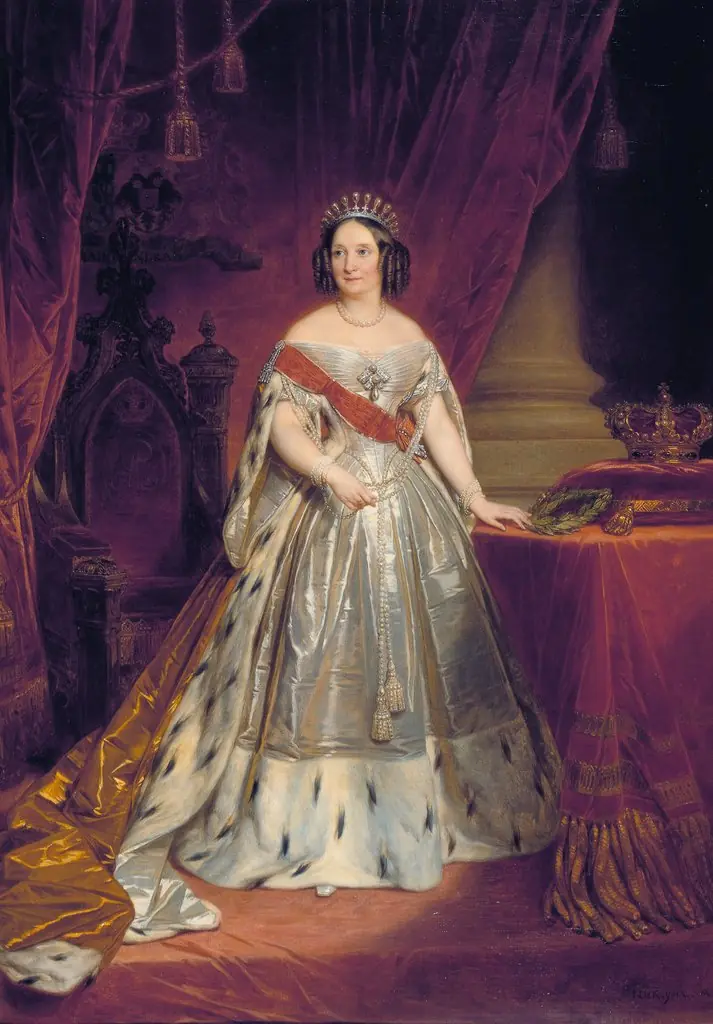 Portrait of Grand Princess Anna Pavlovna
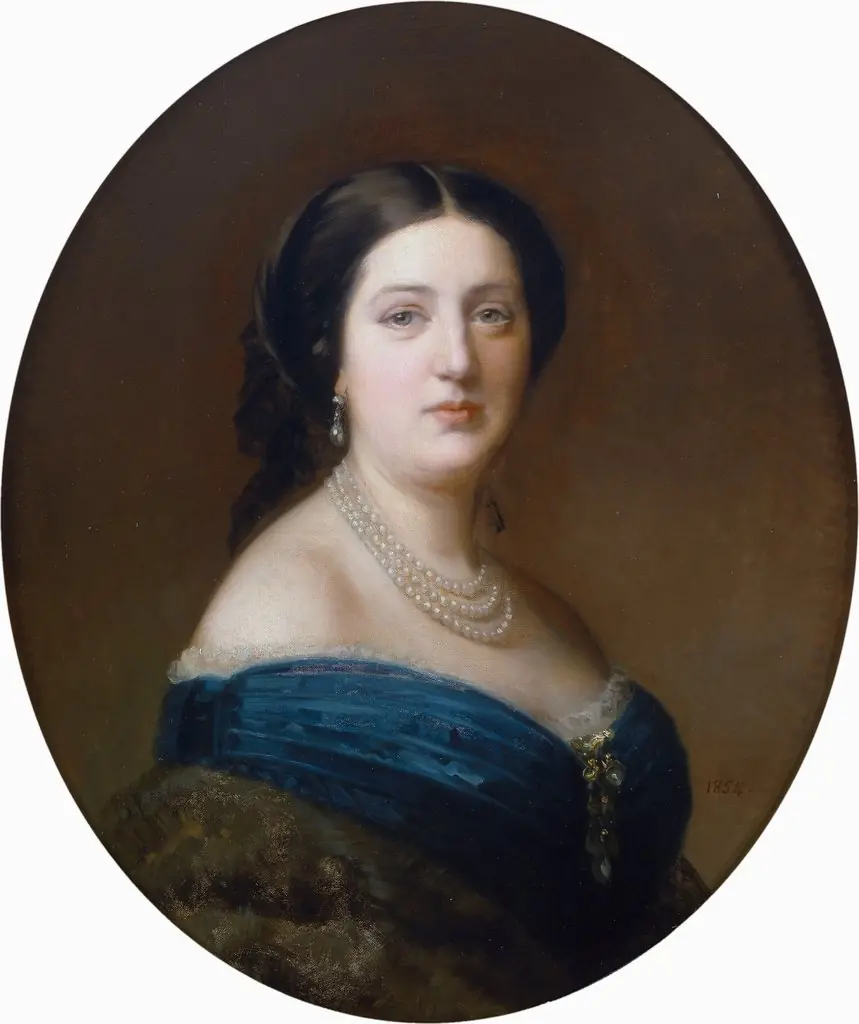 Manuela María Miquel y Lucuy
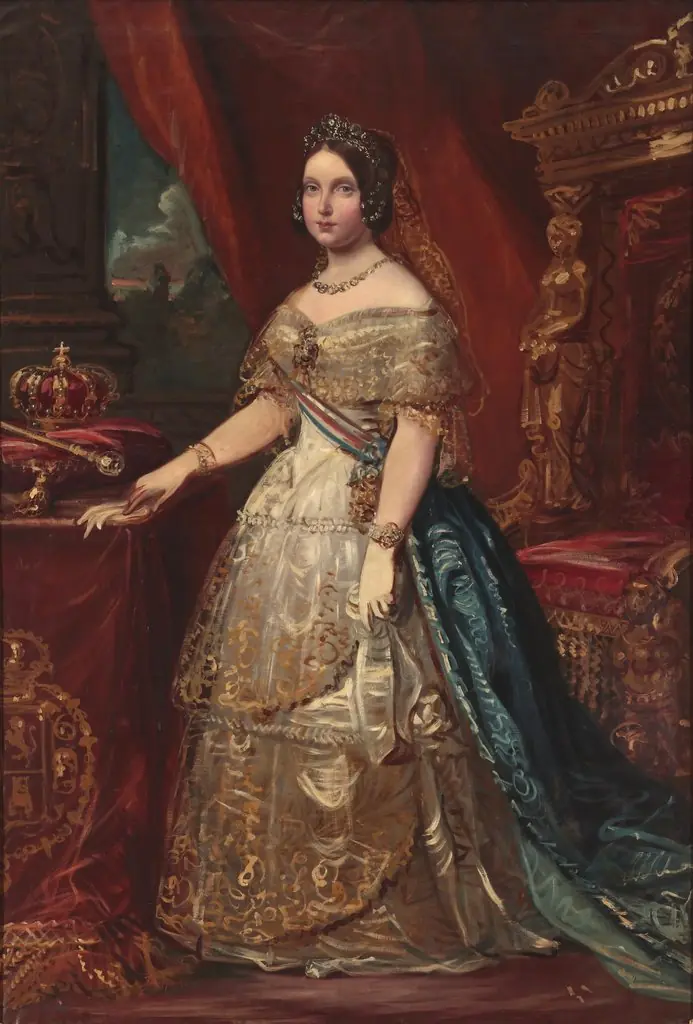 Isabel II
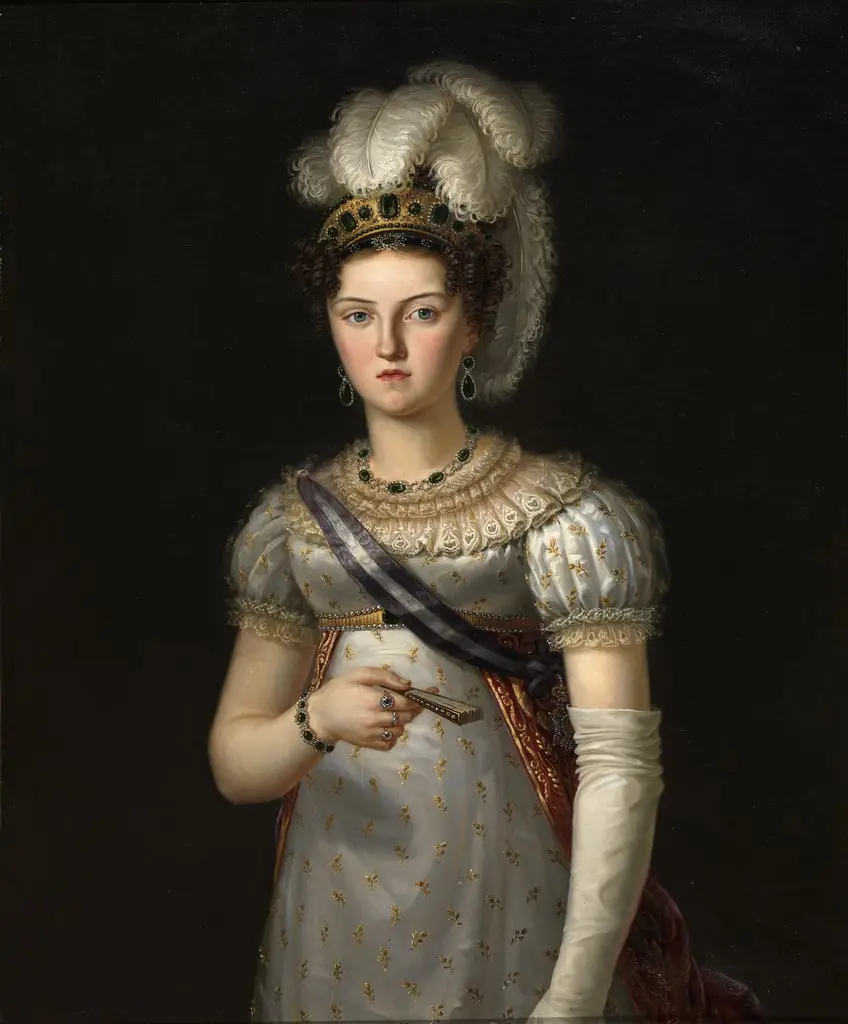 Maria Josepha Amalia of Saxony, Queen of Spain, third wife of Ferdinand VII
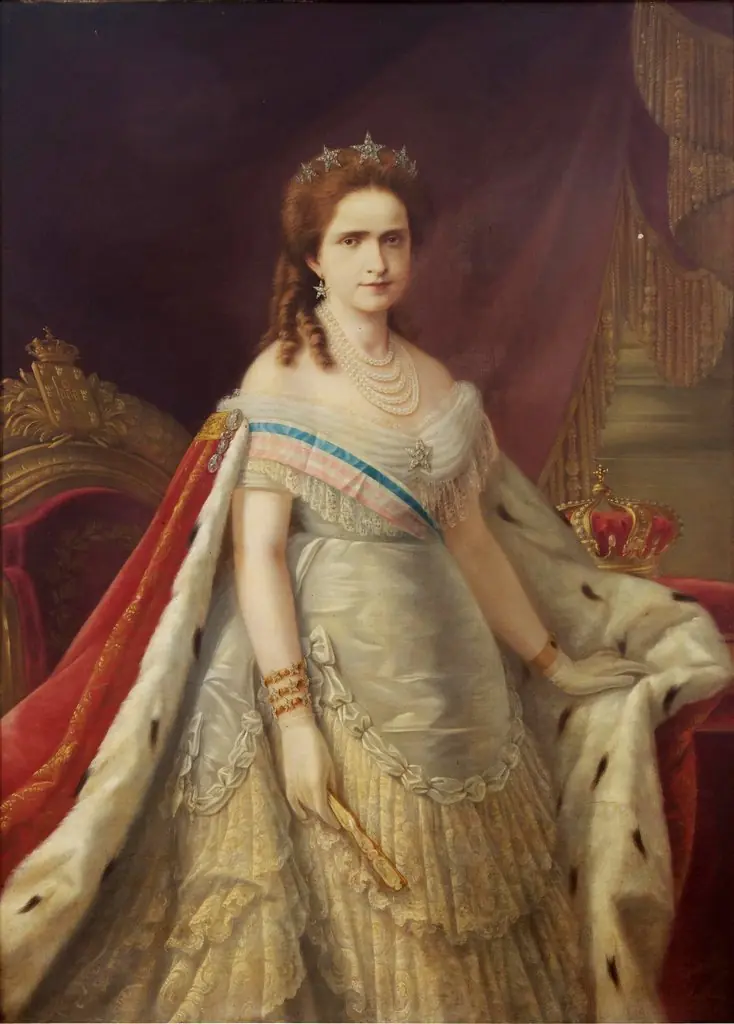 María Pía de Saboya reina de Portugal
 Portrait of the Empress Dowager Maria Feodorovna
 Isabel II
 Isabel II