Artwork
Bodegón con ciruelas cesta de uvas y manzana
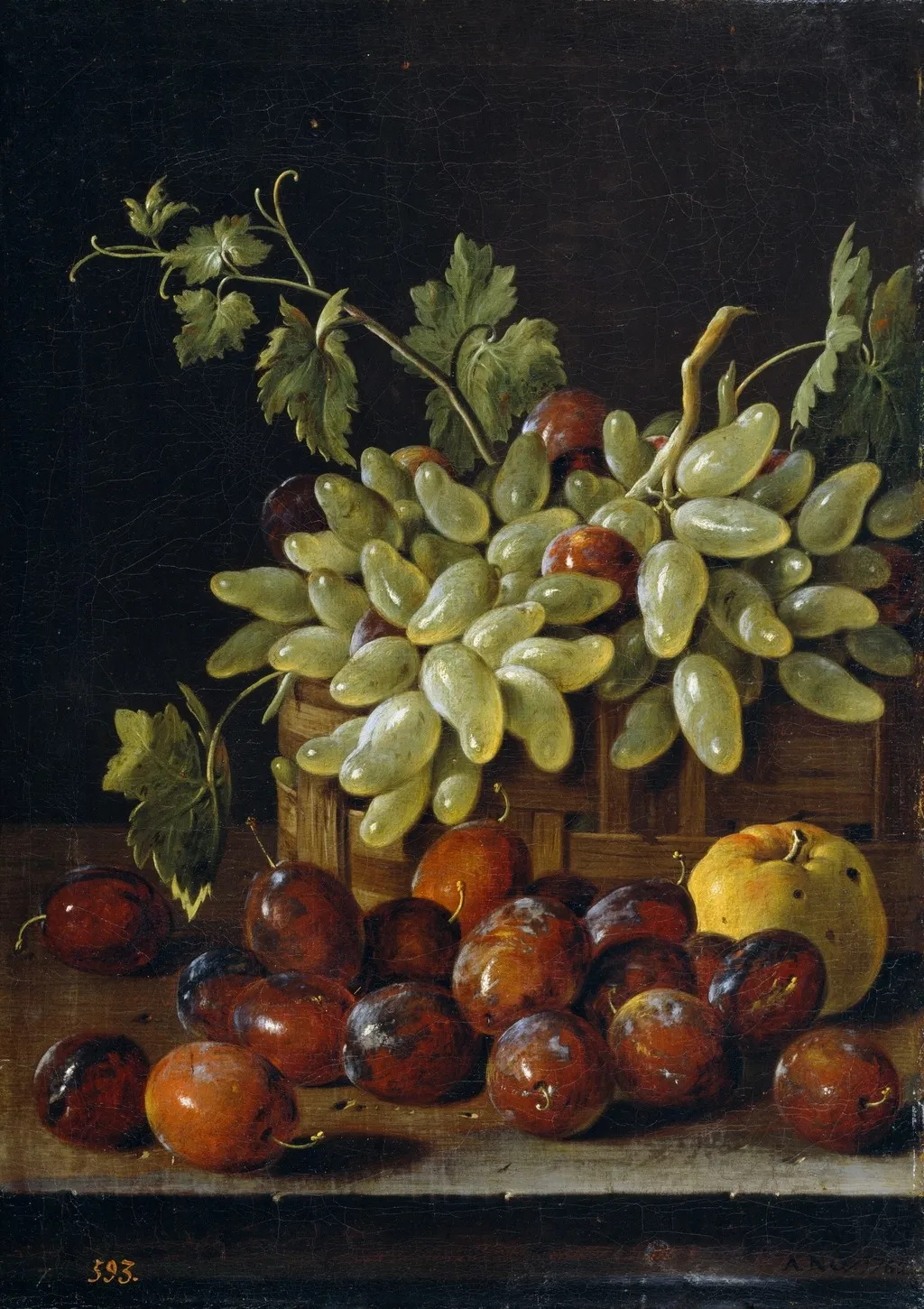
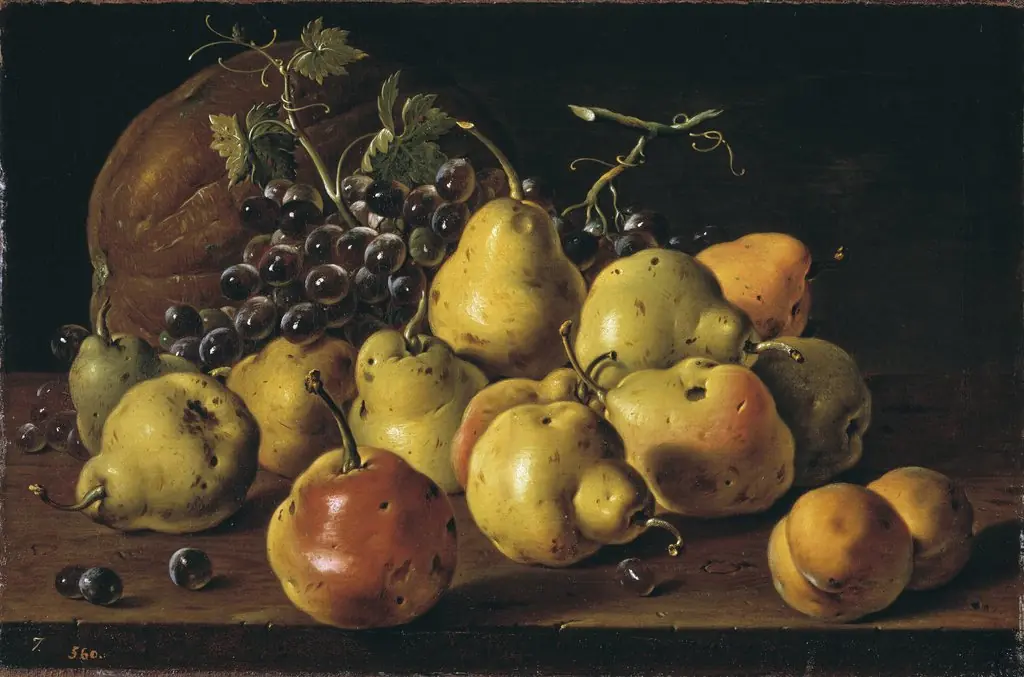
Bodegón con ciruelas cesta de uvas y manzana is an oil painting by the Rococo painting artist Luis Egidio Meléndez. It dates from 1762 and is held in the collection of the Museo del Prado.
About this work
Overview
Meléndez, a key figure in Spanish still-life painting, avoided theatricality, instead focusing on the quiet dignity of ordinary provisions.
Painted in 1762, this oil-on-canvas still life by Luis Egidio Meléndez presents a modest yet carefully arranged collection of fruit: grapes spilling from a woven basket, red and yellow apples scattered across a wooden surface and floor. The dark, unadorned background isolates the objects, emphasizing their physical presence. Meléndez, a key figure in Spanish still-life painting, avoided theatricality, instead focusing on the quiet dignity of ordinary provisions.
Subject & Meaning
The composition centers on seasonal produce—green grapes, ripe apples—arranged as if recently set down, suggesting immediacy rather than staged display. The fruit’s placement, with some tumbling to the floor, implies transience and the natural cycle of consumption. There is no symbolic allegory; the work’s meaning lies in its unembellished attention to the material world, reflecting an 18th-century Spanish interest in the tangible and the everyday.
Technique & Style
Meléndez employed fine brushwork to render the glossy sheen of grapes, the matte skin of apples, and the coarse texture of the basket. Light falls subtly from one side, modeling each form with precision without creating dramatic contrasts. The palette is restrained, dominated by earth tones and muted fruit hues. The arrangement avoids symmetry, favoring a casual, almost accidental placement that enhances the sense of realism and spontaneity.
History & Provenance
Created during Meléndez’s most productive period, the painting entered the collection of the Museo del Prado in Madrid, where it remains today. It was likely commissioned or acquired by Spanish royal patrons who valued the artist’s ability to elevate humble subjects. Unlike grand historical or religious works, this still life was not widely exhibited in its time but was preserved for its technical merit and quiet observation.
Context
In mid-18th-century Spain, still-life painting was considered a lesser genre compared to religious or courtly subjects. Meléndez worked under the patronage of the royal family but focused on domestic scenes, aligning with Enlightenment ideals that valued empirical observation. His work stood apart from the ornate Rococo style prevalent elsewhere in Europe, favoring restraint and directness over embellishment.
Legacy
Meléndez’s still lifes, including this one, are now recognized for their quiet rigor and influence on later realist traditions. His ability to convey texture and weight without sentimentality set a precedent for 19th-century Spanish painters. Though largely overlooked during his lifetime, his oeuvre has since become a touchstone for studies of material culture and the aesthetics of the ordinary in Spanish art.
Own this work as a print
Artist & collection
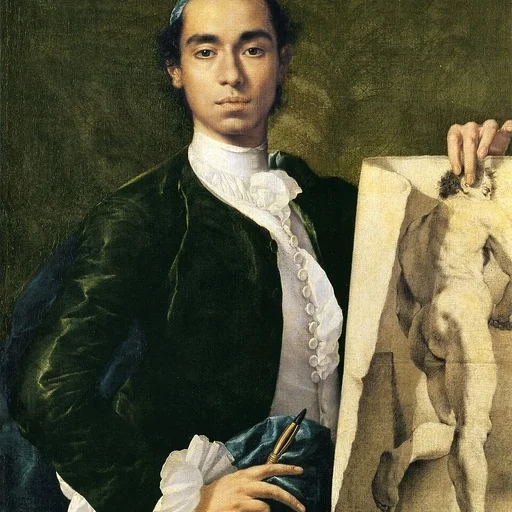
Artist
Luis Egidio Meléndez (1716–1780) was a Spanish painter. Though he received little acclaim during his lifetime and died in poverty, Meléndez is recognized as one of the greatest Spanish still-life painters of the 18th…

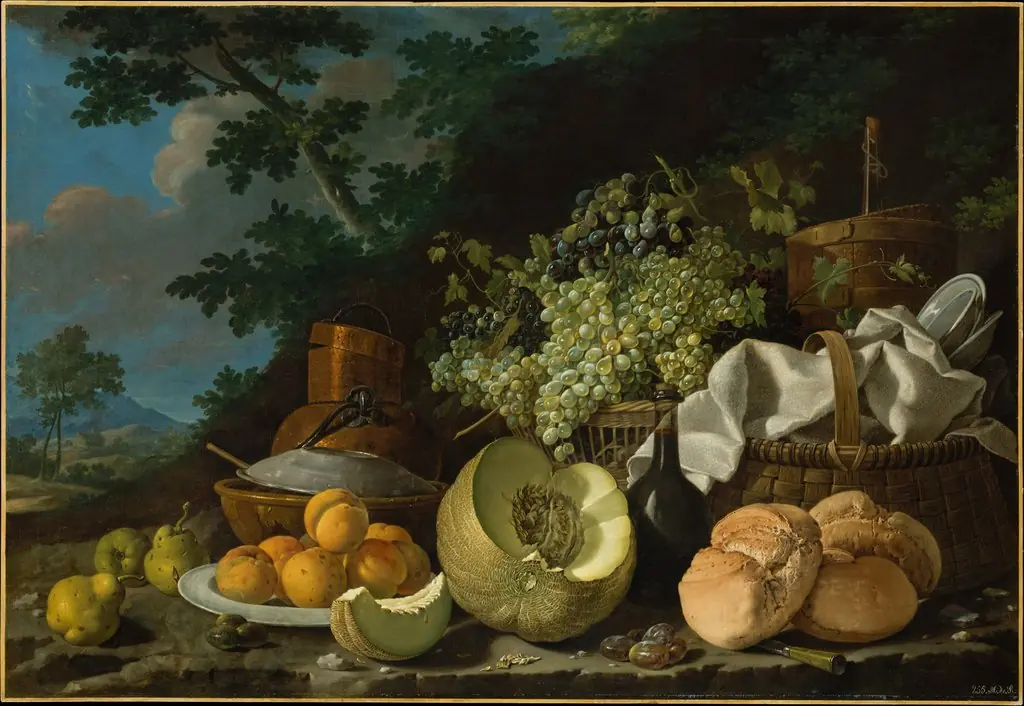 The Afternoon Meal (La Merienda)
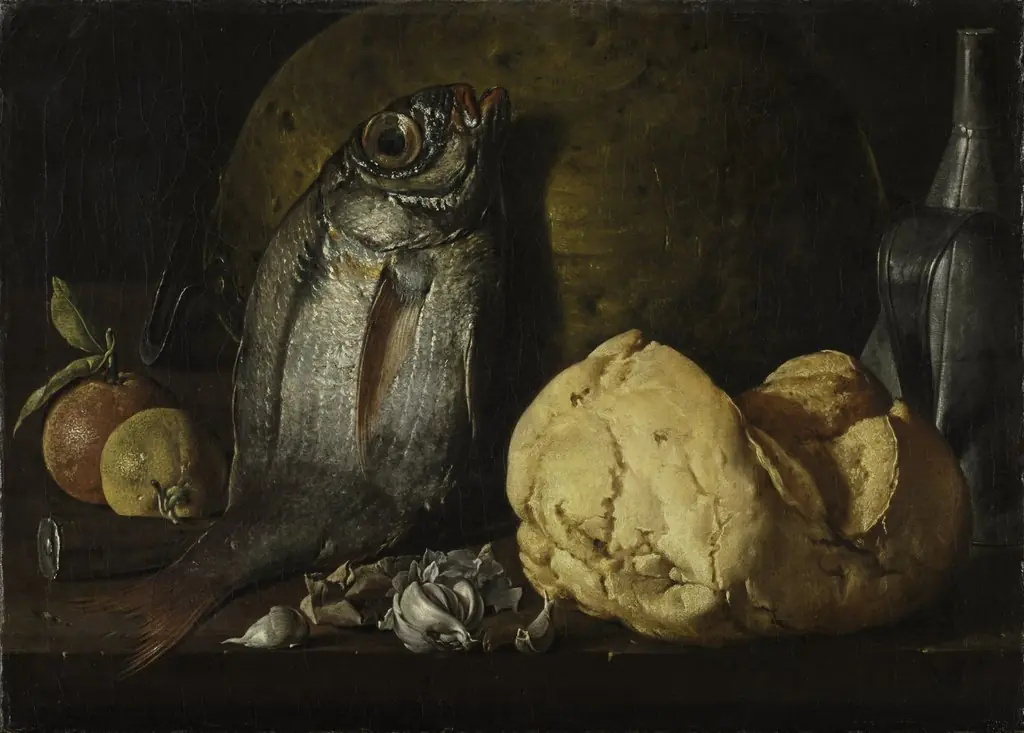 Still Life with Fish, Bread, and Kettle
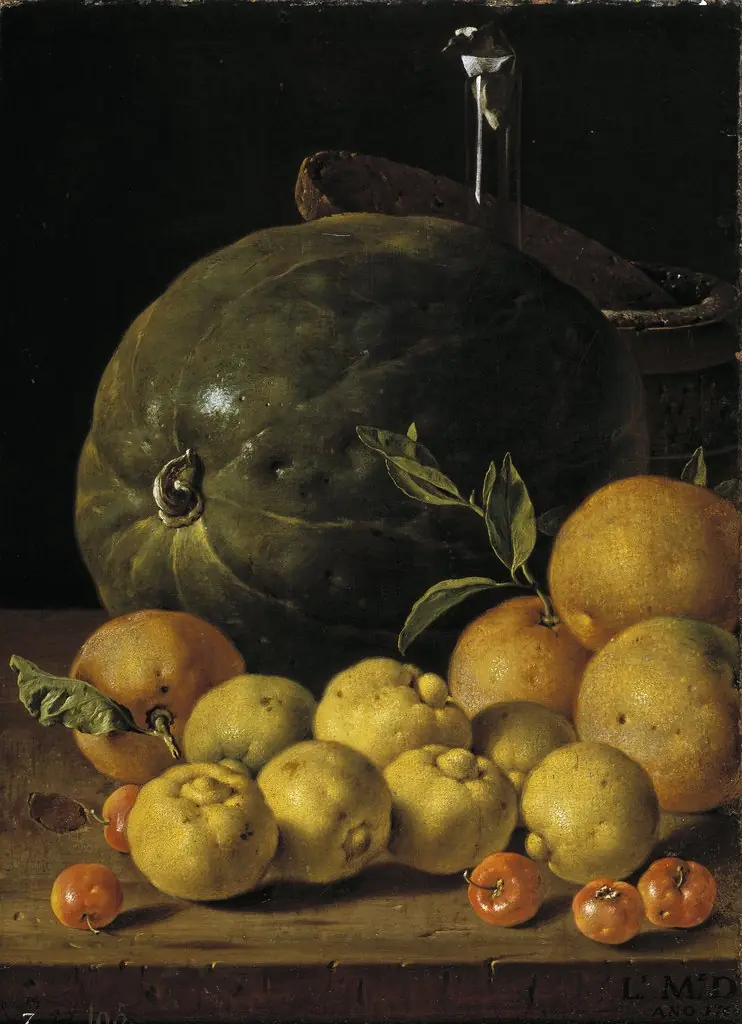 Still Life with Limes Oranges Haw Berries and Watermelon
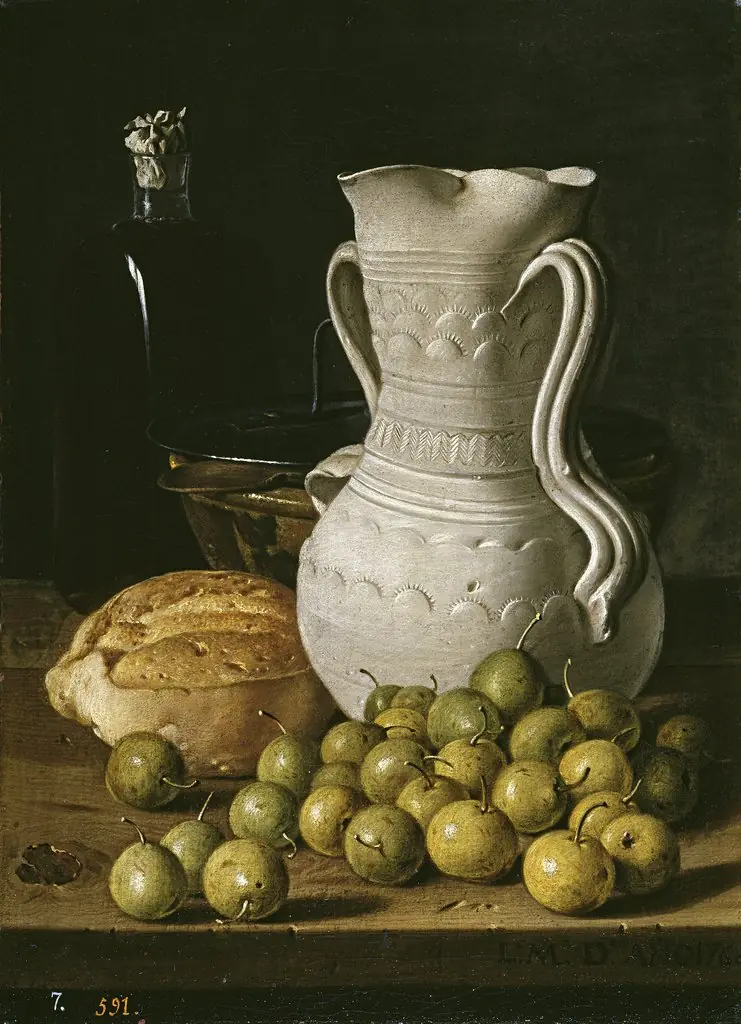 Still Life with Small Pears Bread Flask Bowl and Dry Leaves
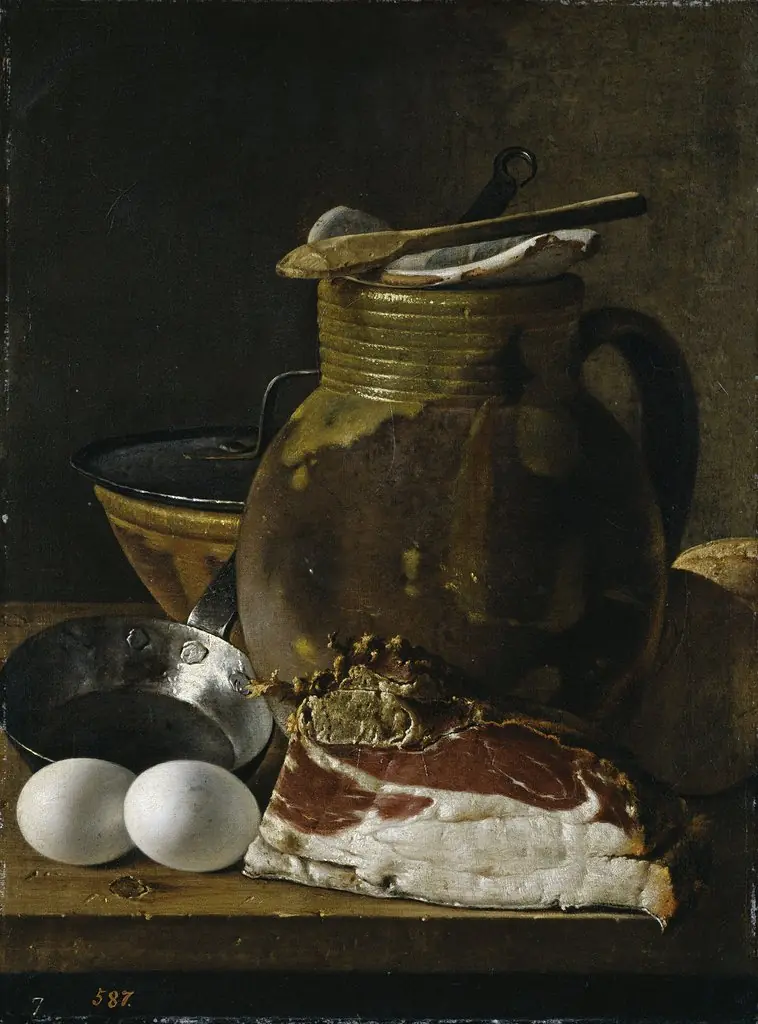 Still Life with Ham Eggs and Vessels
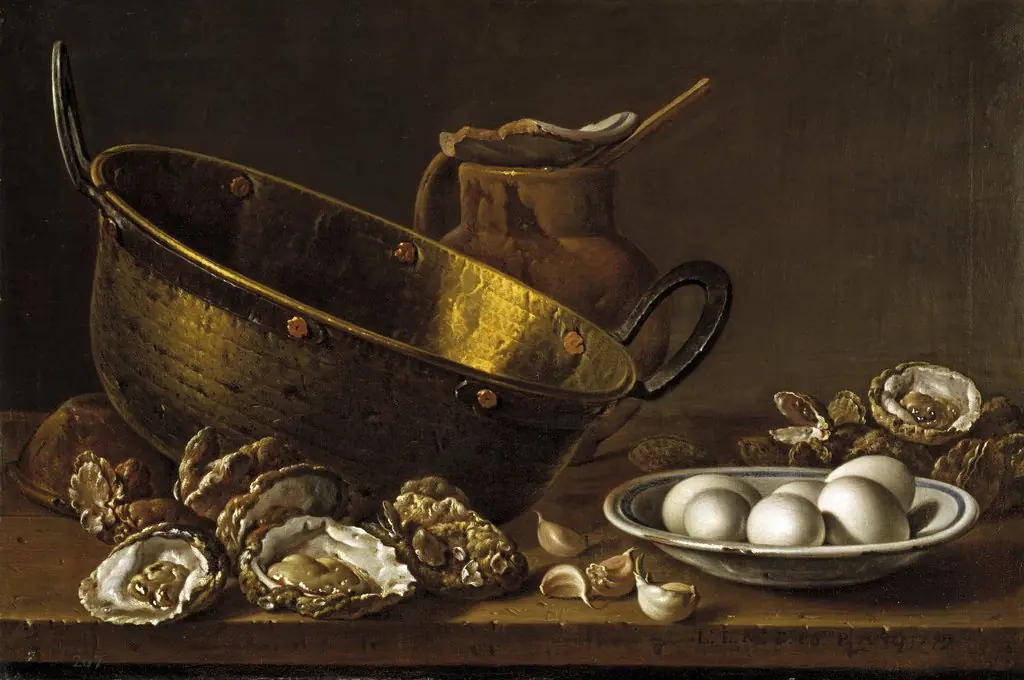 Still Life with Oysters Garlic Eggs Pot and Pan
 Bodegón con pichones cesta de comida y cuencos
 Still Life with Apples, Grapes, Melons, Bread, Jug and Bottle
 Bodegón con peras melones platos y barril
 Fruit in a Bowl on a Red Cloth
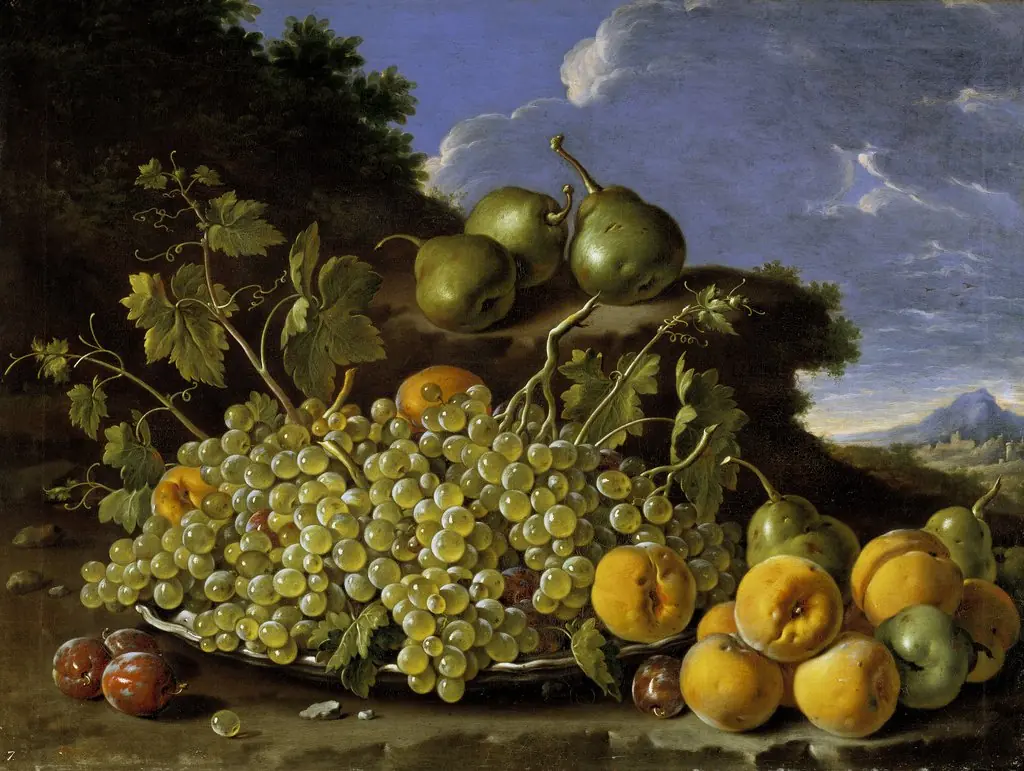 Still Life with Plate of Grapes Peaches Pears and Prunes in a Landscape
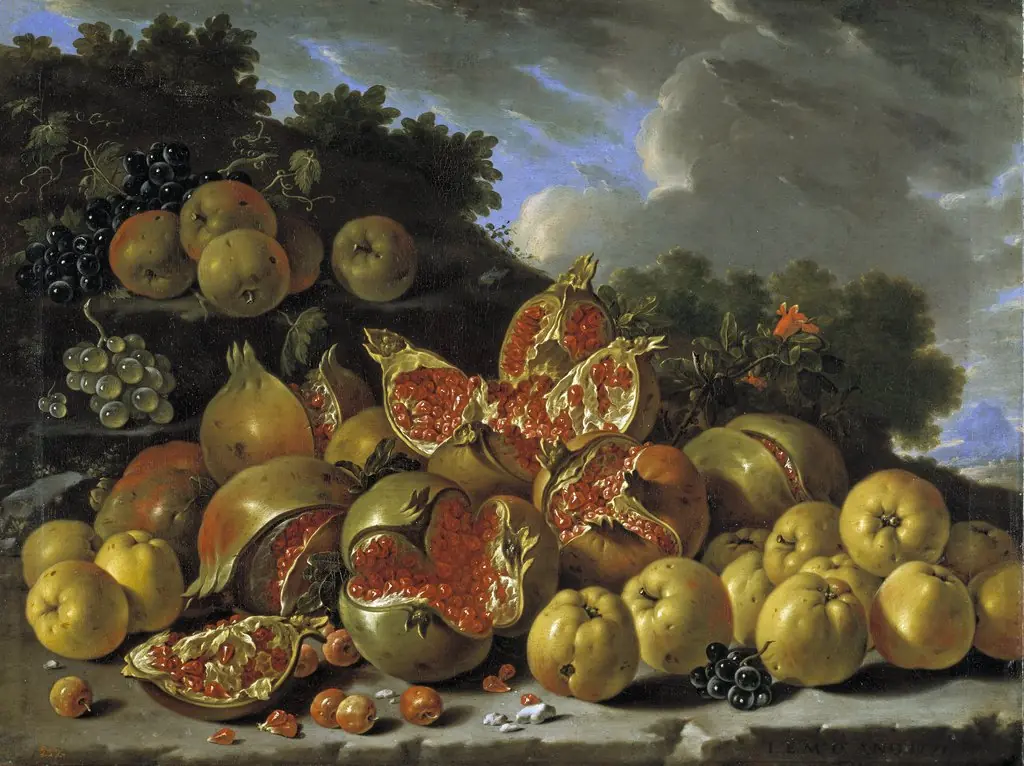 Pomegranates, apples, haws and grapes in a landscape
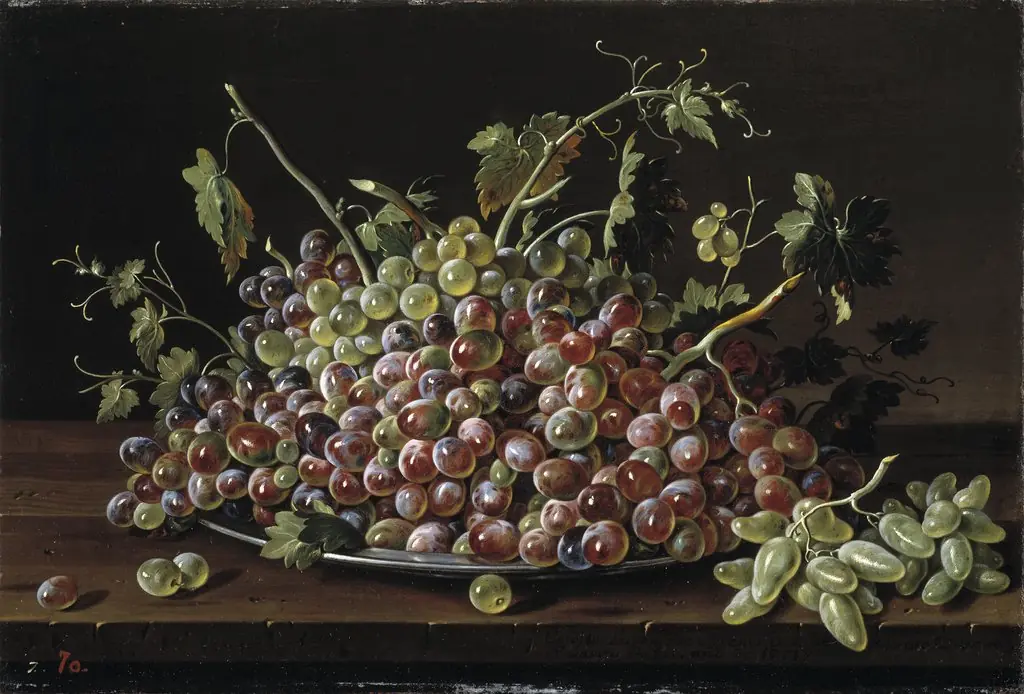 Still Life with Grapes
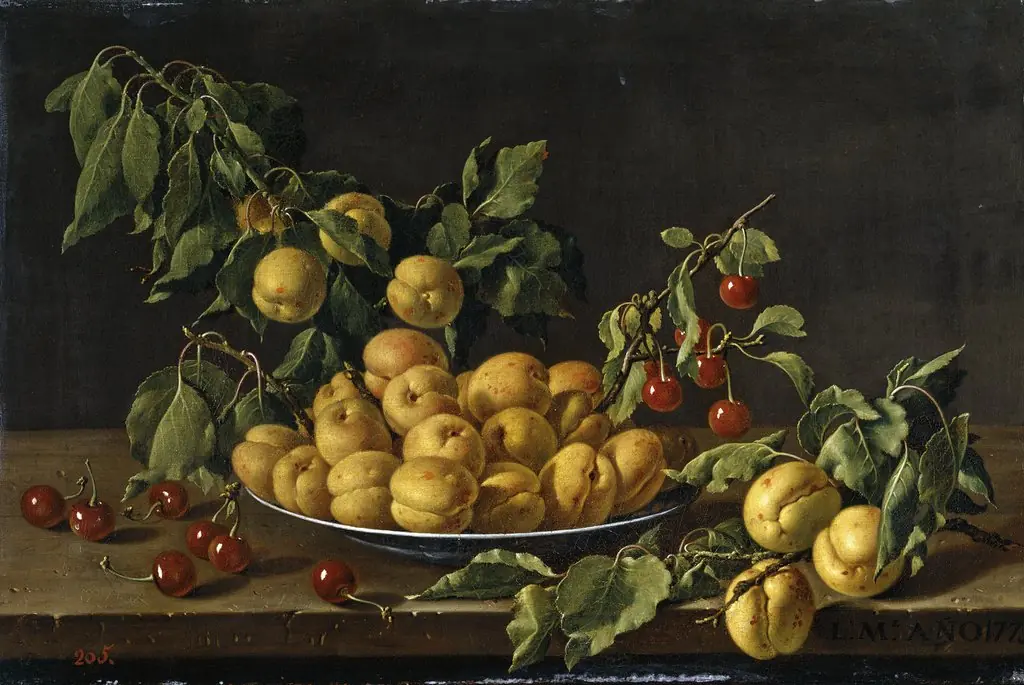 Still Life with Plate of Apricots and Morello Cherries
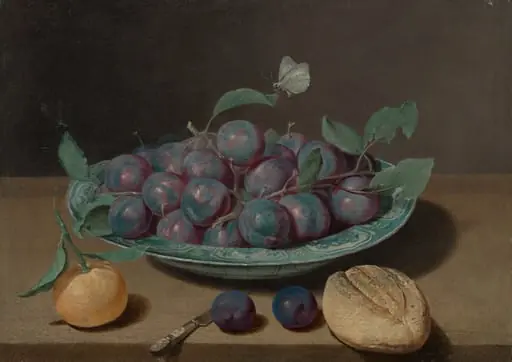 Still Life with Plums
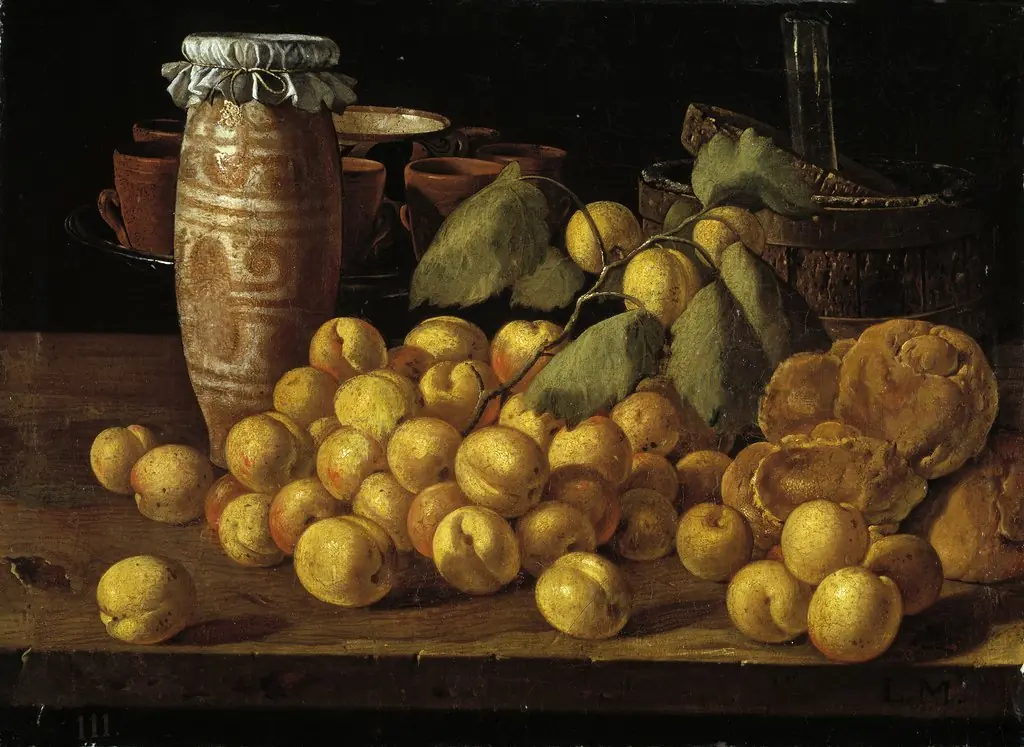 Still Life with Apricots Buns and Vessels
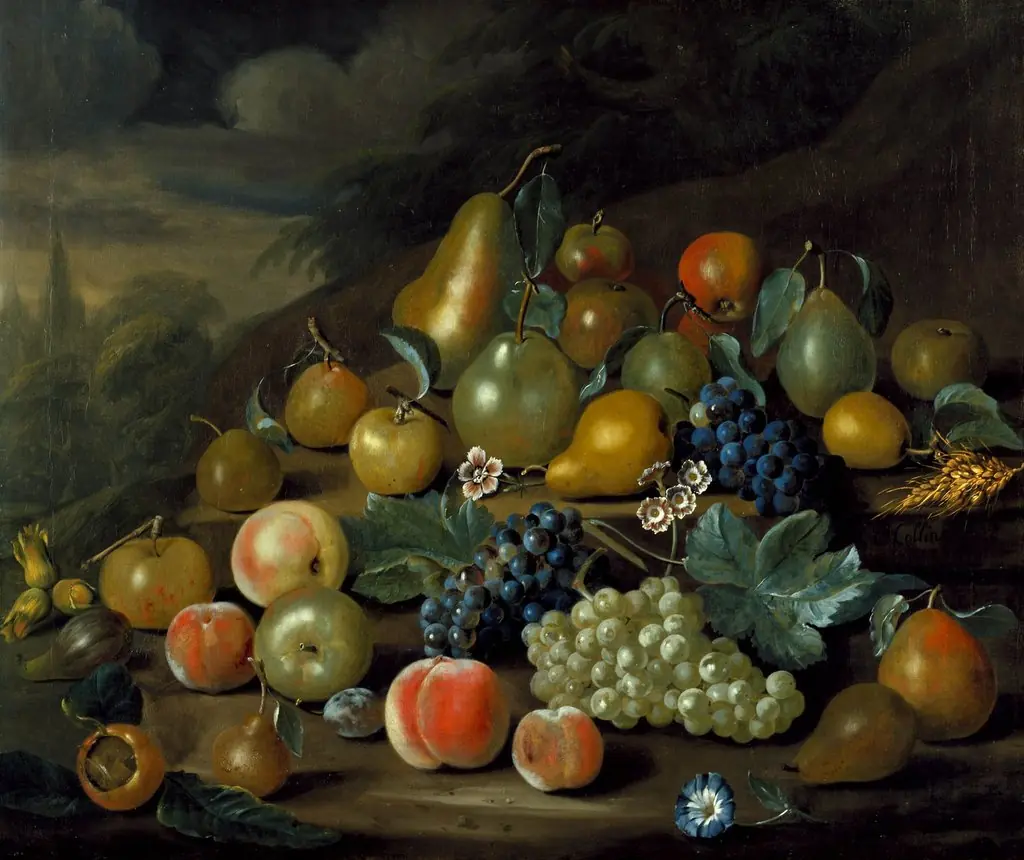 A Still Life of Pears, Peaches and Grapes
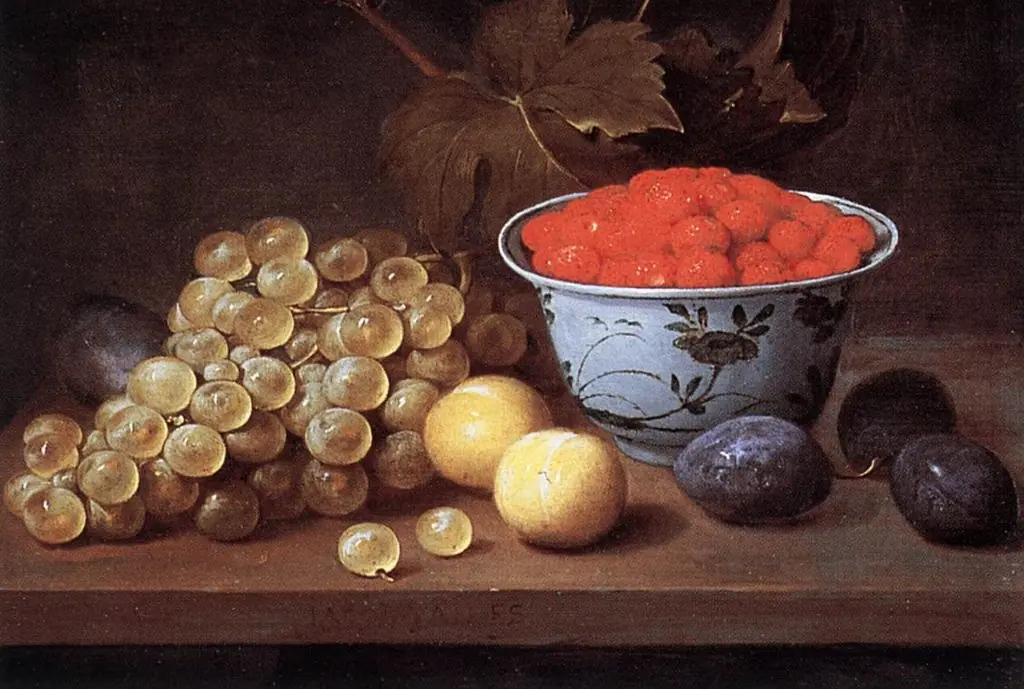 Still Life with Fruit
 Bodegón con peros y melocotones uvas y melón