Artwork
Lady Deering
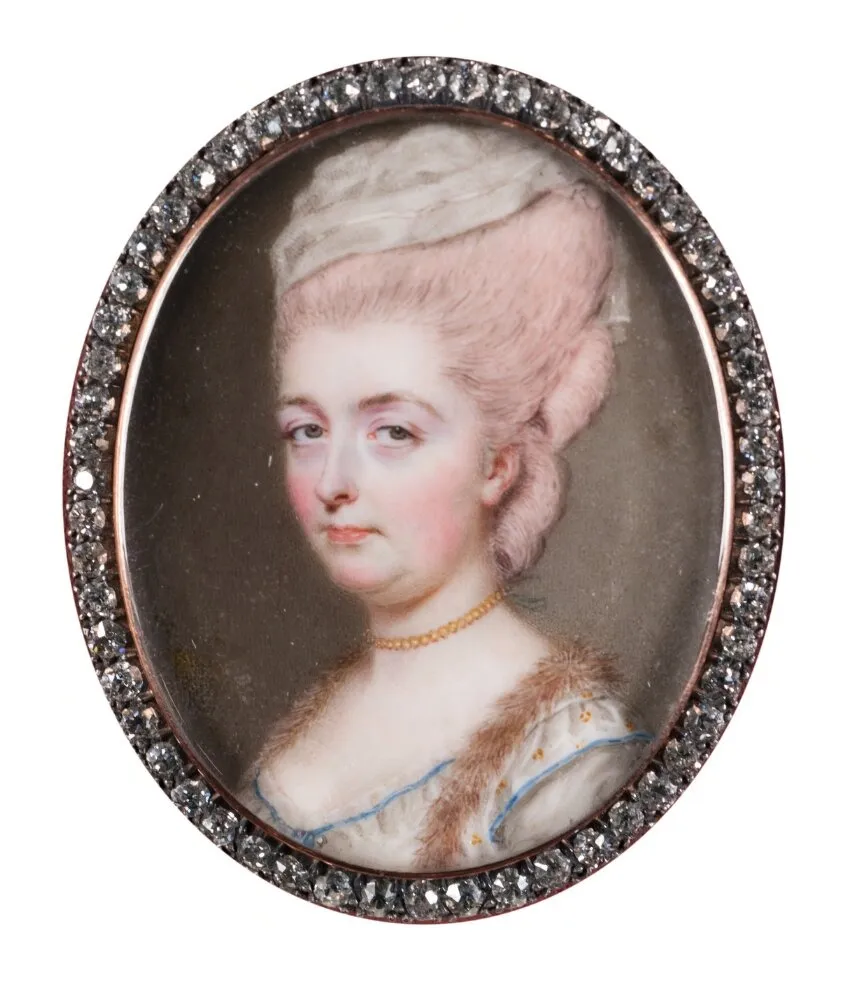
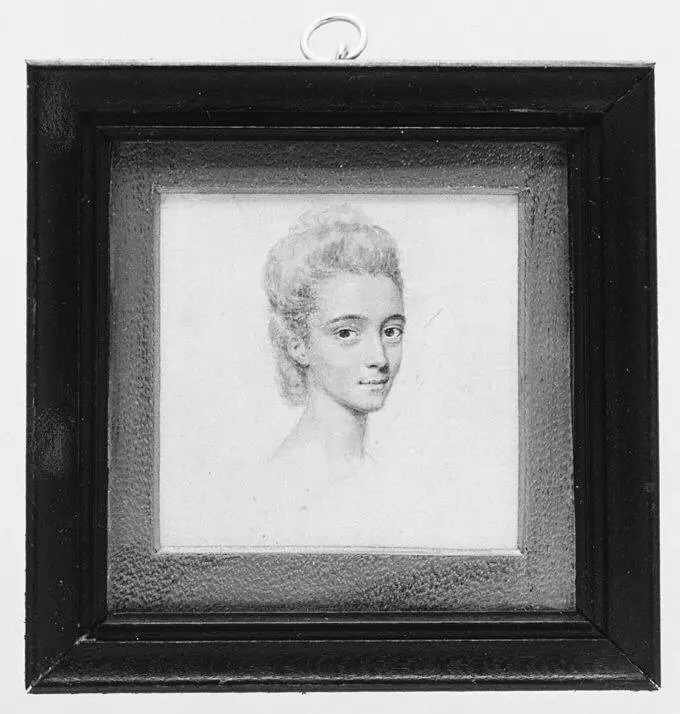
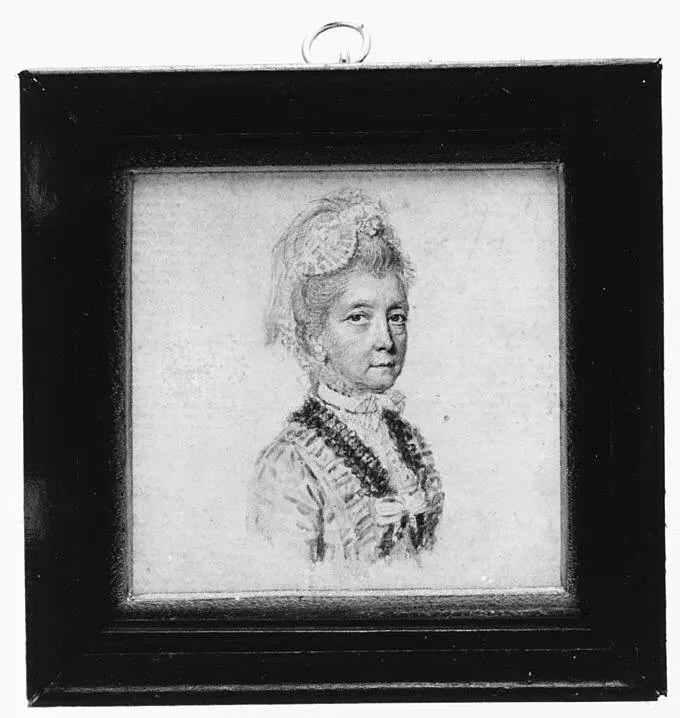
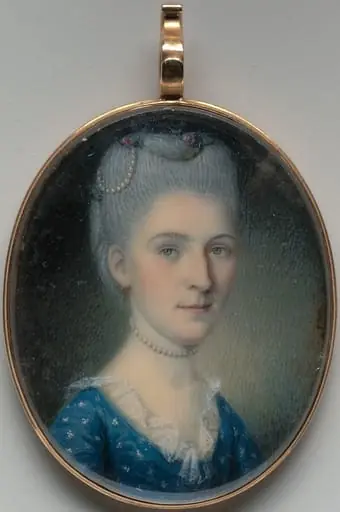
Lady Deering is a watercolor painting by the Rococo painting artist John Smart. It dates from 1770 and is held in the collection of the Nationalmuseum.
About this work
Overview
It resides in the Nationalmuseum’s collection and reflects the refined aesthetic of the Rococo period, emphasizing elegance and subtle detail over grandeur.
Painted in 1770 by English miniaturist John Smart, this portrait of Lady Deering is executed on ivory, a favored support for fine-scale portraiture in the 18th century. The work exemplifies the delicate precision characteristic of British miniature painting. It resides in the Nationalmuseum’s collection and reflects the refined aesthetic of the Rococo period, emphasizing elegance and subtle detail over grandeur.
Subject & Meaning
The sitter, identified as Lady Deering, is portrayed with composed dignity, her gaze turned slightly to the left, suggesting quiet introspection. Her attire—white dress with fur trim and blue detailing, paired with a gold necklace—signals wealth and fashion-consciousness. The white headpiece and pale complexion reinforce ideals of aristocratic refinement, while the dark background isolates her figure, focusing attention on her presence rather than context.
Technique & Style
Smart employed ivory as a ground, allowing for translucent layers of watercolor that captured subtle skin tones and luminous textures. Fine brushwork rendered the fur trim and fabric folds with precision, while the smooth surface of the ivory enhanced the softness of the sitter’s complexion. The composition avoids dramatic lighting, favoring even illumination that aligns with Rococo sensibilities of grace and restraint.
History & Provenance
Commissioned in 1770, the portrait remained within private collections before entering the Nationalmuseum’s holdings. Its survival in good condition reflects careful preservation, typical of works owned by elite families. Smart’s reputation as a leading miniaturist ensured the piece’s early recognition, though specific documentation of its early ownership remains limited.
Context
In late 18th-century Britain, miniature portraits on ivory were popular among the aristocracy as intimate keepsakes. Smart, alongside contemporaries like Cosway and Engleheart, elevated the form through technical mastery. While larger oil portraits conveyed status, miniatures like this one served personal and domestic functions, often carried or worn as tokens of affection or identity.
Legacy
This work stands as a representative example of British miniature painting at its peak. Though overshadowed in public memory by larger-scale works, Smart’s technique influenced later generations of portraitists. The use of ivory as a medium declined after the 19th century due to ethical and material concerns, making such works rare artifacts of a bygone artistic practice.
Artist & collection
Artist
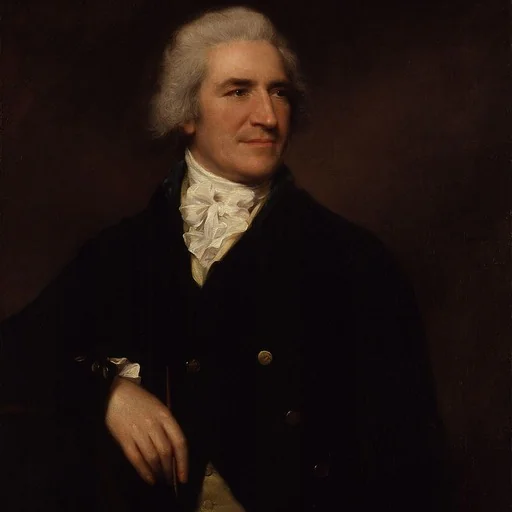
John Smart (1 May 1741 – 1 May 1811) was an English painter who specialised in portrait miniatures. He was a contemporary of Richard Cosway, George Engleheart, William Wood and Richard Crosse.

 Élisabeth Vigée-Lebrun, Presumed Portrait
 Portrait of a woman, possibly Wilhelmina van Pruisen (1751-1820)
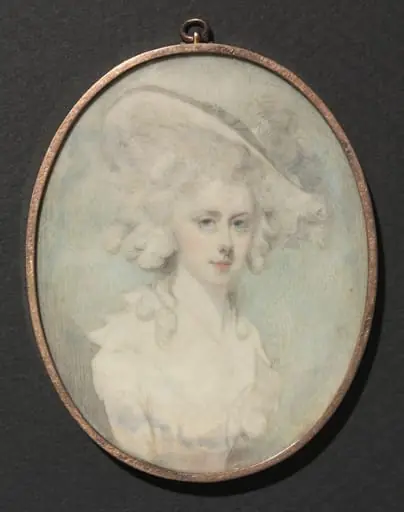 Portrait of a Woman with a Hat
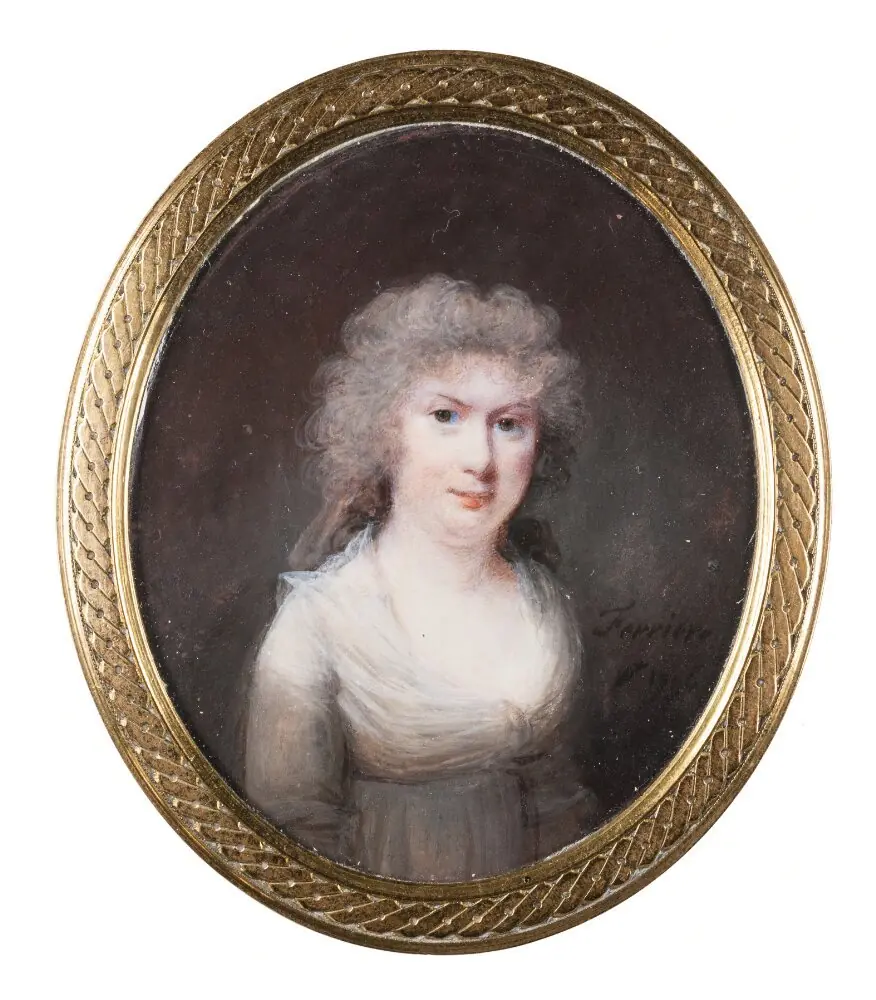 Unknown Lady
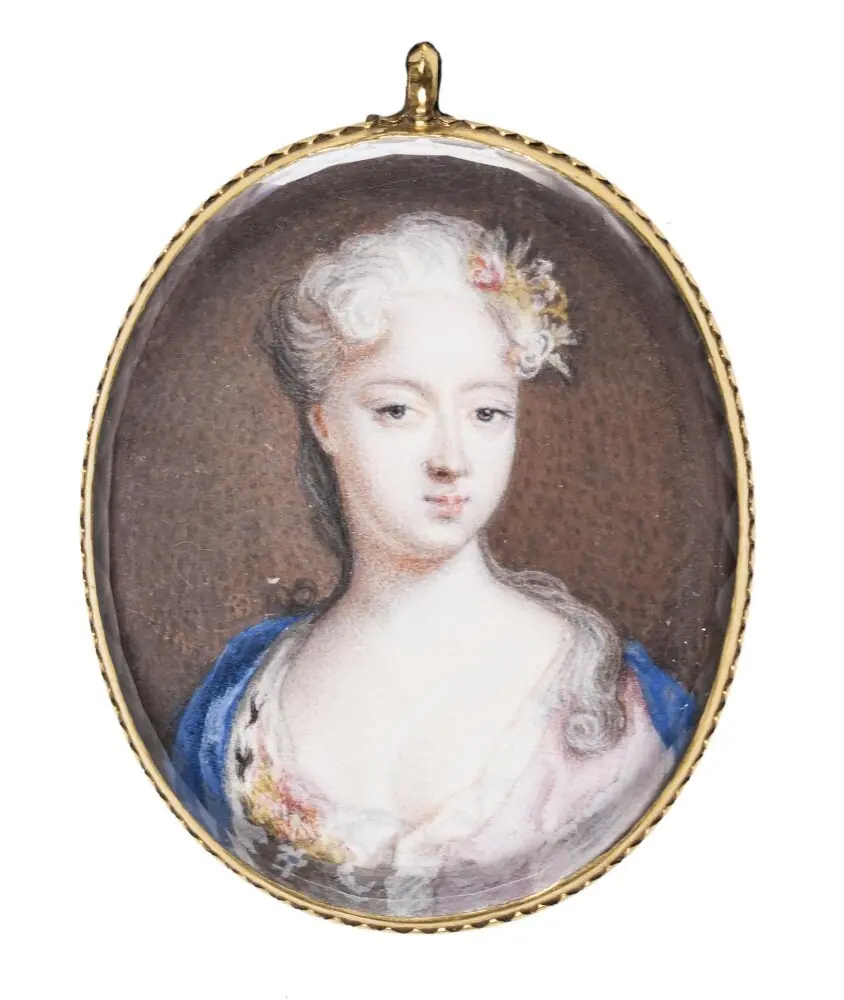 Wilhelmine Charlotte, Princess of Hessen-Cassel
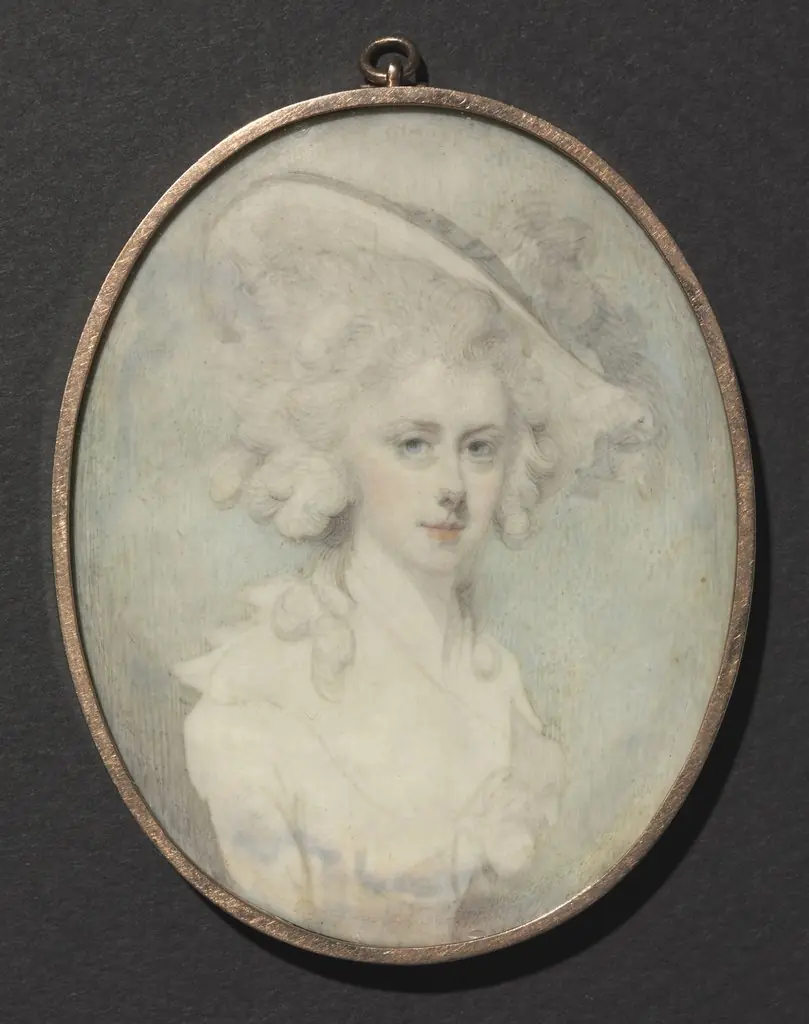 Portrait of a Woman with a Hat
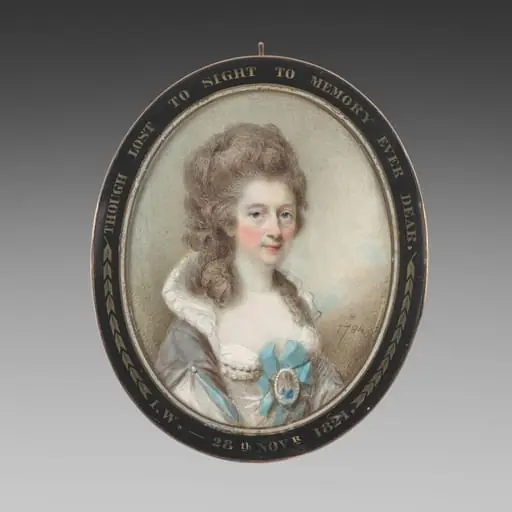 Portrait of Lady Grace Anna Newenham
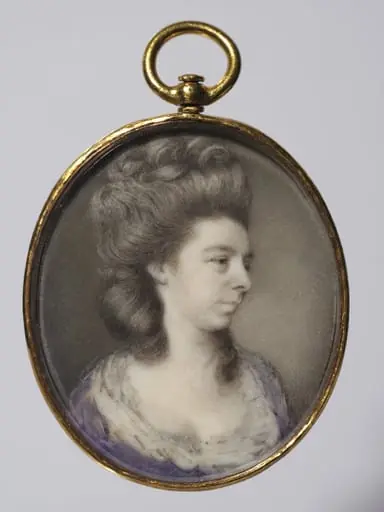 Portrait of a Woman
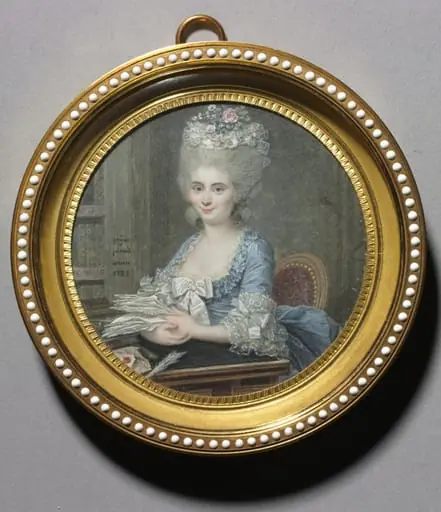 Portrait of a Woman in a Blue Dress
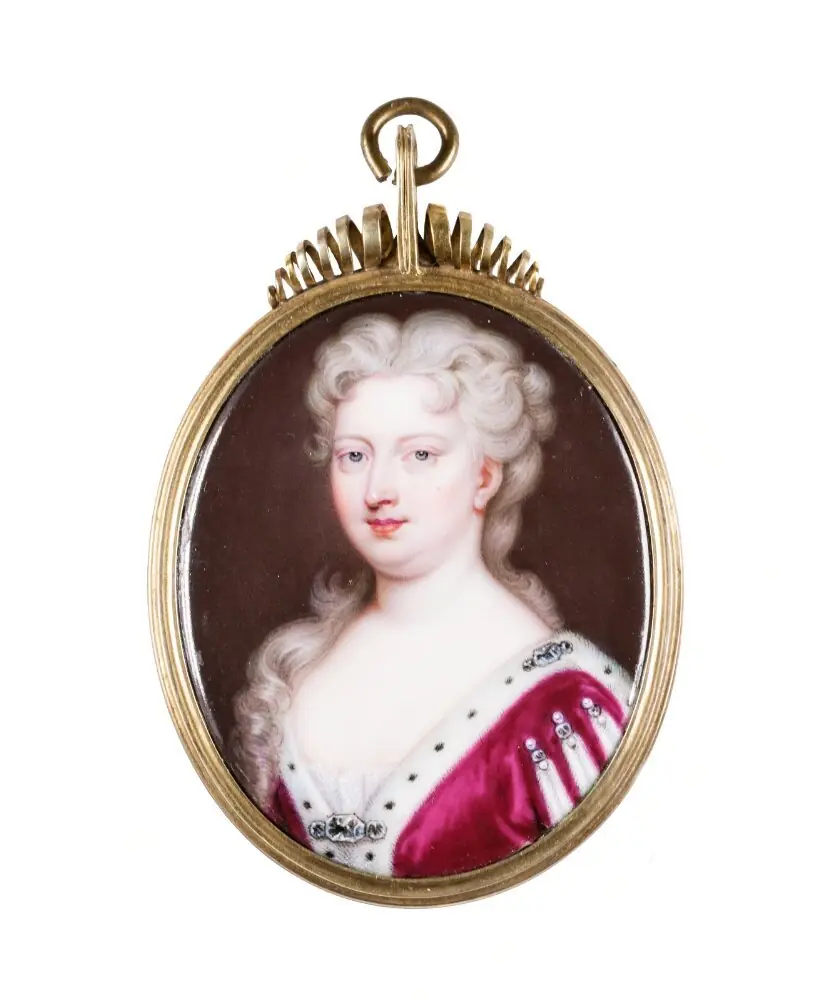 Wilhelmina Carolina, Queen of England and Scotland
 Mrs. Joseph Donaldson (Frances Johnston)
 Vapaaherratar Maria Sofia Juliana von Blixen