Artwork
Jug on a table. Plastic painting
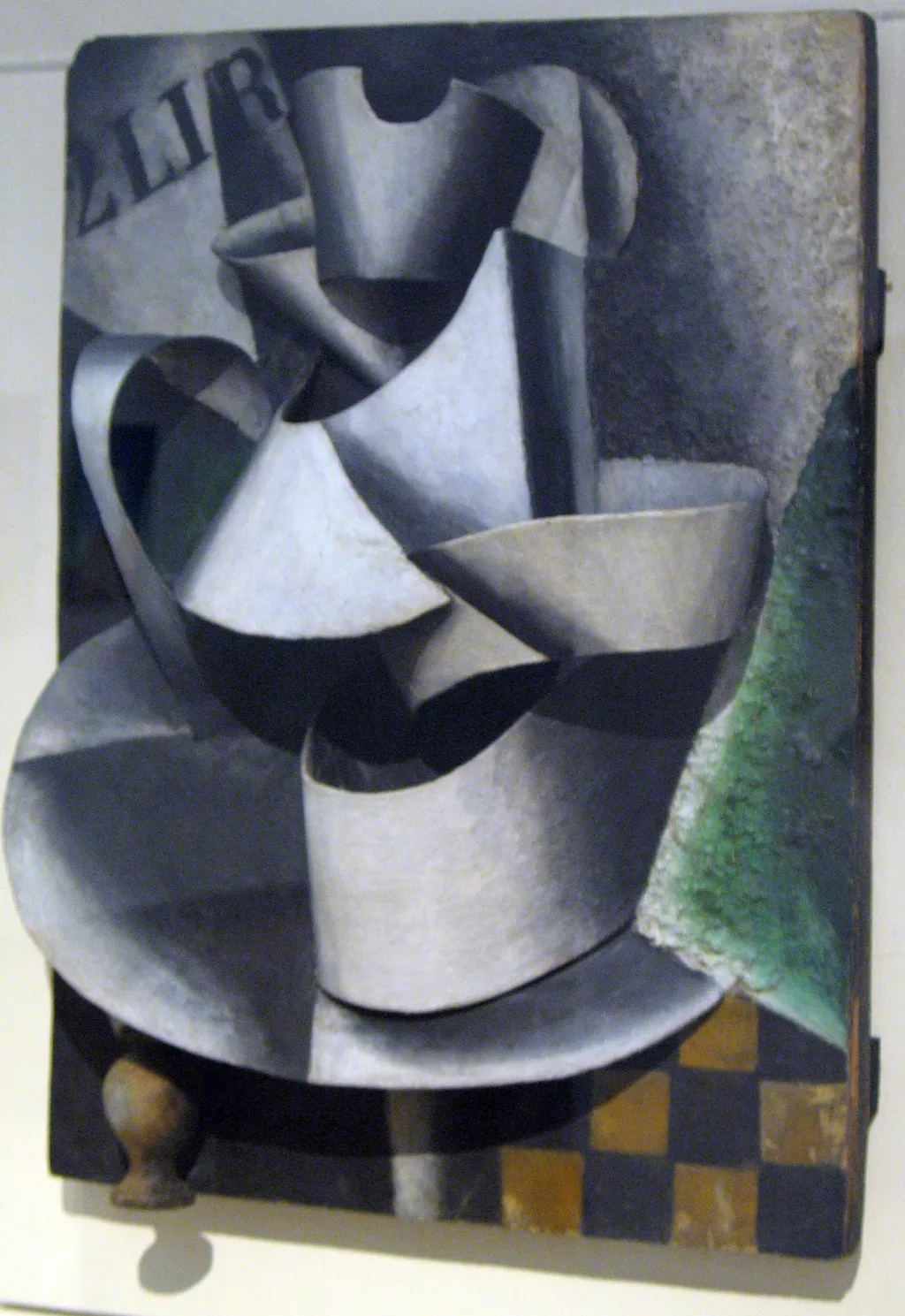
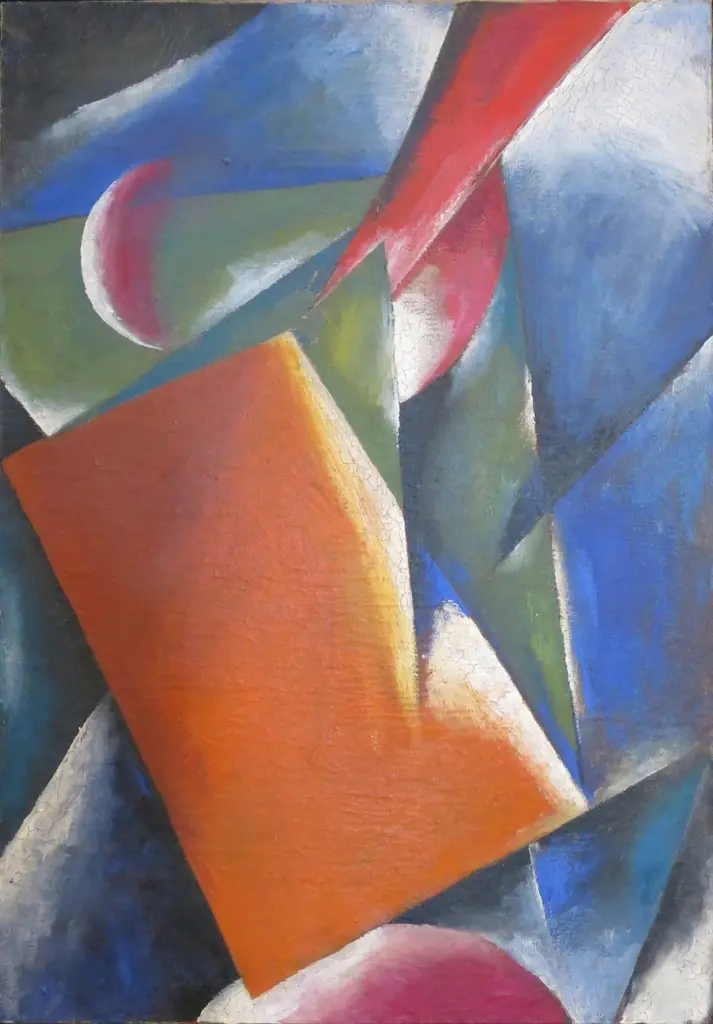
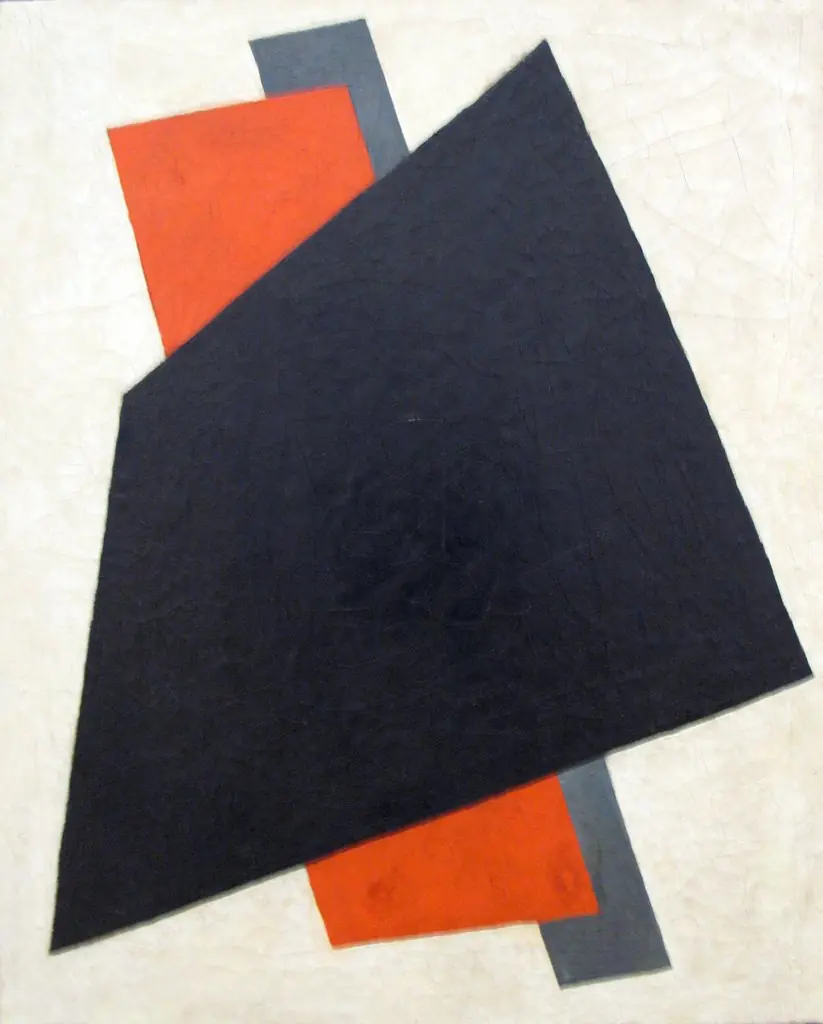
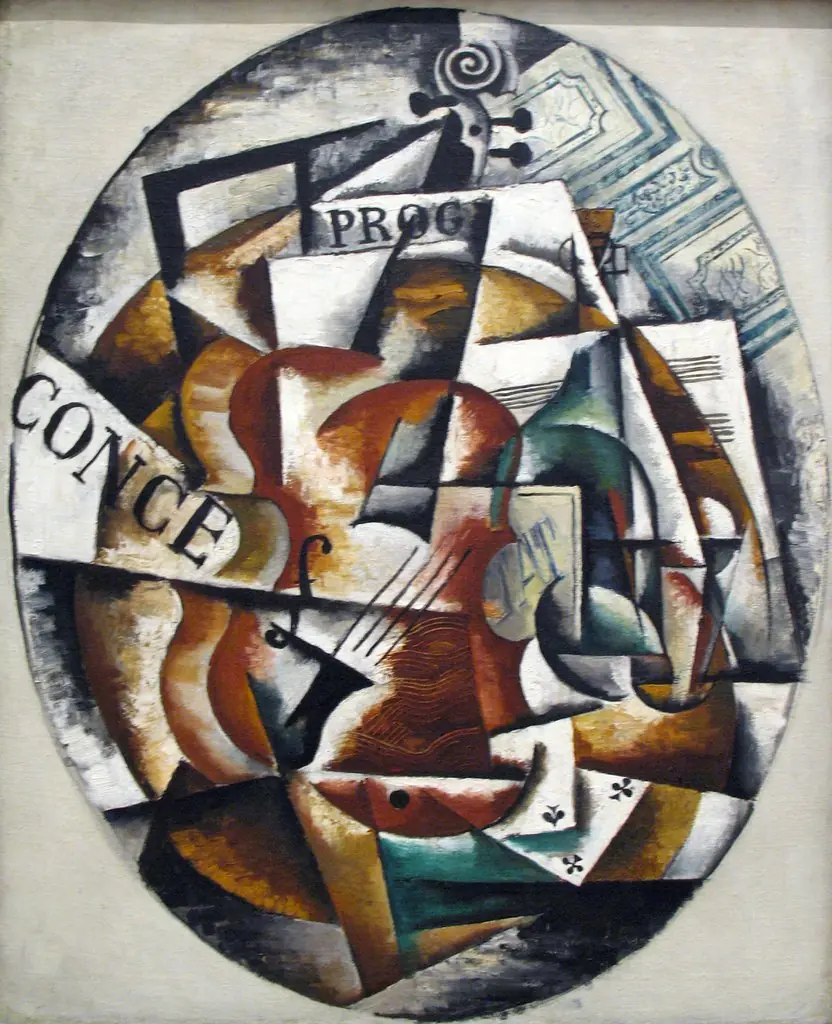
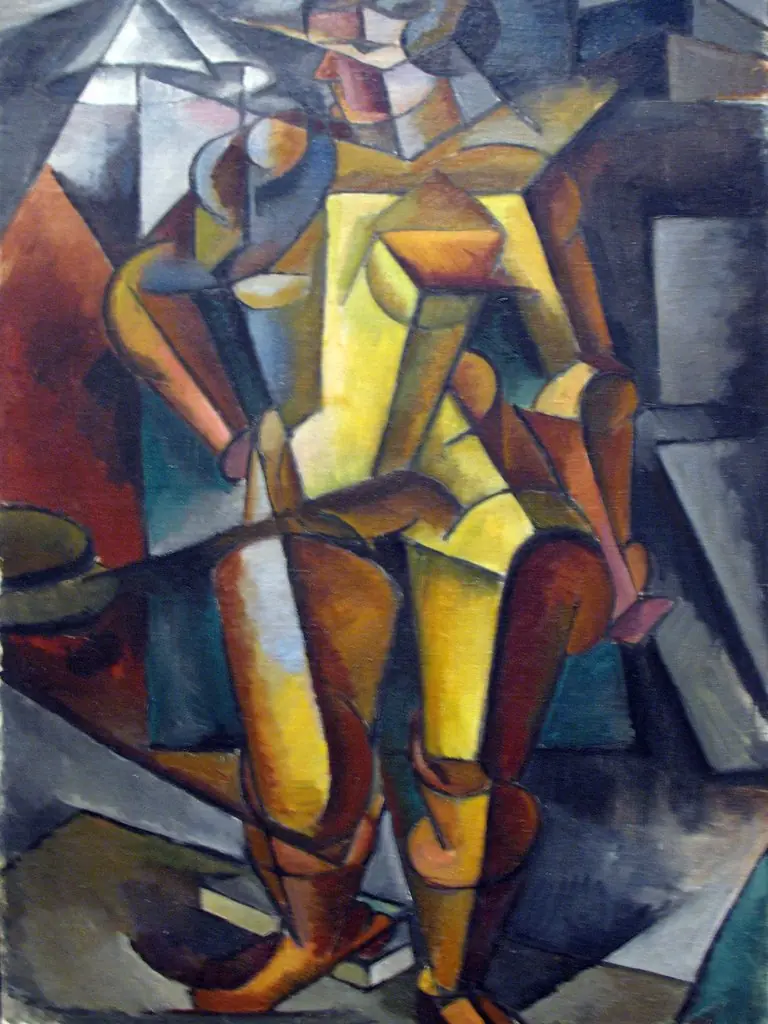
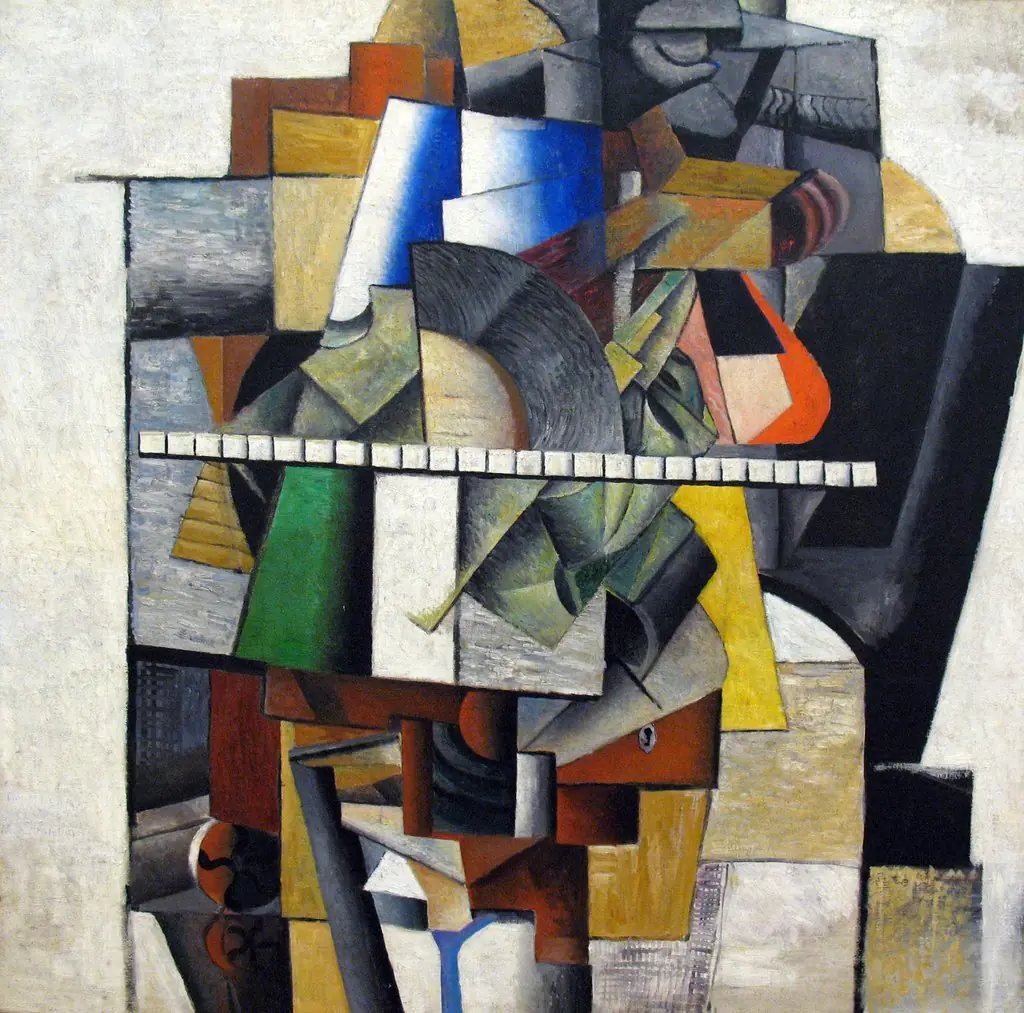
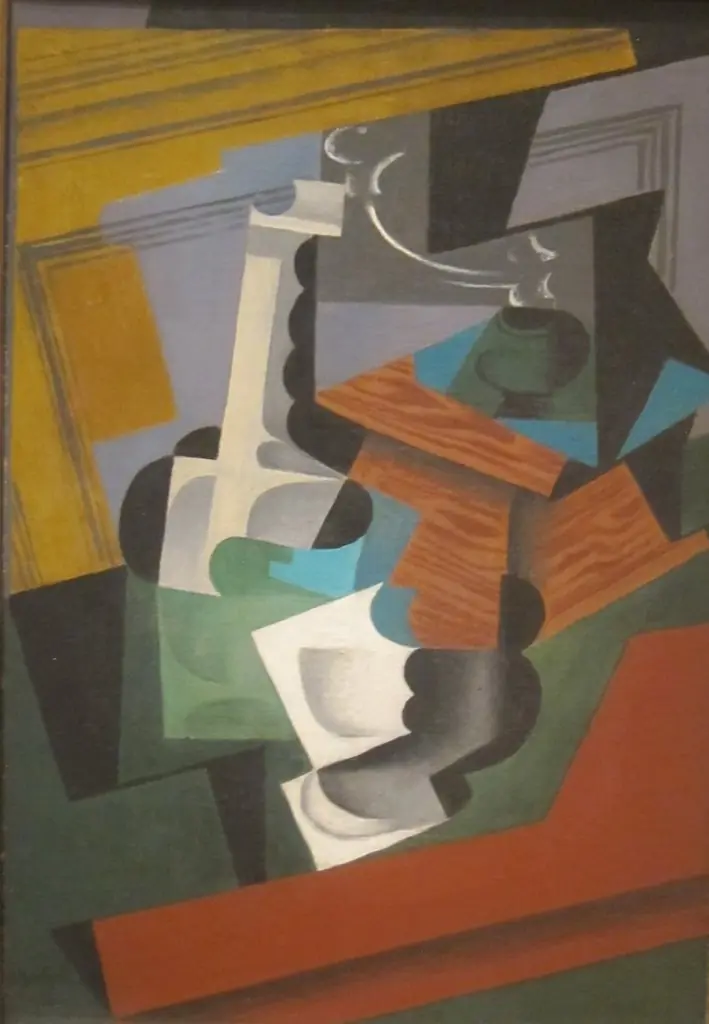
Jug on a table. Plastic painting is an unspecified painting by the Constructivist artist Lyubov Popova. It dates from 1915 and is held in the collection of the Tretyakov Gallery.
About this work
Overview
It belongs to a series of works in which Popova explored the formal possibilities of abstraction through still-life subjects.
Created in 1915 by Lyubov Popova, *Jug on a Table* is an early example of Russian Constructivist painting. It belongs to a series of works in which Popova explored the formal possibilities of abstraction through still-life subjects. The painting reflects her transition from figurative representation toward geometric composition, aligning with broader avant-garde interests in redefining visual space and material structure.
Subject & Meaning
The subject—a simple jug on a table—is deconstructed into intersecting planes and simplified forms. Rather than depicting the object realistically, Popova isolates its essential geometry, transforming the familiar into an abstract arrangement. The title anchors the work in domestic reality, yet the composition resists narrative or emotional interpretation, emphasizing structural inquiry over representation.
Technique & Style
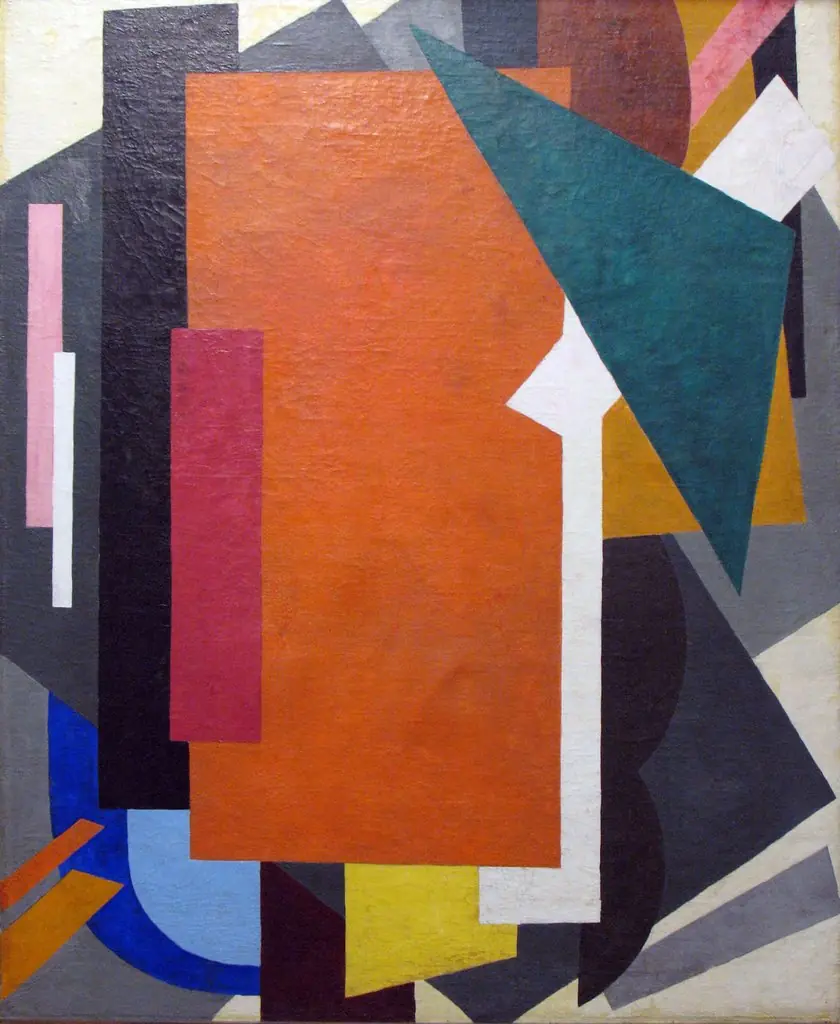
Popova employed a limited palette of gray, white, green, and brown to modulate form and depth. Planes of color and shape overlap and intersect, suggesting volume without traditional perspective. Brushwork is deliberate and flat, rejecting chiaroscuro in favor of planar construction. The composition’s spatial ambiguity reflects Constructivist aims to dissolve the boundary between object and environment through abstract organization.
History & Provenance
The painting entered the collection of the State Tretyakov Gallery in Moscow, where it remains today. It was produced during a period of intense artistic experimentation in Russia, shortly before Popova fully embraced Constructivism’s utilitarian ideals. Its preservation reflects its significance within the trajectory of early Soviet modernism and the institutional recognition of avant-garde practice.
Context
In 1915, Russian artists were redefining art’s role amid political and social upheaval. Popova’s work emerged alongside movements like Cubo-Futurism and Suprematism, sharing an interest in fragmentation and spatial innovation. While other artists pursued pure abstraction, Popova retained subtle references to everyday objects, bridging the material world with emerging formal languages.
Legacy
This painting marks a pivotal moment in Popova’s career, foreshadowing her later work in design and architecture. It exemplifies how early Constructivists used still life to test new visual systems, influencing subsequent generations of abstract and industrial designers. Its restrained palette and geometric rigor became touchstones for Soviet modernist aesthetics in the decades that followed.
Artist & collection
Artist
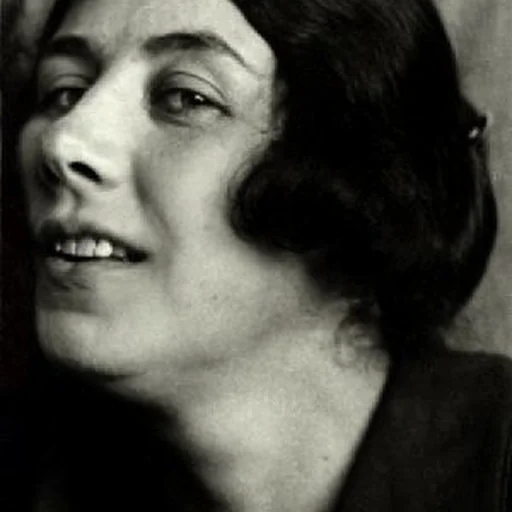
Lyubov Sergeyevna Popova (Russian: Любо́вь Серге́евна Попо́ва; 24 April 1889 – 25 May 1924) was a Russian-Soviet avant-garde artist, painter and designer.