Artwork
Blue jug
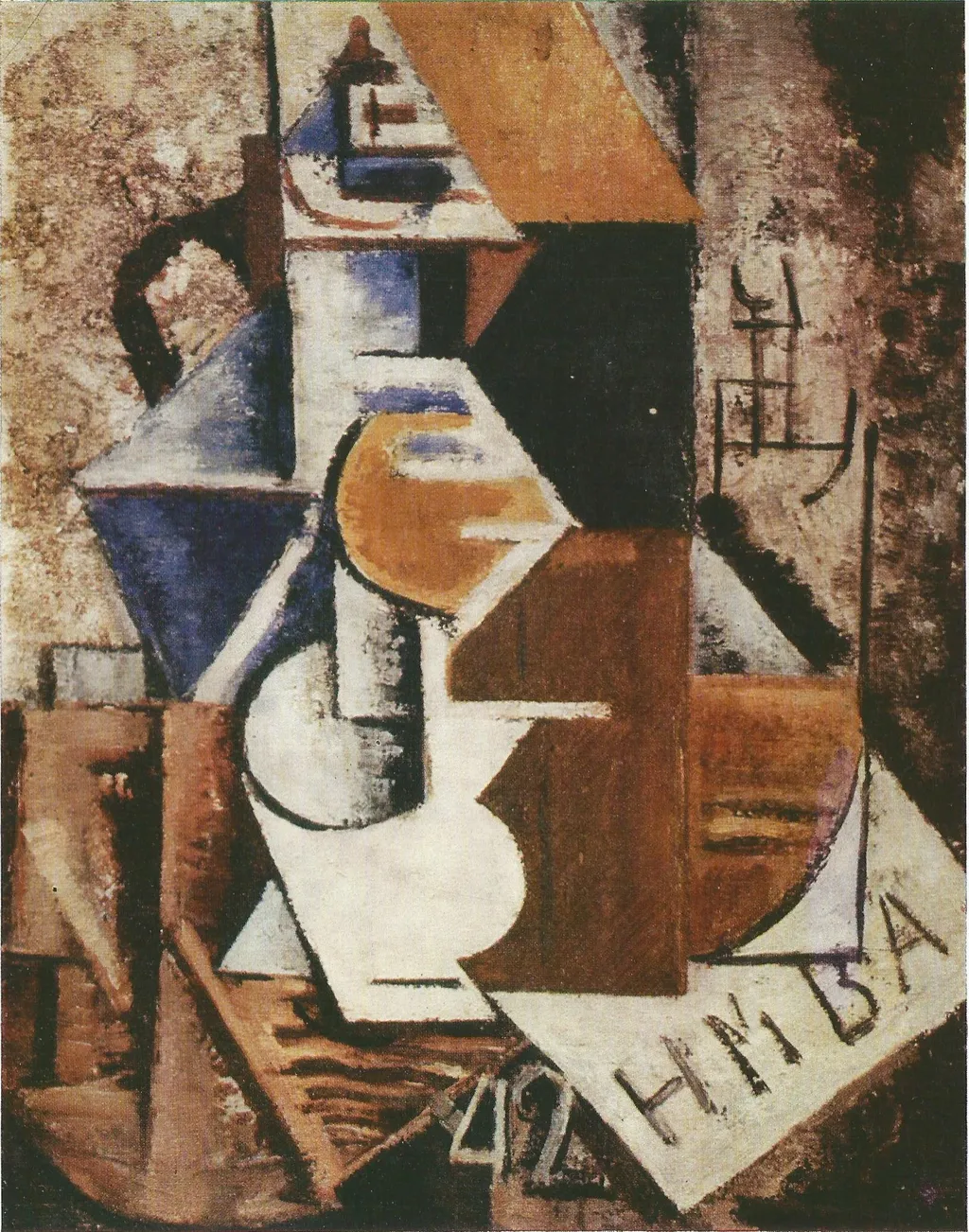
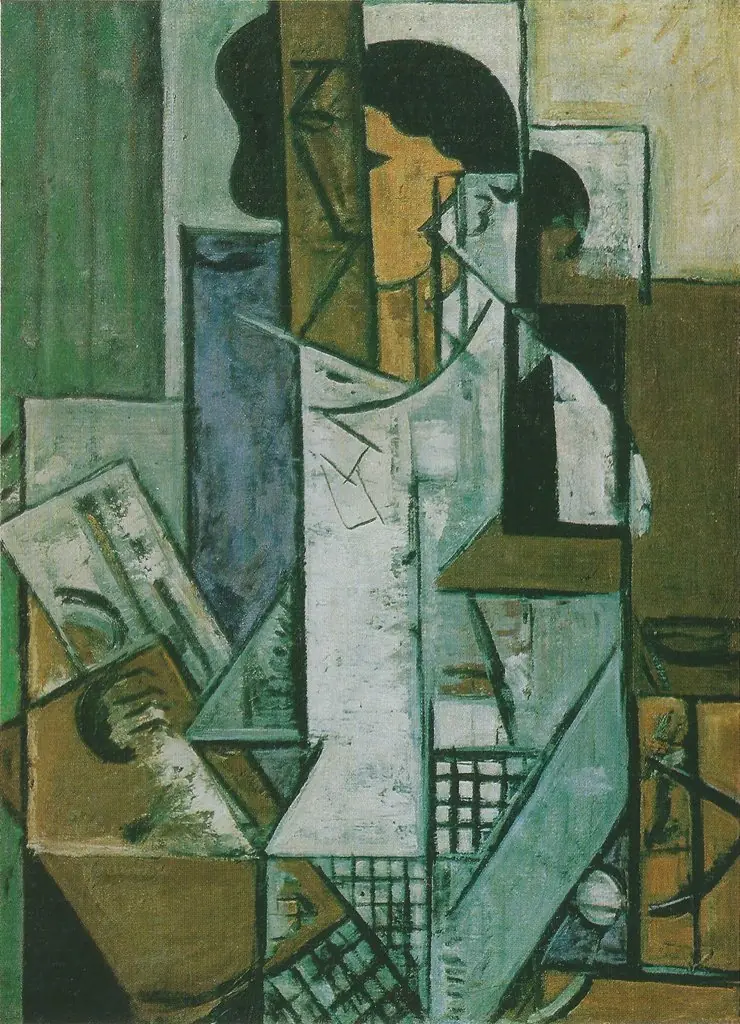
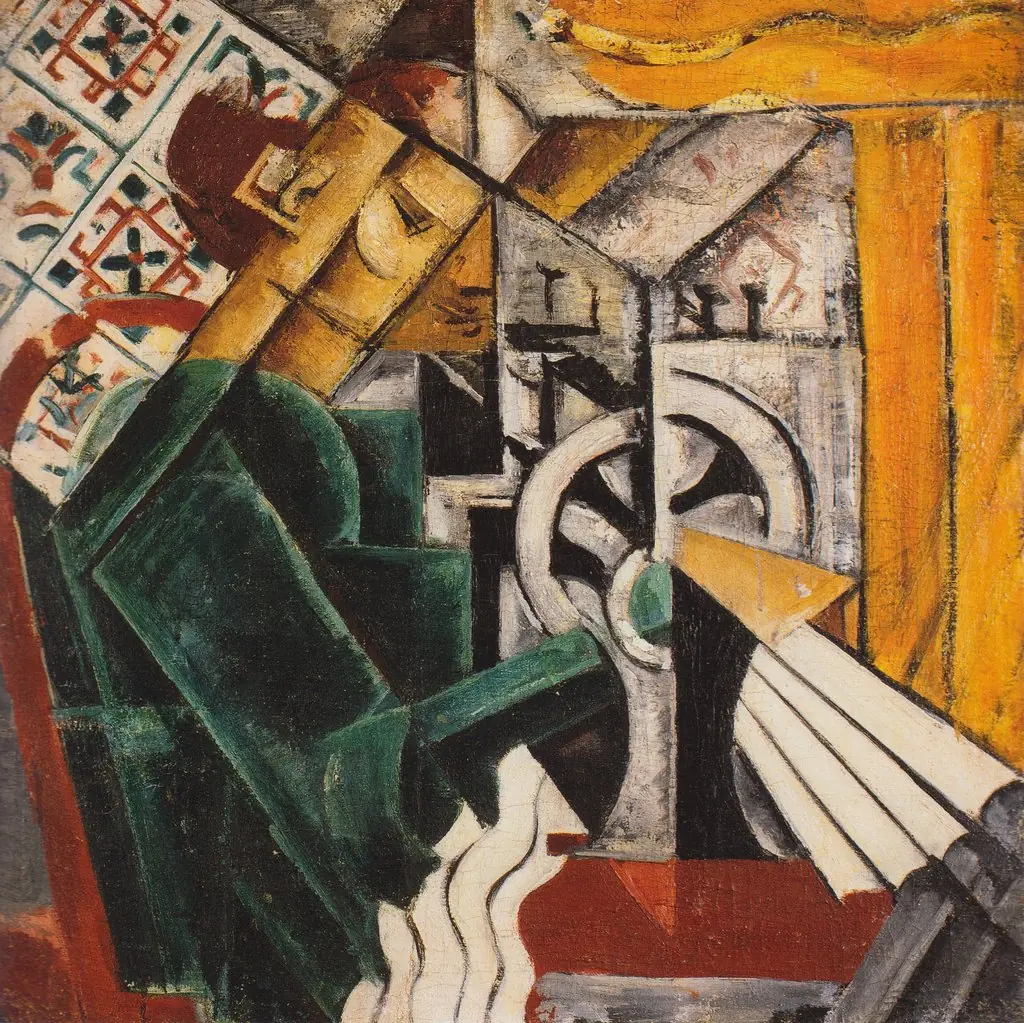
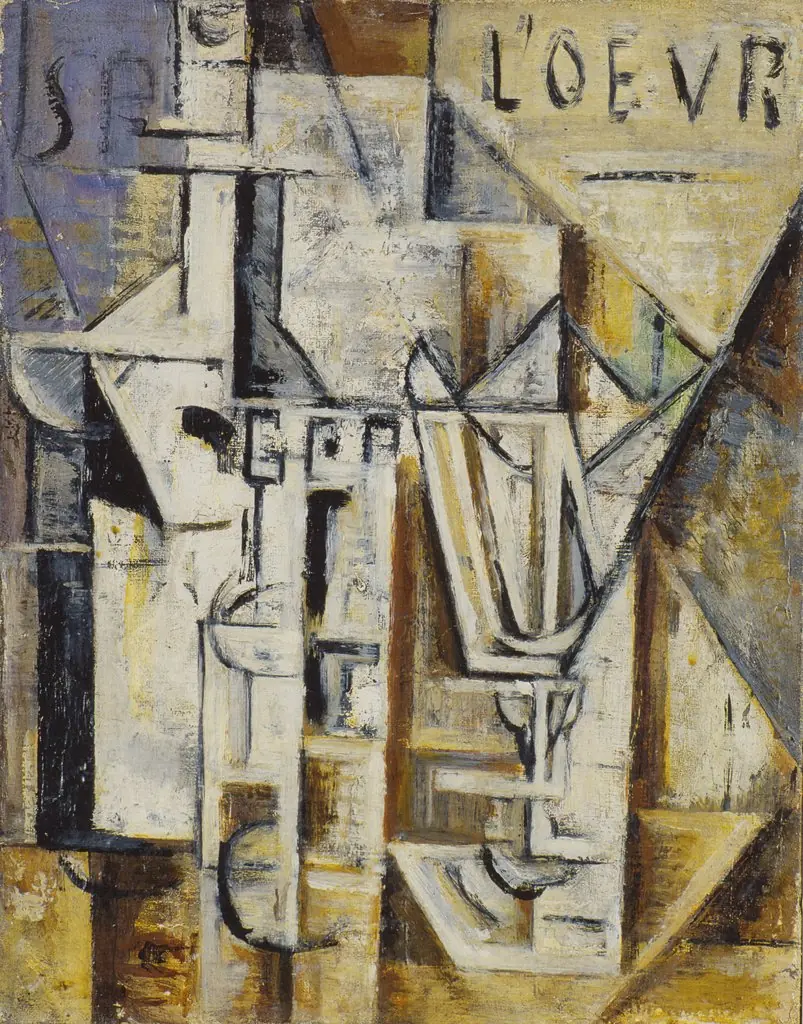
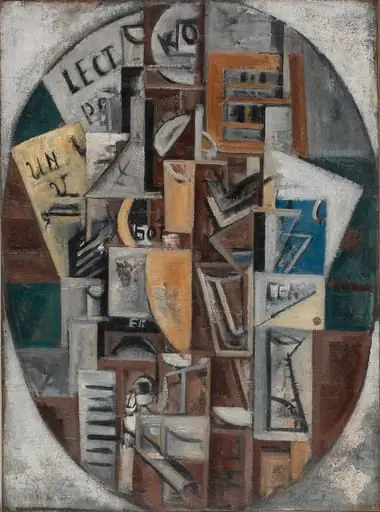
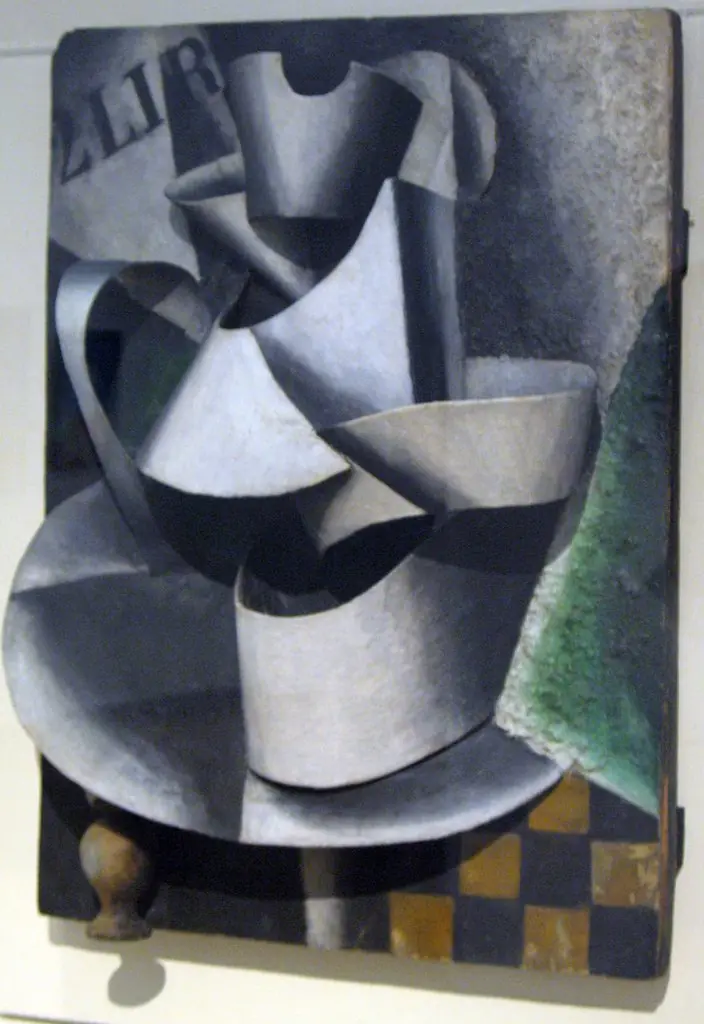
Blue jug is an oil painting by Nadezhda Udaltsova. It dates from 1915 and is held in the collection of the Tretyakov Gallery.
About this work
Overview
It belongs to a phase of her career when she actively engaged with the radical visual languages emerging in early 20th-century Moscow.
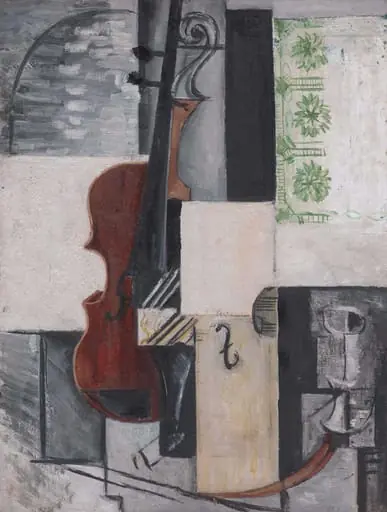
Painted in 1915, *Blue Jug* is an oil-on-canvas still life by Russian artist Nadezhda Udaltsova. It belongs to a phase of her career when she actively engaged with the radical visual languages emerging in early 20th-century Moscow. The work exemplifies her synthesis of Cubist structure and expressive form, reflecting the broader experimental spirit of Russian avant-garde circles during a time of intense artistic innovation.
Subject & Meaning
The painting centers on a simple domestic object—a blue ceramic jug—placed on a white cloth-covered table. Rather than idealizing the subject, Udaltsova treats it as a vehicle for formal inquiry. The jug’s volume is suggested through planes of blue and white, while shadows and folds in the cloth introduce spatial tension. The composition avoids narrative, focusing instead on the interplay of shape, color, and surface.
Technique & Style
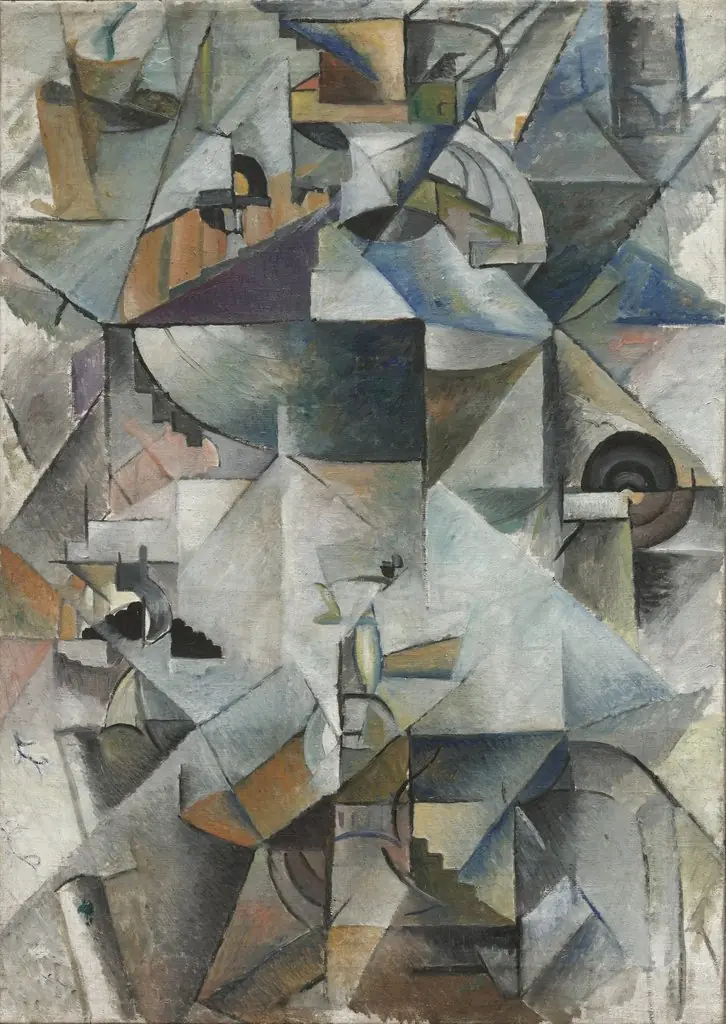
Udaltsova employs fragmented planes and muted tonal shifts to construct the jug and its surroundings. Brushwork is deliberate but not decorative; edges are softened where forms overlap, creating subtle depth without perspective. The background, composed of earthy browns and grays, recedes quietly, allowing the jug to emerge as a structured yet fluid presence. This restrained palette and geometric simplification align with Cubist principles adapted to her own rhythmic sensibility.
History & Provenance
Created during a period of active participation in Moscow’s avant-garde scene, *Blue Jug* entered the collection of the State Tretyakov Gallery in the decades following its creation. Its preservation there reflects its significance within the trajectory of Russian modernism. The painting has remained relatively undisturbed in public view, serving as a quiet but consistent reference point for studies of early Soviet abstraction.
Context
In 1915, Russia was undergoing rapid cultural transformation, with artists rejecting academic traditions in favor of abstraction and structural experimentation. Udaltsova, alongside figures like Malevich and Popova, contributed to this shift by reimagining everyday objects through fractured forms. *Blue Jug* emerges from this milieu—not as a manifesto, but as a quiet, focused meditation on perception and materiality.
Legacy
Though less widely known than some of her contemporaries, Udaltsova’s work, including *Blue Jug*, demonstrates a distinctive approach to Cubism that prioritized spatial harmony over dynamism. The painting’s restraint and formal clarity have influenced later interpretations of Russian modernism, particularly in how domestic subjects were reinterpreted through abstraction. It remains a key example of the quiet revolution in Russian painting between 1910 and 1920.
Artist & collection
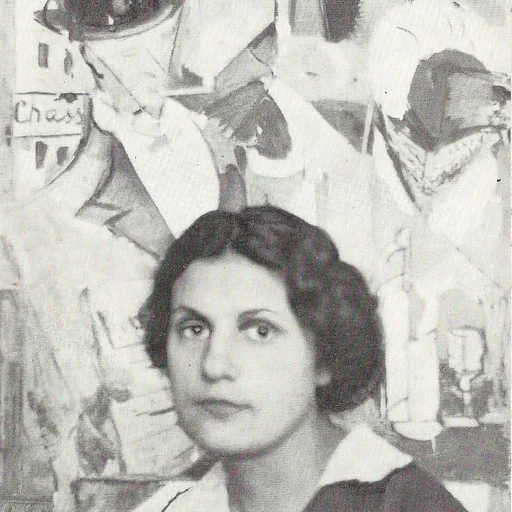
Artist
Nadezhda Andreevna Udaltsova (née Prudkovskaia; Russian: Наде́жда Андре́евна Удальцо́ва; 29 December 1885 – 25 January 1961) was a Russian and Soviet artist, painter and teacher.