Artwork
A country house
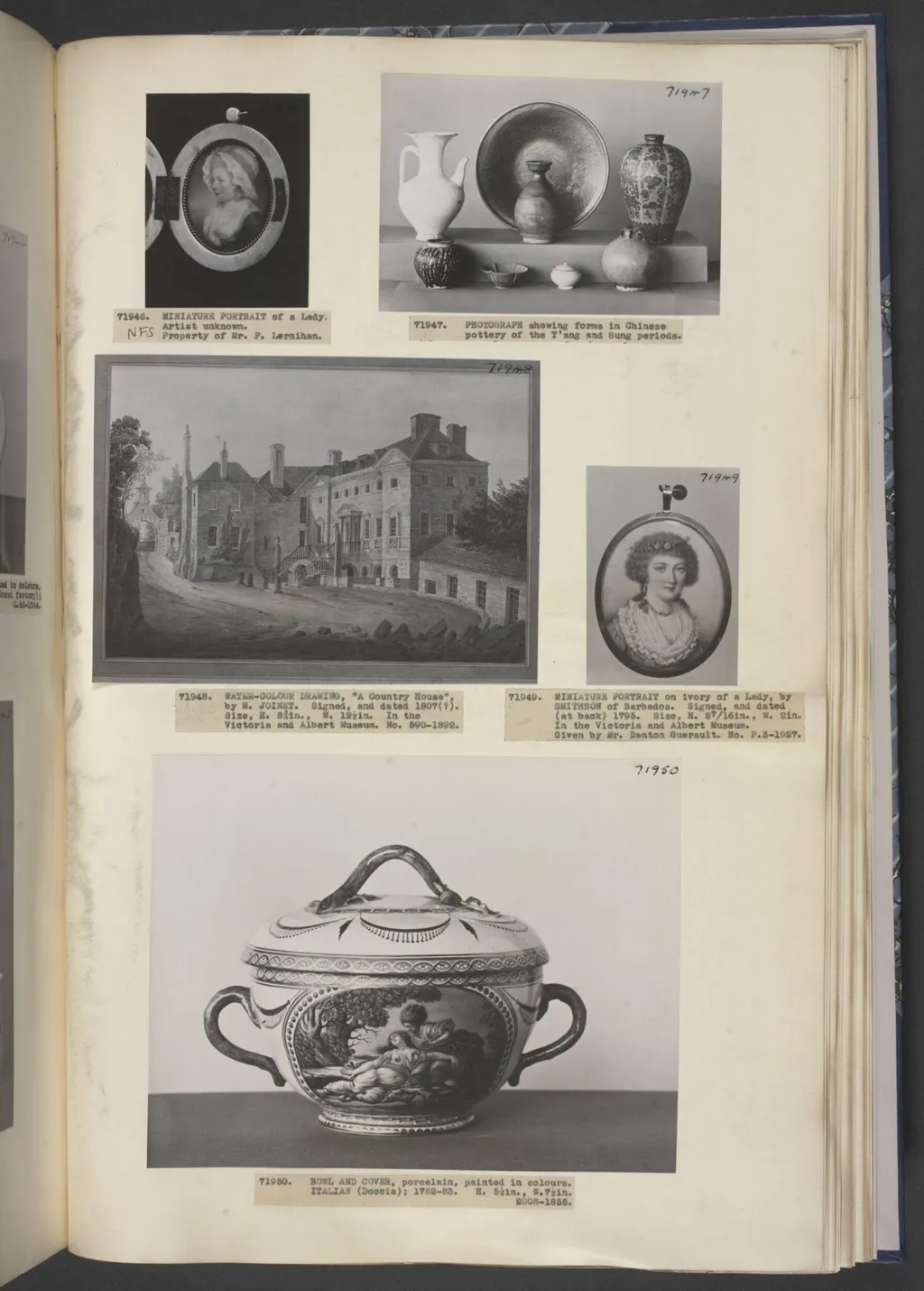
A country house is a watercolor work on paper by the Biedermeier artist M. Joinet. It dates from 1807 and is held in the collection of the Victoria and Albert Museum. The work is a watercolor rendering of a country residence, signed by M.
About this work
Overview
The work is a watercolor rendering of a country residence, signed by M. Joinet and dated 1807. It presents a solitary, pale‑colored house with a gray roof, positioned on a quiet street flanked by a few trees and a low fence. The composition is dominated by the building’s symmetrical façade and tall windows, set against a softly washed sky.
Subject & Meaning
The painting focuses exclusively on the architecture of the house, emphasizing its well‑maintained yet aged appearance. By omitting figures and bustling activity, the image conveys a sense of tranquil domesticity and the quiet dignity of rural life in the early nineteenth century.
Technique & Style
Executed in watercolor, the piece employs a restrained palette of muted whites, greys, and pale blues, allowing the pigments to blend into delicate washes. The gentle, slightly faded tones and the emphasis on atmospheric light reflect a common aesthetic of the period, where artists favored serene, unembellished landscapes and architectural subjects.
History & Provenance
Signed and dated by the French artist M. Joinet in 1807, the work is part of the early nineteenth‑century European tradition of watercolor studies. It is currently held in the collection of the Victoria and Albert Museum, where it is displayed alongside other contemporaneous examples of tranquil rural scenes.
Artist & collection
Artist

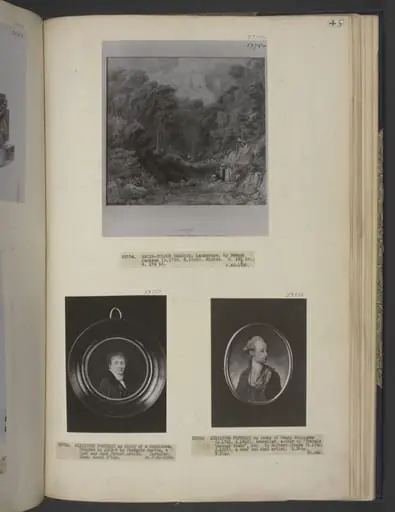 Nightingale Valley near Clifton with St. Vincent's Rocks and the Obsevatory Tower
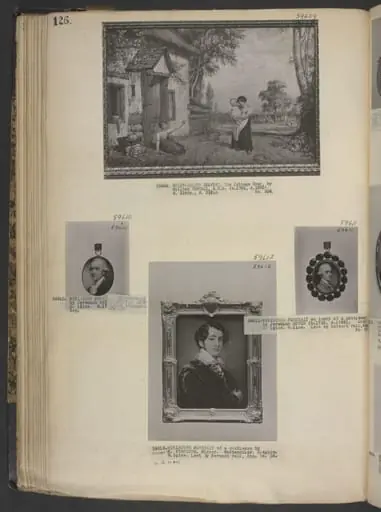 The Cottage Door
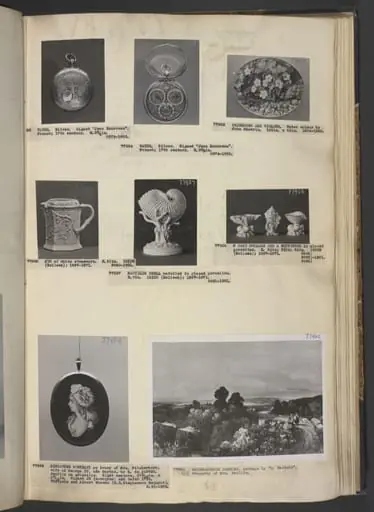 Primroses and violets
 Under the Salle de Chevaliers, Mont St. Michel, Normand
 John Gilpin riding to Edmonton
 Bénitier in St. Peter's, Rome
 Girl with basket of grapes
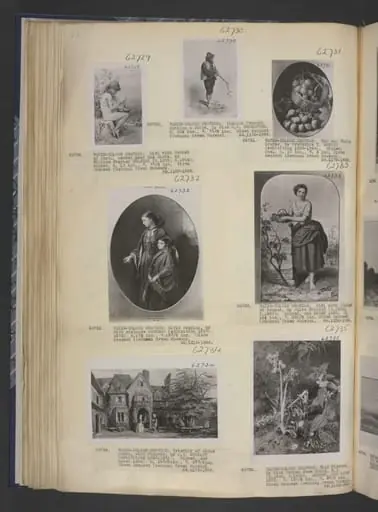 An Italian peasant cutting a stick
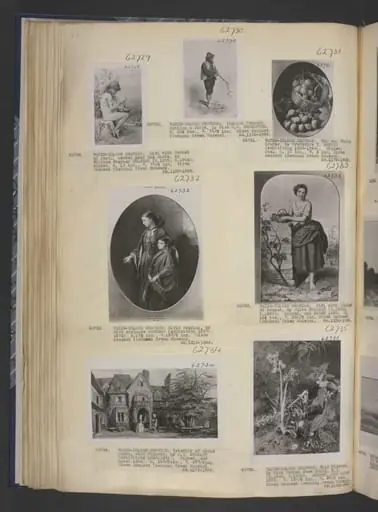
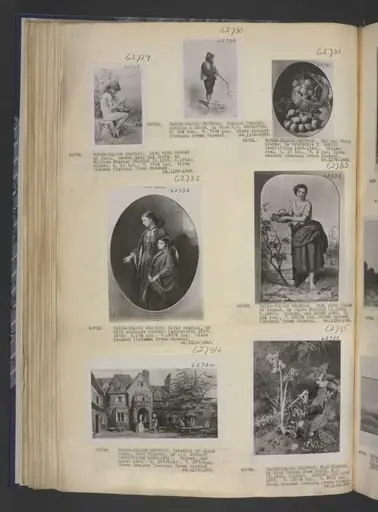 Exterior of Stoke House
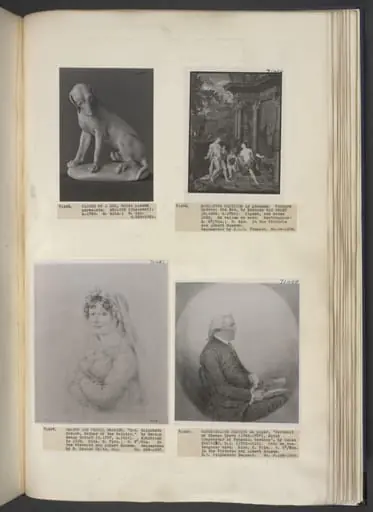 Mrs Elizabeth Harlow, mother of the painter
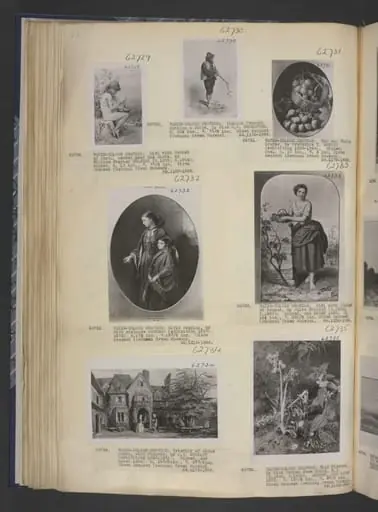 Wild flowers
 A Promenade at Carlisle House, Soho Square