Artwork
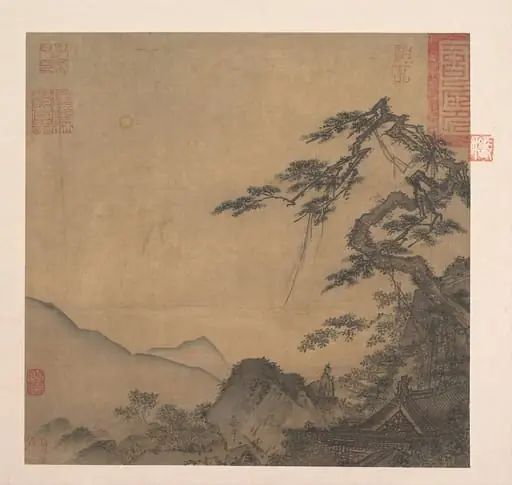
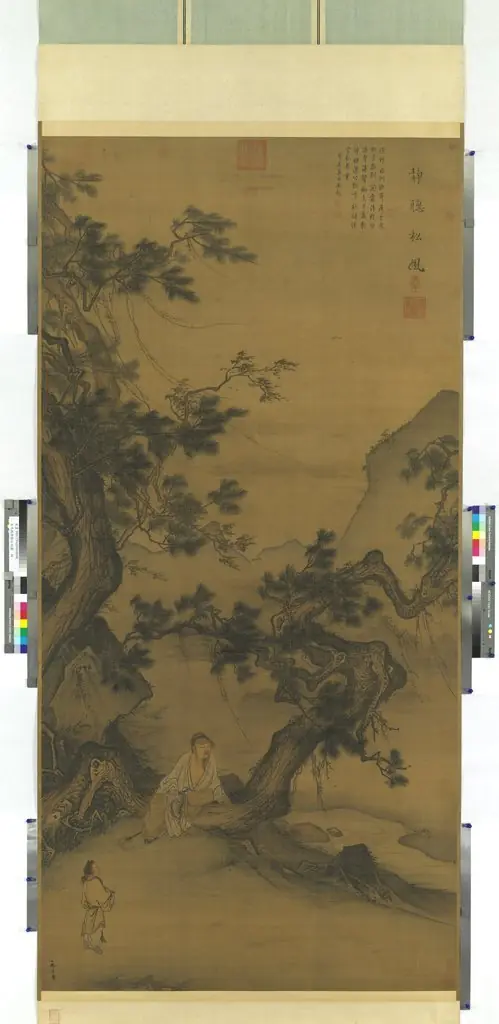
宋馬麟靜聽松風圖 軸
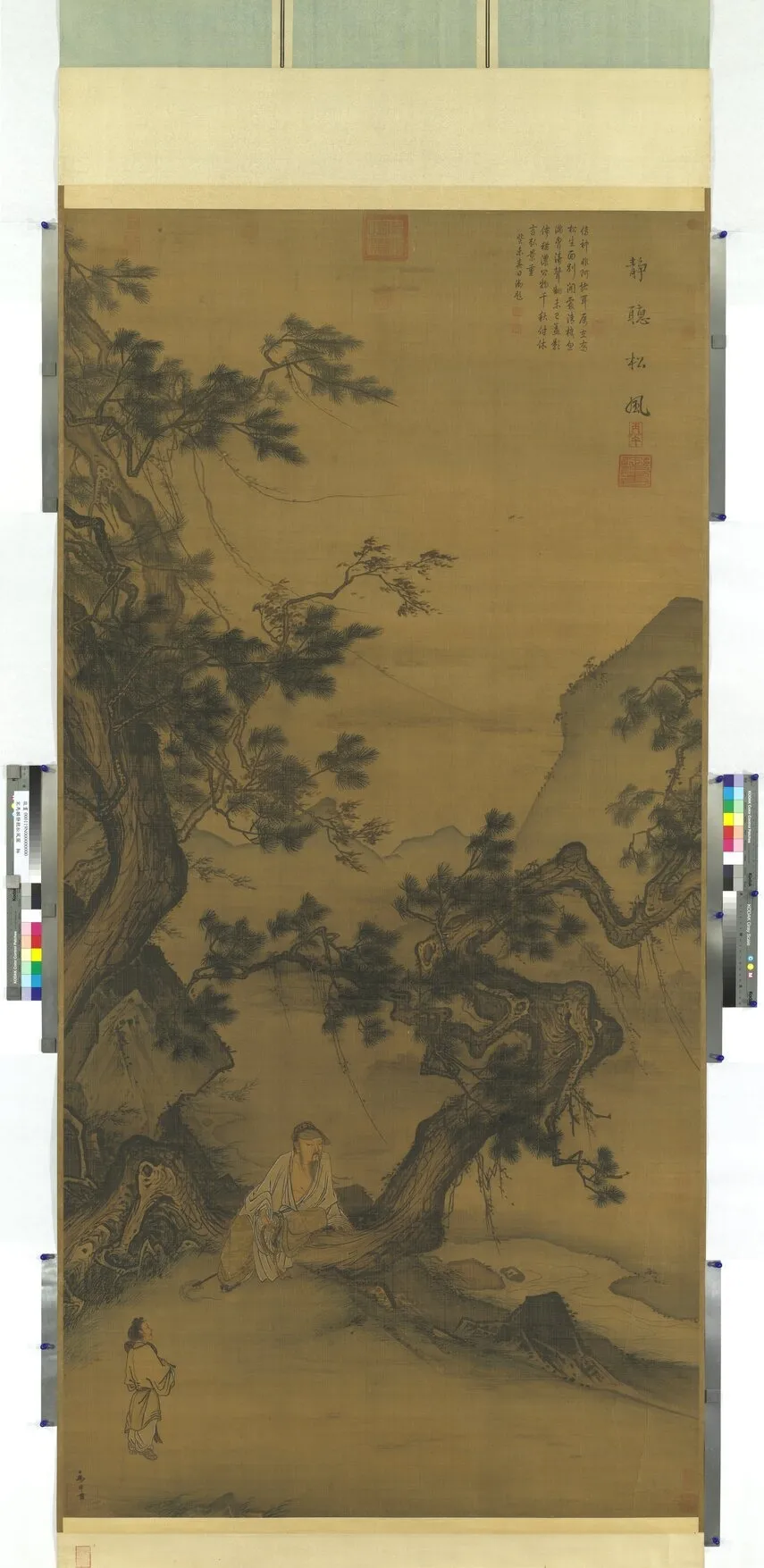
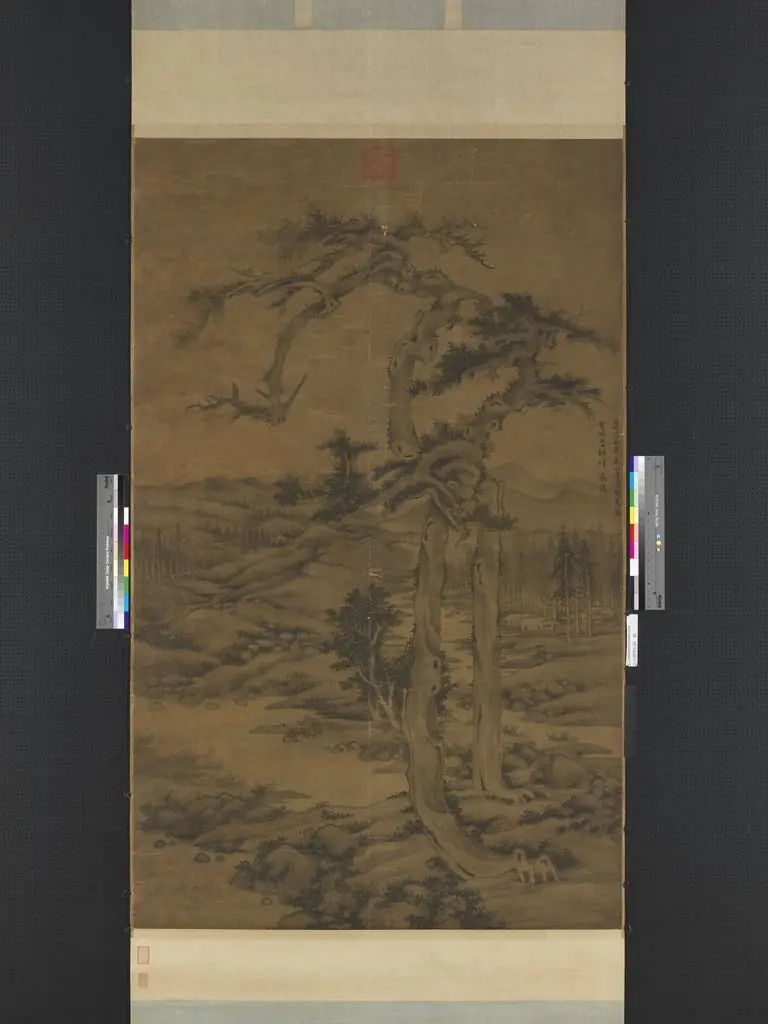
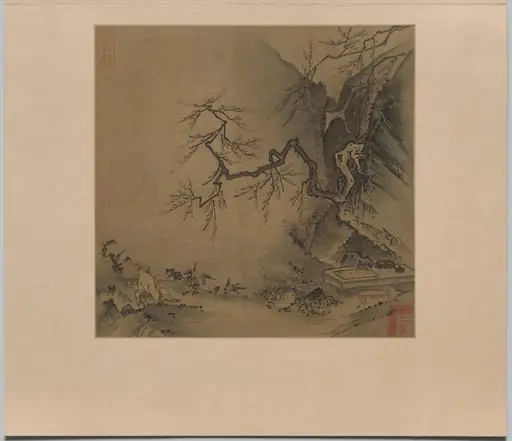
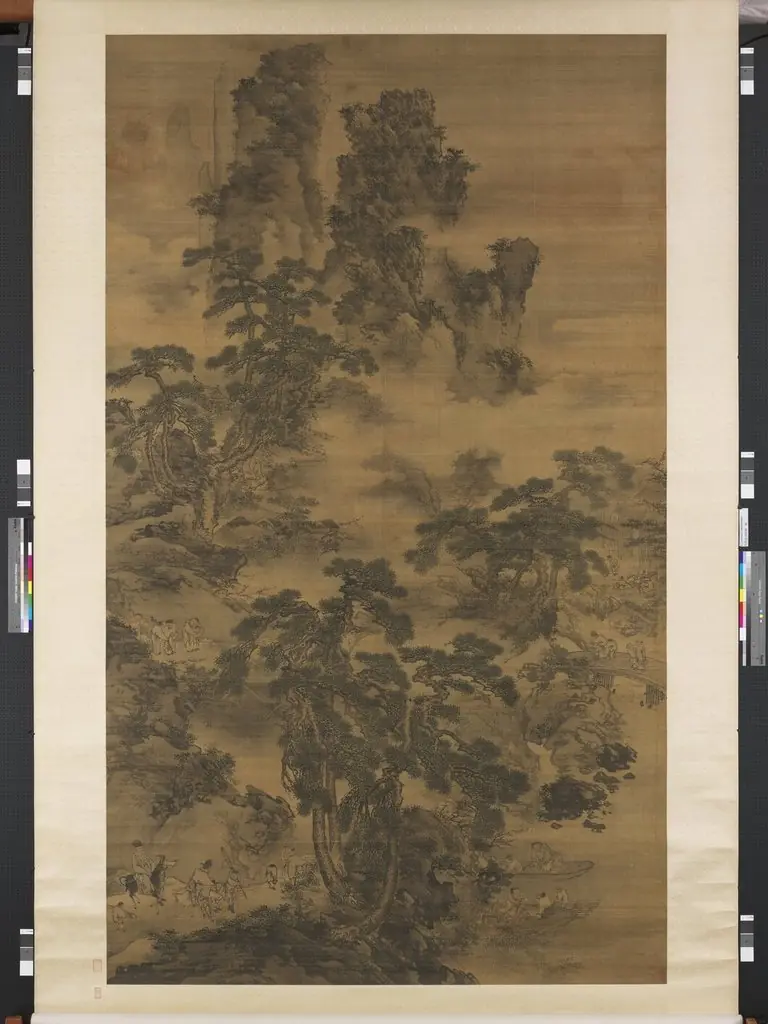
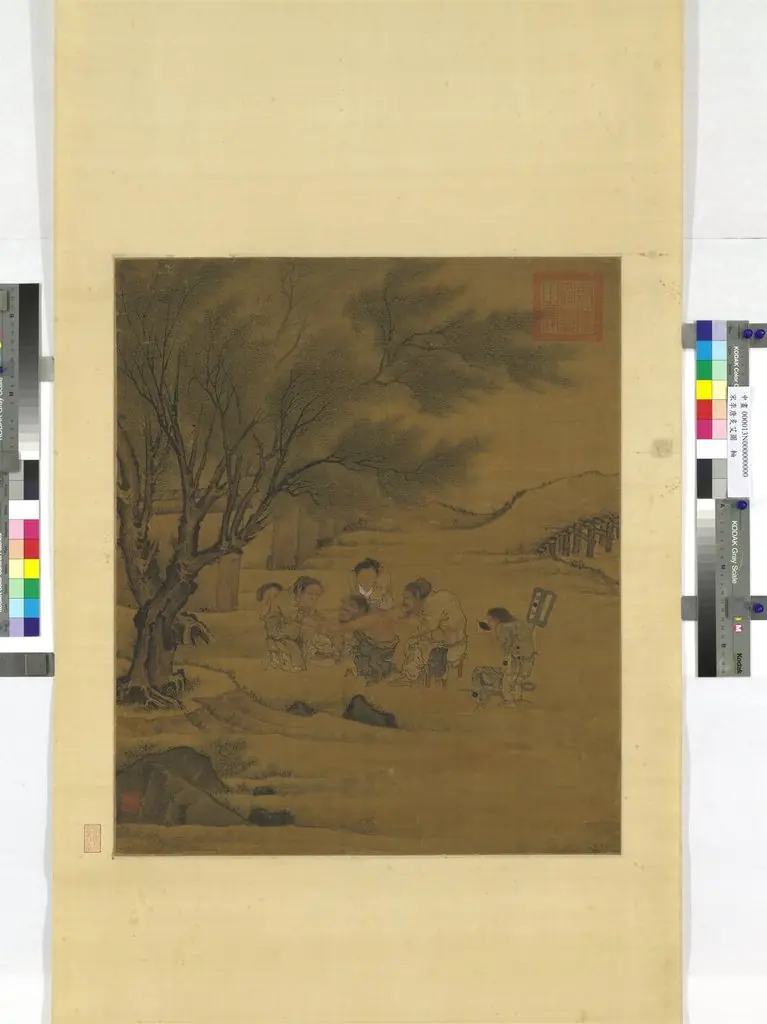
宋馬麟靜聽松風圖 軸 is an unspecified painting by Ma Lin. It dates from 1200 and is held in the collection of the National Palace Museum.
About this work
Overview
Created around 1200 during the Southern Song dynasty, this silk hanging scroll is attributed to Ma Lin, a court painter active in the early 13th century.
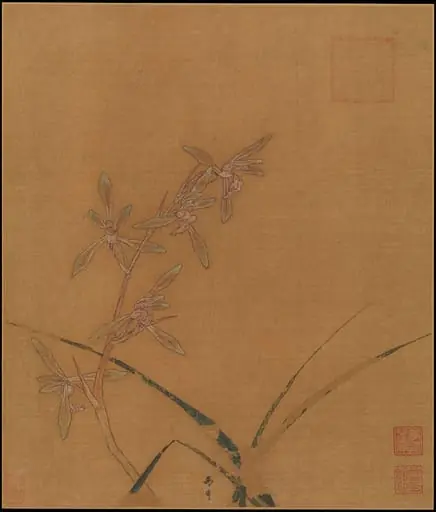
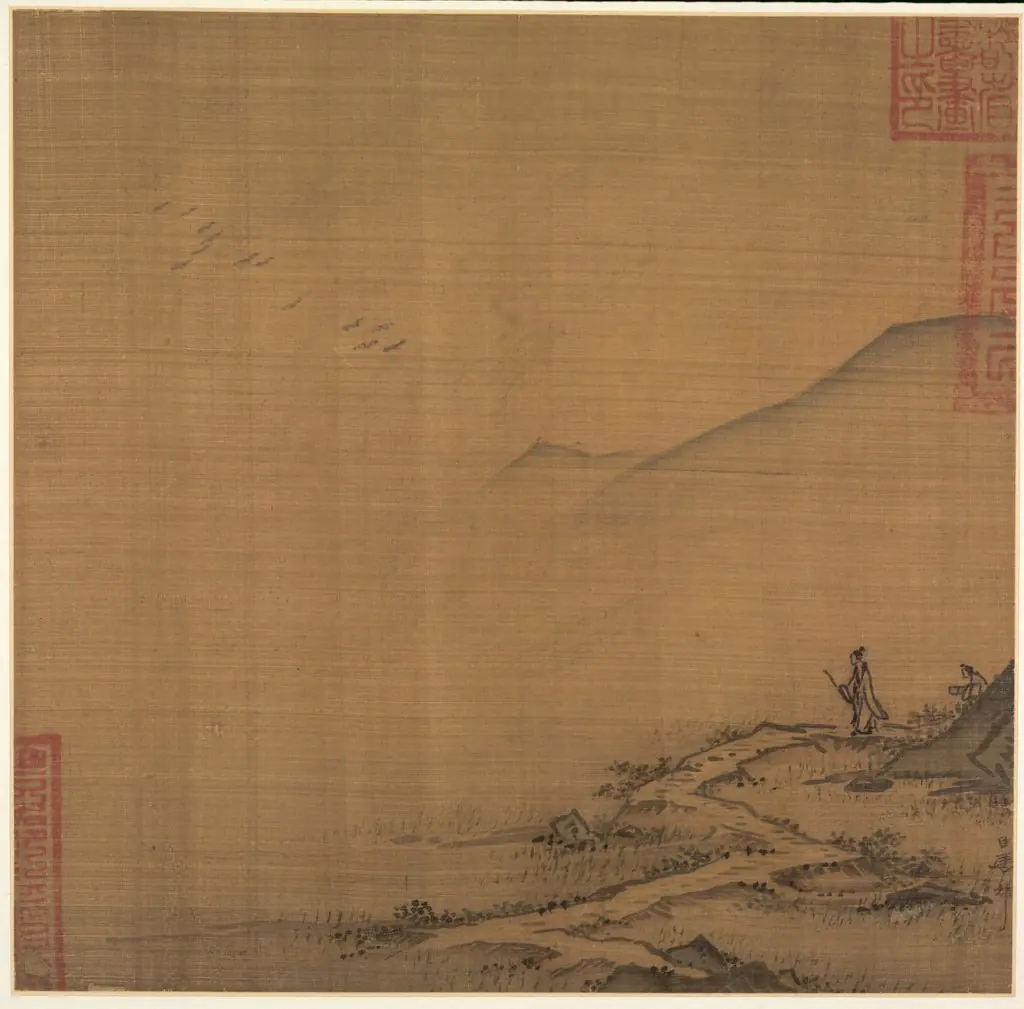
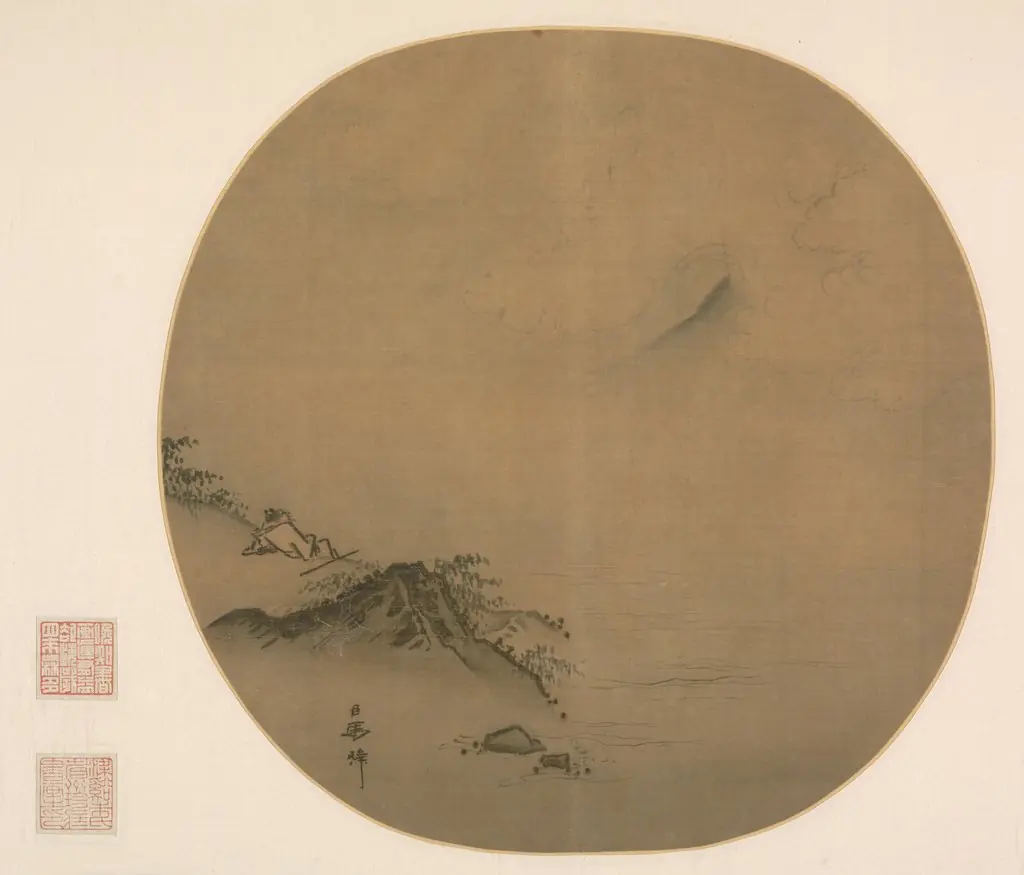
Created around 1200 during the Southern Song dynasty, this silk hanging scroll is attributed to Ma Lin, a court painter active in the early 13th century. Executed in ink and light color on silk, the work exemplifies the refined aesthetic of imperial painting at the time. Its vertical format invites slow, contemplative viewing, characteristic of scholarly landscape traditions. The composition balances natural elements with human presence to evoke stillness.
Subject & Meaning
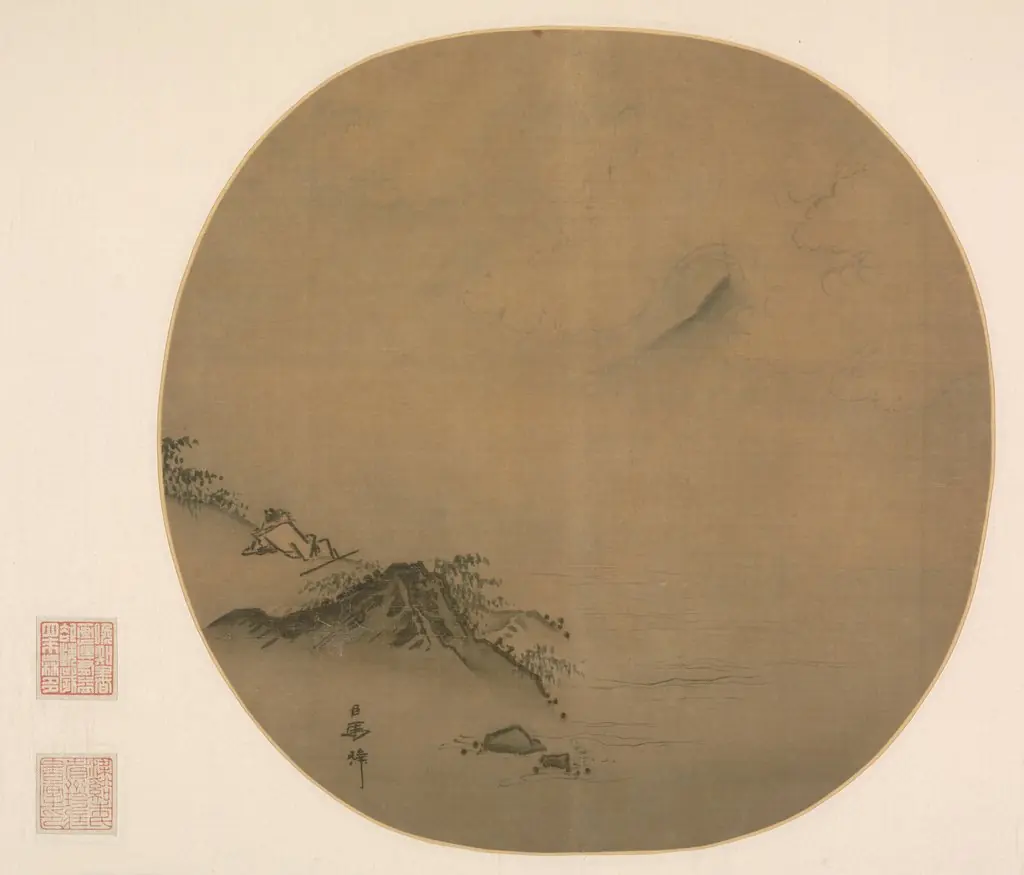
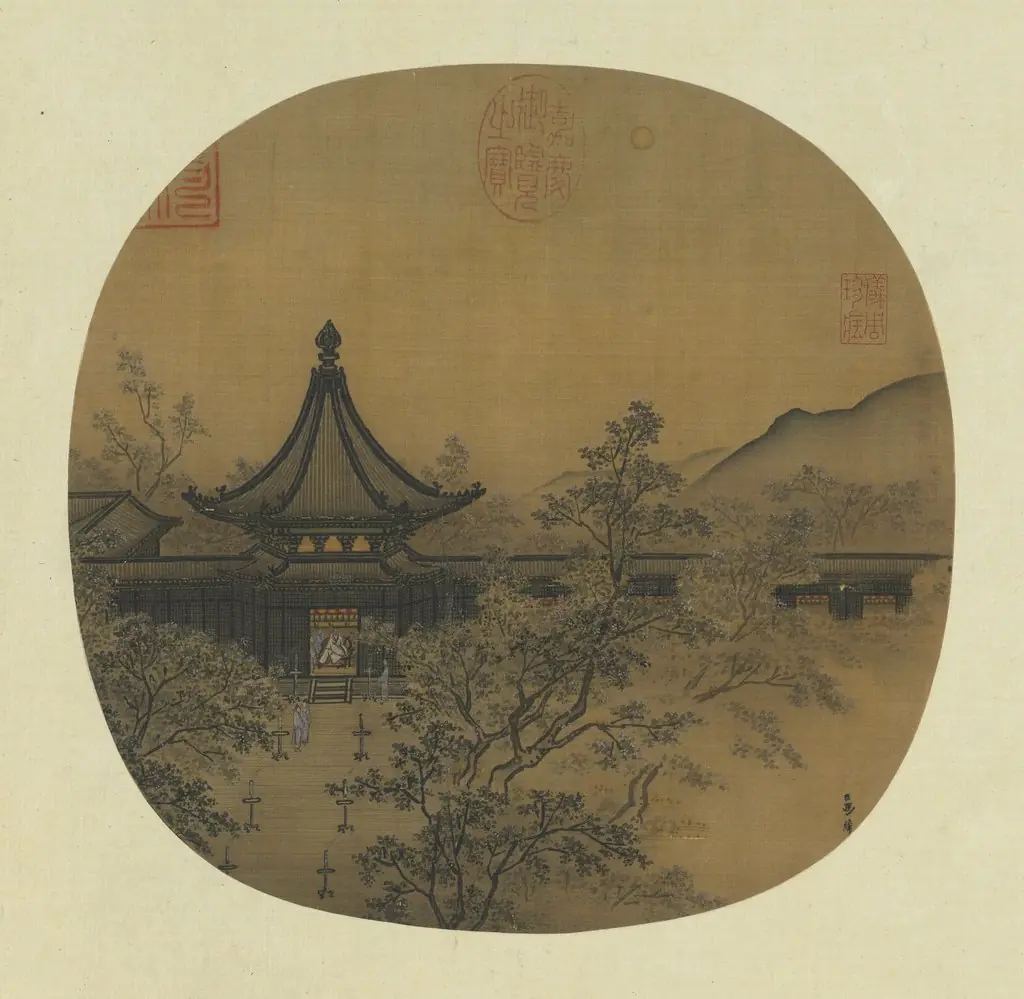
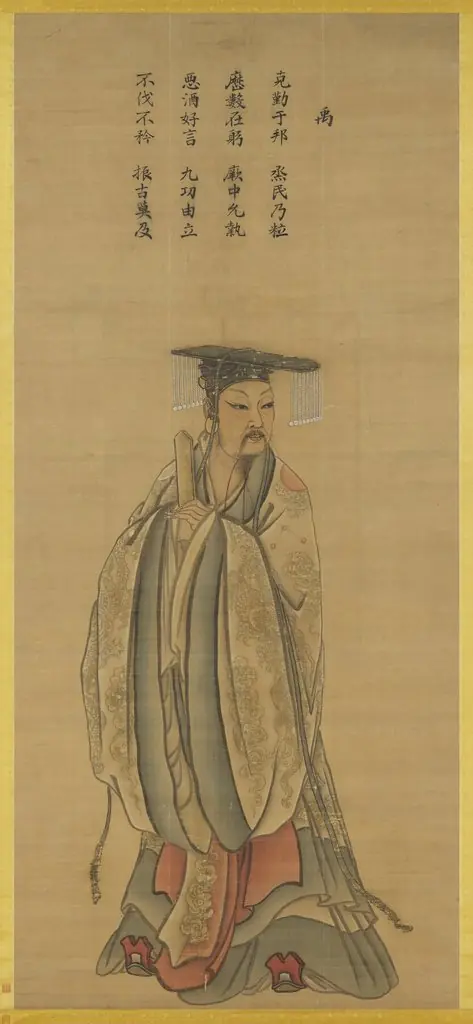
A lone figure, dressed in loose robes, sits quietly among pine trees, his posture suggesting introspection rather than action. The scene does not narrate a story but instead invites the viewer to share in a moment of solitude. Pines, long associated with endurance and quiet virtue in Chinese culture, frame the figure as a symbol of harmonious coexistence with nature. The absence of movement or drama emphasizes inner calm over external event.
Technique & Style
Ma Lin employed fine brushwork to render pine needles and rocky forms with subtle variation in ink tone, while soft washes suggest distant mountains. Silk’s smooth surface allowed for delicate layering, enhancing the atmospheric depth. Colors are restrained—ochres, greens, and grays—used sparingly to preserve the meditative mood. The composition follows the 'one-corner' style inherited from his father, Ma Yuan, directing focus to a quiet foreground amid vast, implied space.
History & Provenance
The painting originated in the Southern Song imperial atelier, where Ma Lin served as a court artist. It likely remained within palace collections until the Yuan dynasty, though its early ownership records are incomplete. Later, it entered private and imperial collections in China, eventually being preserved in a major museum. Its survival on silk, a fragile medium, reflects careful handling and cultural value placed on scholarly painting traditions.
Context
During the Southern Song, court painters increasingly favored intimate landscapes over grand vistas, reflecting a cultural shift toward introspection after political retreat to the south. The genre of 'scholar in nature' became a visual metaphor for moral integrity and withdrawal from worldly affairs. Ma Lin’s work aligns with this trend, echoing Daoist and Confucian ideals that valued quietude and harmony with the natural world.
Legacy
Ma Lin’s paintings, including this one, helped sustain the Ma family’s artistic legacy into the 13th century. His restrained style influenced later generations of literati painters who valued suggestion over detail. While less celebrated than his father, Ma Lin’s works remain key examples of Song court aesthetics, illustrating how personal contemplation was rendered through landscape. The painting continues to be studied for its balance of technical precision and emotional restraint.
Artist & collection

Artist
Ma Lin (simplified Chinese: 马麟; traditional Chinese: 馬麟; pinyin: Mǎ Lín; Wade–Giles: Ma Lin) (c.