Artwork
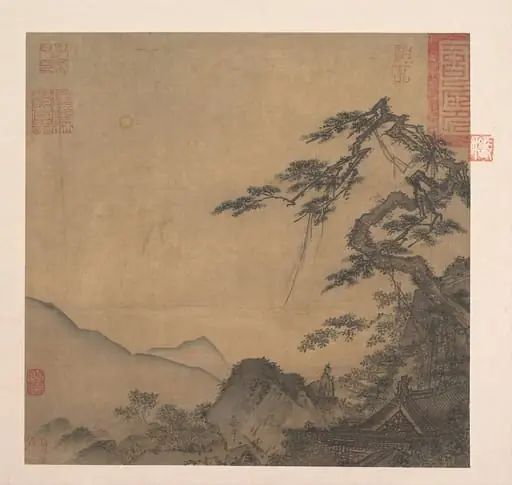
Listening Quietly to Soughing Pines
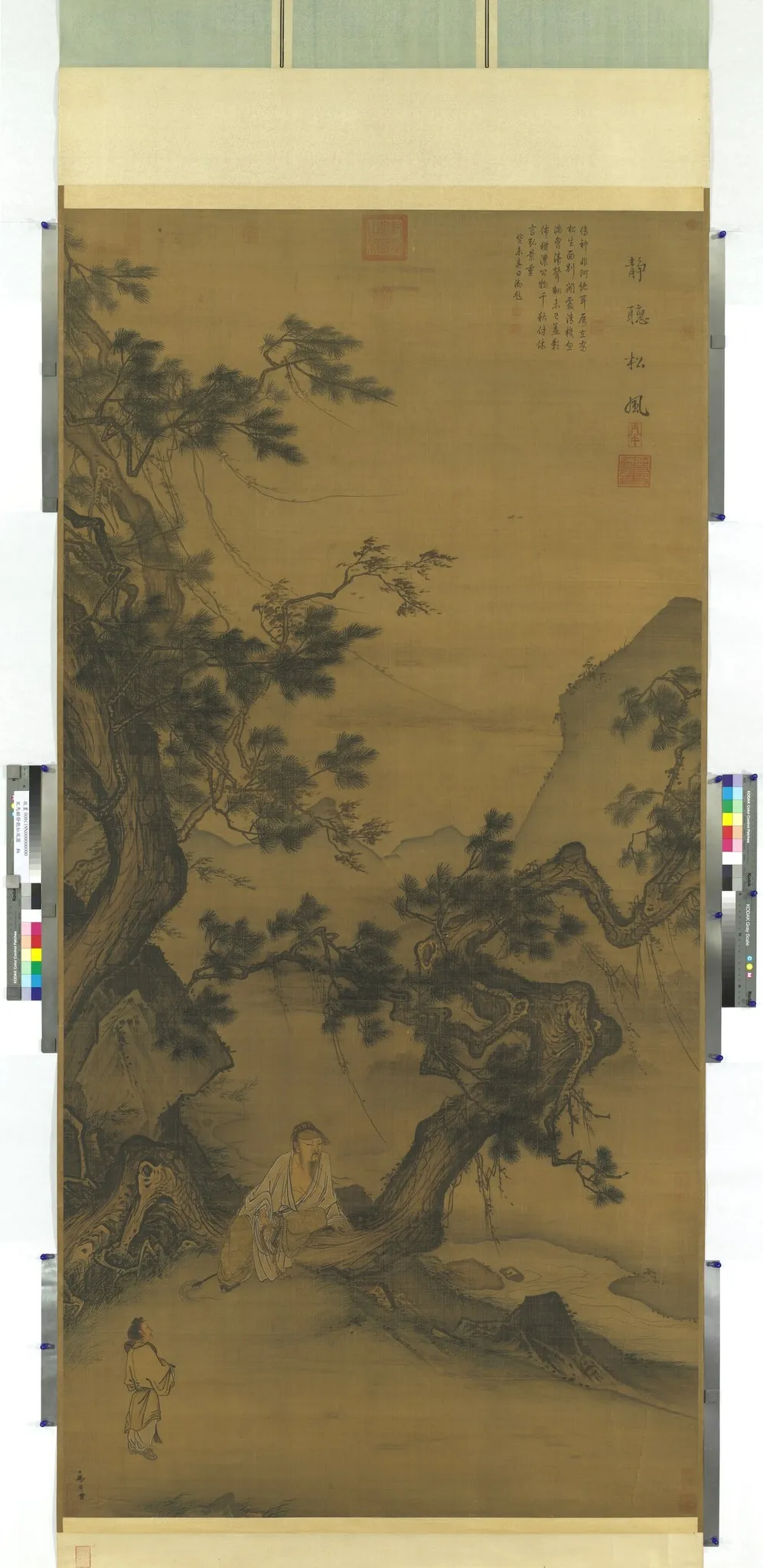
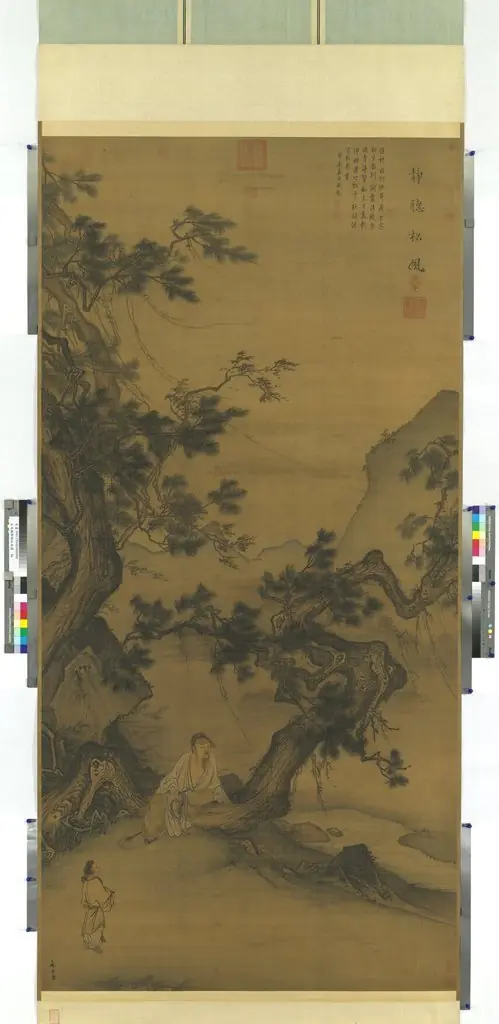
Listening Quietly to Soughing Pines is an unspecified painting by Ma Lin. It dates from 1228 and is held in the collection of the National Palace Museum.
About this work
Overview
The painting is now held in the National Palace Museum in Taipei.
Created around 1228 by Ma Lin, a painter of the Southern Song imperial court, this work belongs to a tradition of scholarly landscape painting that valued introspection and quiet engagement with nature. Executed in ink and light color on silk, it reflects the aesthetic priorities of the Imperial Painting Academy, where Ma Lin continued the stylistic legacy of his father, Ma Yuan. The painting is now held in the National Palace Museum in Taipei.
Subject & Meaning
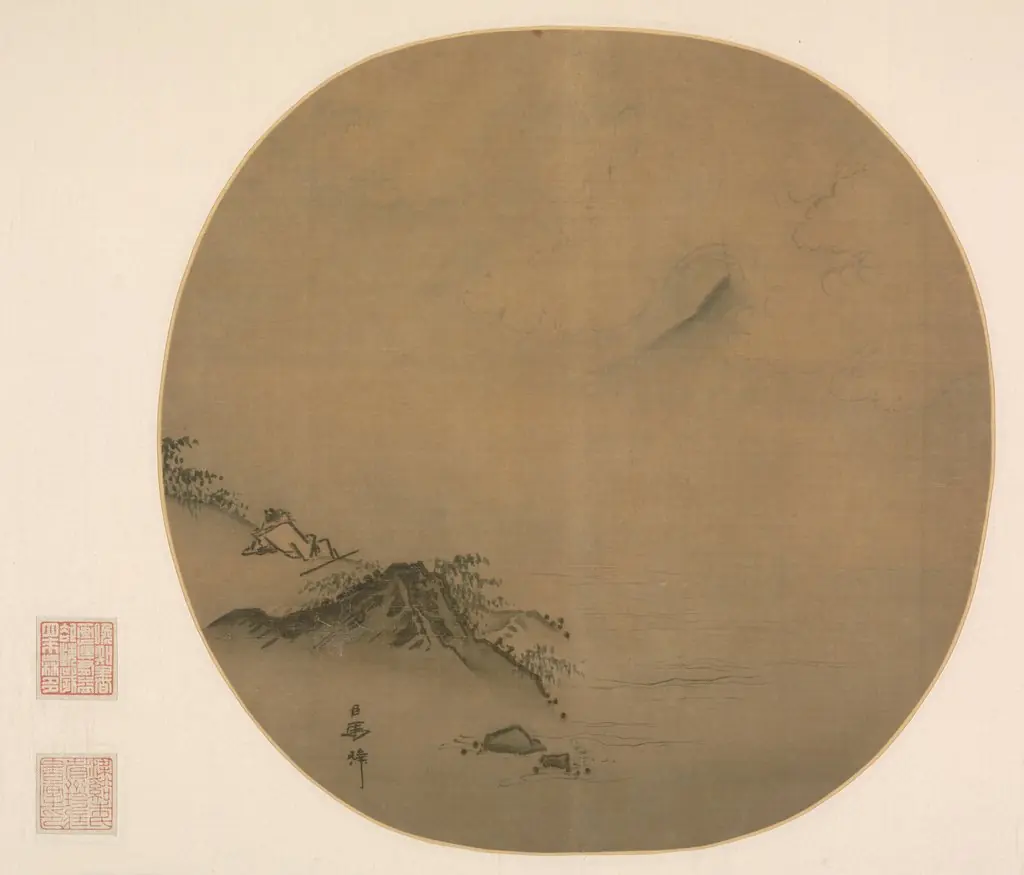
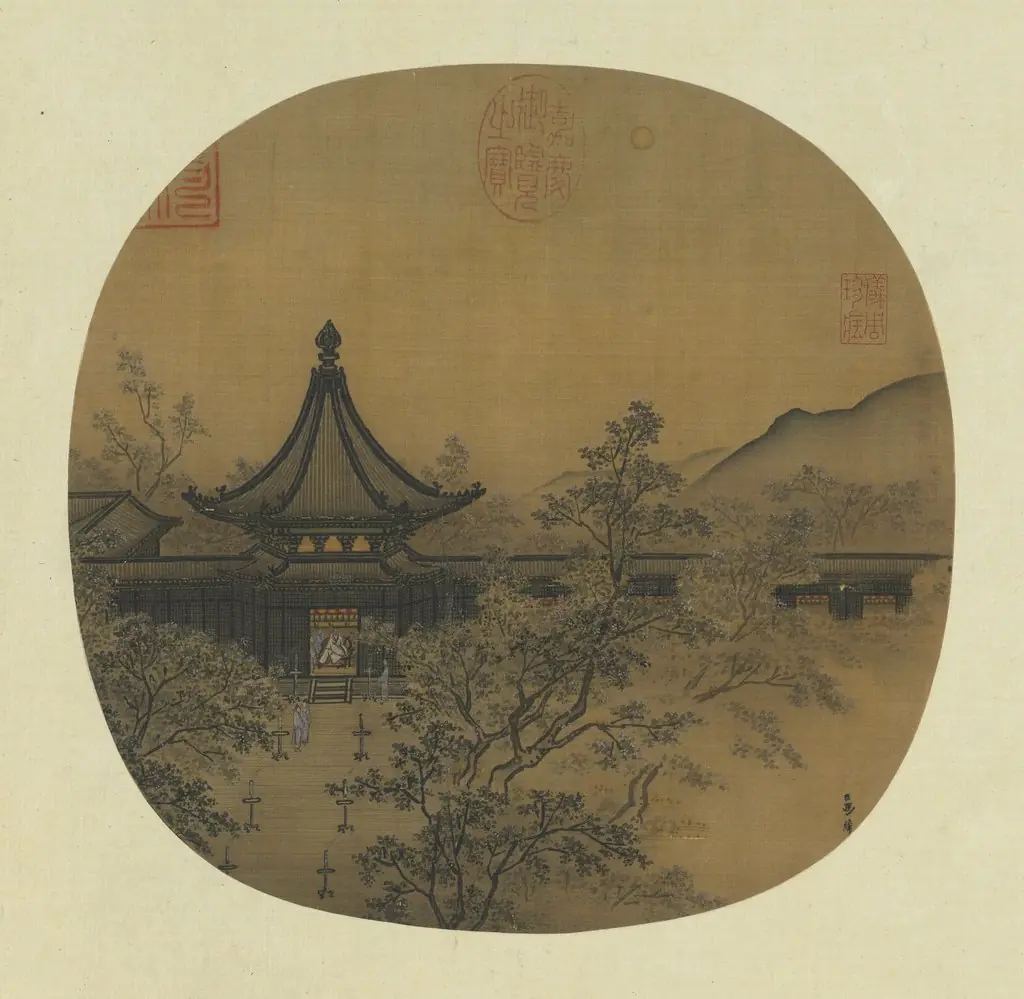
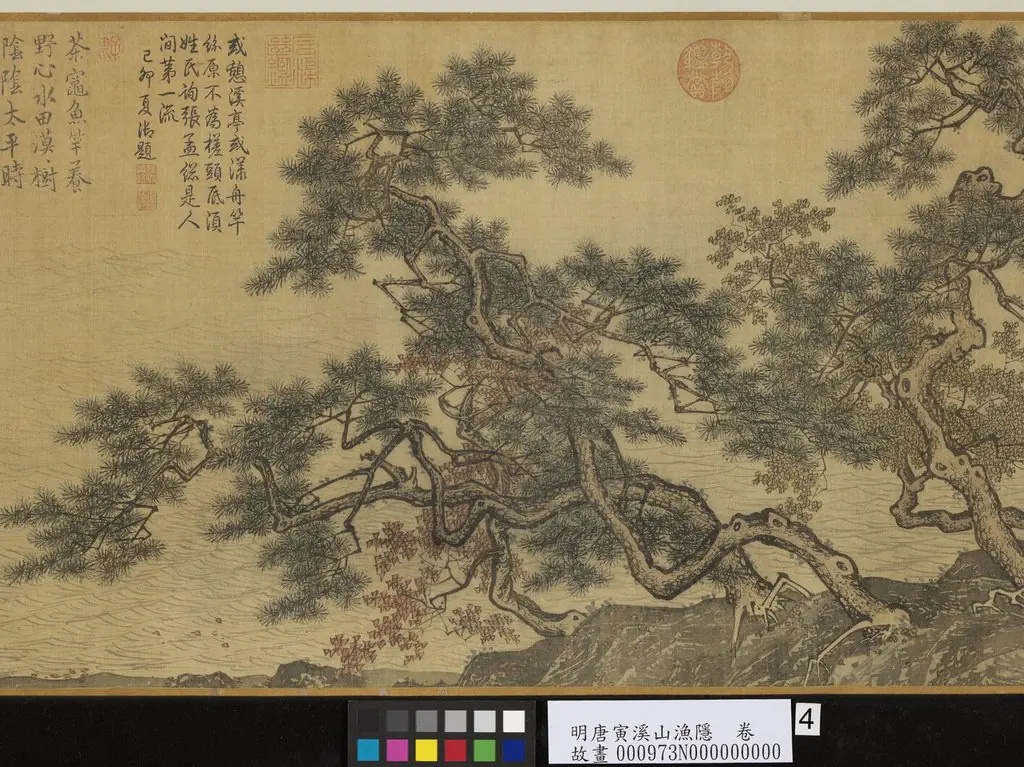
A lone figure sits beneath a sprawling pine, absorbed in stillness, while a distant attendant approaches along a path. The scene evokes a moment of solitary reflection, where the rustling of wind through pine needles becomes an auditory metaphor for inner calm. The composition invites the viewer to share in the figure’s meditative state, aligning with Daoist and Chan Buddhist ideals of harmony between human presence and the natural world.
Technique & Style
Ma Lin employs delicate, controlled brushwork to suggest texture and depth without heavy detail. The pine’s branches curve gently toward the seated figure, framing him within the landscape. Muted ink washes and subtle tonal gradations create atmospheric space, while minimal color enhances the quiet mood. The technique avoids dramatic contrast, favoring soft transitions that mirror the subtlety of the scene’s emotional tone.
History & Provenance
The painting was produced during Ma Lin’s tenure at the Southern Song court in Hangzhou, where he served as an official artist. It remained within imperial collections after its creation, later entering the holdings of the National Palace Museum following the relocation of Chinese imperial artifacts in the 20th century. Its continuous preservation within elite collections underscores its recognized status among courtly artistic production.
Context
In early 13th-century China, court painters like Ma Lin were expected to convey philosophical ideals through landscape, not mere representation. The genre emphasized spiritual retreat and the moral resonance of nature, distinct from commercial or popular art. This work aligns with a broader trend in Southern Song painting that favored intimate, contemplative scenes over grand narratives, reflecting the cultural shift toward introspection after the loss of northern territories.
Legacy
Ma Lin’s approach influenced later generations of literati painters who valued restraint and suggestion over detail. While not widely copied in his time, his integration of poetic mood with landscape composition became a touchstone for Ming and Qing artists seeking to express inner stillness. The painting remains a reference point for understanding how Song court aesthetics shaped the evolution of Chinese ink painting.
Artist & collection

Artist
Ma Lin (simplified Chinese: 马麟; traditional Chinese: 馬麟; pinyin: Mǎ Lín; Wade–Giles: Ma Lin) (c.