Artwork
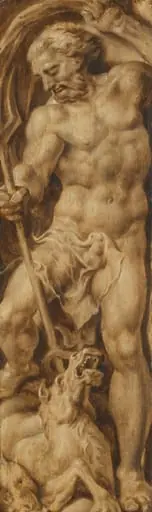
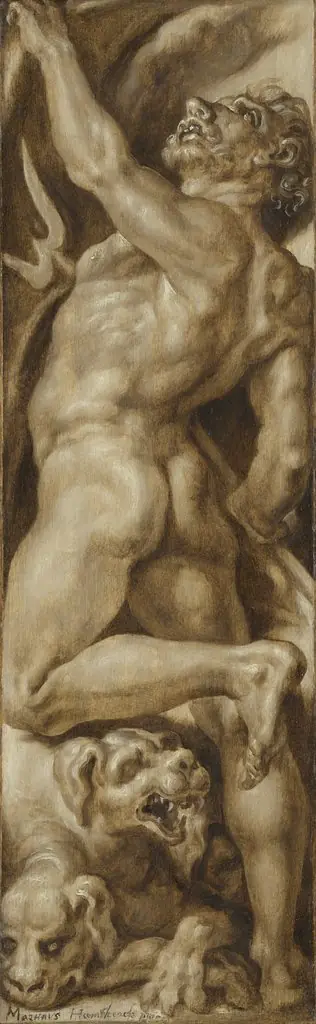
Hercules destroying the centaur Nessus
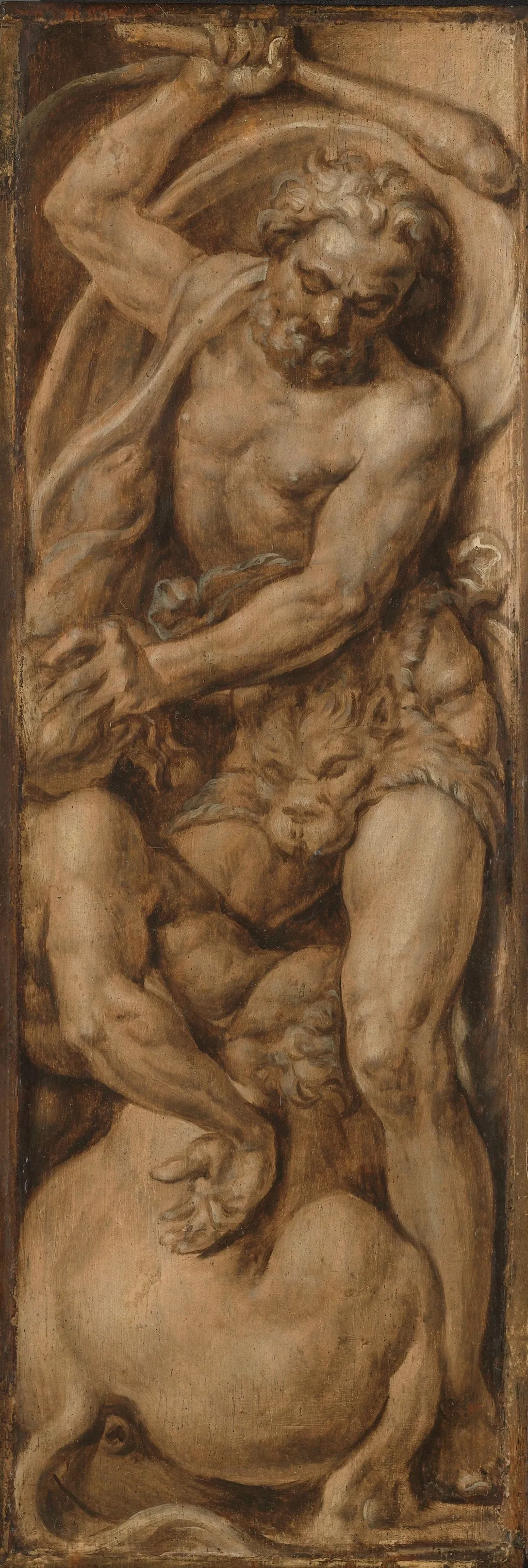
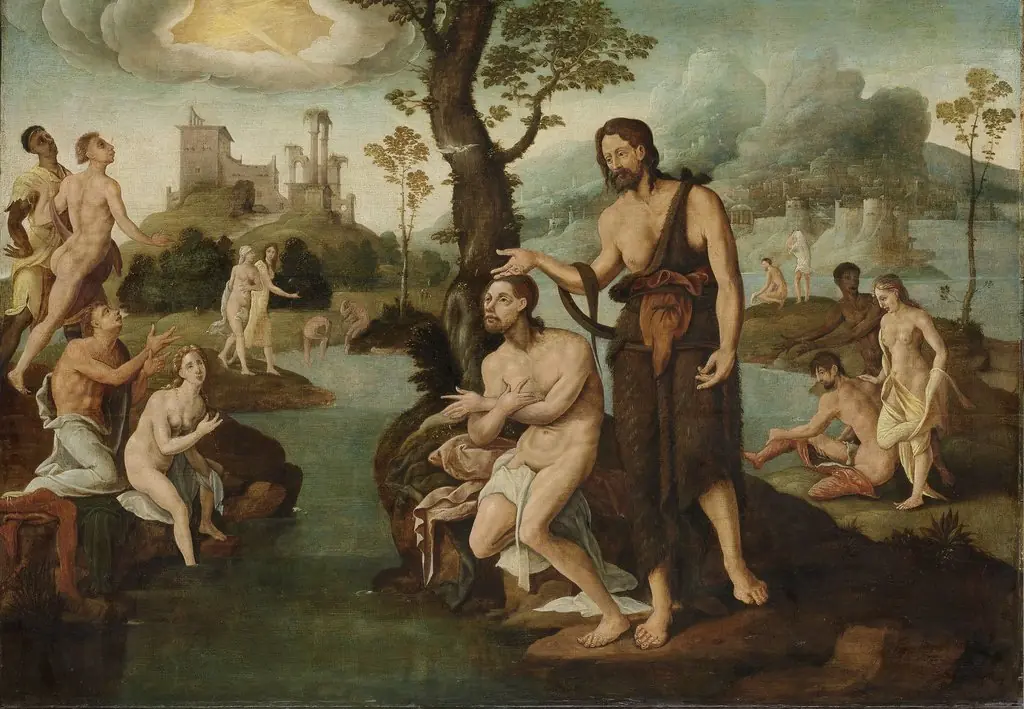
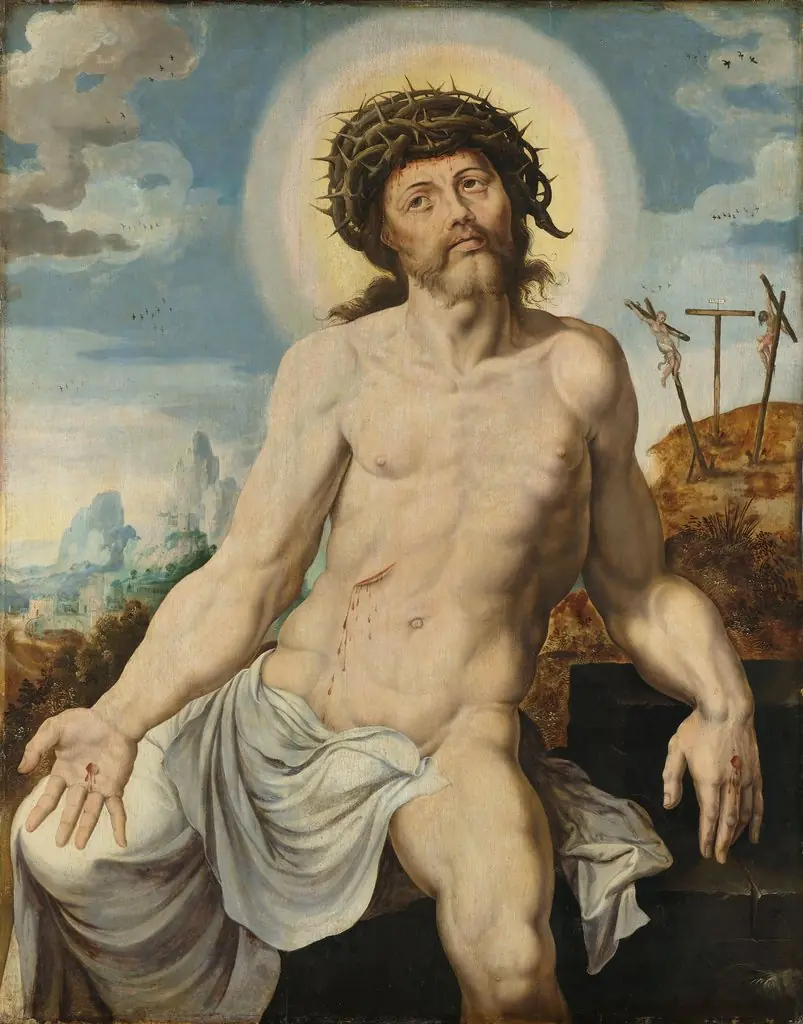
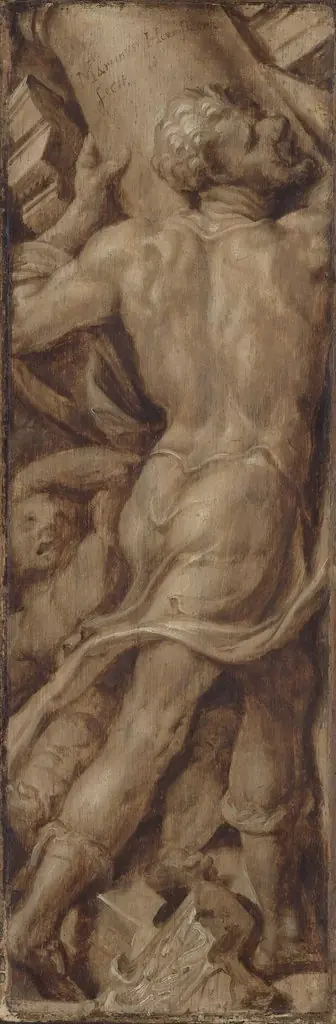
Hercules destroying the centaur Nessus is an oil painting by the Mannerist artist Maarten van Heemskerck. It dates from 1550 and is held in the collection of the Rijksmuseum.
About this work
Overview
Maarten van Heemskerck, a mid‑sixteenth‑century Dutch painter from Haarlem, executed the oil painting *Hercules destroying the centaur Nessus* around 1550. The work belongs to the Mannerist period and is currently part of the Rijksmuseum’s collection.
Subject & Meaning
The composition illustrates the myth in which the hero Hercules confronts the centaur Nessus, who has tried to seize Hercules’ wife Deianira. Hercules is shown overpowering the creature, emphasizing the triumph of heroic strength over barbaric violence.
Technique & Style
Heemskerck employs a dramatic chiaroscuro, casting deep shadows that accentuate the muscular forms of both figures. Thick, impasto brushwork gives the bodies a tactile, sculptural quality, while the contrast of light and dark heightens the sense of physical struggle.
History & Provenance
After an apprenticeship with Jan van Scorel, Heemskerck spent four years in Italy (1532‑36), absorbing Renaissance influences that inform the painting’s composition. The canvas later entered the Rijksmuseum’s holdings, where it remains on display.
Context
The work reflects the Northern European fascination with classical mythology during the Reformation era, merging Italianate Mannerist aesthetics with a distinctly Dutch attention to detail and texture.
Artist & collection
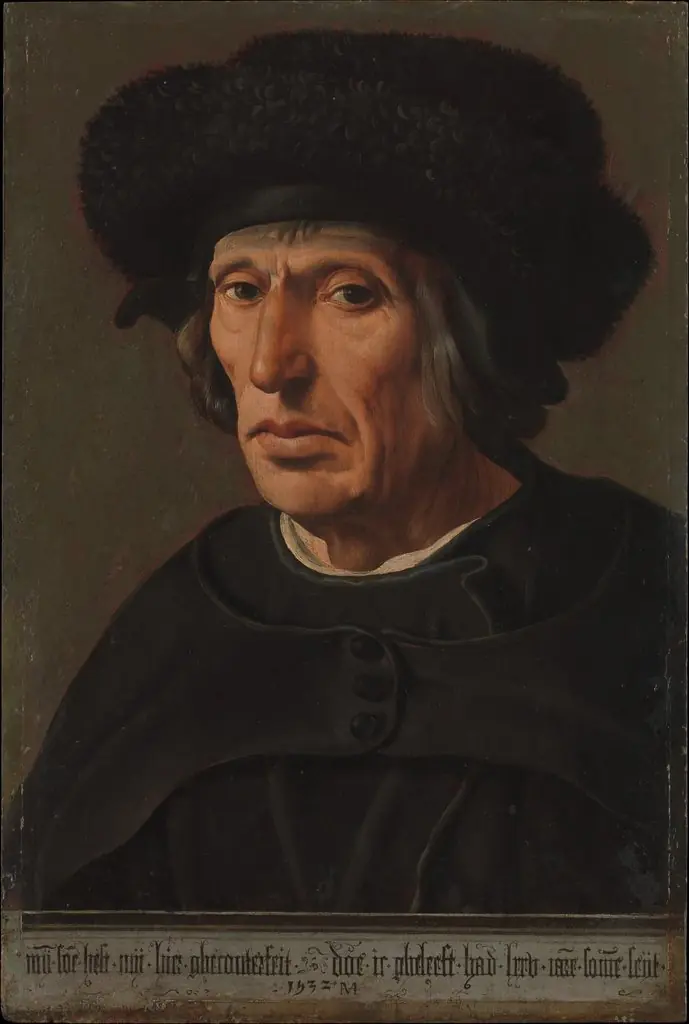
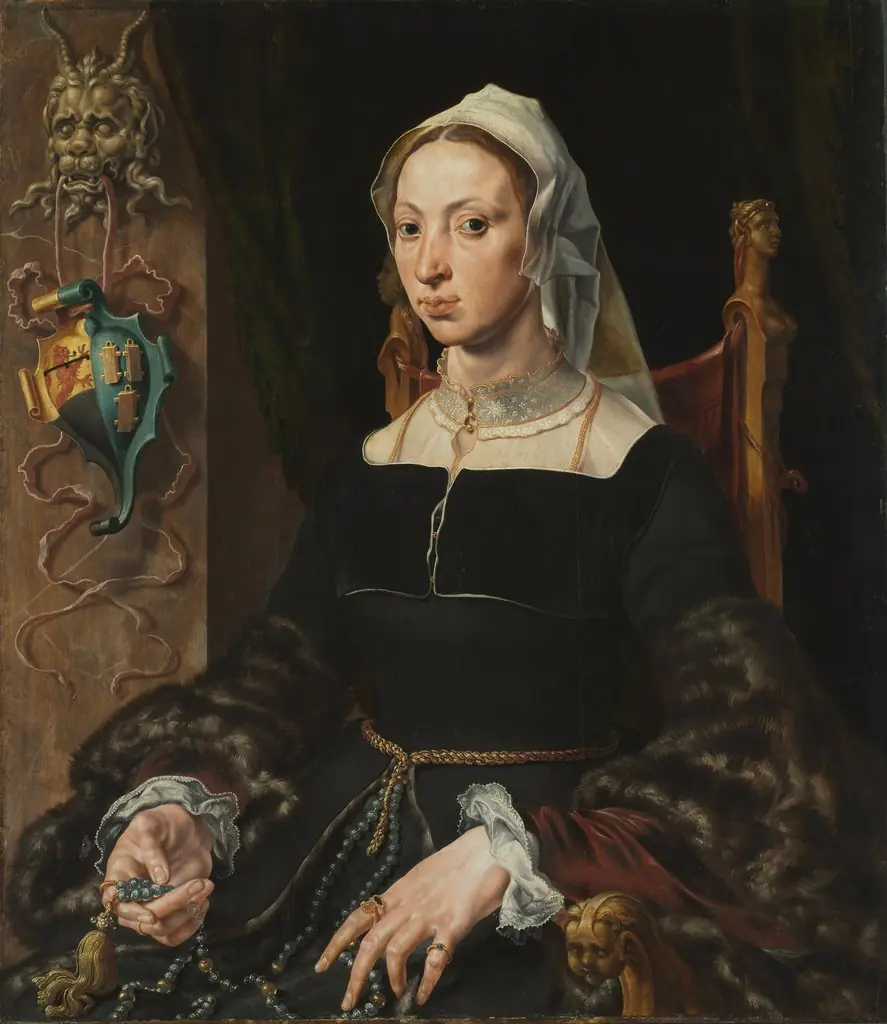
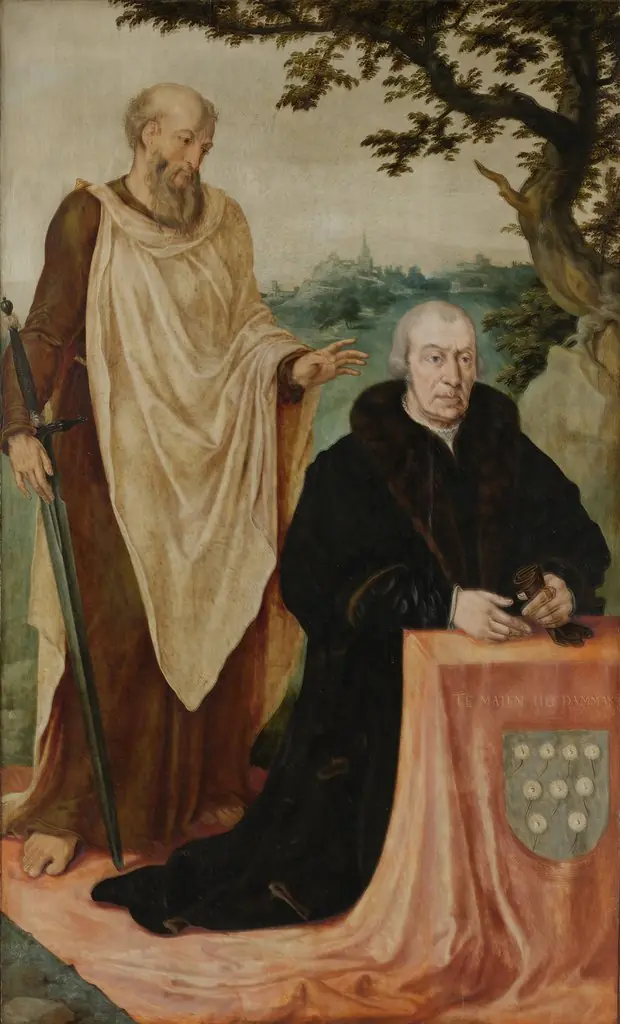
Artist
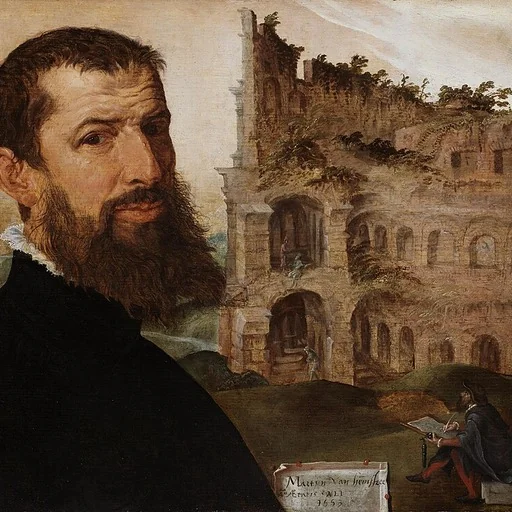
Maarten van Heemskerck (born Maerten Jacobsz van Veen; 1 June 1498 – 1 October 1574), also known as Marten Jacobsz Heemskerk van Veen, was a Dutch portrait and religious painter, who spent most of his career in Haarlem.