Artwork
Why should I sigh when you pass by
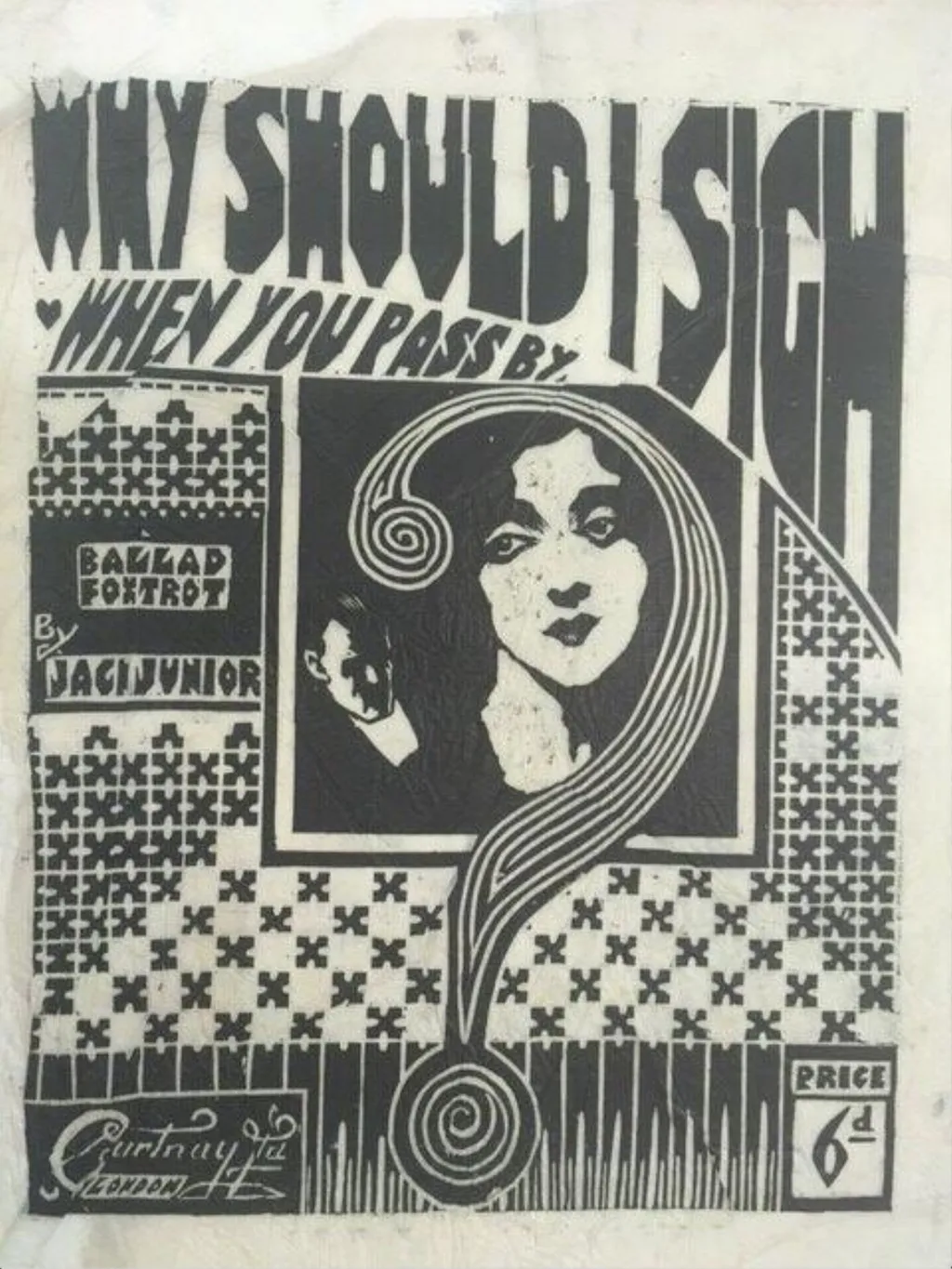
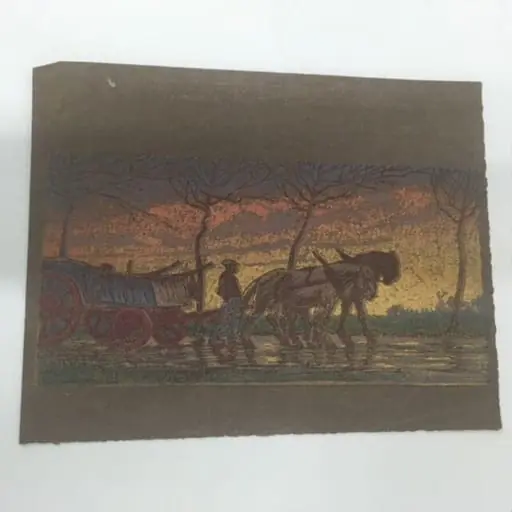
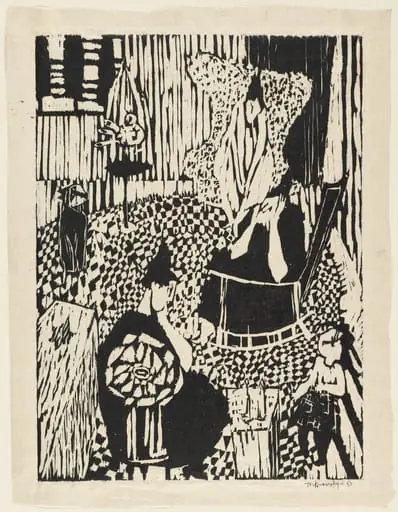
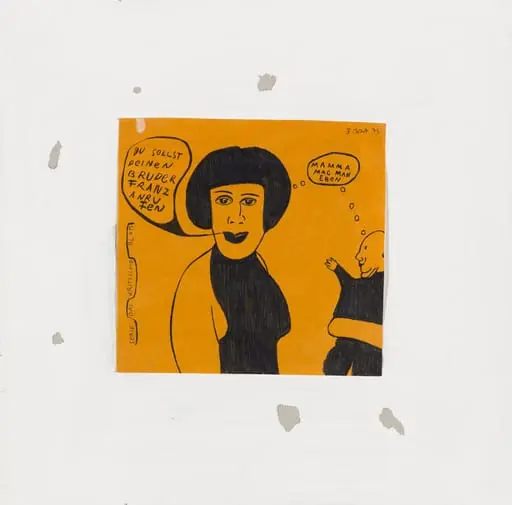
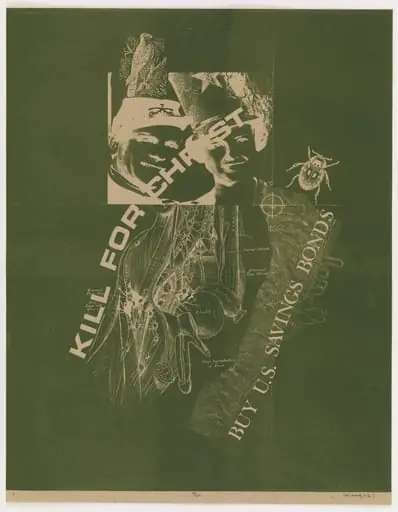
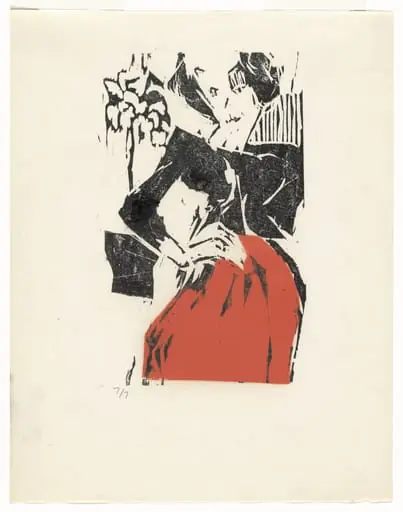
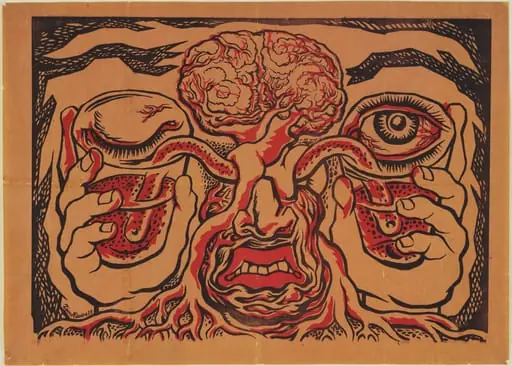
Why should I sigh when you pass by is a print by Haydn Mackey. It dates from 1935 and is held in the collection of the Victoria and Albert Museum.
About this work
This print is titled "Why should I sigh when you pass by". It's a work by Haydn Mackey from around 1935.
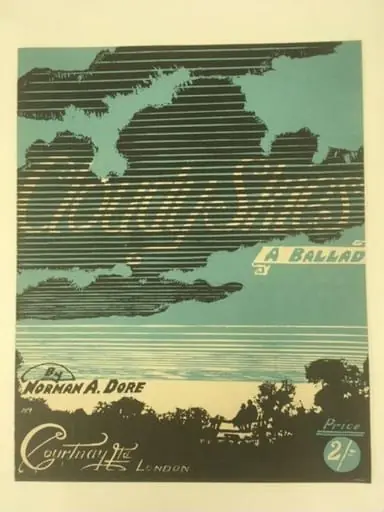
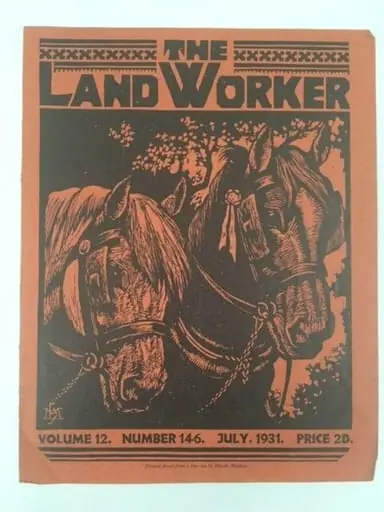
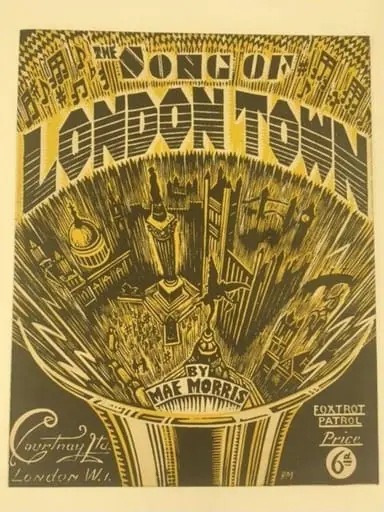
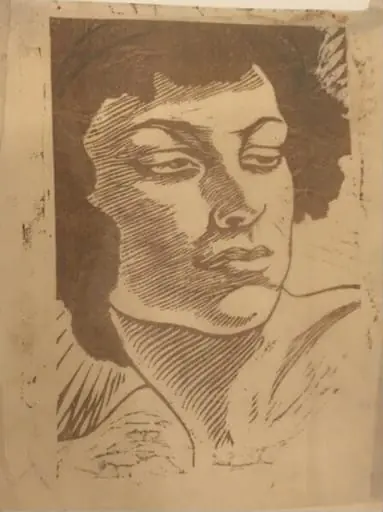
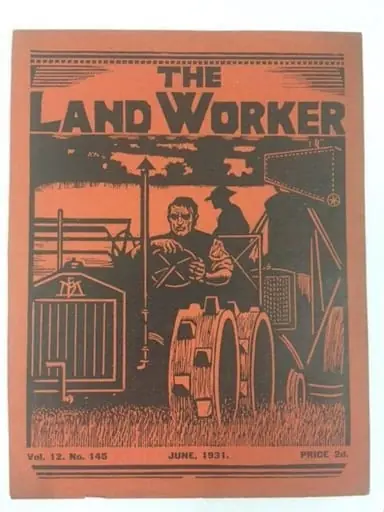
The print is part of a collection of proofs by the artist, showcasing his varied work. Mackey's prints are notable for their strong colors and unique technique.
To learn more about the artist's innovative methods, look up the artist: Mackey, Haydn.
Overview
Why should I sigh when you pass by is a print by Haydn Mackey, circa 1935, part of a collection of proofs highlighting the artist's diverse output in woodcuts and linocuts.
Subject & Meaning
The subject and meaning of 'Why should I sigh when you pass by' are not explicitly defined in available information, suggesting interpretation may focus on the emotional implication of its title.
Technique & Style
Mackey achieved the print's vibrant colors through a distinctive method: hand-colouring the reverse of transparent tracing paper with opaque oil paint, then mounting it on oatmeal paper with the painted side down.
History & Provenance
Created around 1935, this print remained part of Mackey's unpublished proofs, characteristic of his limited-scale publication practice despite his activity as a book illustrator and printmaker.
Context
Active from the early 20th century, Mackey's work, including this piece, reflects the era's exploration of colour printing techniques in linocuts and woodcuts, albeit with his unique twist.
Legacy
Mackey's innovative hand-colouring technique contributes to his legacy as an experimental printmaker, though the specific impact of 'Why should I sigh when you pass by' on his broader oeuvre is not detailed in provided sources.
Artist & collection
Artist
Haydn Mackey made prints in the first half of the 20th century, mixing everyday scenes with bold lettering.