Artwork
Untitled
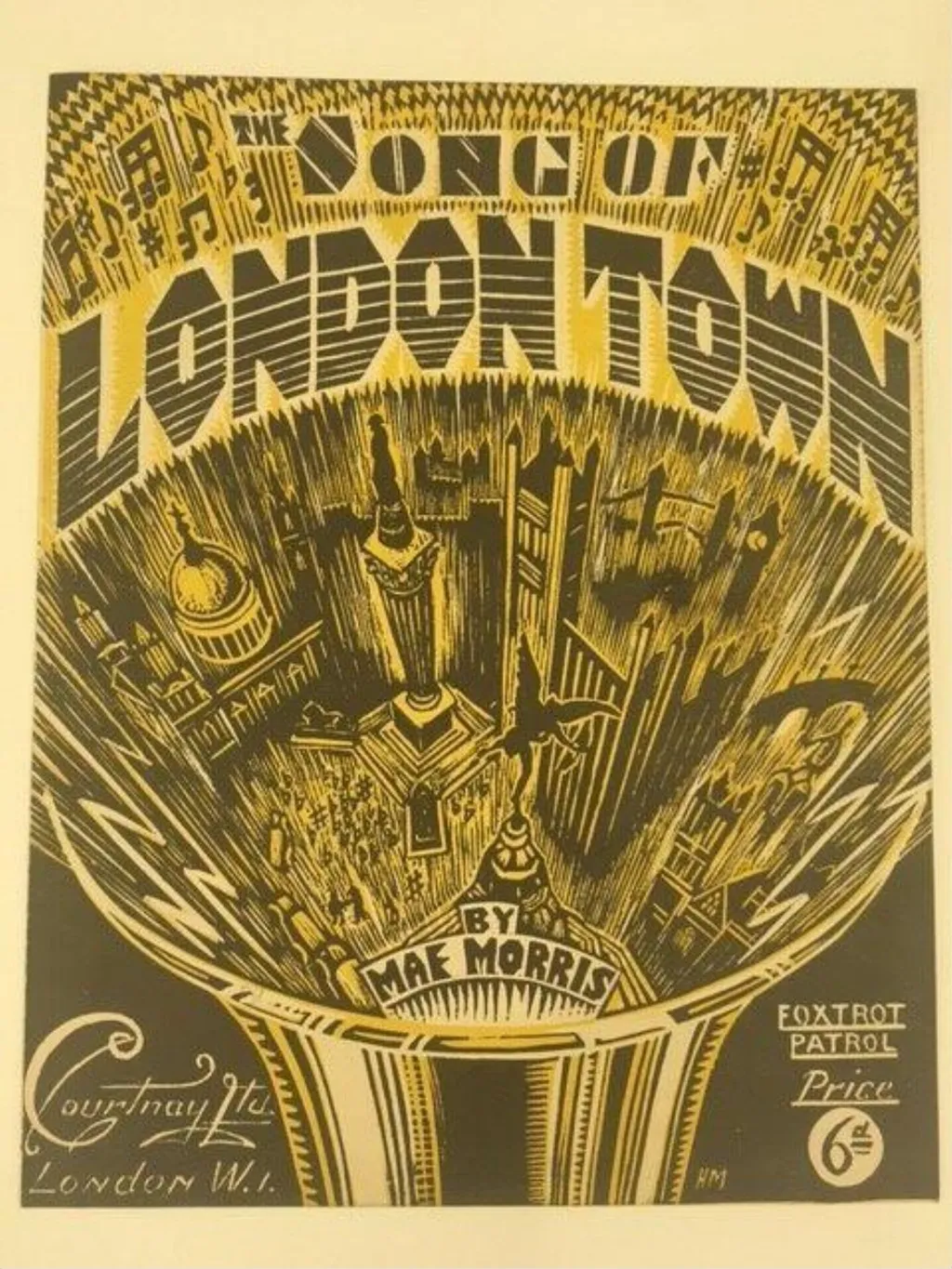
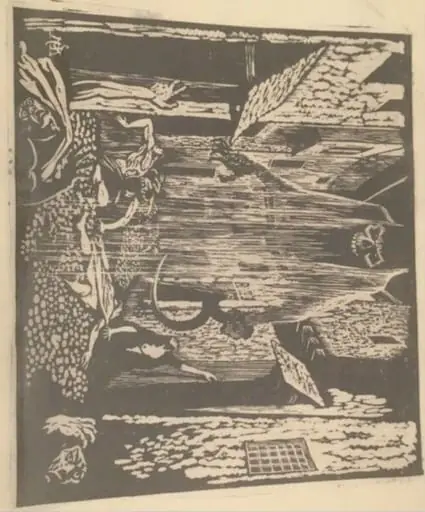
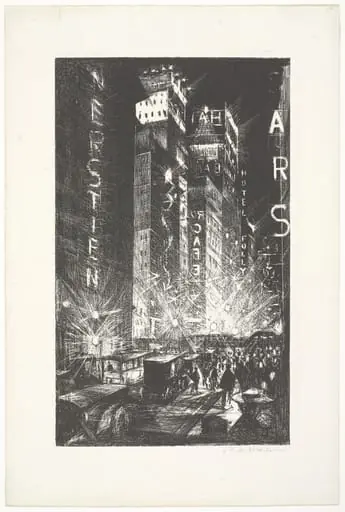
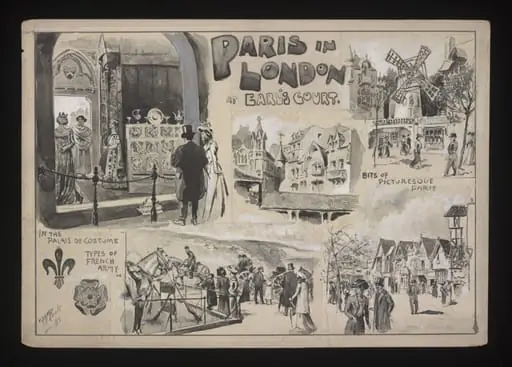
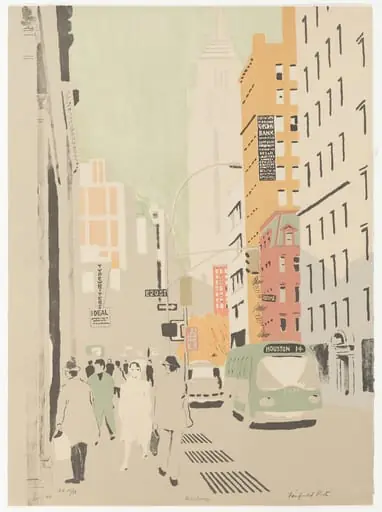
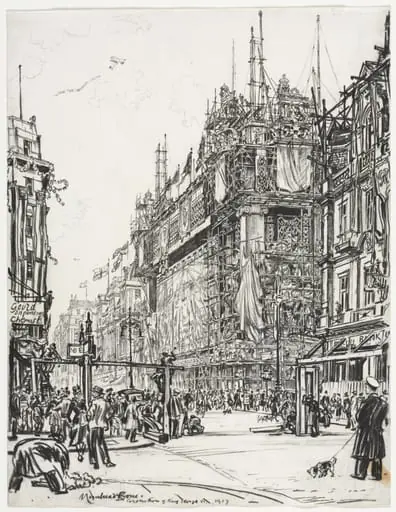
Untitled is a print by Haydn Mackey. It dates from 1935 and is held in the collection of the Victoria and Albert Museum.
About this work
Overview
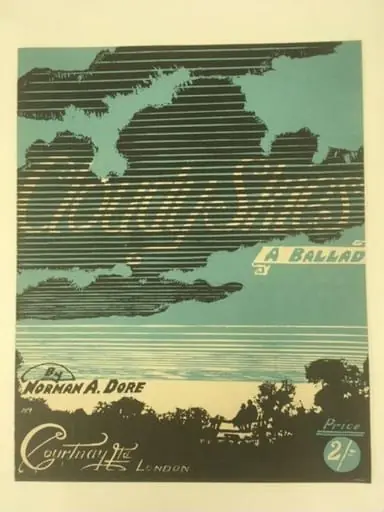
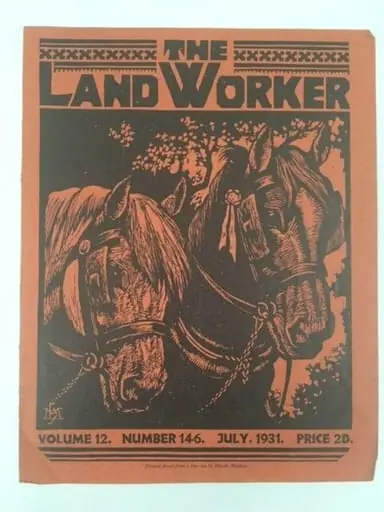
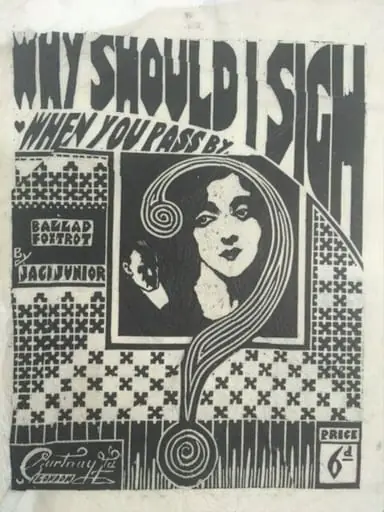
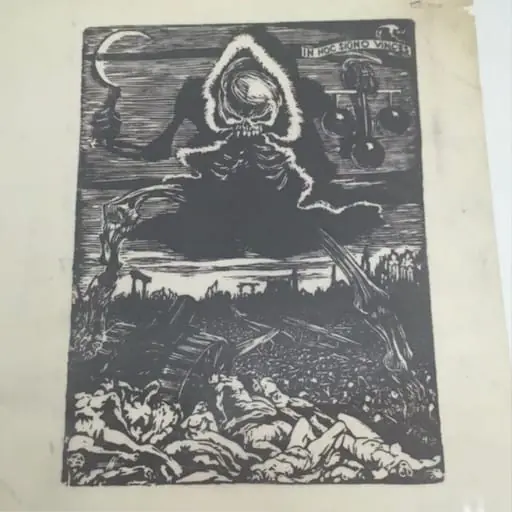
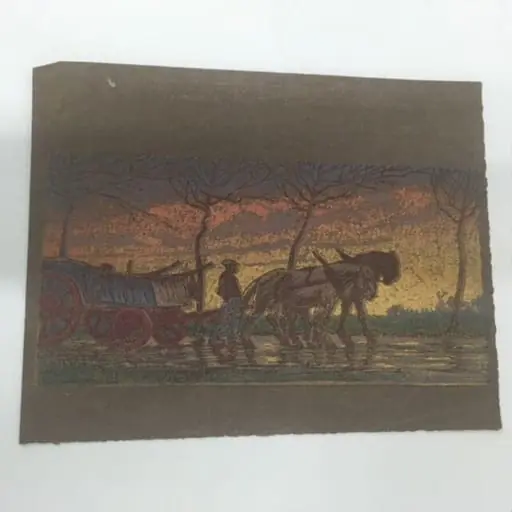
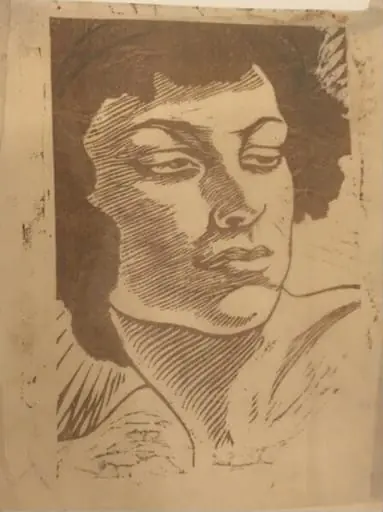
This print is one of several experimental proofs created by Haydn Mackey in the 1930s, combining linocut printing with an unconventional hand-coloring method.
This print is one of several experimental proofs created by Haydn Mackey in the 1930s, combining linocut printing with an unconventional hand-coloring method. Unlike mass-produced posters or illustrations, these works were made as individual studies, each bearing the unique mark of the artist’s manual intervention. The technique prioritized visual impact over reproducibility, resulting in a small, intimate body of work.
Subject & Meaning
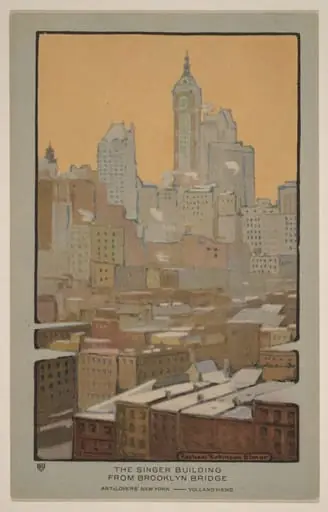
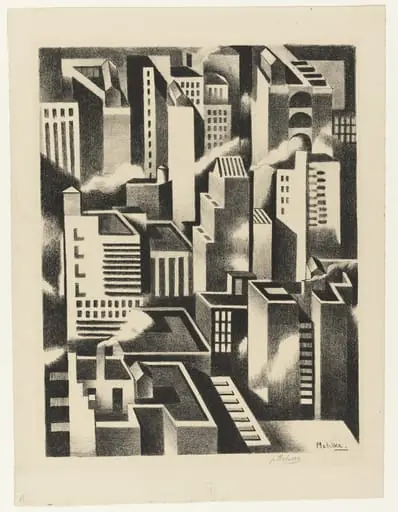
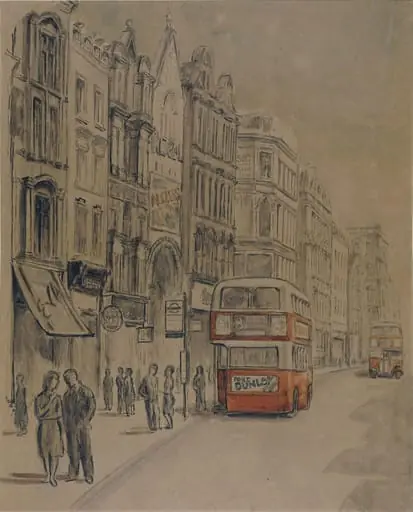
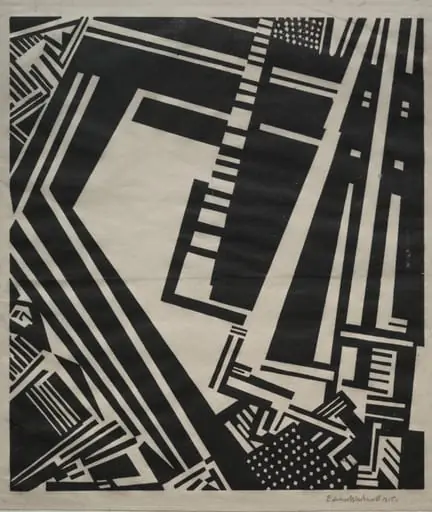
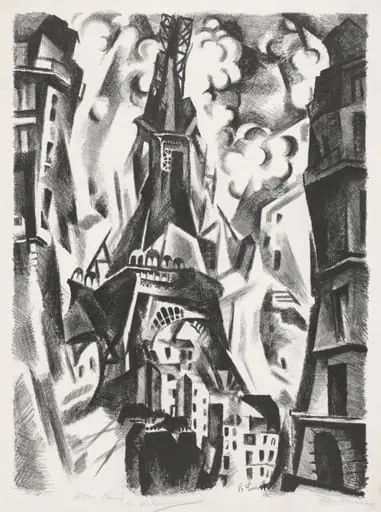
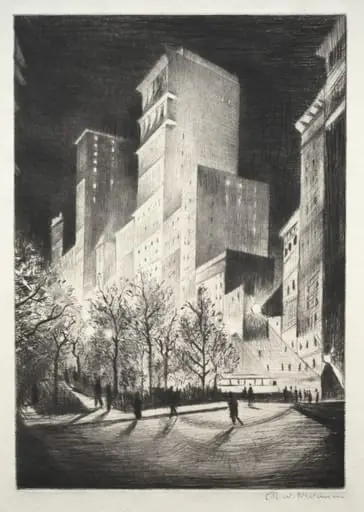
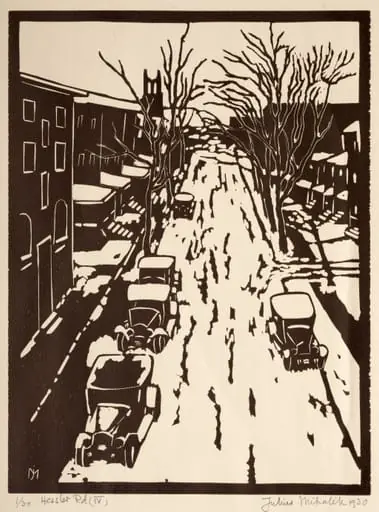
The image depicts a stylized urban landscape, likely inspired by the architecture and rhythm of early 20th-century cities. Mackey’s focus on cityscapes reflects an interest in modern life, rendered through simplified forms and rhythmic lines. The absence of human figures emphasizes the structure and atmosphere of the urban environment, suggesting a quiet, contemplative observation rather than narrative storytelling.
Technique & Style
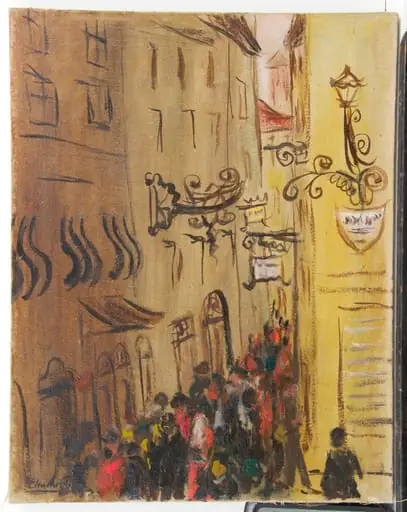
Mackey printed the linocut design onto transparent tracing paper, then applied opaque oil paint to its reverse side. By pressing the painted surface onto an oatmeal-colored backing paper, the color transferred subtly through the paper, creating the illusion of layered printing. This method allowed vibrant hues to appear without traditional multi-block registration, resulting in bold, flat areas of color with a soft, diffused glow.
History & Provenance
Haydn Mackey produced these prints as personal experiments, not for commercial distribution. Few were made, and none were published widely. Most survive as private holdings or institutional collections, including the Victoria and Albert Museum. Their rarity stems from Mackey’s preference for artisanal process over mass production, aligning his practice more closely with fine art printmaking than commercial illustration.
Context
Working between the 1920s and 1950s, Mackey operated at the intersection of book illustration and fine printmaking. His use of linocut and bold color echoed contemporaneous movements in British modernism, such as the Grosvenor School, yet his reverse-painting technique remained distinct. His work reflects a broader interwar interest in accessible, decorative art, but his methods resisted industrial replication.
Legacy
Mackey’s prints are recognized today for their technical ingenuity and restrained aesthetic. Though he never achieved widespread fame, his approach to color and surface influenced later printmakers exploring non-traditional methods. The survival of these proofs in museum collections underscores their value as unique artifacts of a quiet, inventive practice that prioritized craft over commerce.
Artist & collection
Artist
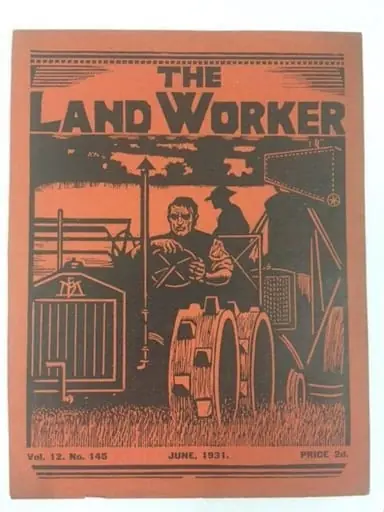
Haydn Mackey made prints in the first half of the 20th century, mixing everyday scenes with bold lettering.