Artwork
Farmhouse in a Storm
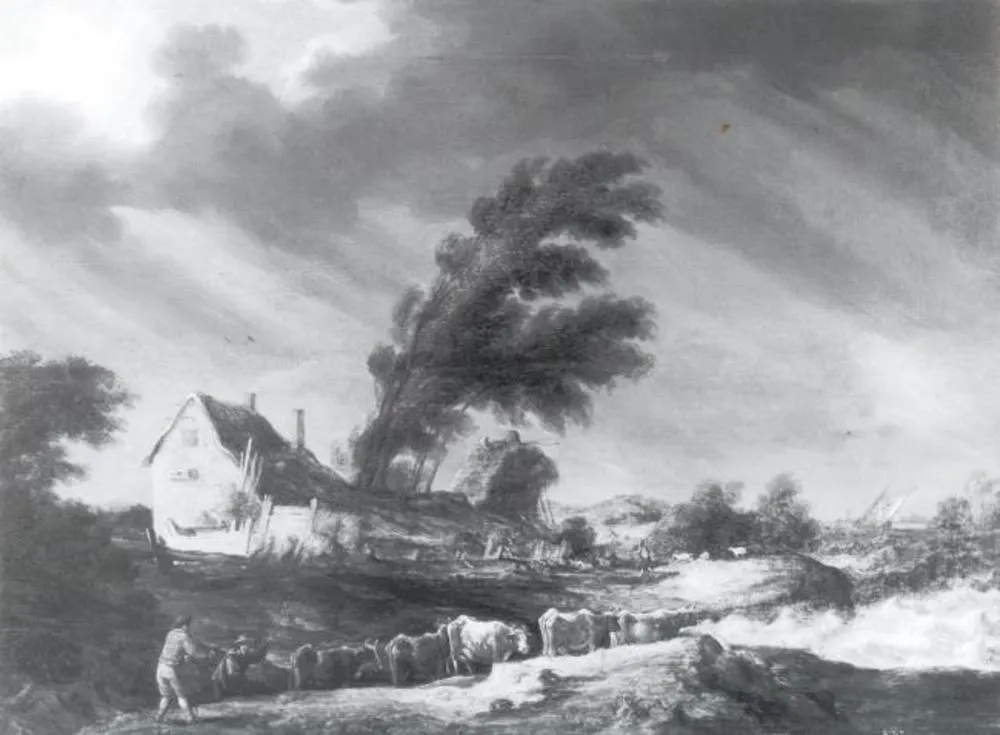
Farmhouse in a Storm is an oil painting by the Dutch Golden Age artist Maerten Fransz. van der Hulst. It dates from 1630 and is held in the collection of the Nationalmuseum. Painted in 1630 by Maerten Fransz.
About this work
Overview
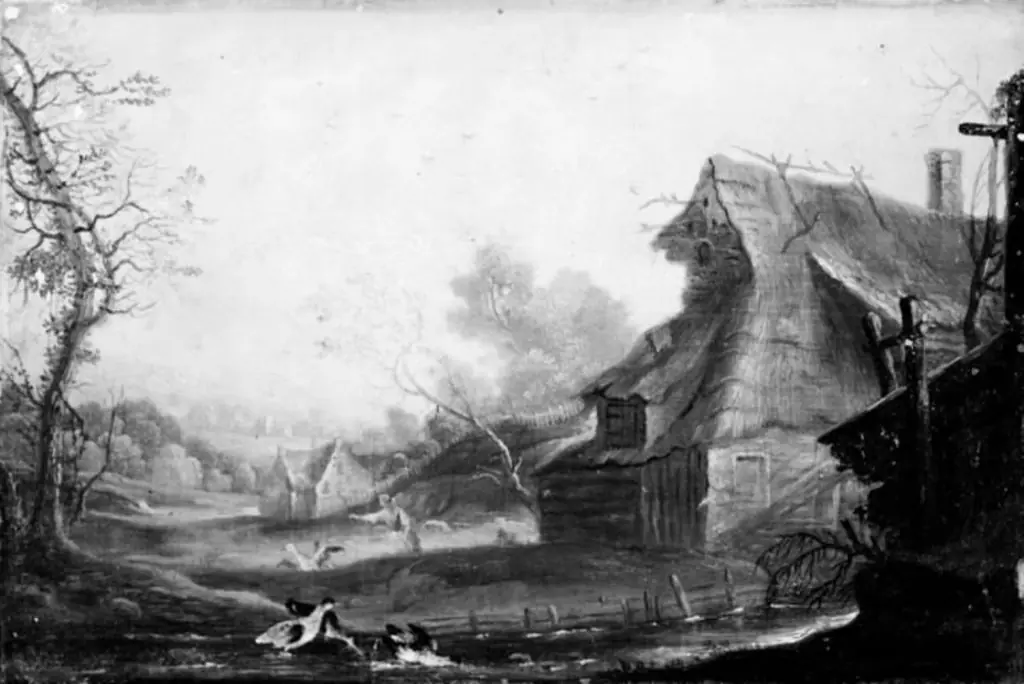
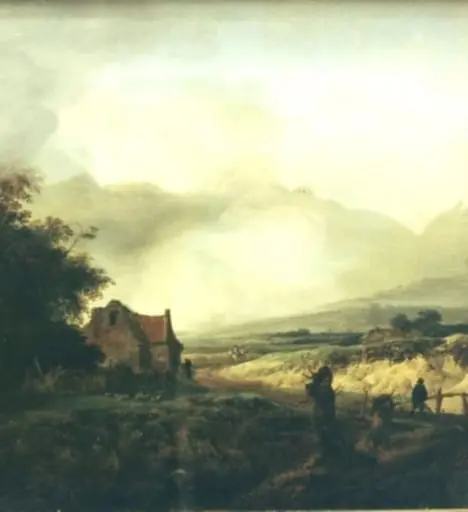
A solitary figure tends to livestock in the lower foreground, while a robust tree leans into the wind beside the dwelling.
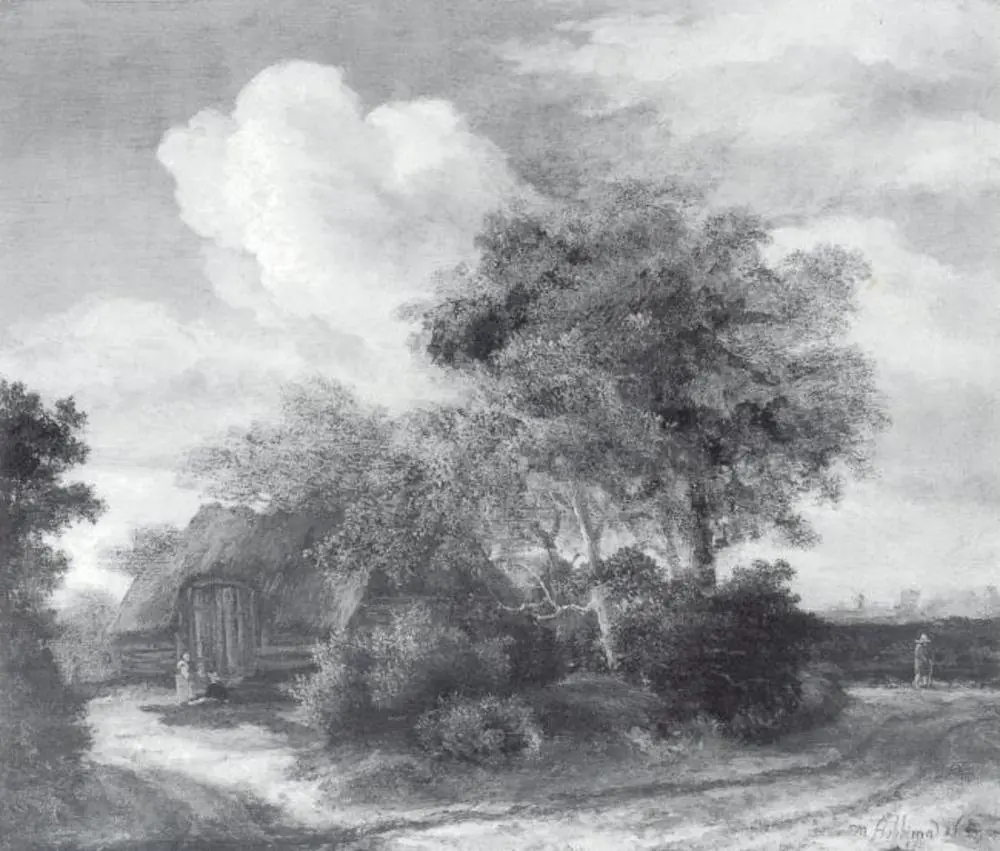
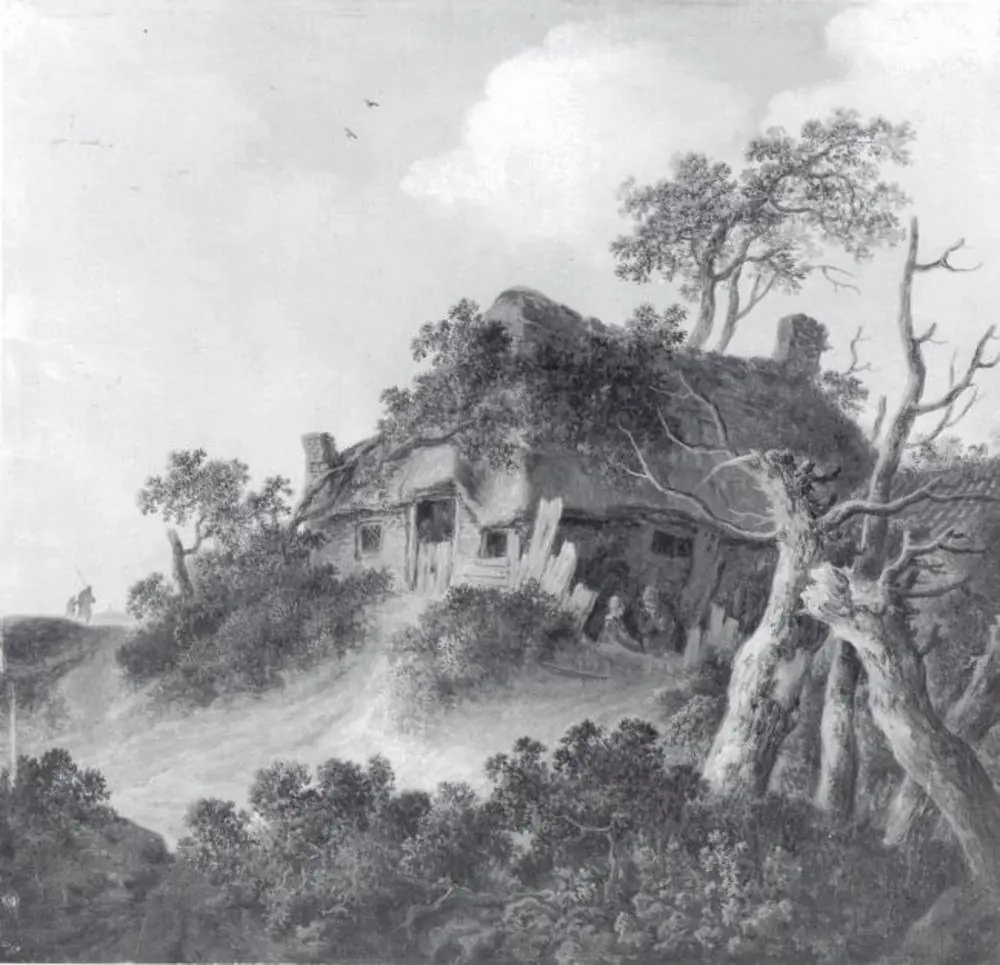
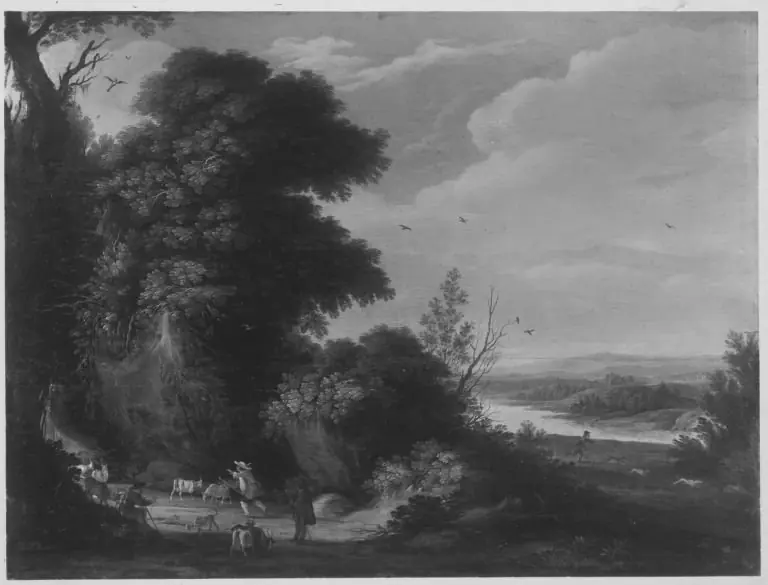
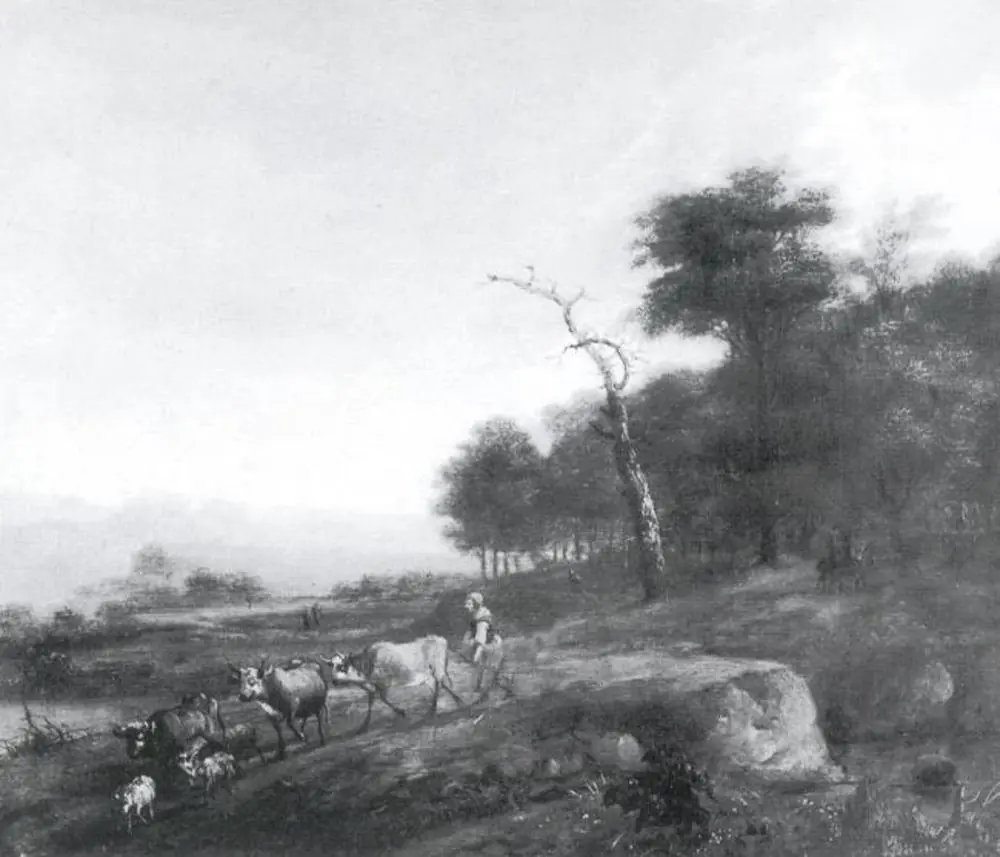
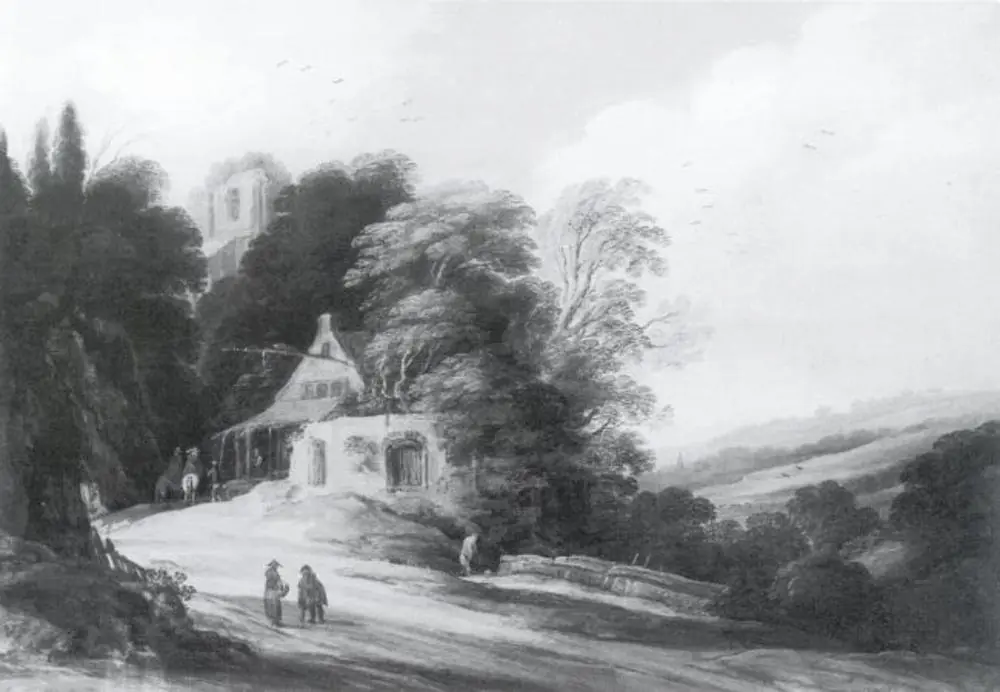
Painted in 1630 by Maerten Fransz. van der Hulst, this oil-on-canvas landscape captures a rural farmhouse battered by a sudden storm. The scene is set on a gentle rise, with the structure anchored against a sky churning with heavy clouds. A solitary figure tends to livestock in the lower foreground, while a robust tree leans into the wind beside the dwelling. The work is held in the collection of the Nationalmuseum in Stockholm.
Subject & Meaning
The painting presents a quiet moment of human resilience amid nature’s force. The farmhouse, though small, stands firm; the herder, absorbed in his task, suggests daily life continuing despite the weather. The towering tree, bent but unbroken, mirrors this endurance. There is no overt symbolism—only an observation of rural existence under elemental pressure, grounded in the ordinary rather than the dramatic.
Technique & Style
Van der Hulst employed thick, decisive brushwork to render the storm’s turbulence, particularly in the sky and foliage. Dark pigments contrast with fleeting highlights on the farmhouse’s roof and wet ground, creating a sense of movement. The oil medium allowed for layered textures, enhancing the tactile quality of wind-swept grass and rain-darkened wood. The composition balances vertical elements—the tree and house—against the horizontal sweep of the storm-laden horizon.
History & Provenance
The painting entered the Nationalmuseum’s collection in the 19th century, likely through acquisitions of Dutch and Flemish works from private estates. Its attribution to van der Hulst is based on stylistic comparison with his few surviving works, though documentation from the 17th century is sparse. It has remained in institutional care since its acquisition, with no known public exhibitions prior to the 1800s.
Context
In early 17th-century Holland, landscape painting flourished as a genre distinct from religious or mythological themes. Artists like van der Hulst focused on everyday rural scenes, often imbued with subtle emotional weight. Storms were a popular motif, reflecting both natural observation and a cultural fascination with nature’s power. This work aligns with a broader trend of depicting the Dutch countryside with sincerity rather than idealization.
Legacy
Though van der Hulst’s output was limited and his name less prominent than contemporaries, this painting contributes to the understanding of lesser-known Dutch landscape painters. Its quiet intensity and attention to atmospheric detail reflect a regional tradition that valued realism over spectacle. Today, it remains a quiet example of how ordinary moments in nature were rendered with dignity in early modern Dutch art.
Artist & collection