Artwork
Untitled
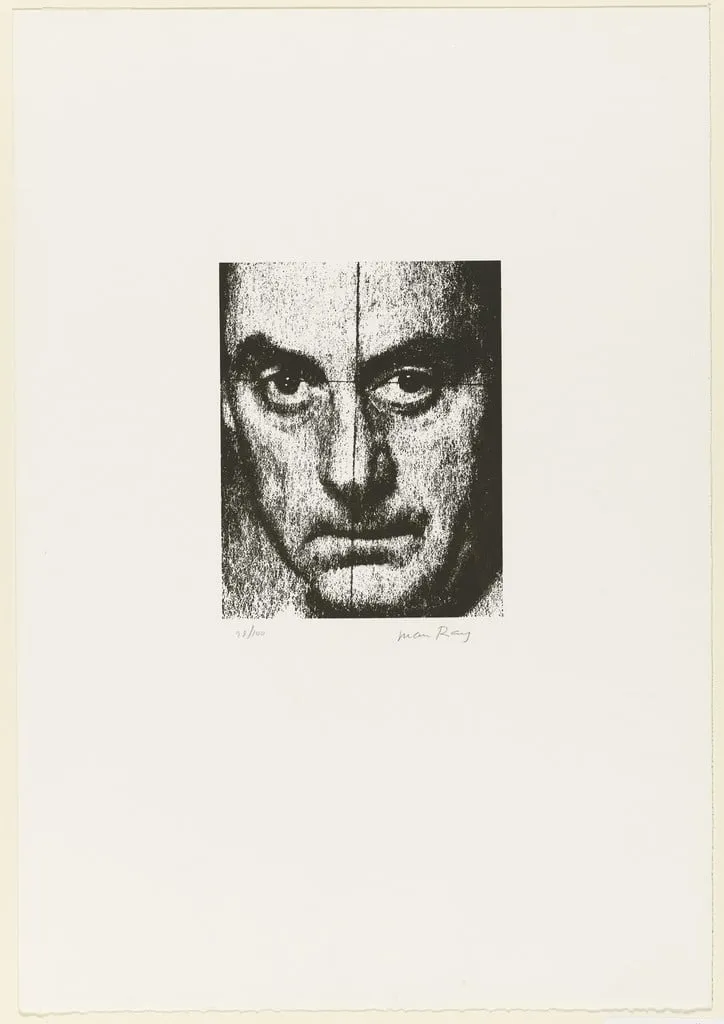
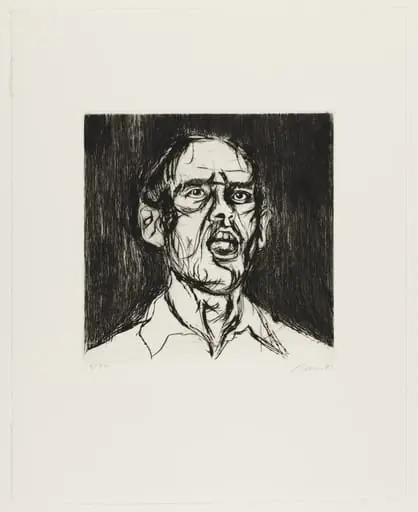
Untitled is an ink print by Man Ray. It dates from 1947 and is held in the collection of the Museum of Modern Art.
About this work
His eyes are dark and serious, his mouth relaxed but firm, and the texture looks like it’s made of tiny dots.
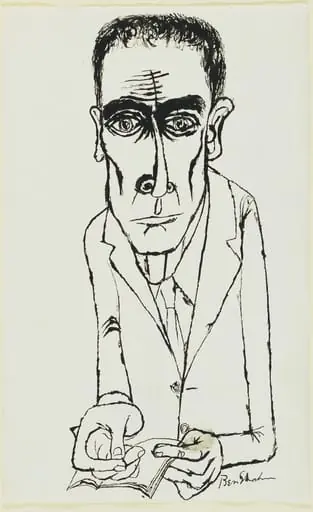
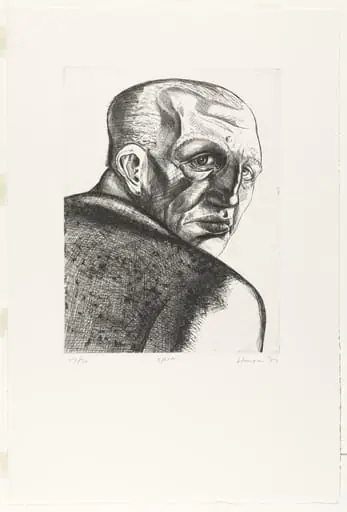
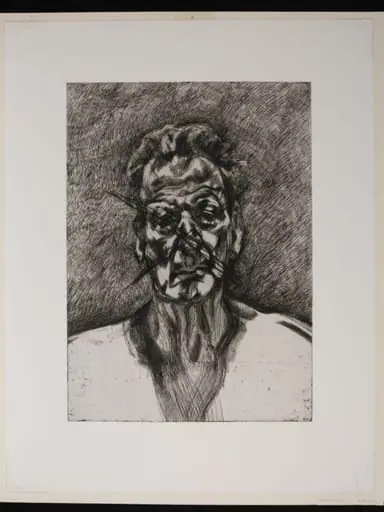
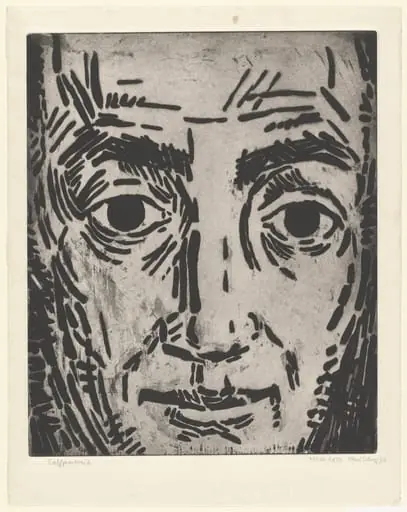
This is a black-and-white portrait of a man’s face, split right down the middle by a thin white line. His eyes are dark and serious, his mouth relaxed but firm, and the texture looks like it’s made of tiny dots. The edges of the paper are plain white, with just a small signature in the corner.
The artist used a printing method that creates that grainy, dotted look—it’s not painted but pressed. This piece was made in 1947, but the face itself feels timeless.
If you like this style, look up lithography to see how it works.
Overview
Created in 1947 during Man Ray’s time in Paris, this lithograph is one of many graphic works he produced alongside his better-known photographic and painterly output. Though associated with Dada and Surrealist circles, he never formally joined either movement. The piece reflects his sustained interest in printmaking as a medium for exploring form and identity, using the technical constraints of lithography to achieve subtle tonal variation.
Subject & Meaning
The portrait depicts a male face divided vertically by a narrow white line, creating a symmetrical yet fractured visage. The eyes are shadowed and intense, the mouth neutral but resolute, suggesting inner tension without narrative context. The absence of identifying features or background renders the figure anonymous, inviting interpretation as a psychological study rather than a likeness. The division may imply duality, introspection, or the fragmentation of self.
Technique & Style
Man Ray employed lithography to generate a grainy, stippled texture across the face, mimicking the tonal depth of photographic halftones without using a camera. The black-and-white palette and precise dot work emphasize contrast and volume through ink density rather than line. The plain white margins and minimal signature reinforce the work’s quiet, unadorned presence, aligning with his preference for understated formalism over theatrical expression.
History & Provenance
Produced in Paris in 1947, the print emerged from a period when Man Ray was deeply engaged with graphic arts after returning to Europe following his years in the United States. While specific ownership records from this time are sparse, the work fits within a broader series of lithographs he made during the late 1940s, often exploring portraiture and abstraction through print. It was likely circulated in small editions among collectors of avant-garde prints.
Context
In postwar Paris, many artists revisited printmaking as a means of accessible, intimate expression. Man Ray’s lithographs from this era reflect a shift from the overtly provocative imagery of his earlier Dada years toward more restrained, contemplative forms. His use of lithography aligned with a wider revival of the medium among modernists seeking alternatives to painting and photography, valuing its tactile and reproducible qualities.
Legacy
This lithograph exemplifies Man Ray’s enduring influence on the intersection of photography, print, and portraiture. Though less celebrated than his photographic works, such prints demonstrate his technical versatility and conceptual rigor. Later artists drawn to fragmentation and monochrome portraiture have cited his graphic works as quietly influential, particularly for their ability to convey psychological depth through minimal means.
Artist & collection
Artist
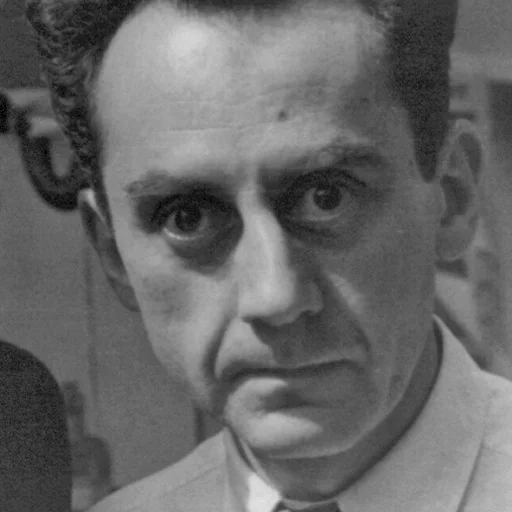
Man Ray (born Emmanuel Radnitzky; August 27, 1890 – November 18, 1976) was an American-born, French-naturalized visual artist who spent most of his career in Paris.