Artwork
Quitapenas
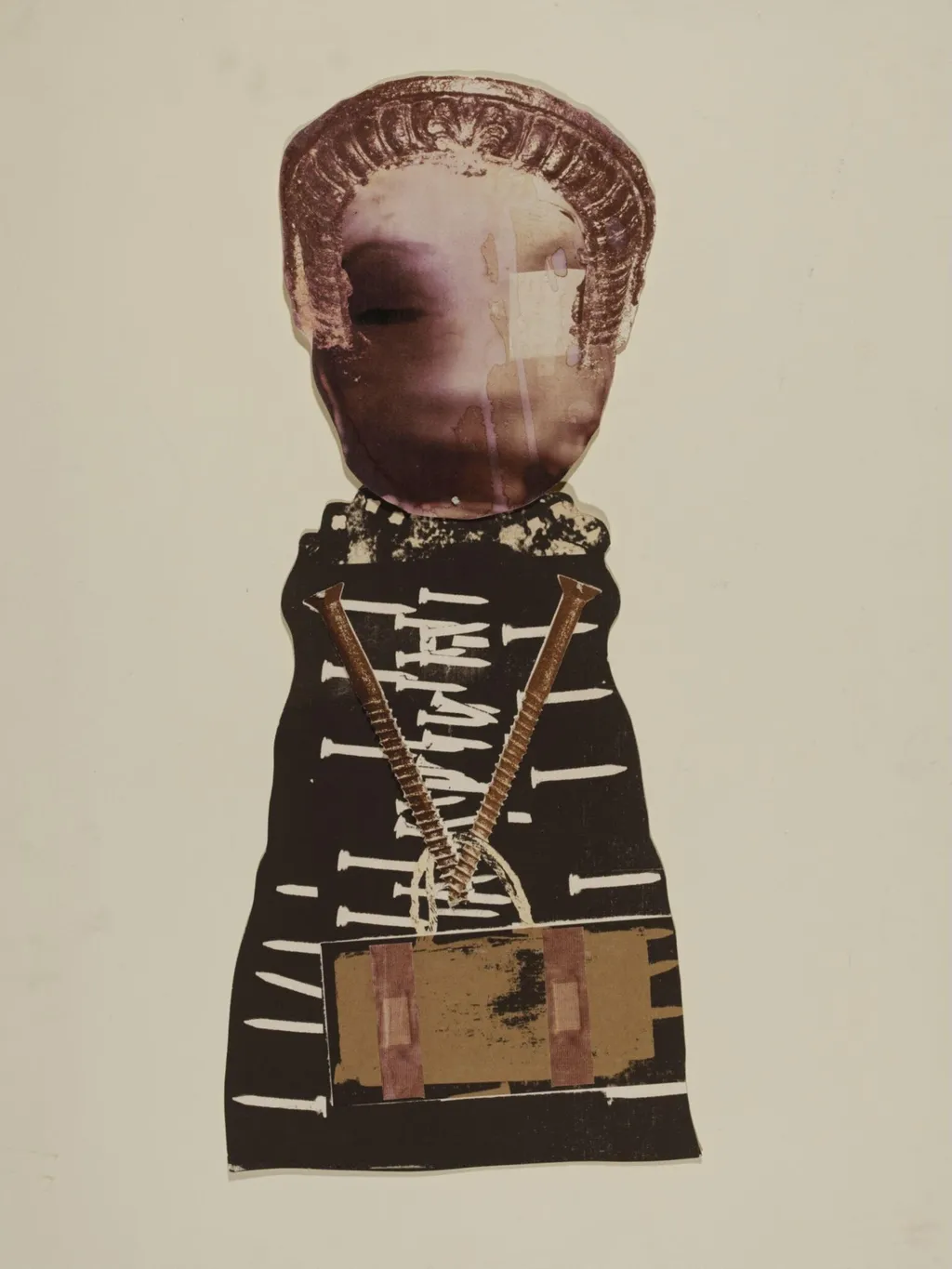
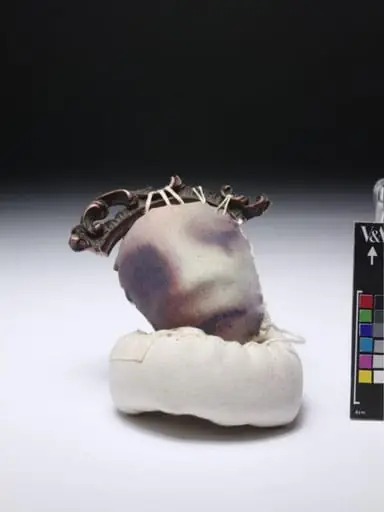
Quitapenas is a print by Cecilia Mandrile. It dates from 2012 and is held in the collection of the Victoria and Albert Museum.
About this work
Overview
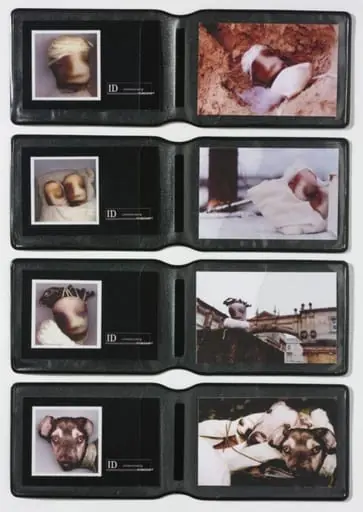
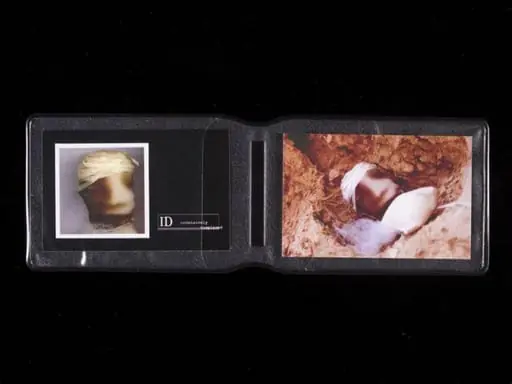
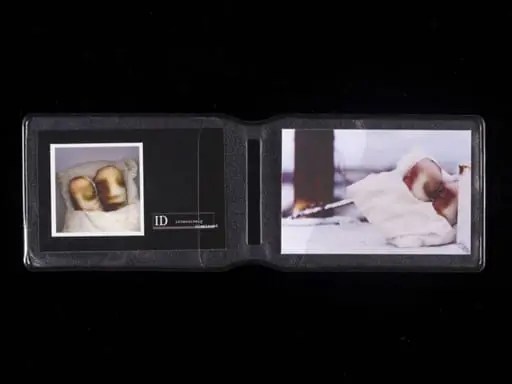
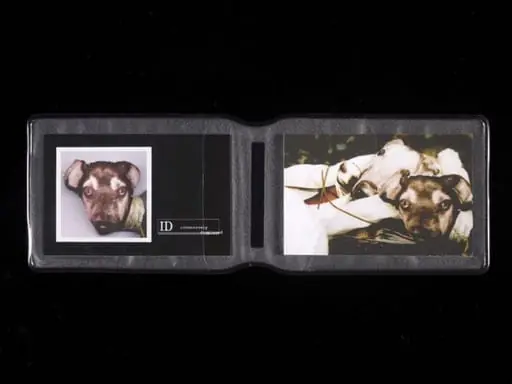
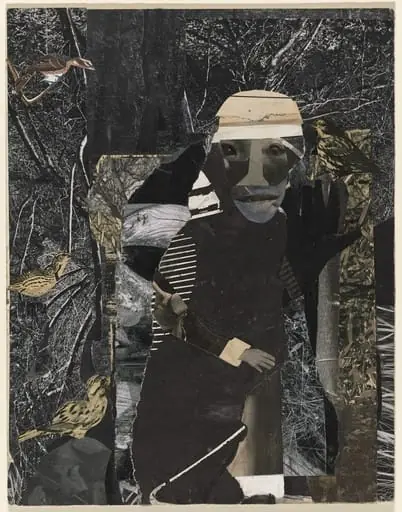
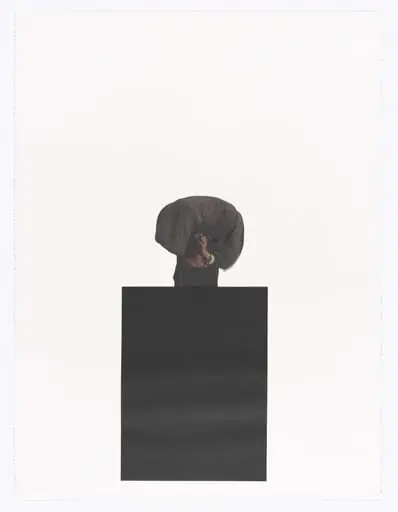
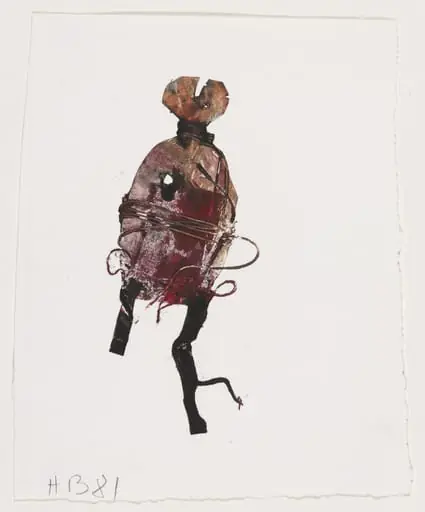
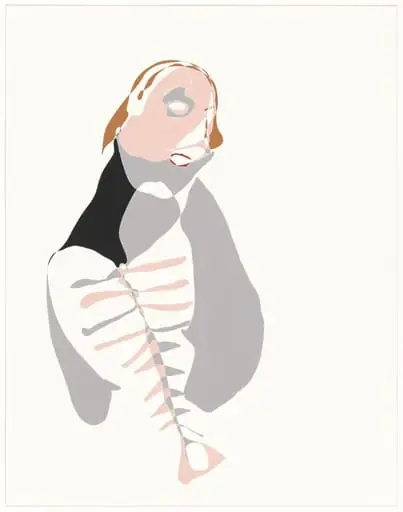
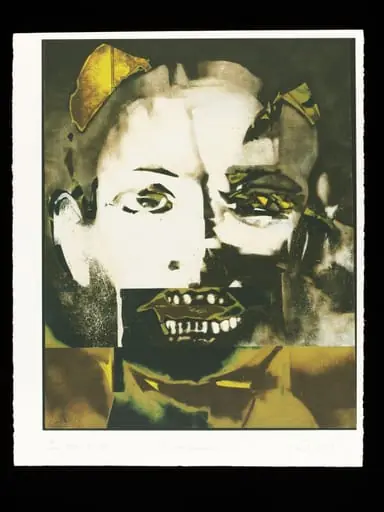
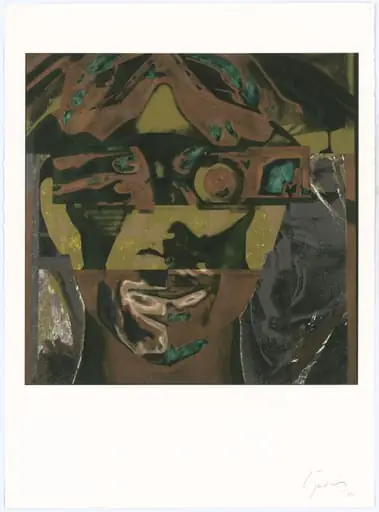
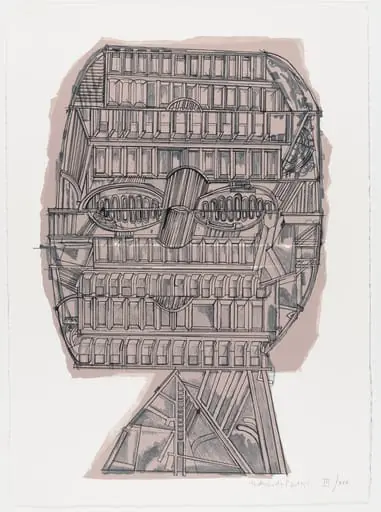
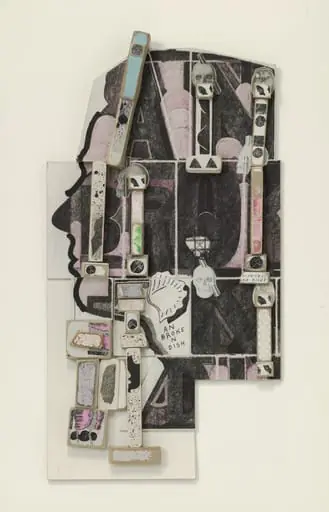
Quitapenas is a print-based artwork by Cecilia Mandrile, comprising a series of small, flat, foldable dolls constructed from mixed media elements, including screenprints, inkjet prints, card, cloth, and found objects.
Subject & Meaning
The dolls, termed 'quitapenas' or 'sorrow dolls', incorporate a blurred, manipulated photograph of Mandrile's face, symbolizing her displacement and multiple identities as a traveler. Referencing a Latin American tradition where such dolls absorb children's worries, Mandrile's work connects her nomadic life with her Argentine heritage.
Technique & Style
Mandrile's technique involves scanning, manipulating, and reprinting her self-portrait, then combining it with collaged, sewn, and embellished elements (scissors, thread, pins, etc.). The style reflects influences from Victorian paper dolls and childhood scrap-album ephemera, resulting in humble, makeshift appearances.
History & Provenance
Created in 2012, Quitapenas is part of the 'Fragile Fragments' series, succeeding an earlier sequence from 2000-2002. The artwork's current location and ownership are not specified in the provided information.
Context
Quitapenas situates itself within themes of identity, displacement, and cultural heritage, leveraging a traditional Latin American practice to express the artist's personal experience of being a traveler and an expatriate.
Legacy
While specific legacy details are not provided, Quitapenas contributes to broader discussions on identity, migration, and the use of personal iconography in contemporary art, potentially influencing artists exploring similar themes of displacement and self-representation.
Artist & collection
Artist
Cecilia Mandrile’s prints capture everyday places and moods in simple, direct lines.