Artwork
Old Diriyah
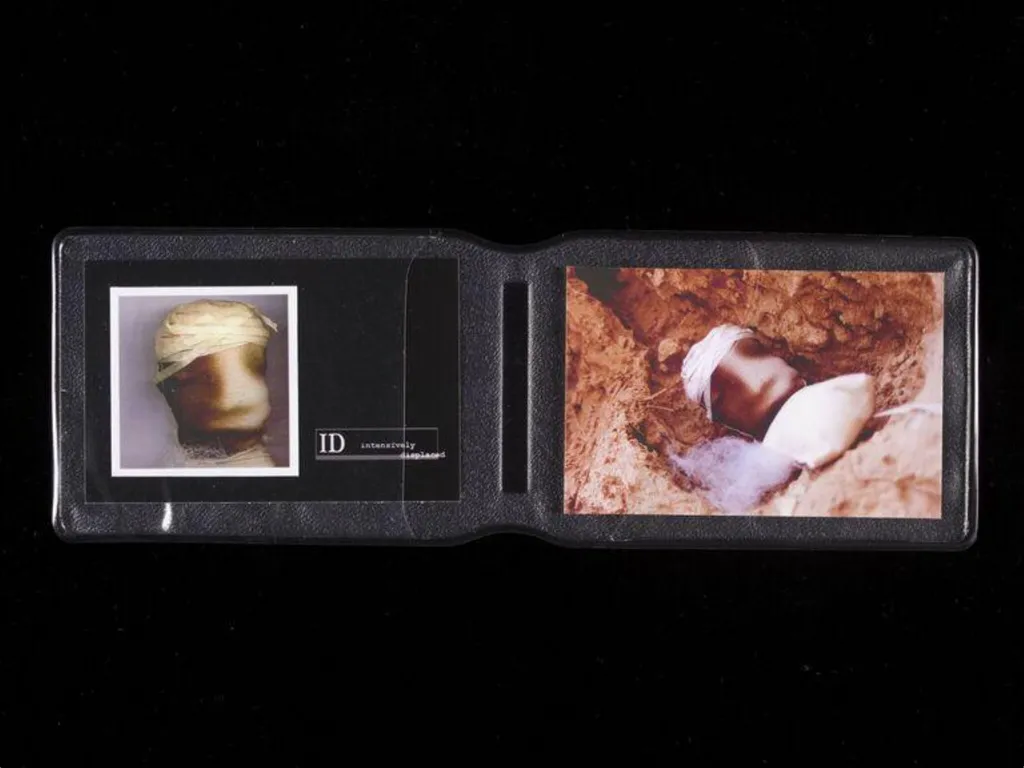
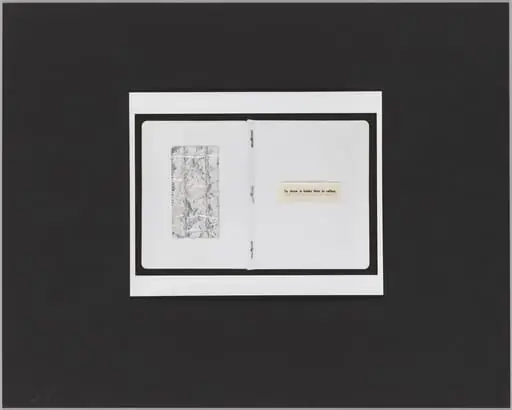
Old Diriyah is a print by Cecilia Mandrile. It dates from 2002 and is held in the collection of the Victoria and Albert Museum.
About this work
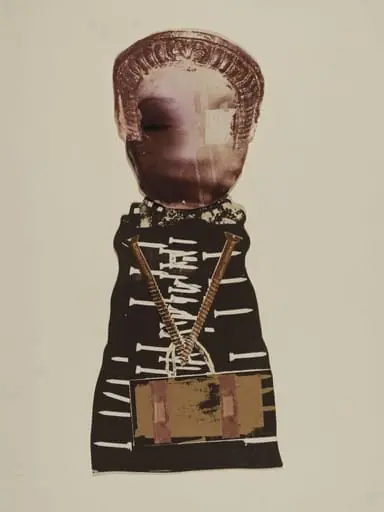
The dolls have bandaged heads and shadowy faces, hinting at loss and constant moving.
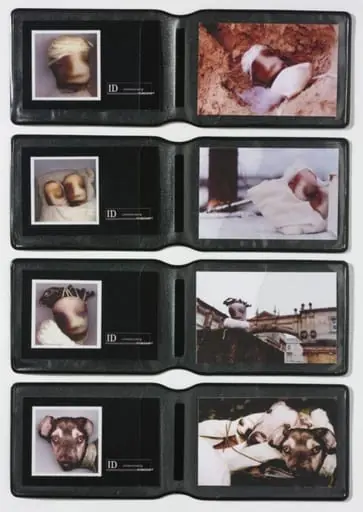
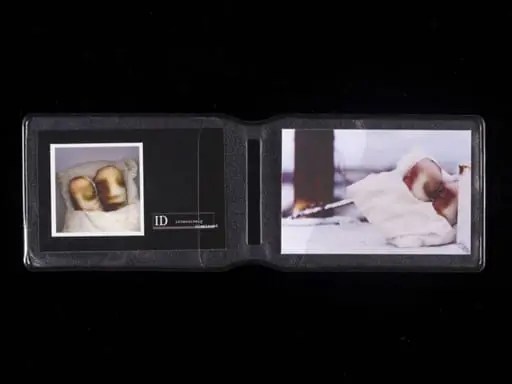
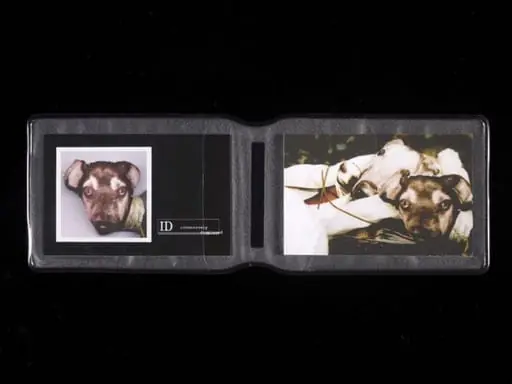
Cecilia Mandrile’s *Old Diriyah* is a print that feels like a snapshot. You could almost hold it in your pocket. It’s part of a set of ID cards she made between 2002 and 2004.
Each card shows a doll-like figure in a bleak setting. The dolls have bandaged heads and shadowy faces, hinting at loss and constant moving.
She calls these “Intensively Displaced,” not “Identity.” Her computer and printer let her work anywhere.
Look up Mandrile, Cecilia.
Overview
Cecilia Mandrile created *Old Diriyah* as part of a series of small prints produced between 2002 and 2004, using a portable computer and printer to work while traveling. The piece resembles a snapshot, sized for personal handling, and belongs to a body of work that reimagines the visual language of tourism to reflect displacement. Rather than capturing leisure, these images document the fragile, transient lives of those uprooted by circumstance.
Subject & Meaning
The figure in *Old Diriyah* is a handmade doll, its face shadowed and head wrapped in bandages, placed in a barren, undefined landscape. Mandrile redefines 'ID' as 'Intensively Displaced,' rejecting the notion of fixed identity in favor of a condition shaped by forced movement. The image resists romanticized travel imagery, instead presenting solitude and survival in spaces where resources are minimal and belonging is uncertain.
Technique & Style
Mandrile combines digital manipulation with physical assemblage, layering self-portraits onto doll forms before printing them as small, intimate images. The aesthetic mimics the grain and framing of amateur photography, evoking the casualness of vacation snaps. Yet the subdued tones, blurred edges, and eerie stillness subvert this familiarity, transforming the snapshot into a quiet testament to instability and erasure.
History & Provenance
Created during Mandrile’s years of international travel after leaving Argentina in her twenties, the ID card series emerged from her direct experience of displacement. The works were produced in transit—airports, buses, temporary lodgings—reflecting their subject matter. *Old Diriyah* entered a museum collection in 2005 as part of this broader project, preserving a visual record of migration’s quiet toll.
Context
Mandrile’s work responds to global patterns of migration in the early 2000s, when borders tightened and displacement became increasingly invisible in public discourse. By using the familiar format of tourist photography, she draws attention to the contrast between leisure travel and forced mobility. The series critiques how societies document movement—celebrating some, ignoring others.
Legacy
The ID card series has contributed to contemporary conversations about migration, identity, and representation in art. Mandrile’s use of accessible technology and everyday imagery democratizes the narrative of displacement, offering a personal yet universal lens. Her work remains a quiet but persistent reminder that the most profound stories are often carried in the smallest, most overlooked frames.
Artist & collection
Artist
Cecilia Mandrile’s prints capture everyday places and moods in simple, direct lines.