Artwork
Bristol
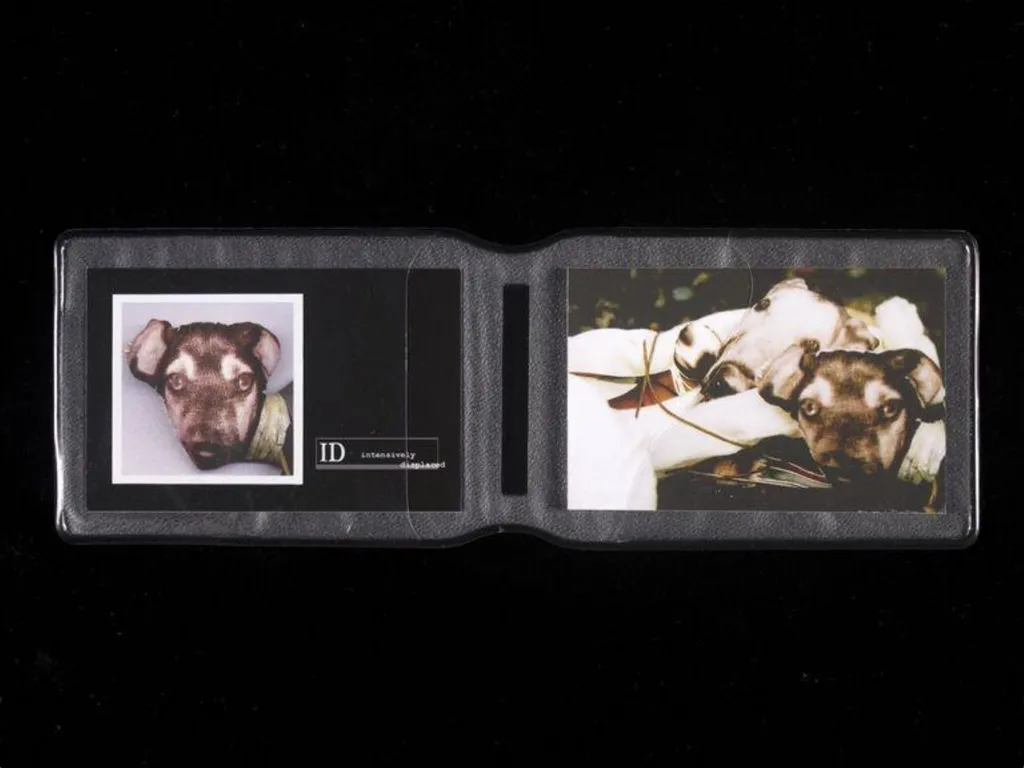
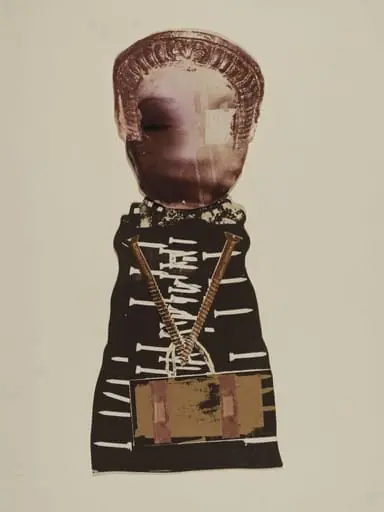
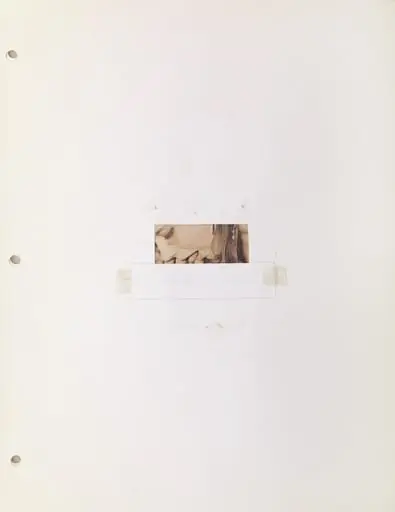
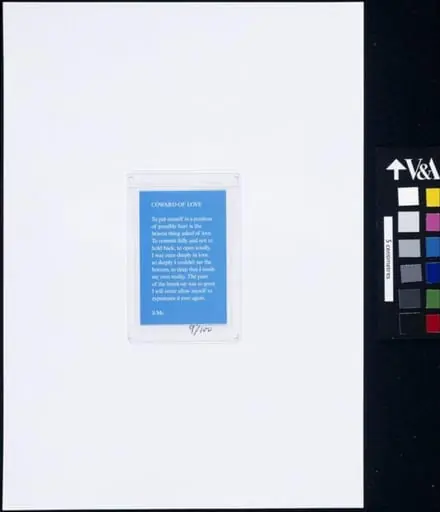
Bristol is a print by Cecilia Mandrile. It dates from 2002 and is held in the collection of the Victoria and Albert Museum.
About this work
Overview
Cecilia Mandrile creates digital prints using portable technology, turning everyday spaces like airports and bus stations into studios.
Cecilia Mandrile creates digital prints using portable technology, turning everyday spaces like airports and bus stations into studios. Her work emerges from years of displacement after leaving Argentina in her twenties. Rather than documenting travel as leisure, she focuses on the lived reality of forced migration, using the format of tourist snapshots to subvert expectations and reveal the instability of those uprooted from home.
Subject & Meaning
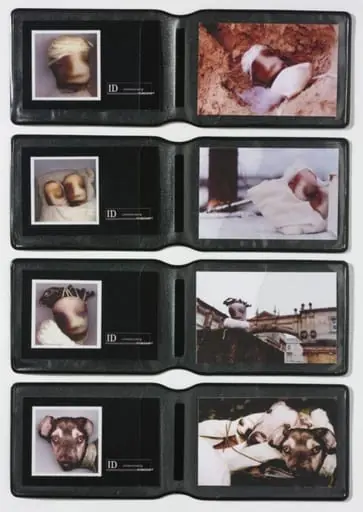
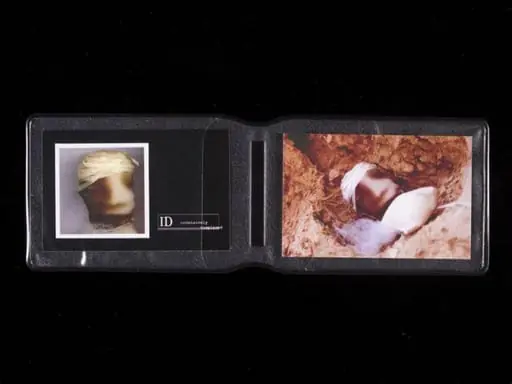
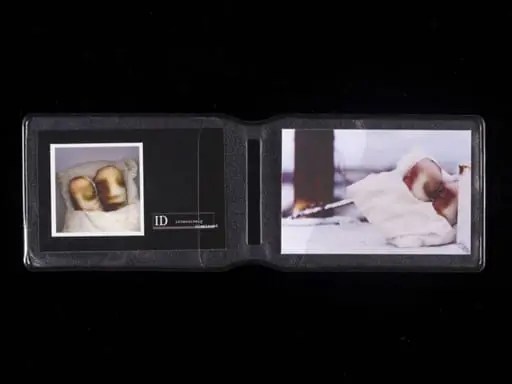
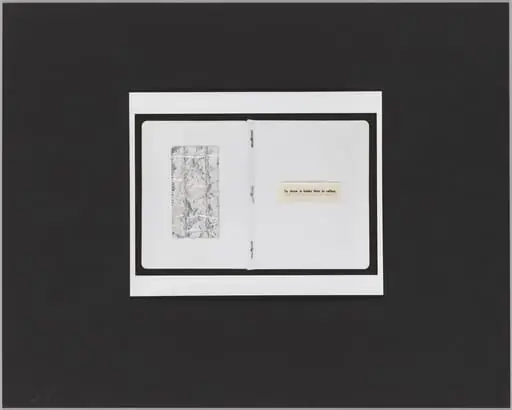
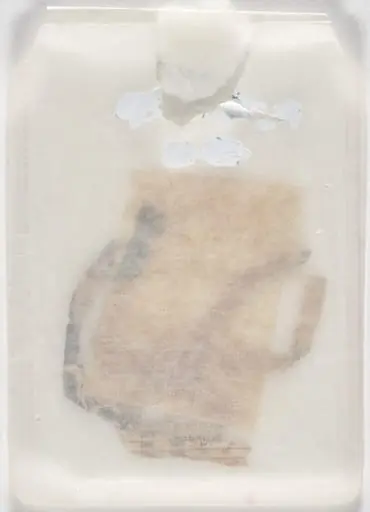
Between 2002 and 2004, Mandrile produced a series of printed 'ID' cards, redefining the acronym as 'Intensively Displaced.' These works confront the invisibility of migrants by presenting them not as tourists but as people surviving in austere conditions. The cards reject idealized imagery, instead portraying figures with obscured faces and bandaged heads, symbolizing erasure and trauma under constant movement.
Technique & Style
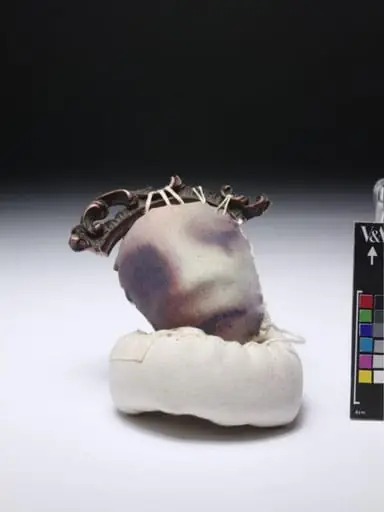
Mandrile combines digital manipulation with handmade doll forms, embedding self-portraits into fragile, sculpted bodies. The prints mimic the aesthetic of amateur vacation photos—bright colors, casual framing—but the subjects are rendered in muted tones, shrouded in shadow. This contrast between format and content heightens the dissonance, turning familiar visual language into a vehicle for quiet protest.
History & Provenance
The series was developed during Mandrile’s extended period of travel following her emigration from Argentina. The works entered institutional collections by 2005, reflecting growing institutional interest in diasporic narratives. Their creation was deeply personal, rooted in her own experience of displacement, yet designed to resonate with broader patterns of forced migration across continents.
Context
Emerging in the early 2000s, the series responds to rising global migration pressures and the increasing visibility of border crises. Mandrile’s work aligns with broader artistic movements that use domestic or vernacular formats to critique power structures. By repurposing the tourist snapshot—a symbol of privilege—she exposes the violence of displacement hidden beneath surface-level imagery.
Legacy
Mandrile’s 'ID' cards have contributed to contemporary dialogues on migration by redefining how displacement is visually represented. Her use of accessible technology and everyday formats has influenced artists working with digital media and personal narrative. The works remain relevant as global displacement continues, offering a quiet but persistent testament to those without stable refuge.
Artist & collection
Artist
Cecilia Mandrile’s prints capture everyday places and moods in simple, direct lines.