Artwork
Descent into Limbo
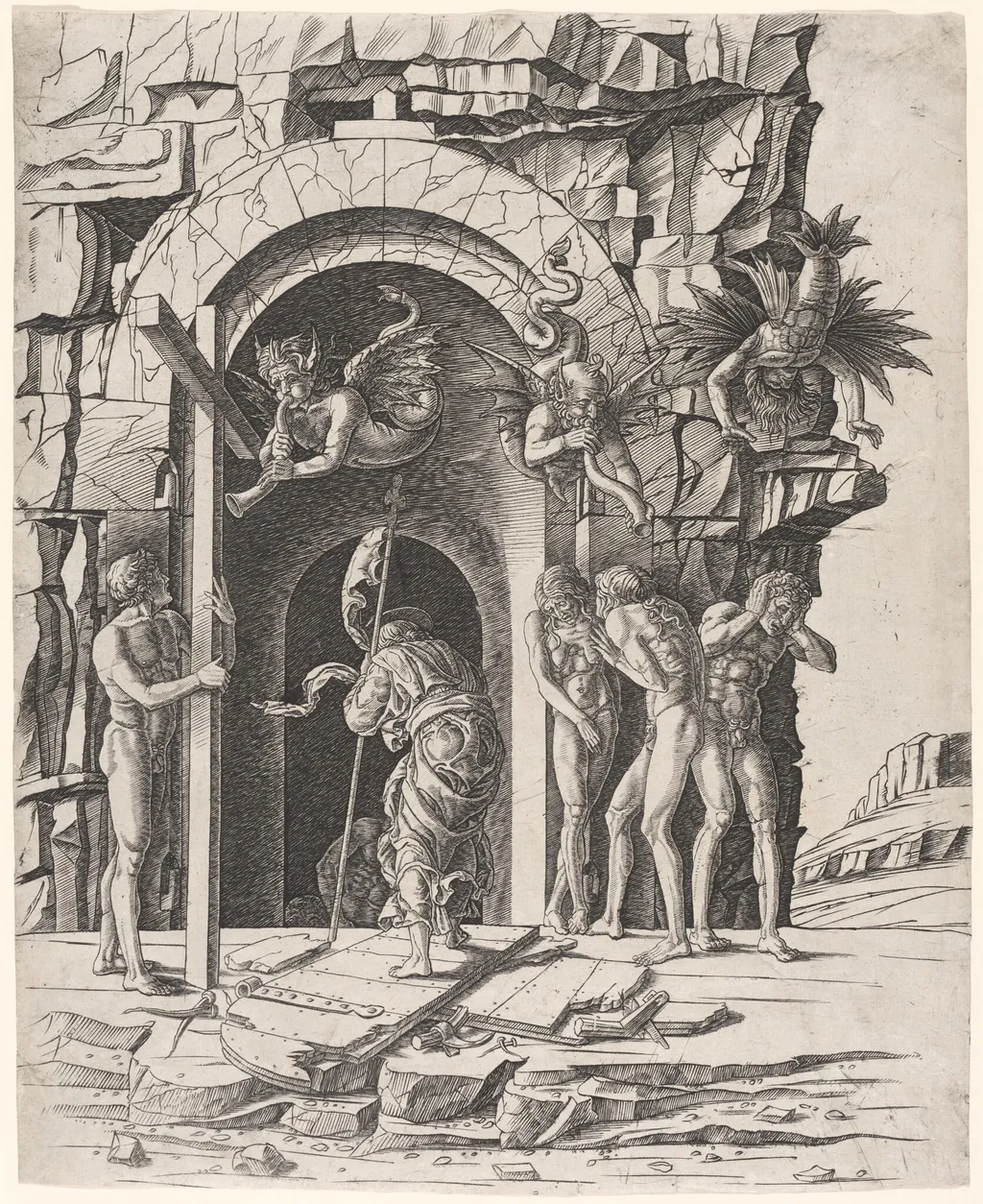
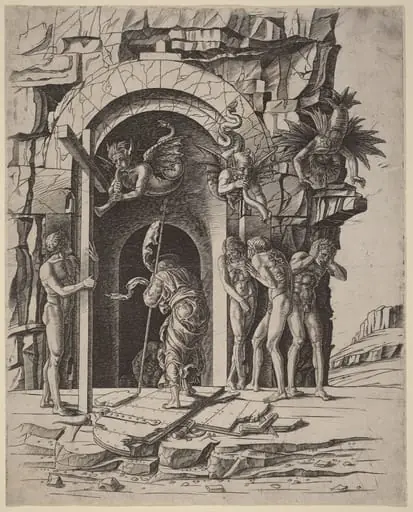
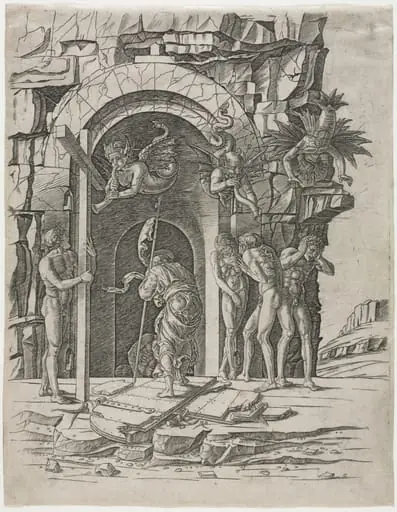
Descent into Limbo is an ink print by the Renaissance artist Andrea Mantegna. It dates from 1475 and is held in the collection of the National Gallery of Art.
About this work
Overview
Descent into Limbo is an engraving on laid paper, attributed to a possible collaboration involving Gian Marco Cavalli, dating back to around 1475. The work showcases a scene with multiple figures in an ancient, ruined setting, characterized by a distinct visual style.
Subject & Meaning
The engraving depicts a narrative scene set amidst ancient, crumbling architecture. Figures include a modernly dressed individual at a doorway, an older bearded man with a staff, three muscular men in a line, and a winged figure near a dark archway above. The subject's specific interpretation is not explicitly stated in available information.
Technique & Style
The print features sharply defined, sculptural figures and landscapes, achieved through a flinty, metallic quality of line work. Notably, the artist employed cross-hatching with tiny parallel lines to create deep shadows, enhancing the three-dimensionality of the composition.
History & Provenance
Originally attributed to Andrea Mantegna, a leading Venetian printmaker before 1500, the engraving's actual creatorship is now questioned, with potential involvement of Gian Marco Cavalli. Mantegna's known style often included lowered horizons for monumentality, though this specific work's provenance details are limited.
Context
Created in the late 15th century, Descent into Limbo reflects the Renaissance's fascination with classical motifs and innovative graphic techniques. As part of early Venetian print production, it highlights the period's experimental approach to art.
Artist & collection
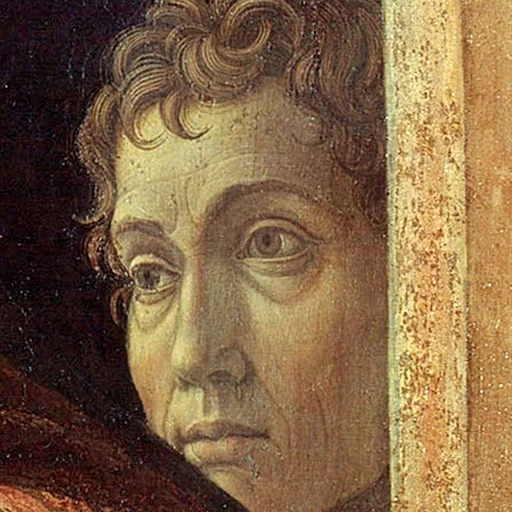
Artist
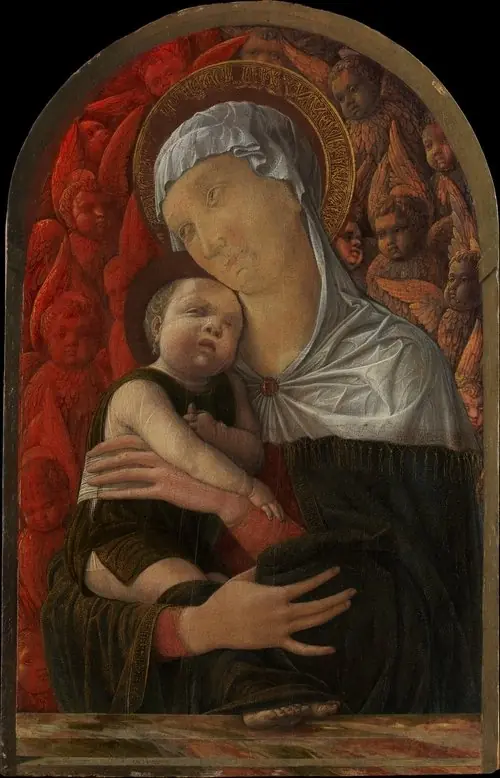
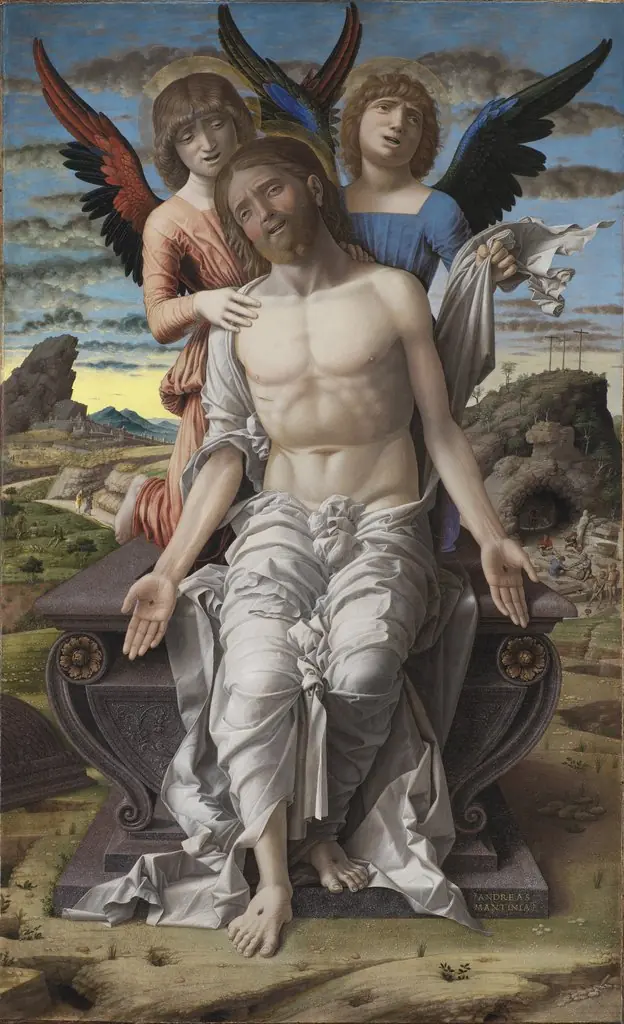
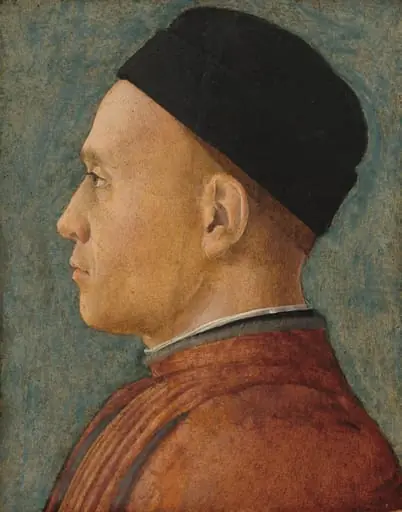
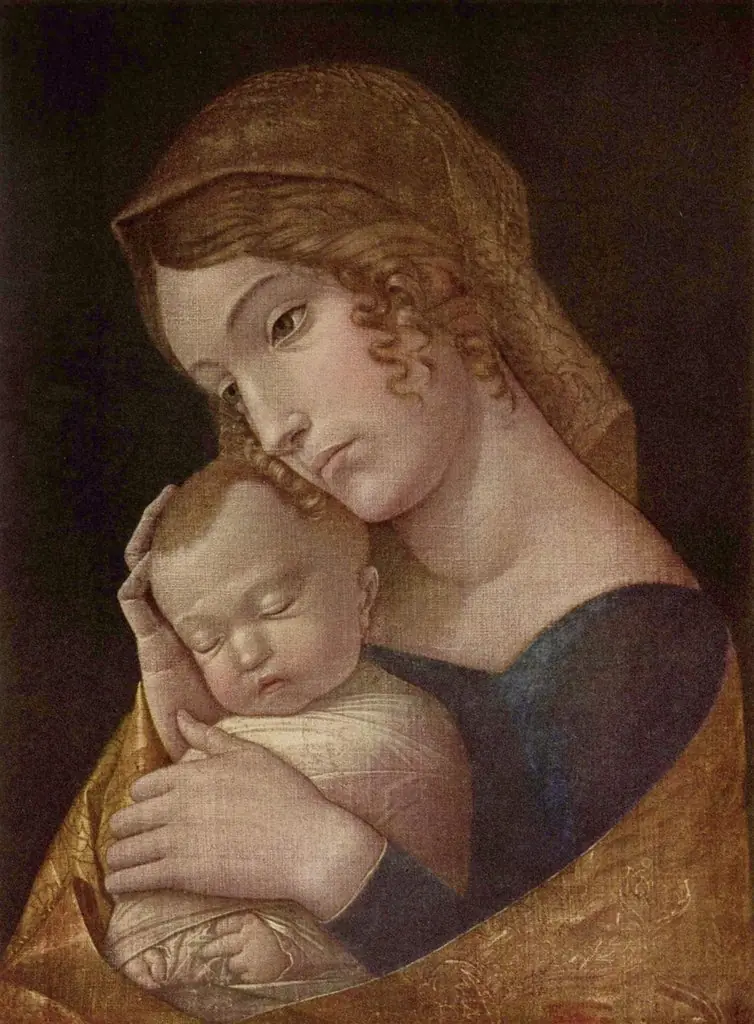
Andrea Mantegna (UK: , US: ; Italian: ; c. 1431 – September 13, 1506) was an Italian Renaissance painter, a student of Roman archaeology, and the son-in-law of Jacopo Bellini. Like other artists of the time, Mantegna…