Artwork
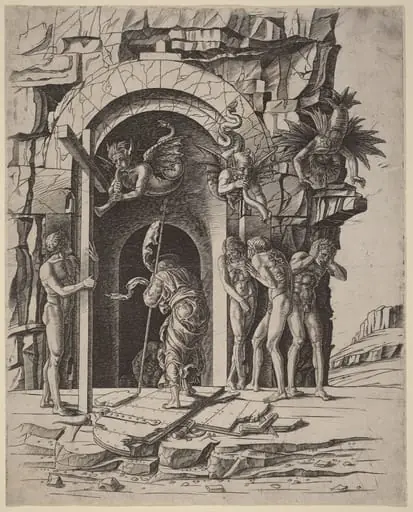
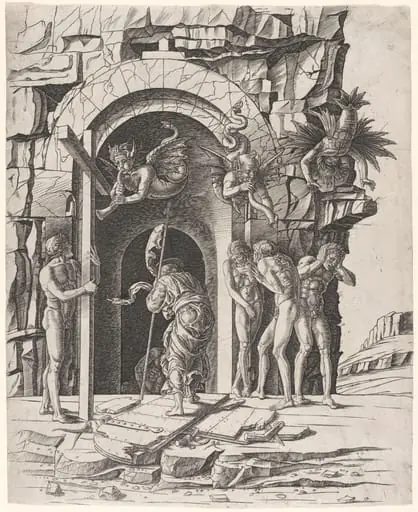
Christ in Limbo
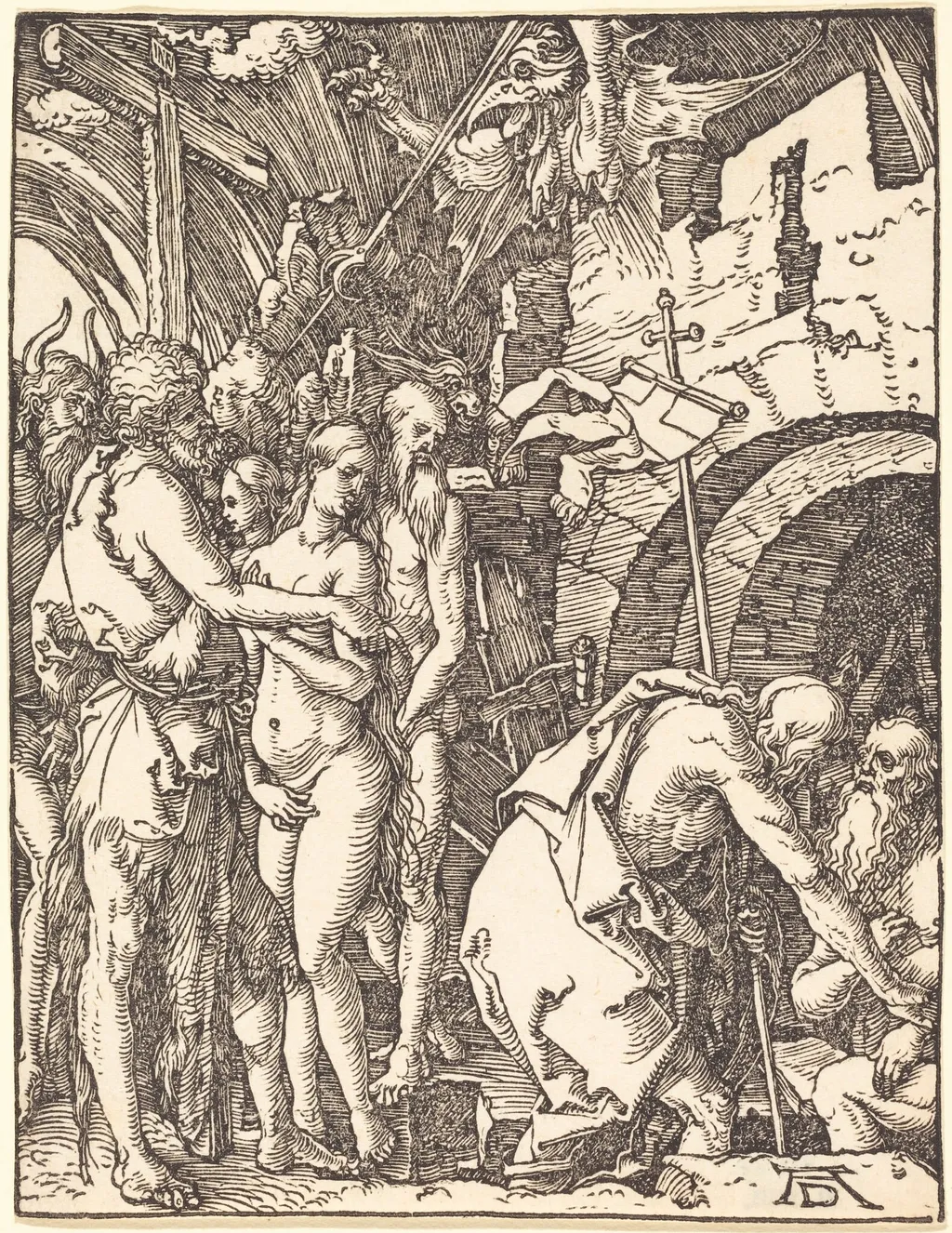
Christ in Limbo is an ink print by the Northern Renaissance artist Albrecht Dürer. It dates from 1510 and is held in the collection of the British Museum.
About this work
Overview
This woodcut, dated around 1510, is attributed to Albrecht Dürer and represents a scene from Christian theology. Executed on laid paper, the print exemplifies the period’s growing reliance on reproducible imagery to disseminate religious narratives. Dürer’s composition merges devotional content with the technical demands of early printmaking.
Subject & Meaning
The image portrays Christ’s descent into Limbo, a doctrinal episode preceding the Resurrection. According to tradition, Christ liberates souls held in this intermediary realm, bridging the Old and New Testaments. The scene underscores themes of salvation and divine intervention, reflecting the era’s emphasis on doctrinal clarity and visual instruction.
Technique & Style
Dürer’s woodcut employs a carved wooden block to transfer ink onto paper, a method that balances precision with the medium’s inherent constraints.
Dürer’s woodcut employs a carved wooden block to transfer ink onto paper, a method that balances precision with the medium’s inherent constraints. Fine lines and cross-hatching create tonal variation, while the composition’s symmetry and figural arrangement demonstrate the artist’s command of both narrative and technique. The print’s clarity aligns with the period’s preference for legible, reproducible imagery.
History & Provenance
Created during the early 16th century, this work belongs to a series of religious prints produced by Dürer. Its survival in multiple impressions attests to the woodcut’s original function as a widely distributed devotional image. The print’s precise ownership history remains fragmentary, though it has been preserved in institutional collections, reflecting its continued significance.
Context
The woodcut emerges from a period of religious and artistic transformation in Northern Europe. As printing technology expanded, artists like Dürer capitalized on the medium’s potential to reach broader audiences. This work reflects the era’s fusion of piety and innovation, serving both private devotion and public instruction within a rapidly evolving visual culture.
Artist & collection
Artist
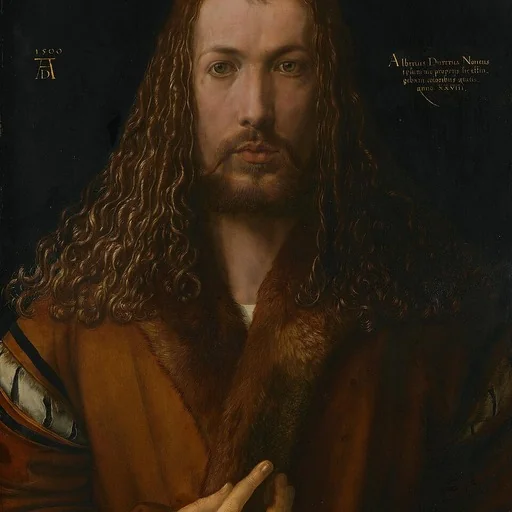
Albrecht Dürer spent his life in Nuremberg, a busy German city where artists traded prints like currency.

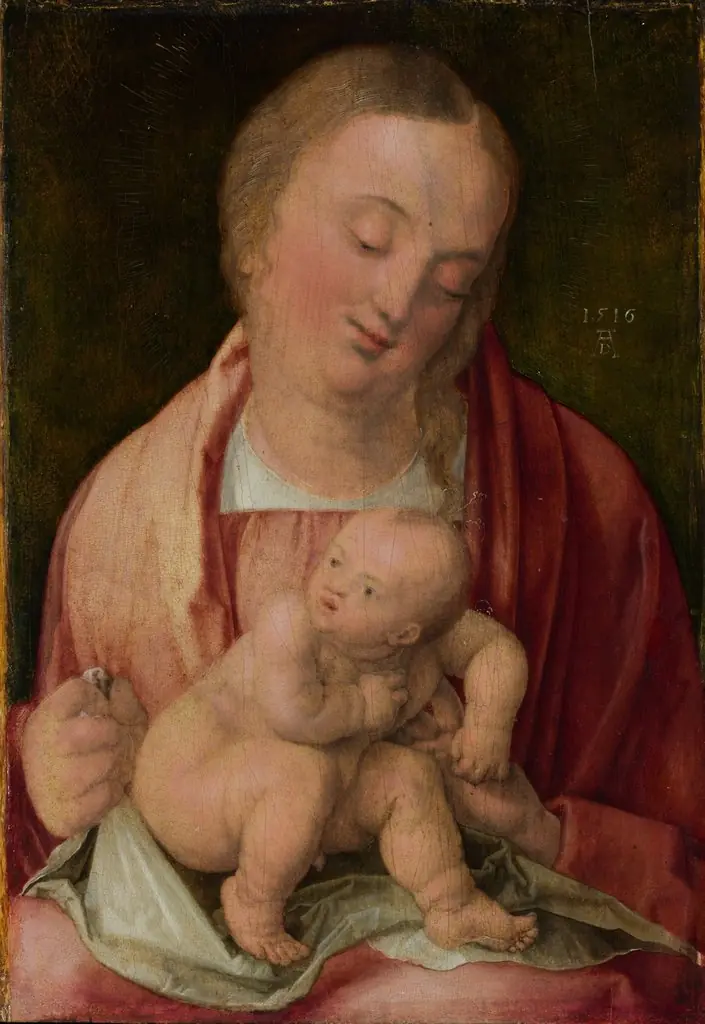
![Madonna and Child [obverse], by Albrecht Dürer](https://artifactworldgallery.com/img/albrecht-durer--madonna-and-child-obverse--d7b8ebf05d22ebe5-w320.webp)
![Lot and His Daughters [reverse], by Albrecht Dürer](https://artifactworldgallery.com/img/albrecht-durer--lot-and-his-daughters-reverse--b4ebf9b282faa17a-w320.webp)