Artwork
Taller de grabado (Calcografía Nacional)
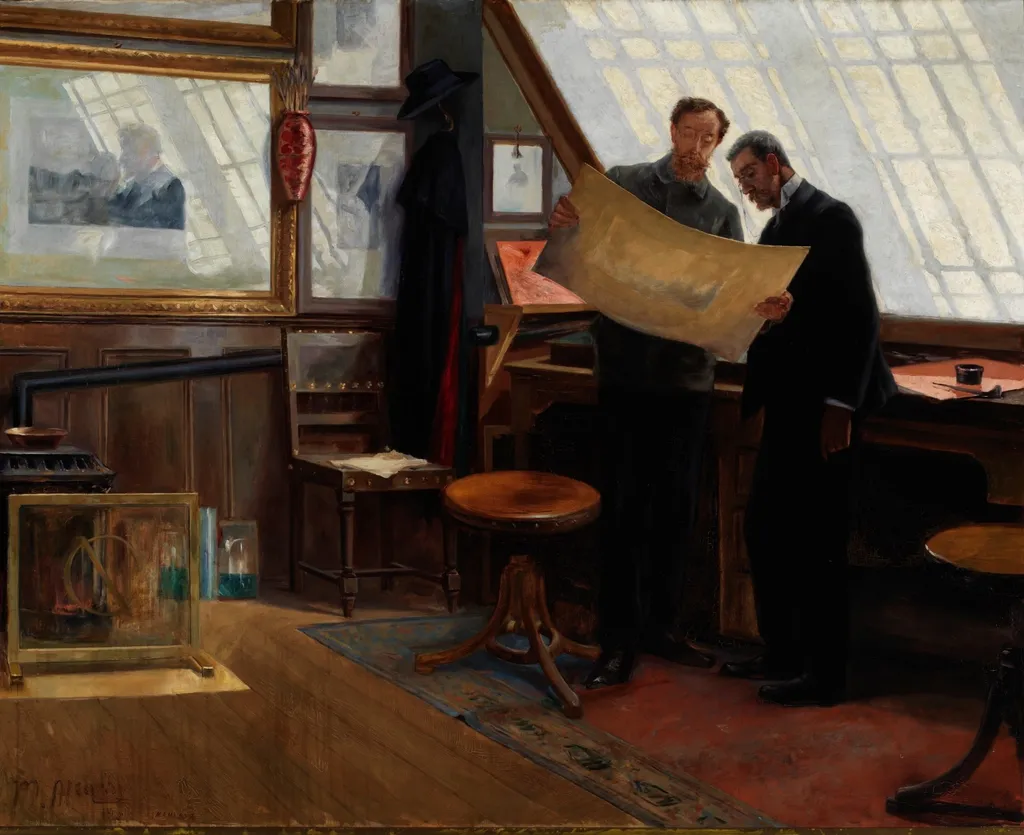
Taller de grabado (Calcografía Nacional) is an oil painting by the Post-Impressionist artist Manuel Alcázar y Ruiz. It dates from 1901 and is held in the collection of the Museo del Prado.
About this work
Overview
Painted in 1901 by Manuel Alcázar y Ruiz, this oil work captures an interior scene within the Calcografía Nacional, Spain’s national engraving workshop.
Painted in 1901 by Manuel Alcázar y Ruiz, this oil work captures an interior scene within the Calcografía Nacional, Spain’s national engraving workshop. The painting portrays two figures engaged in the quiet, focused labor of examining a rolled drawing. Its composition emphasizes the interplay of light and shadow, drawing attention to the tactile details of the workspace and the concentration of its inhabitants.
Subject & Meaning
The scene depicts two artisans—likely engravers or conservators—intently studying a rolled print. One holds the paper taut while the other leans in to inspect its details. The setting, filled with stored artworks and tools, suggests a repository of cultural heritage. The focus on their quiet collaboration implies reverence for craftsmanship and the transmission of technical knowledge within a institutional context.
Technique & Style
Alcázar employs chiaroscuro to isolate the figures and their activity from the surrounding shadows. Natural light enters from above, striking their faces and hands with precision, while the rest of the room recedes into muted tones. The texture of wood, fabric, and paper is rendered with subtle brushwork, enhancing the sense of a lived-in, functional space. The palette is restrained, dominated by earth tones with a single warm red accent on the floor.
History & Provenance
The painting was completed in 1901 and entered the collection of the Museo del Prado shortly thereafter. It reflects the late 19th-century Spanish interest in documenting institutional life and artisanal labor. As a work produced within the cultural sphere of Madrid’s artistic institutions, it was likely commissioned or acquired to represent the nation’s commitment to preserving graphic arts.
Context
At the turn of the 20th century, Spain saw renewed institutional efforts to preserve and study graphic arts. The Calcografía Nacional, founded in the 18th century, served as a center for printmaking and conservation. Alcázar’s painting aligns with a broader trend of realism that turned attention to behind-the-scenes cultural work, contrasting with grand historical or mythological subjects common in earlier academic art.
Legacy
The painting endures as a quiet record of artistic labor in a specialized Spanish institution. It offers insight into the material culture of printmaking workshops and the dignity assigned to technical craft. Though not widely exhibited, it remains a significant example of early 20th-century Spanish genre painting that values observation over drama.
Artist & collection

 Ateljeetunnelma
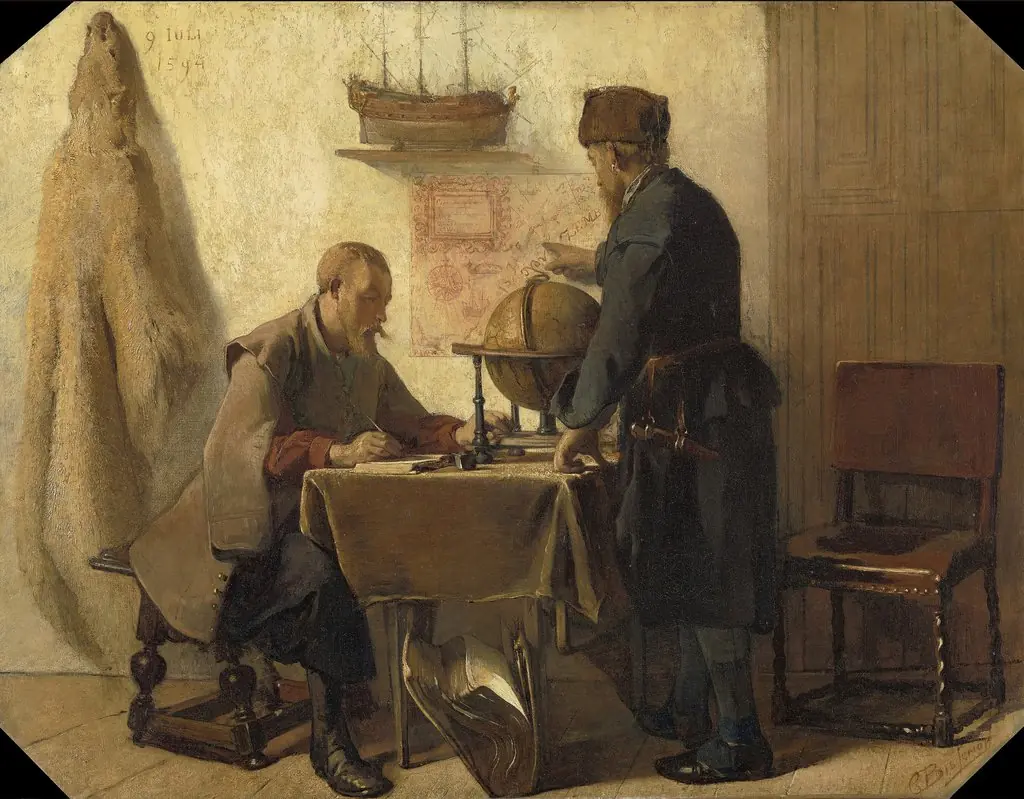 Heemskerck and Barents Planning their Second Expedition to the Far North
 Camille Lemonnier in the studio of the artist
 The Print Collectors
 In the painter's studio
 The Chess Players
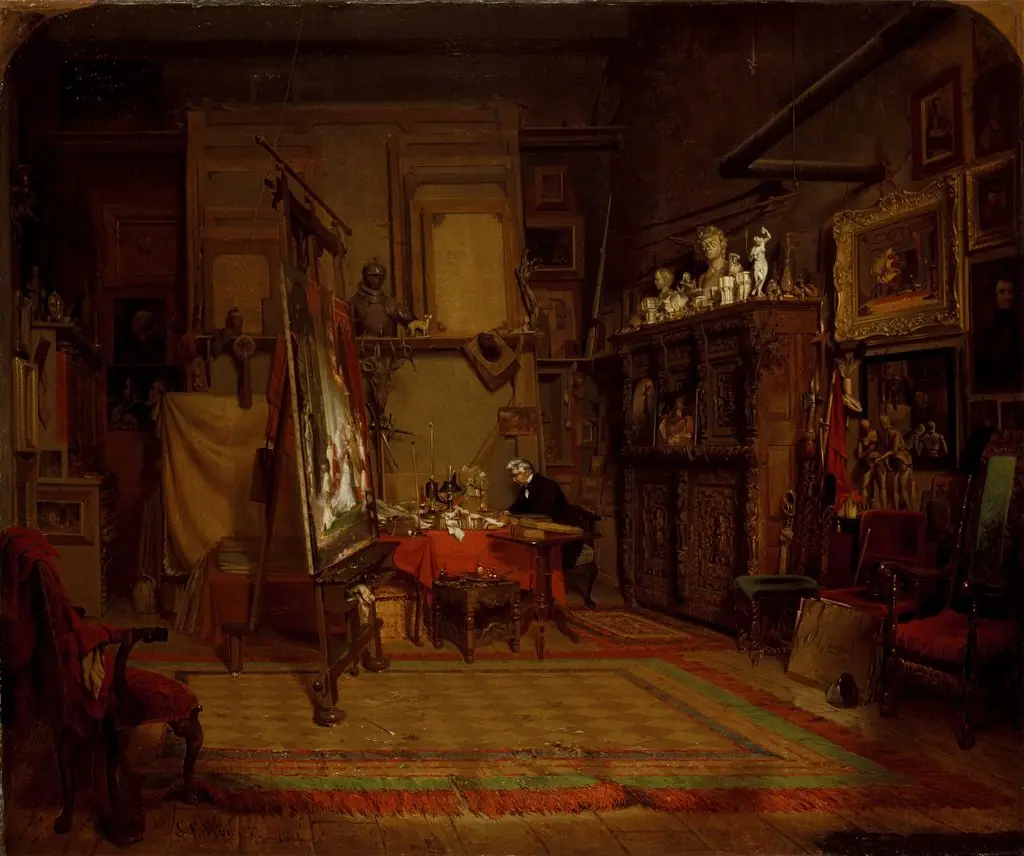 An Artist's Studio
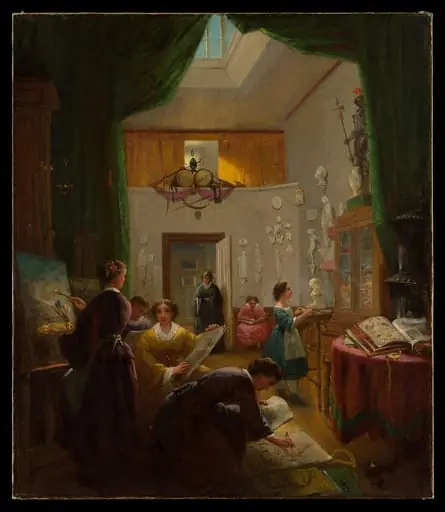 Women's Art Class
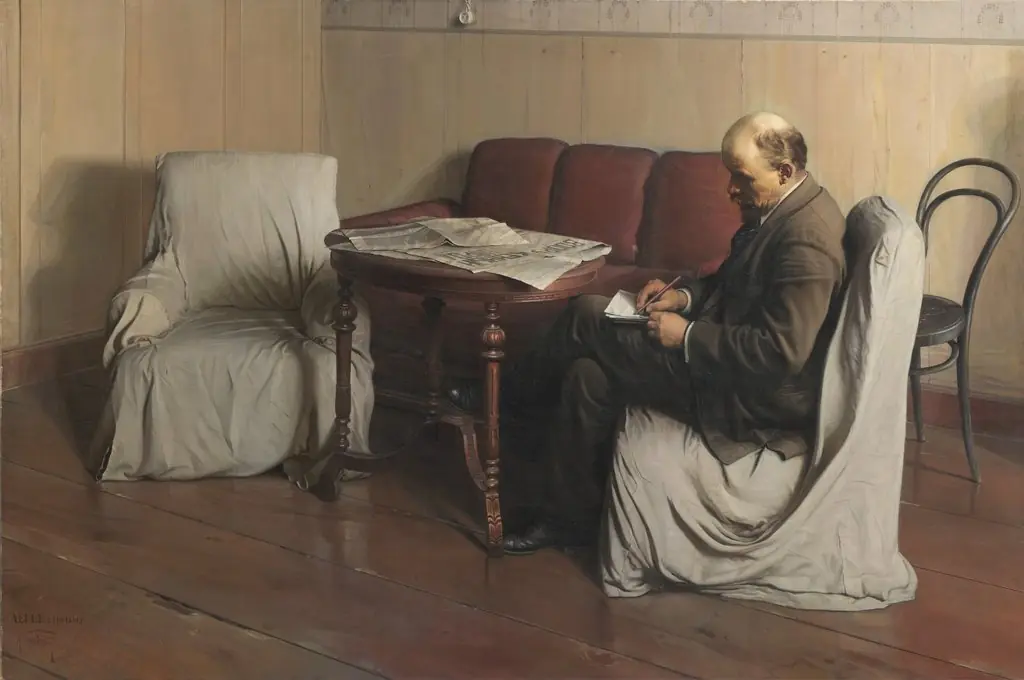 Vladimir Lenin in Smolny
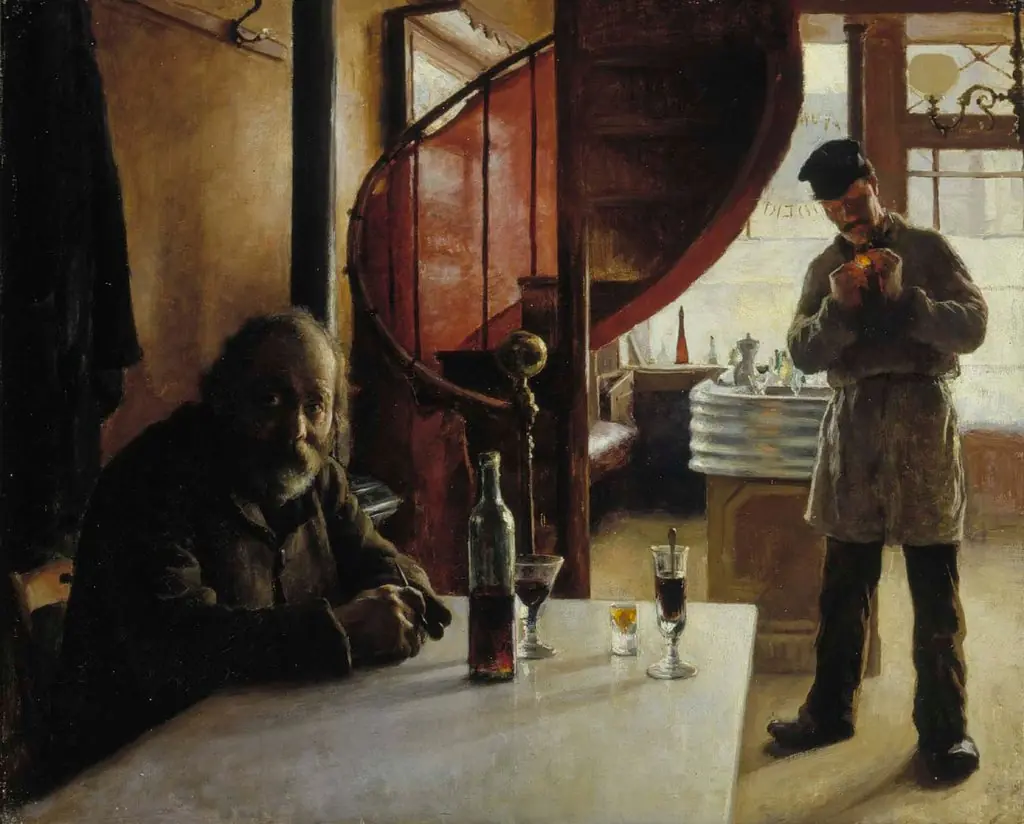 Le Franc, Wine Merchant, Boulevard de Clichy, Paris
 The Print Collector
 The Artist in his Dublin Studio