Artwork
Christ and the Woman of Samaria
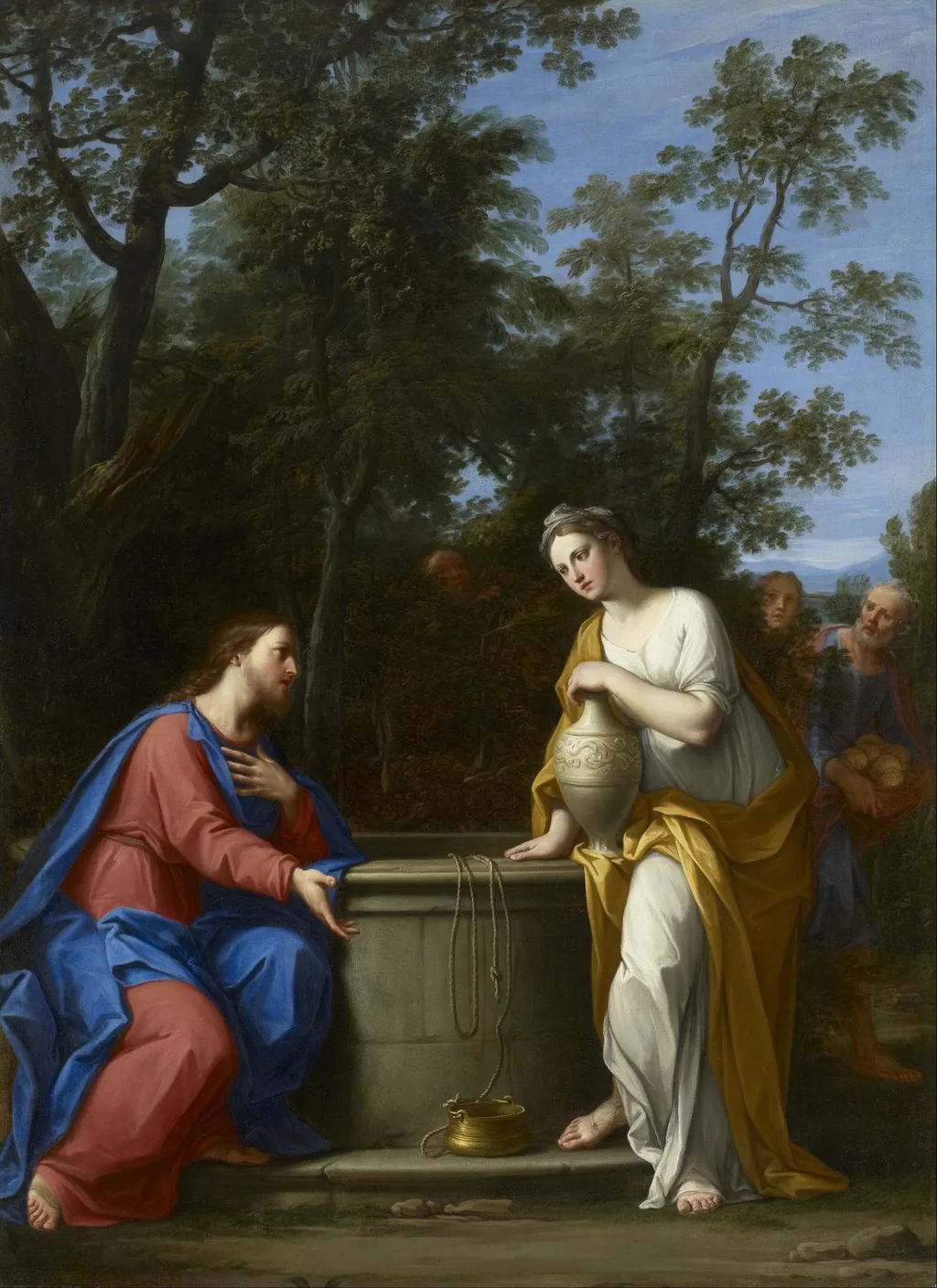
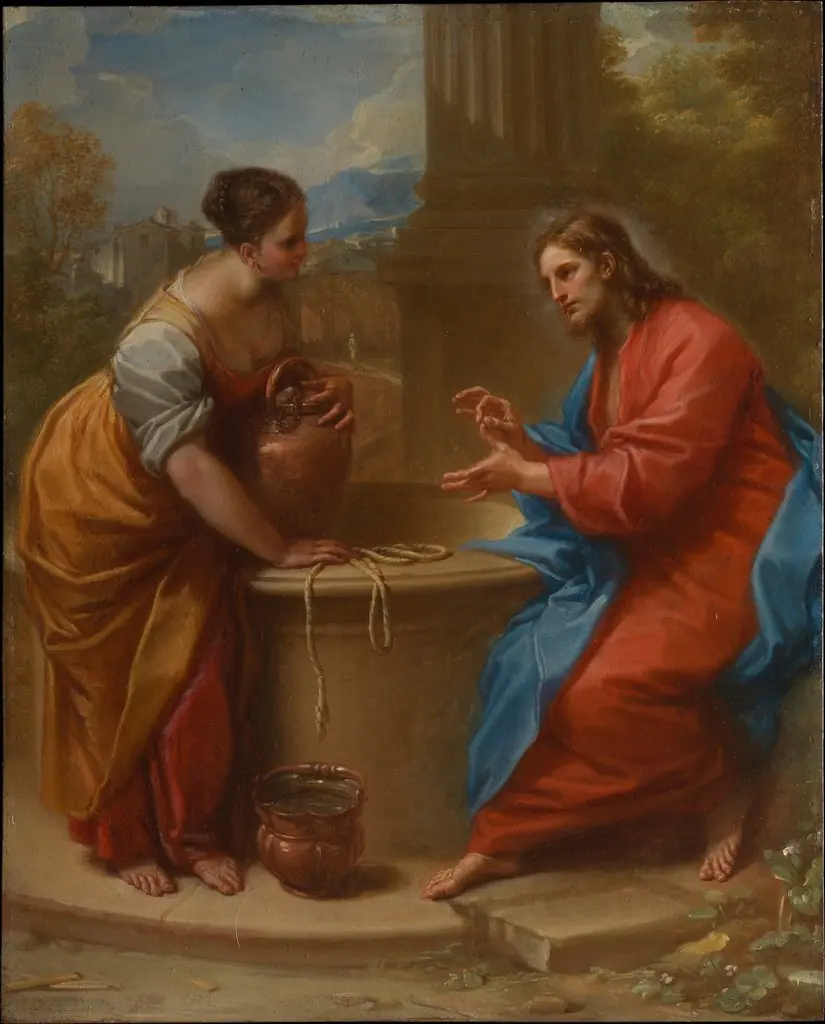
Christ and the Woman of Samaria is an oil painting by the High Baroque Italian artist Marcantonio Franceschini. It dates from 1700 and is held in the collection of the Museum of Fine Arts, Houston.
About this work
Overview
Painted in 1700 by Marcantonio Franceschini, this oil-on-canvas work portrays a biblical encounter between Christ and the Samaritan woman at Jacob’s well.
Painted in 1700 by Marcantonio Franceschini, this oil-on-canvas work portrays a biblical encounter between Christ and the Samaritan woman at Jacob’s well. Created during the High Baroque period in Bologna, the painting reflects the era’s emphasis on emotional clarity and naturalistic detail. It is now part of the Museum of Fine Arts, Houston’s collection, where it continues to be studied for its composition and devotional tone.
Subject & Meaning
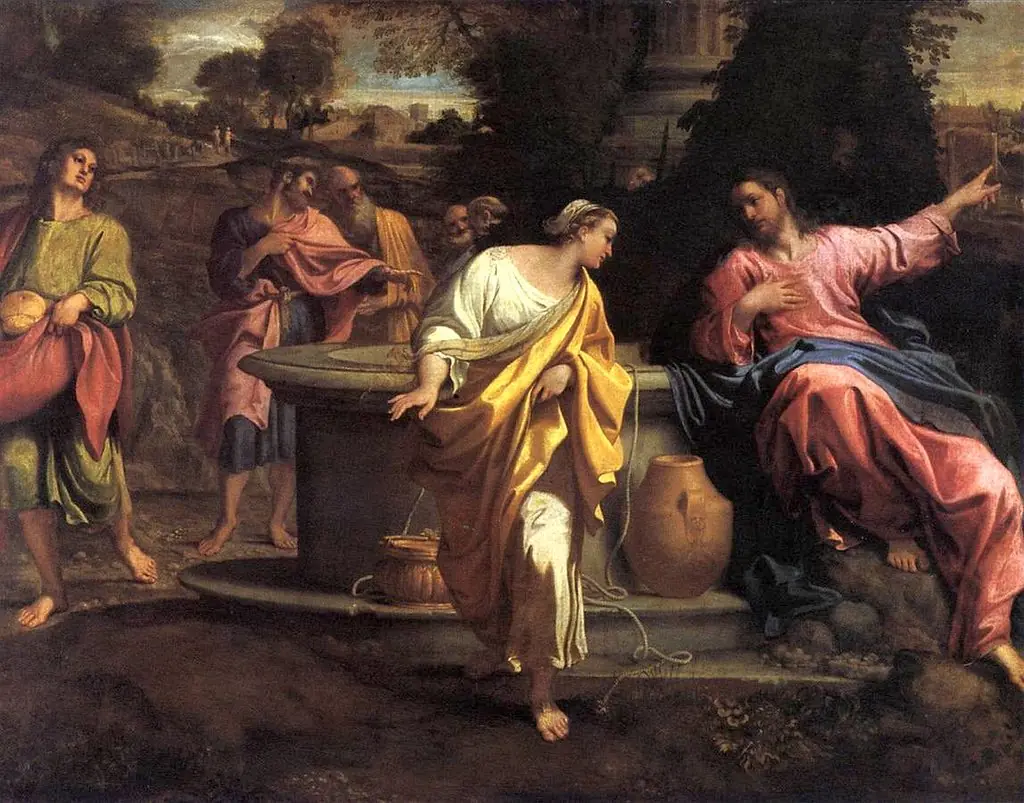
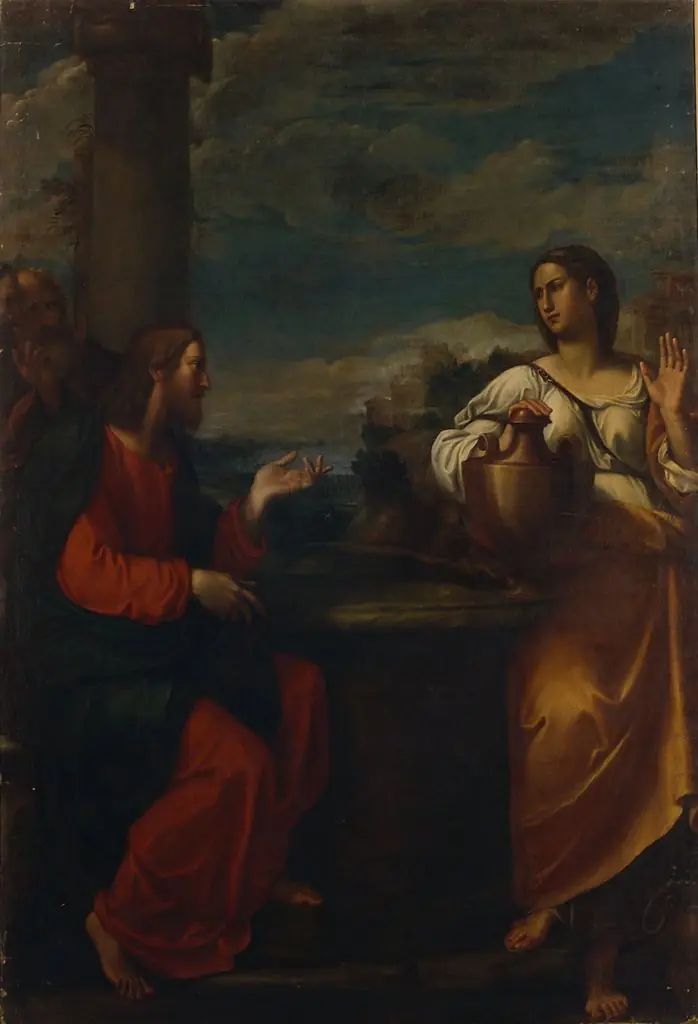
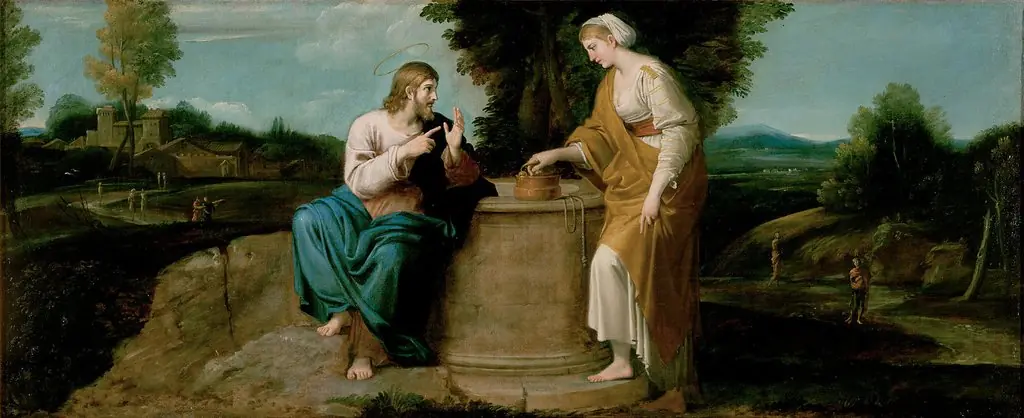
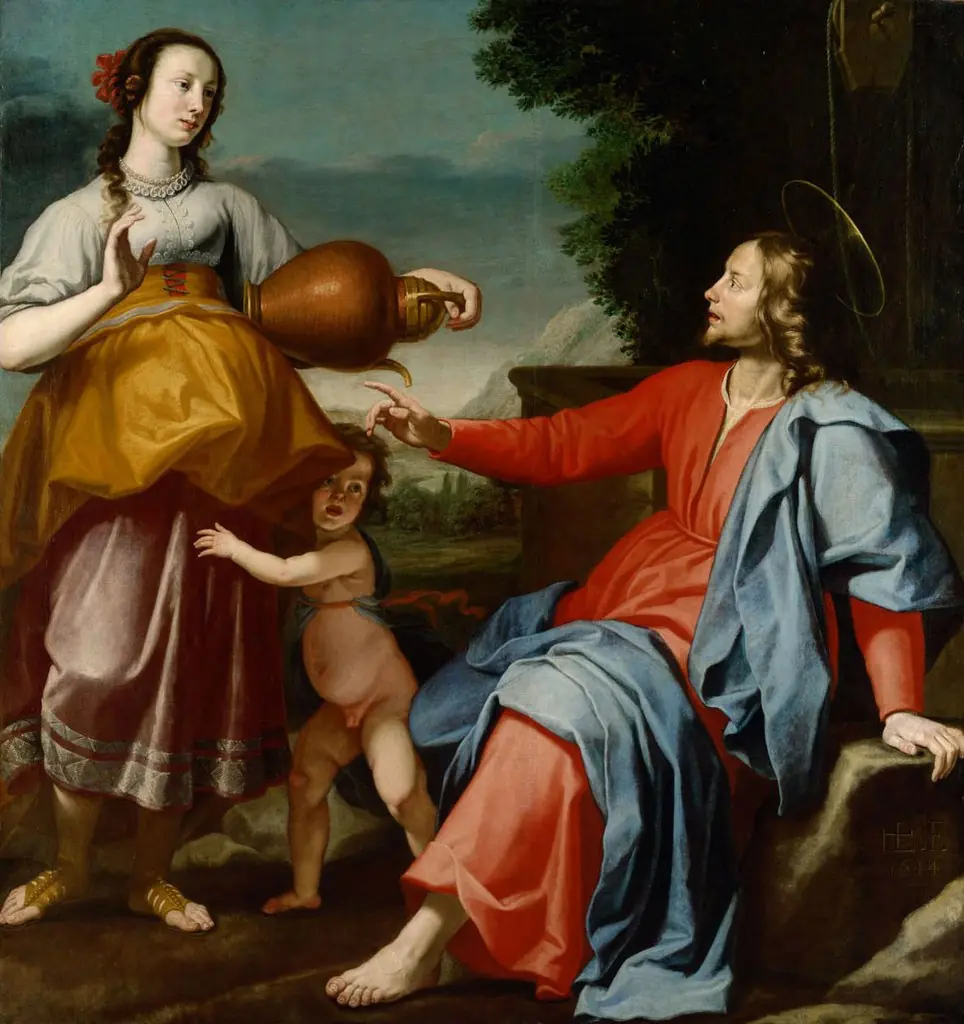
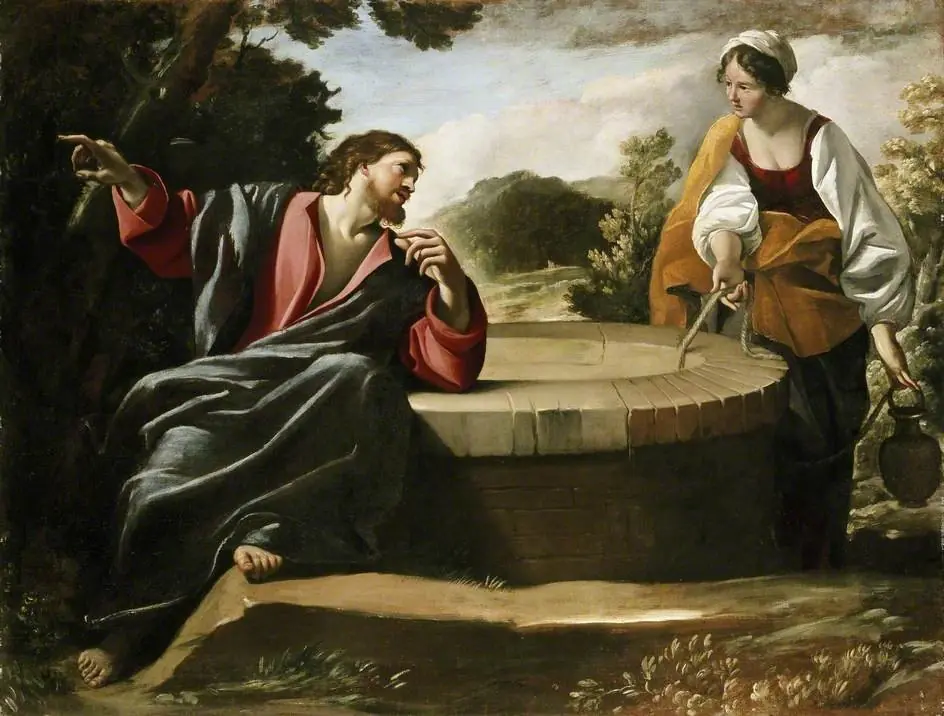
The scene illustrates John 4:5–26, in which Christ, seated by a well, speaks to a woman from Samaria about living water. Her posture—hand resting on the stone well, vessel in hand—signals transition from daily labor to spiritual revelation. The quiet exchange, devoid of dramatic gesture, underscores the Gospel’s theme of grace extended beyond social and religious boundaries.
Technique & Style
Franceschini employs soft modeling and muted tonal contrasts to create a serene atmosphere. Figures are rendered with gentle chiaroscuro, their drapery flowing naturally against a landscape of loose, atmospheric trees. The gold object near the well—likely a vessel or symbolic token—is rendered with subtle highlights, drawing attention without disrupting the painting’s calm rhythm.
History & Provenance
Commissioned during Franceschini’s mature period, the painting likely originated in a private or ecclesiastical setting in northern Italy. It entered the Museum of Fine Arts, Houston’s collection in the 20th century, following documented transfers through European and American collectors. Its preservation has remained consistent, with no major restorations altering its original surface.
Context
In early 18th-century Bologna, religious subjects remained central to artistic production, even as secular themes gained ground elsewhere. Franceschini, trained in the Carracci tradition, favored restrained emotion and clarity over theatricality. This work aligns with regional tendencies toward devotional intimacy, contrasting with the more dynamic Baroque styles of Rome or Naples.
Legacy
Though not among Franceschini’s most widely reproduced works, this painting exemplifies his ability to convey theological nuance through quiet composition. It contributes to scholarly understanding of how Bolognese artists adapted Counter-Reformation ideals into accessible, human-centered narratives, influencing later regional painters seeking spiritual depth over spectacle.
Own this work as a print
Artist & collection
Artist
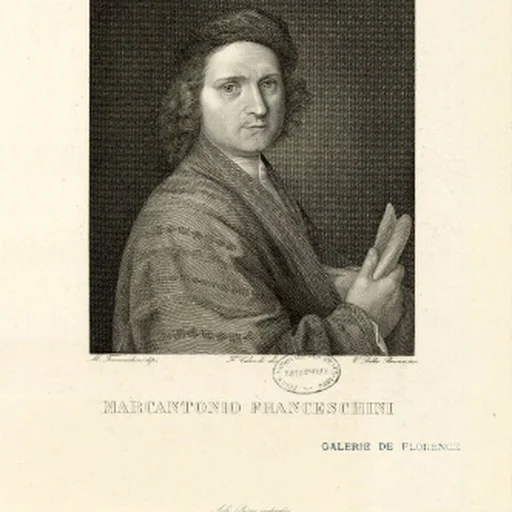
Marcantonio Franceschini (Italian pronunciation: ; 1648 – 24 December 1729) was an Italian painter of the Baroque period, active mostly in his native Bologna. He was the father and teacher of Giacomo Franceschini.

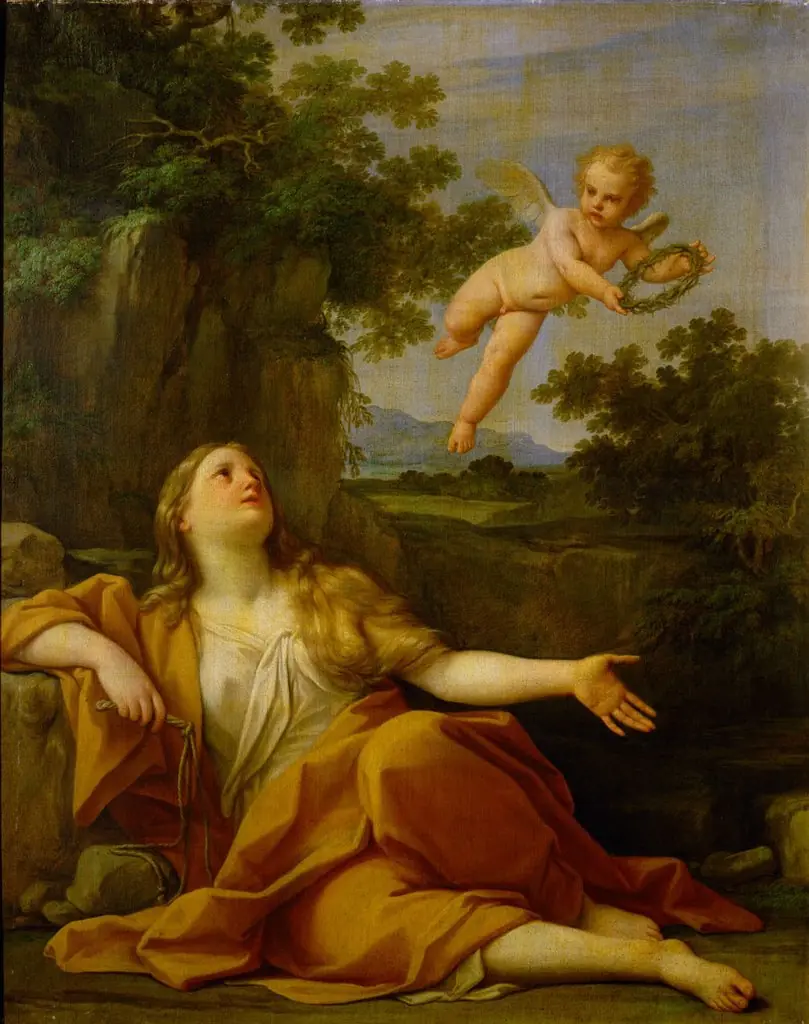
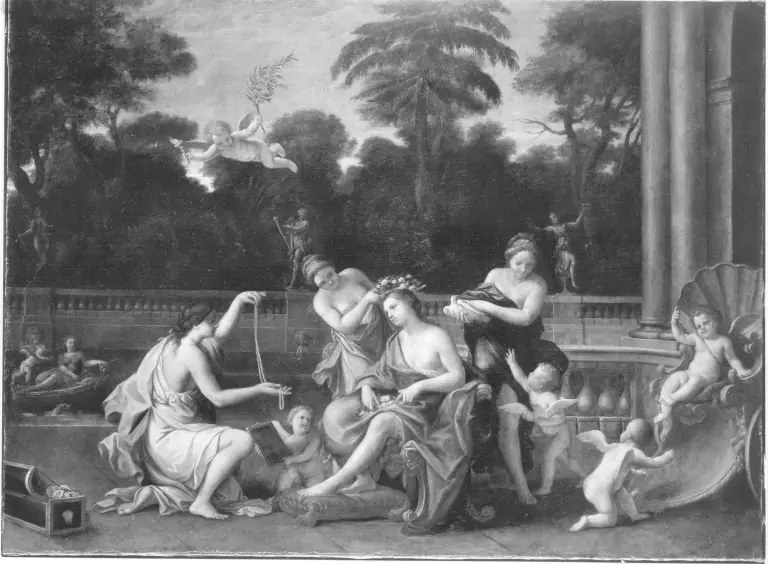
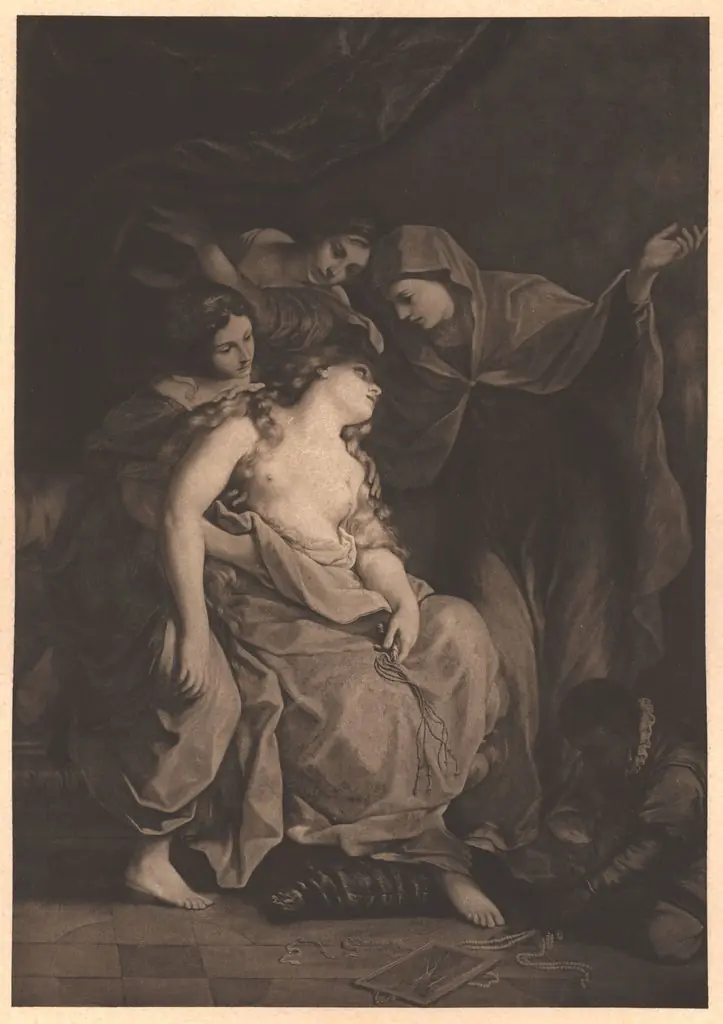
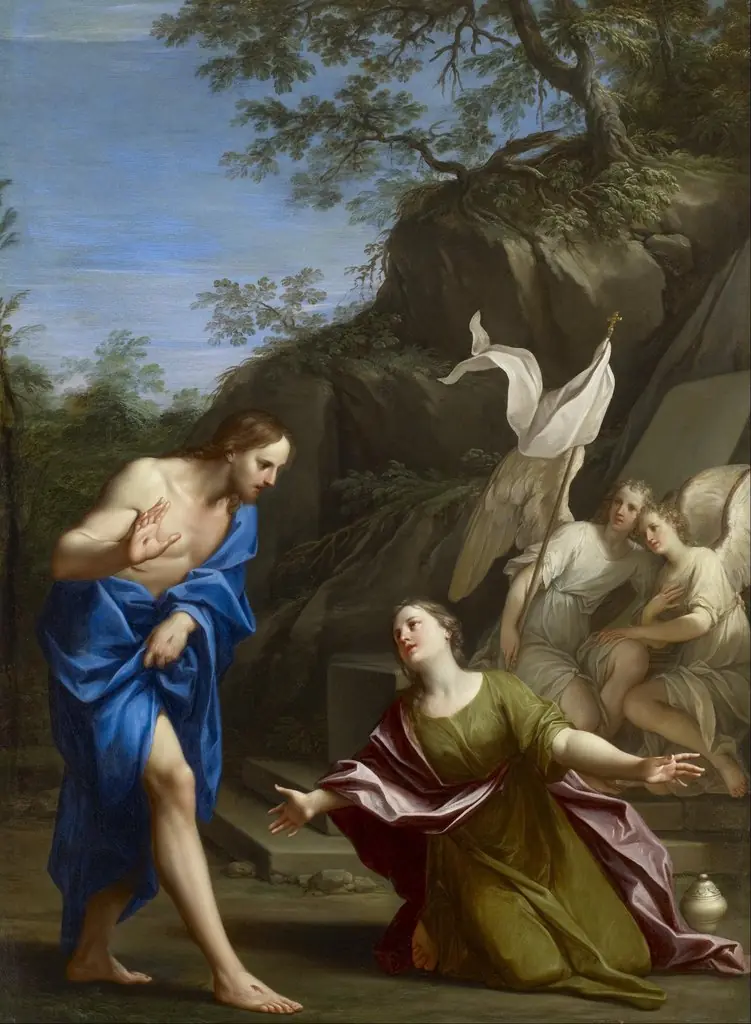
 Christ and the Woman of Samaria
 Christ and the Woman of Samaria
 Christ and the Woman of Samaria
 Christ and the Woman of Samaria
 Christ and the Woman of Samaria
 Christ and the Woman of Samaria
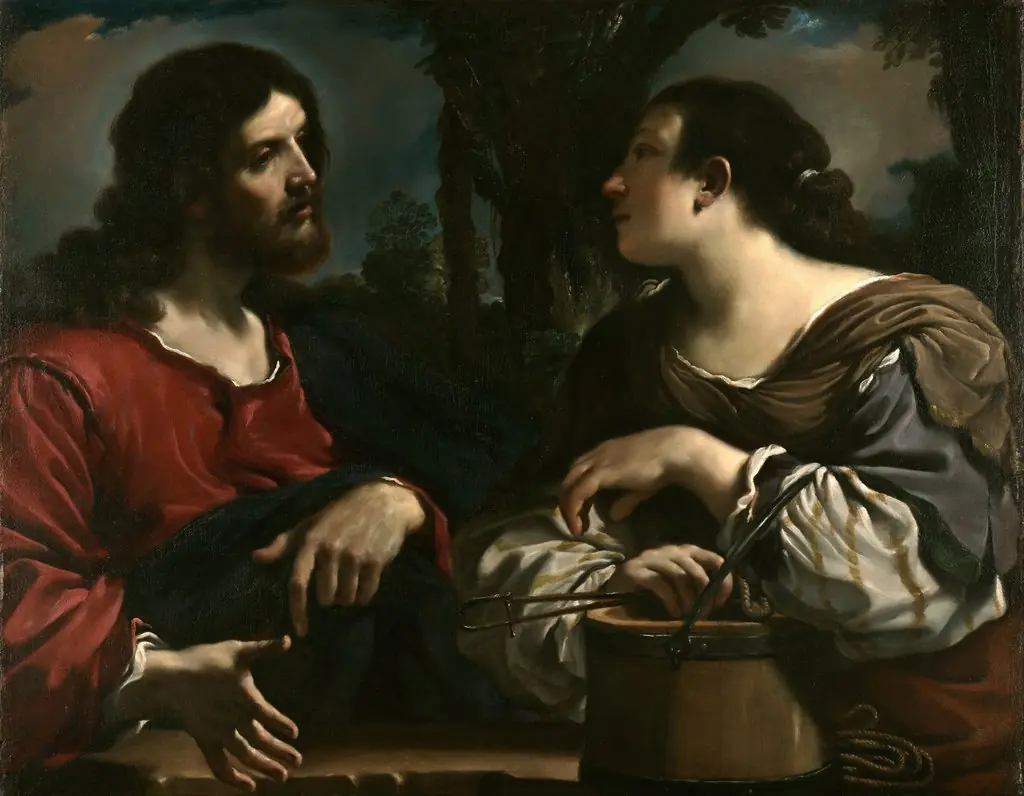 Christ and the Woman of Samaria
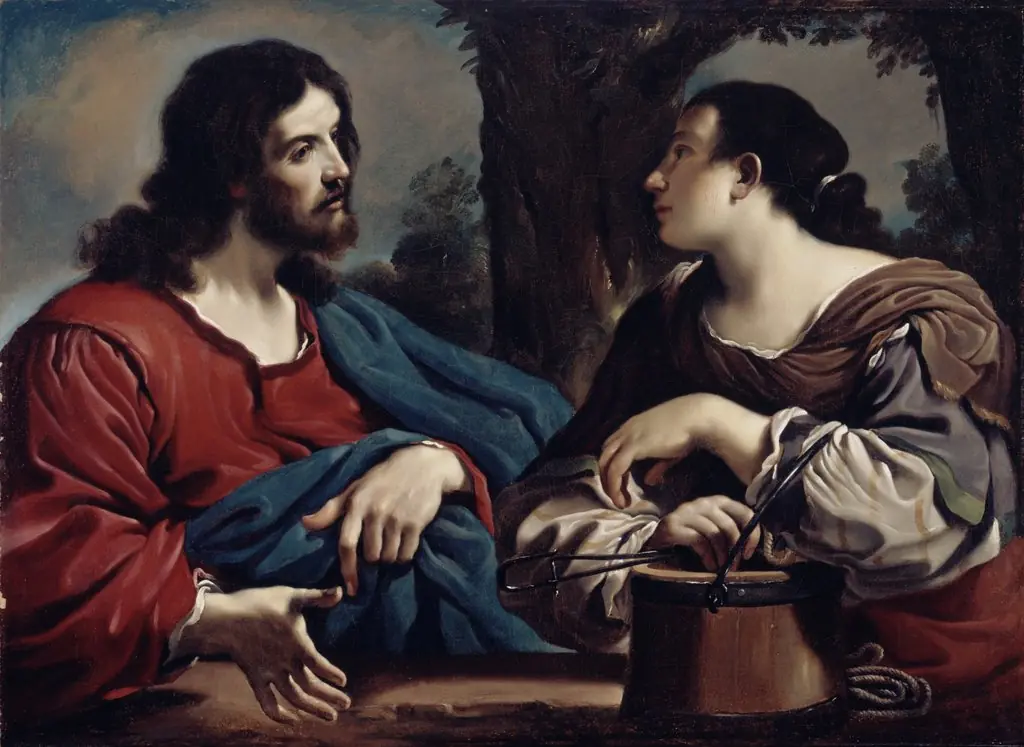 Christ and the Woman of Samaria
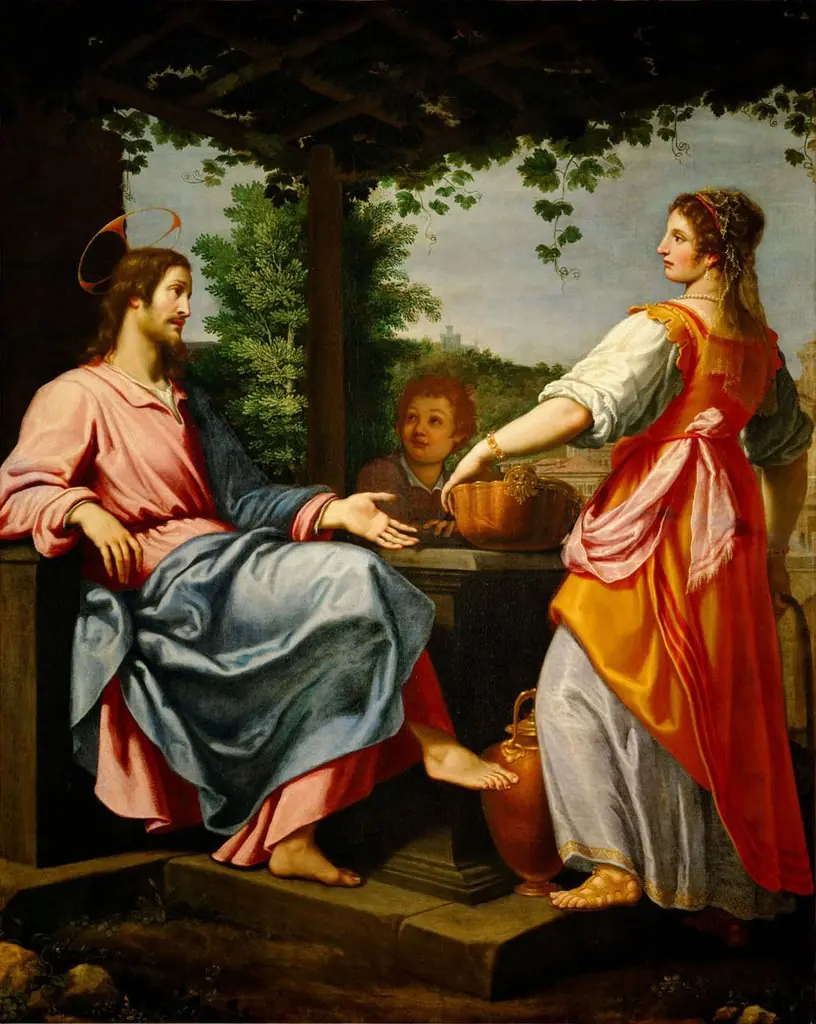 Christ and the Woman of Samaria
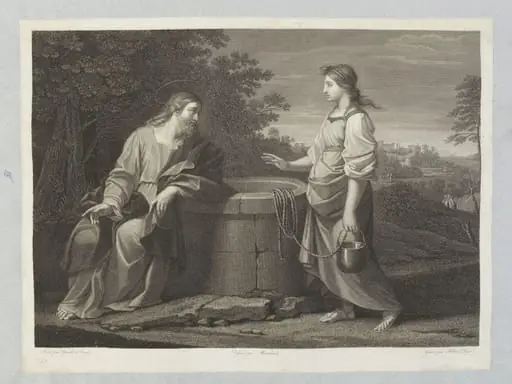 Christ and the Woman of Samaria