Artwork
Christ and the Woman of Samaria
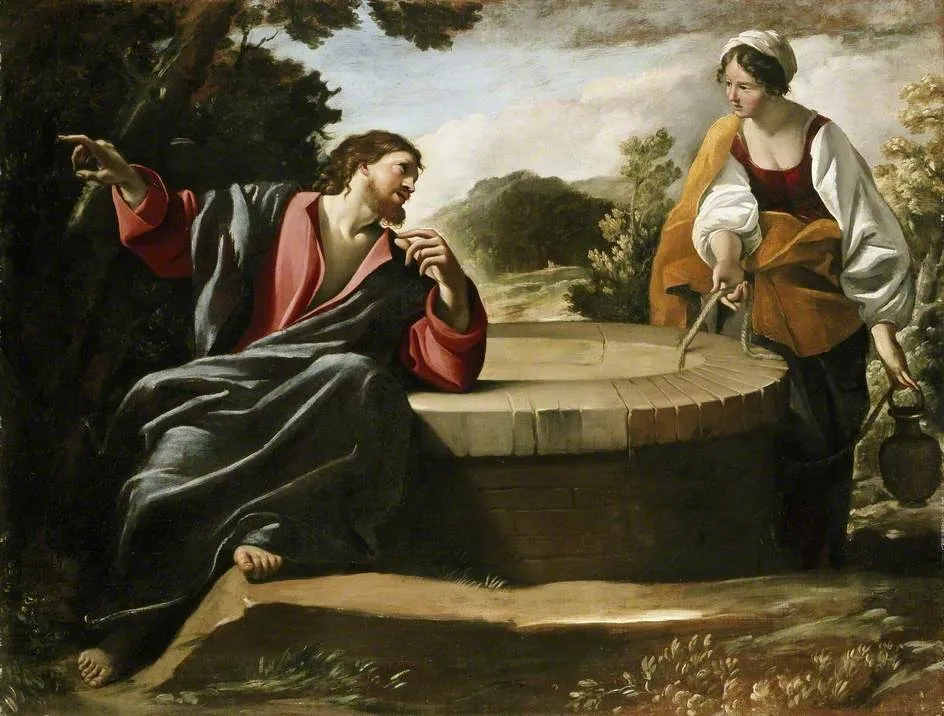
Christ and the Woman of Samaria is an oil painting by the Early Baroque Italian artist Giovanni Lanfranco. It dates from 1624 and is held in the collection of the Ashmolean Museum.
About this work
Overview
As a key figure in the Bolognese Baroque tradition, Lanfranco synthesized the classical restraint of Annibale Carracci with a dynamic sense of spatial depth.
Painted around 1624 by Giovanni Lanfranco, this oil-on-canvas work portrays a moment from the Gospel of John in which Christ speaks with a Samaritan woman at a well. As a key figure in the Bolognese Baroque tradition, Lanfranco synthesized the classical restraint of Annibale Carracci with a dynamic sense of spatial depth. The painting is part of the Ashmolean Museum’s collection, where it remains a quiet example of early 17th-century Italian religious narrative.
Subject & Meaning
The scene captures Christ’s encounter with the Samaritan woman, a moment notable for its breaking of social and religious boundaries. He sits at ease beside the well, offering living water, while she stands attentive, her posture reflecting both curiosity and reverence. The interaction underscores themes of spiritual revelation and inclusion, conveyed not through dramatic gesture but through composed stillness and mutual regard.
Technique & Style
Lanfranco employs chiaroscuro to model the figures with soft, naturalistic volume, guiding the eye toward the central exchange. The red of Christ’s robe contrasts subtly with the woman’s earth-toned garments, anchoring the composition without overwhelming it. The background—sparse trees and a hazy sky—recedes gently, enhancing the intimacy of the moment. Brushwork is refined, avoiding theatricality in favor of calm clarity.
History & Provenance
Commissioned during Lanfranco’s early maturity, the painting likely originated in a private or ecclesiastical context in northern Italy. It entered the Ashmolean Museum’s holdings in the 19th century, possibly through the collection of a British traveler or diplomat with ties to Italian art. Its preservation reflects sustained interest in Baroque religious painting outside Italy during the Victorian era.
Context
Created during the Counter-Reformation, the painting aligns with Catholic efforts to make biblical narratives accessible and emotionally resonant. While many contemporaries favored heightened drama, Lanfranco chose restraint, reflecting the Bolognese school’s preference for balanced composition and psychological nuance. The scene’s quietude contrasts with the more theatrical treatments common in Roman Baroque art of the period.
Legacy
Though less widely known than Lanfranco’s frescoes, this work exemplifies his ability to convey spiritual themes through understated realism. It influenced later artists seeking to merge classical harmony with emotional sincerity. Today, it stands as a representative piece of the Bolognese tradition, valued for its thoughtful interpretation rather than its spectacle.
Artist & collection
Artist
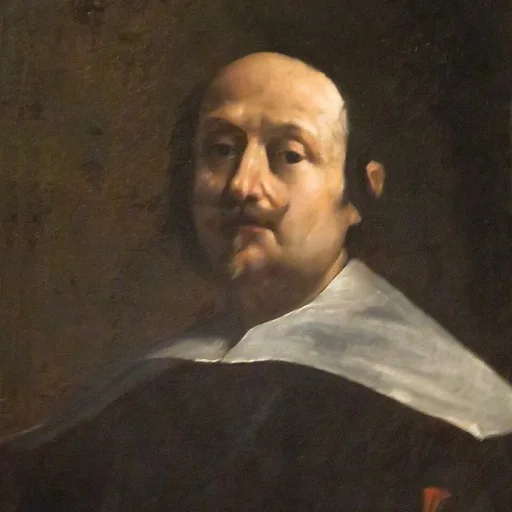
Giovanni Lanfranco (26 January 1582 – 30 November 1647) was an Italian Baroque painter. He was a distinguished artist of the Bolognese school, deeply influenced by Annibale Carracci's’ classicism.

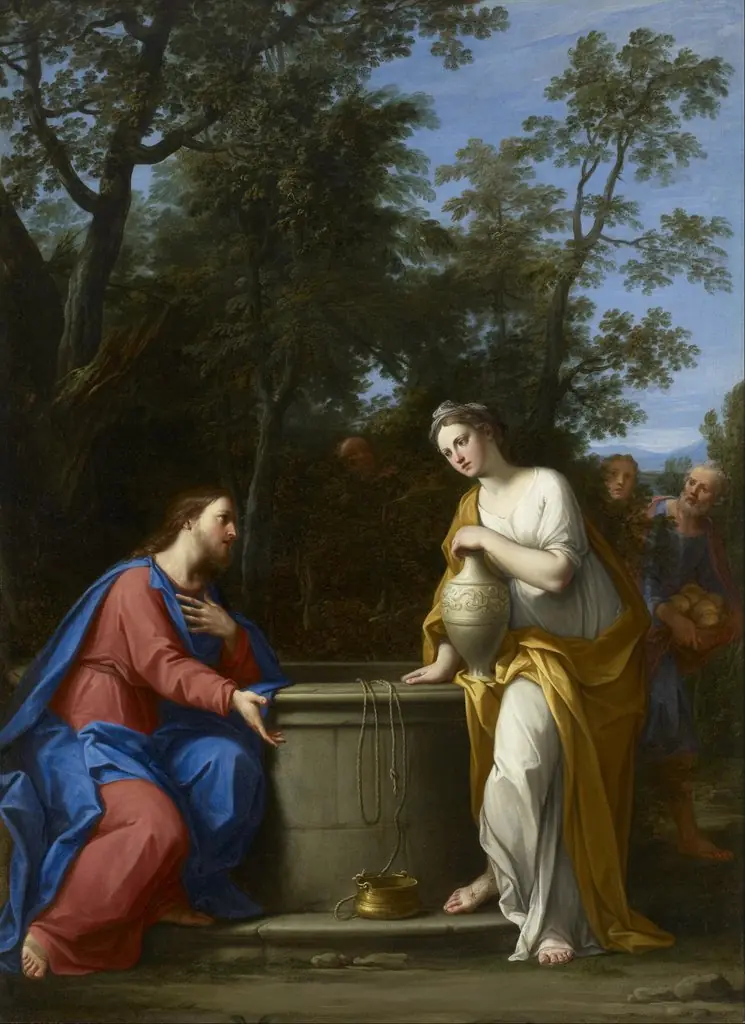 Christ and the Woman of Samaria
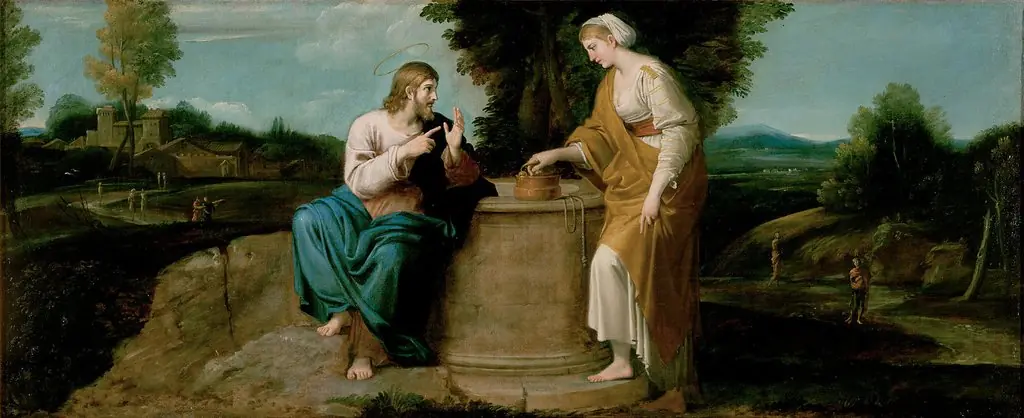 Christ and the Woman of Samaria
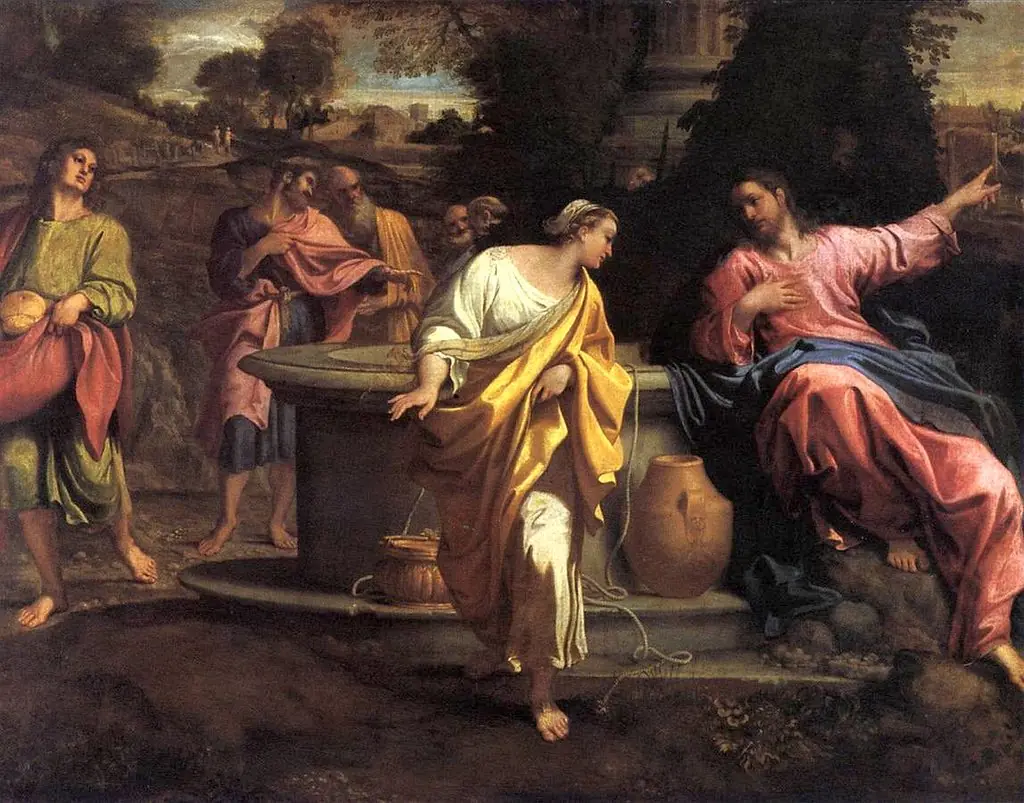 Christ and the Woman of Samaria
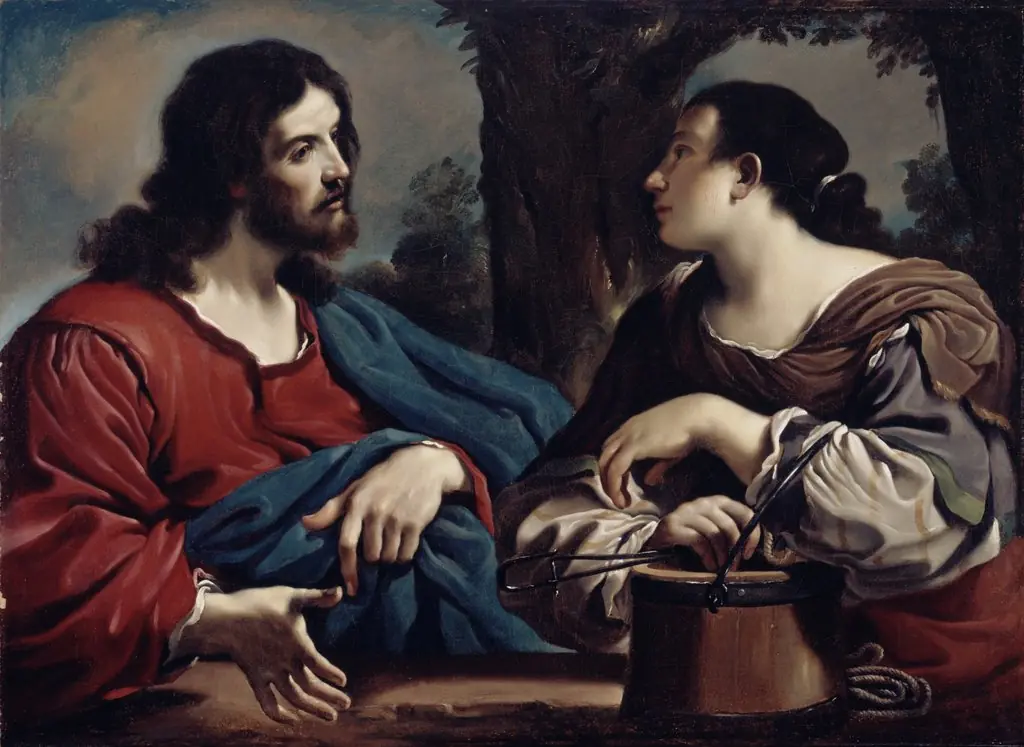 Christ and the Woman of Samaria
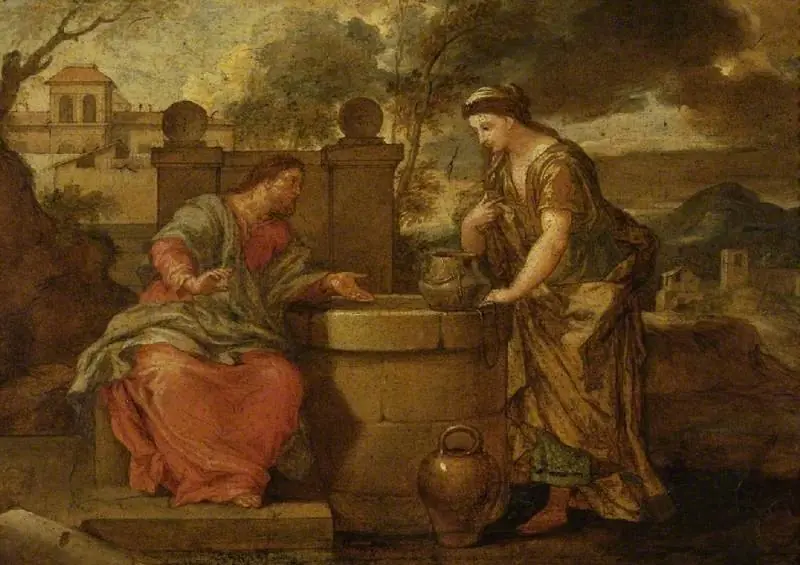 Christ and the woman of Samaria
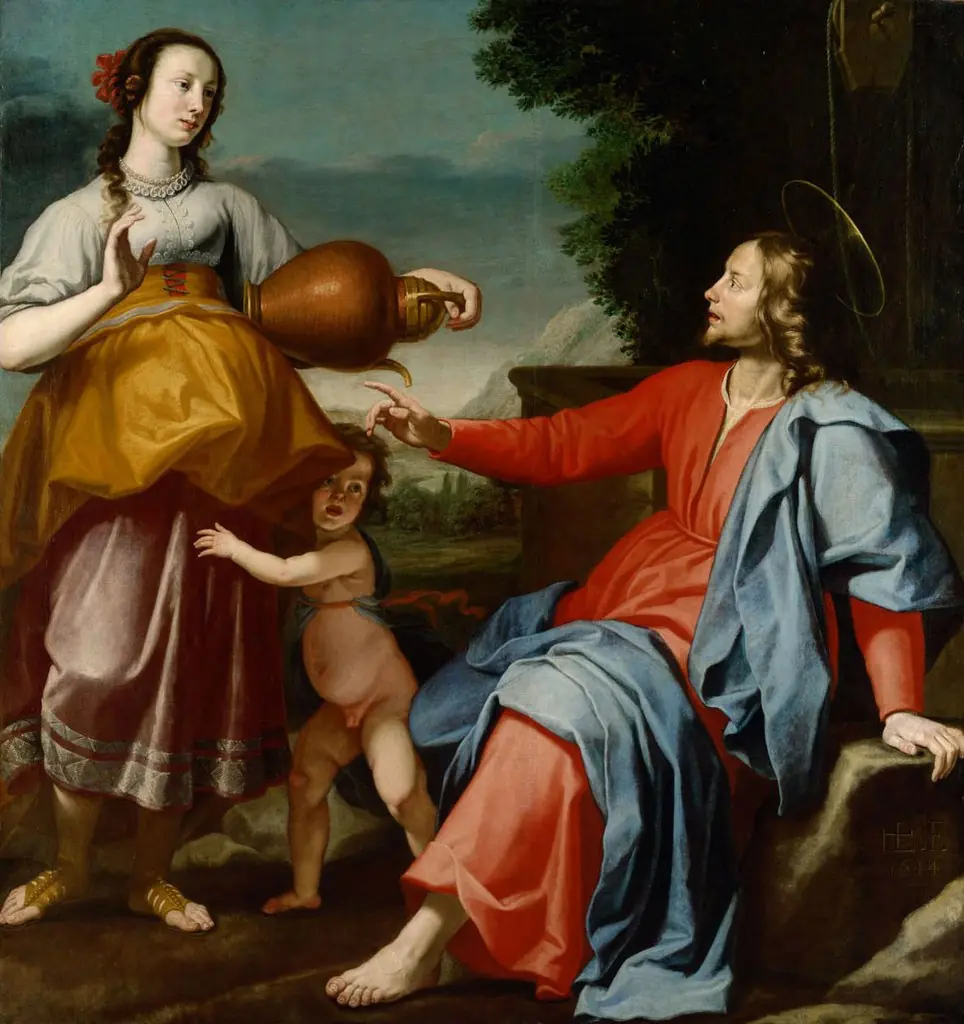 Christ and the Woman of Samaria
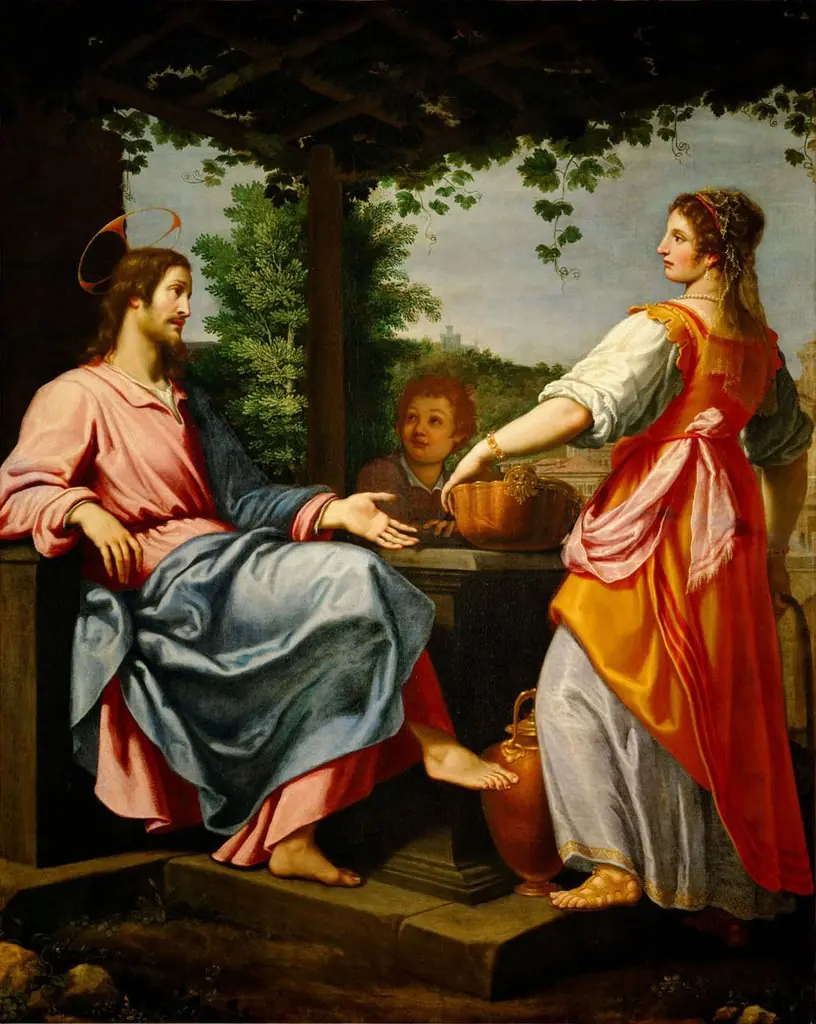 Christ and the Woman of Samaria
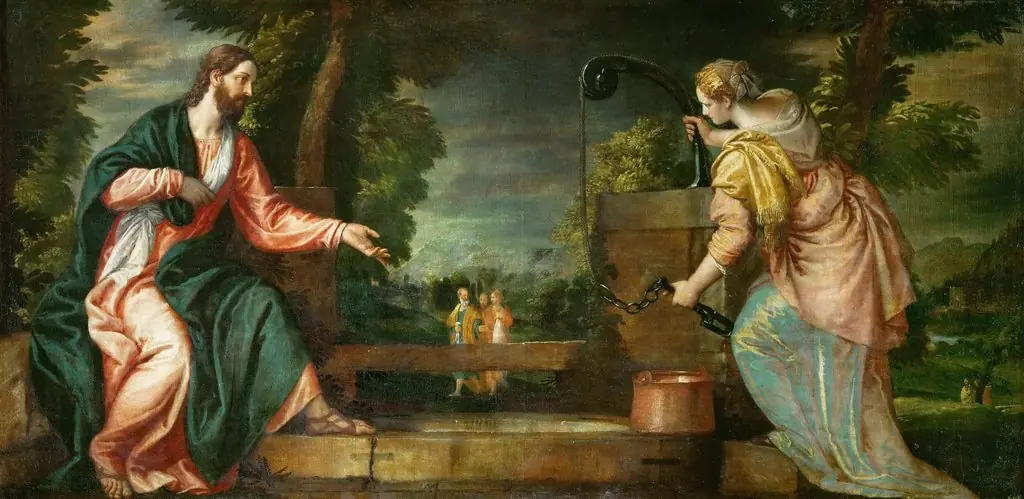 Christ and the Woman of Samaria
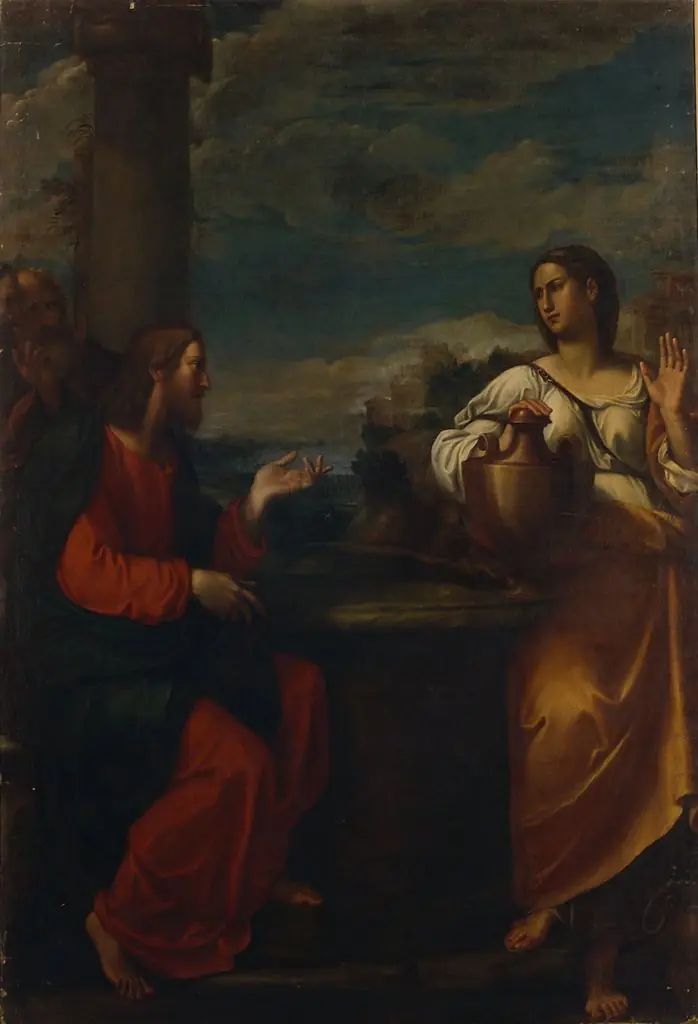 Christ and the Woman of Samaria
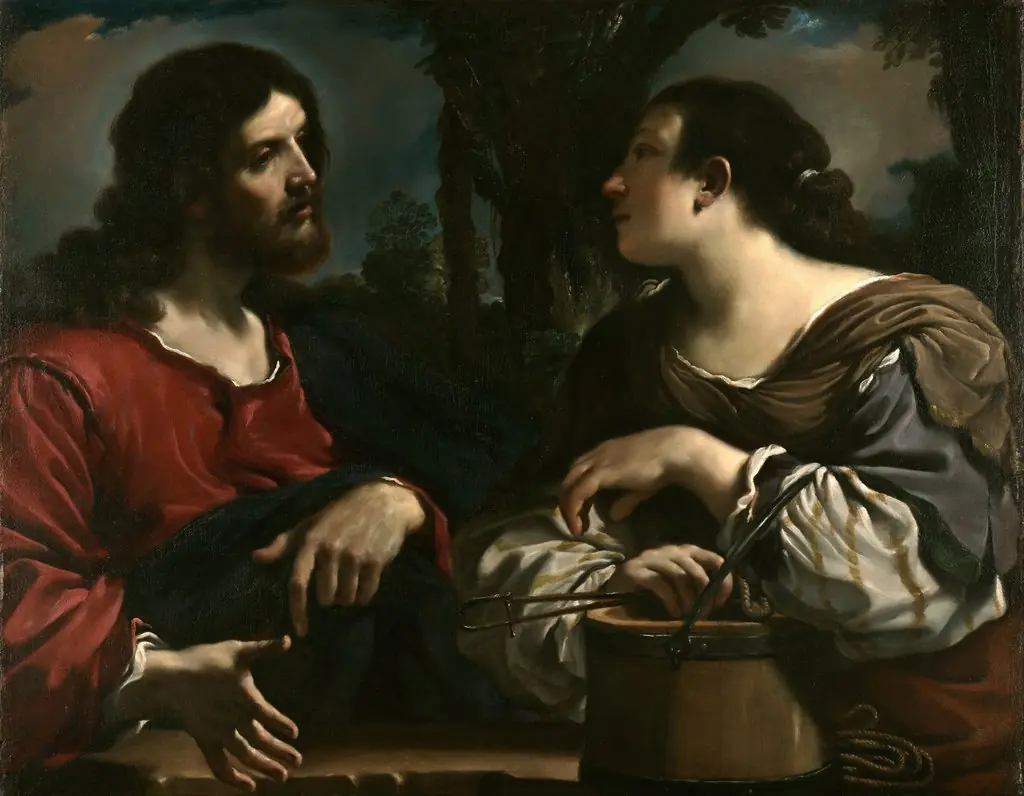 Christ and the Woman of Samaria