Artwork
Noli Me Tangere ("Touch me not")
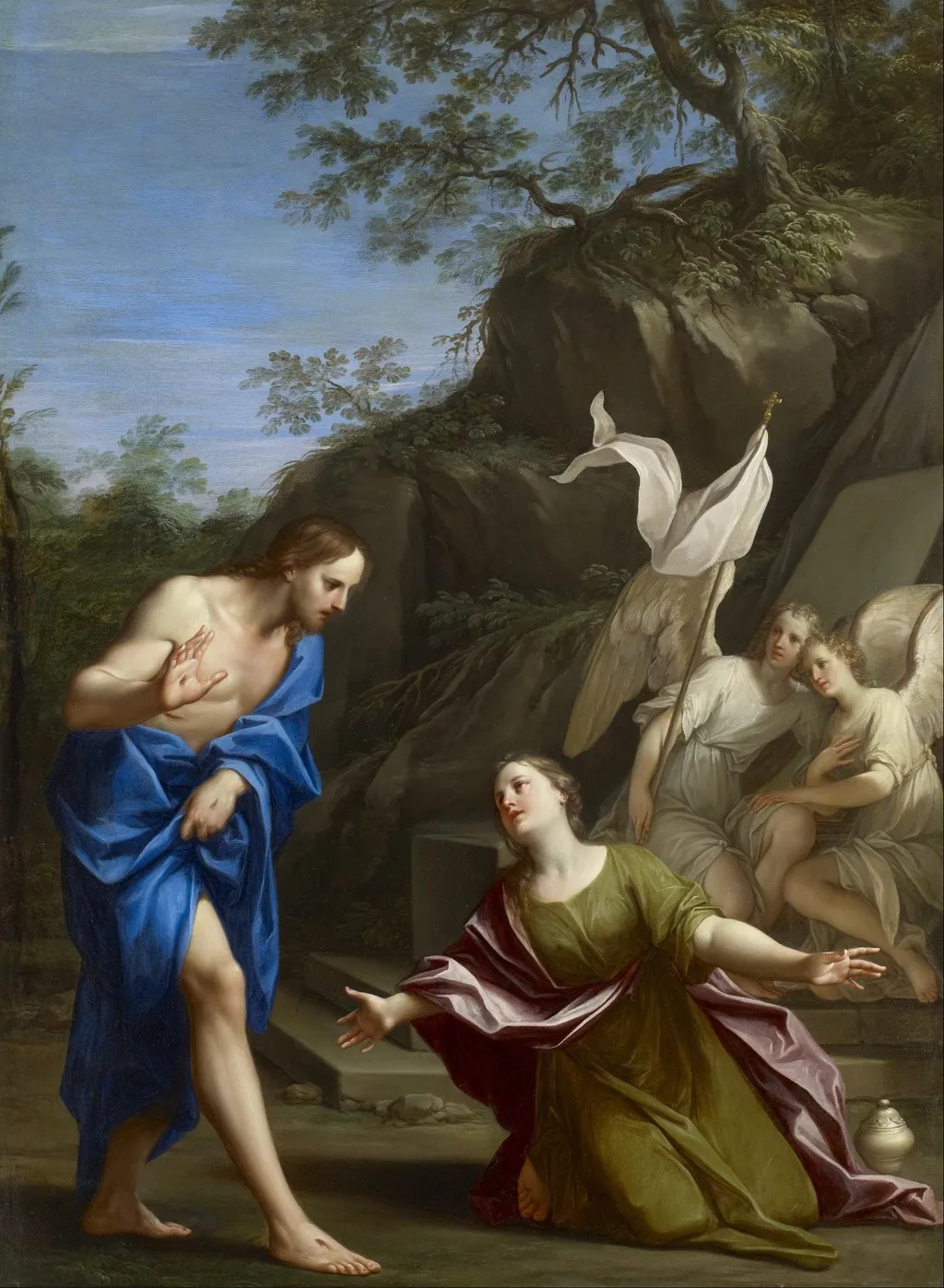
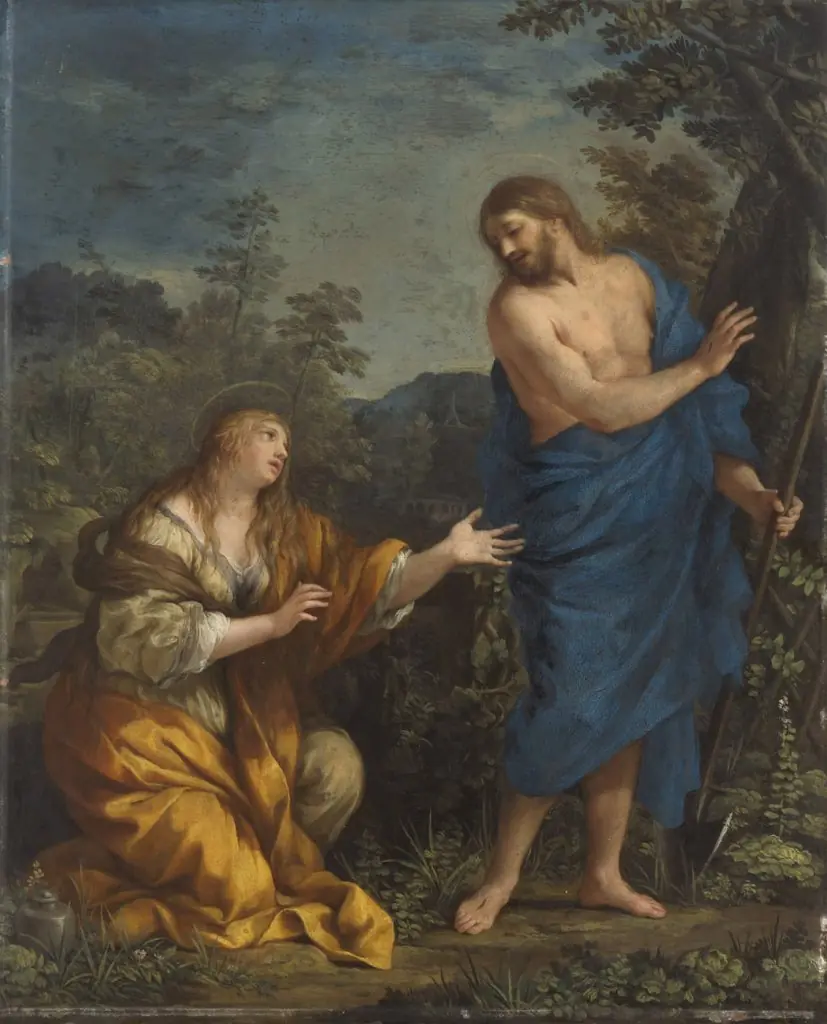
Noli Me Tangere ("Touch me not") is an oil painting by the Rococo painting artist Marcantonio Franceschini. It dates from 1700 and is held in the collection of the Museum of Fine Arts, Houston.
About this work
Overview
Painted in 1700 by Marcantonio Franceschini, this oil-on-canvas work illustrates the biblical moment after Christ’s resurrection when Mary Magdalene recognizes him in the garden. Created in Bologna, the painting reflects the transitional style between late Baroque and early Rococo, emphasizing emotional restraint and harmonious composition over dramatic intensity.
Subject & Meaning
His raised hand and composed posture convey divine transition, while her kneeling form and outstretched arm express devotion and recognition.
The scene captures Christ’s words to Mary Magdalene, 'Noli me tangere,' as he gently halts her attempt to touch him. His raised hand and composed posture convey divine transition, while her kneeling form and outstretched arm express devotion and recognition. The presence of angels and the tranquil landscape reinforce the sacredness of the encounter, framing it as a moment of spiritual revelation rather than physical reunion.
Technique & Style
Franceschini employs soft, luminous coloration and delicate brushwork to render fabric and skin with quiet realism. The figures are arranged diagonally across the canvas, guiding the eye from Mary’s gesture to Christ’s restrained response. The background’s muted greens and blues create depth without distraction, while the white flag above the angels introduces a subtle symbol of resurrection and divine presence.
History & Provenance
The painting entered the Museum of Fine Arts, Houston’s collection as part of its European art holdings. While its early ownership history is not fully documented, its attribution to Franceschini is consistent with his known output from the turn of the 18th century. He was active in Bologna’s artistic circles and trained his son Giacomo, who continued his stylistic legacy.
Context
Franceschini worked during a period when Bolognese painting emphasized classical balance and narrative clarity, even as Rococo tendencies emerged in decorative elegance. This work aligns with regional traditions of religious storytelling, avoiding theatricality in favor of introspective calm. The composition reflects broader Counter-Reformation ideals, prioritizing devotional focus over spectacle.
Legacy
Though not among Franceschini’s most widely reproduced works, *Noli Me Tangere* exemplifies his mature style—refined, emotionally tempered, and grounded in theological nuance. His influence extended through his teaching, particularly to his son Giacomo, and his approach helped sustain Bologna’s reputation for disciplined religious painting into the 18th century.
Own this work as a print
Artist & collection
Artist
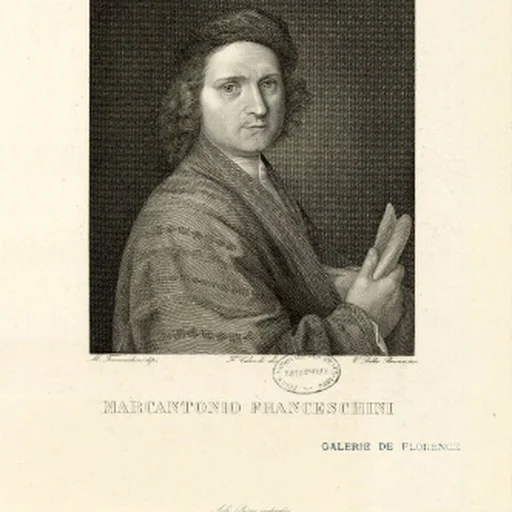
Marcantonio Franceschini (Italian pronunciation: ; 1648 – 24 December 1729) was an Italian painter of the Baroque period, active mostly in his native Bologna. He was the father and teacher of Giacomo Franceschini.

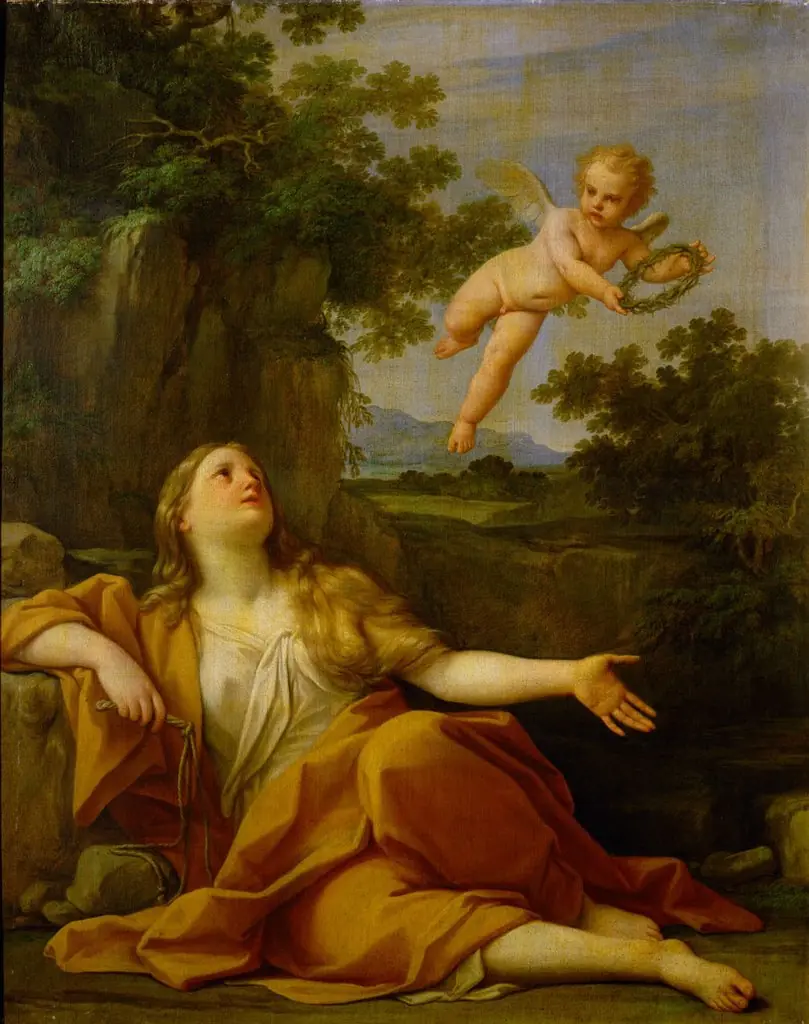
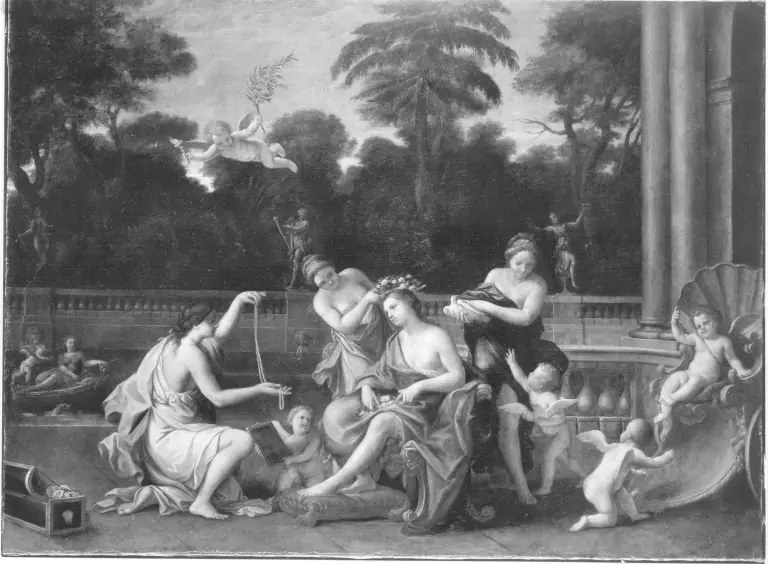
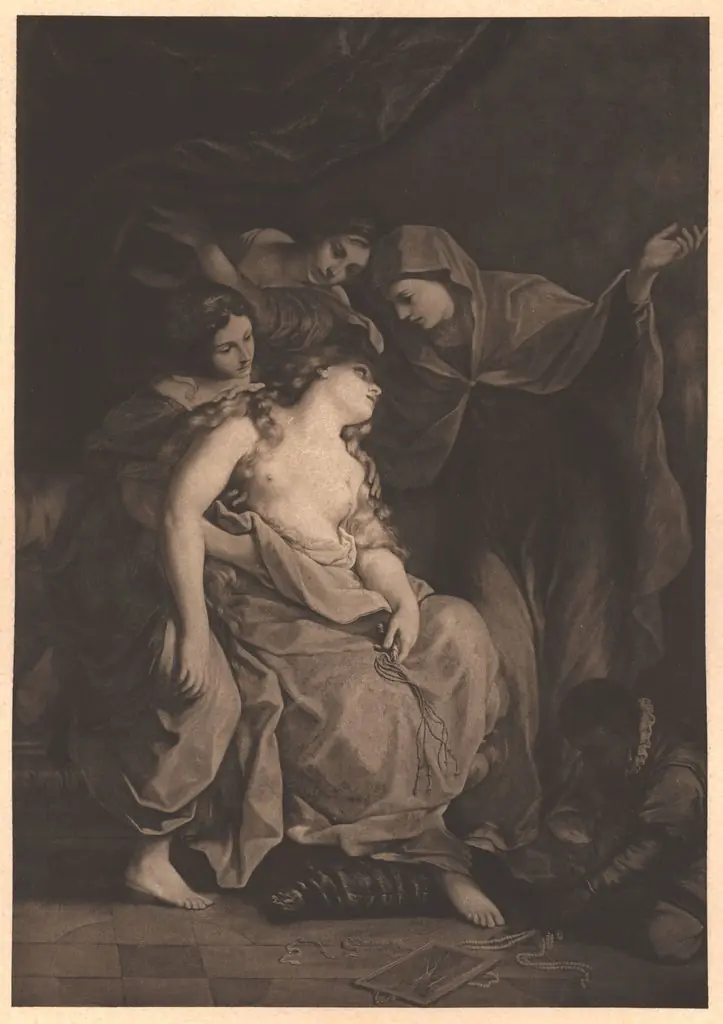
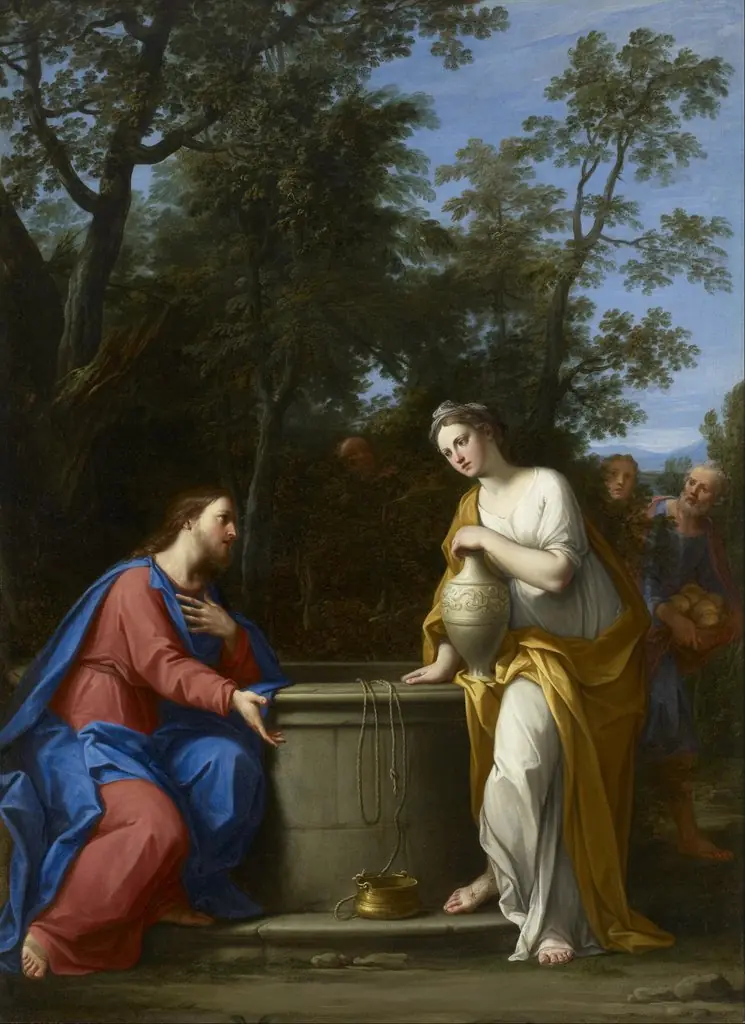
 Noli me tangere
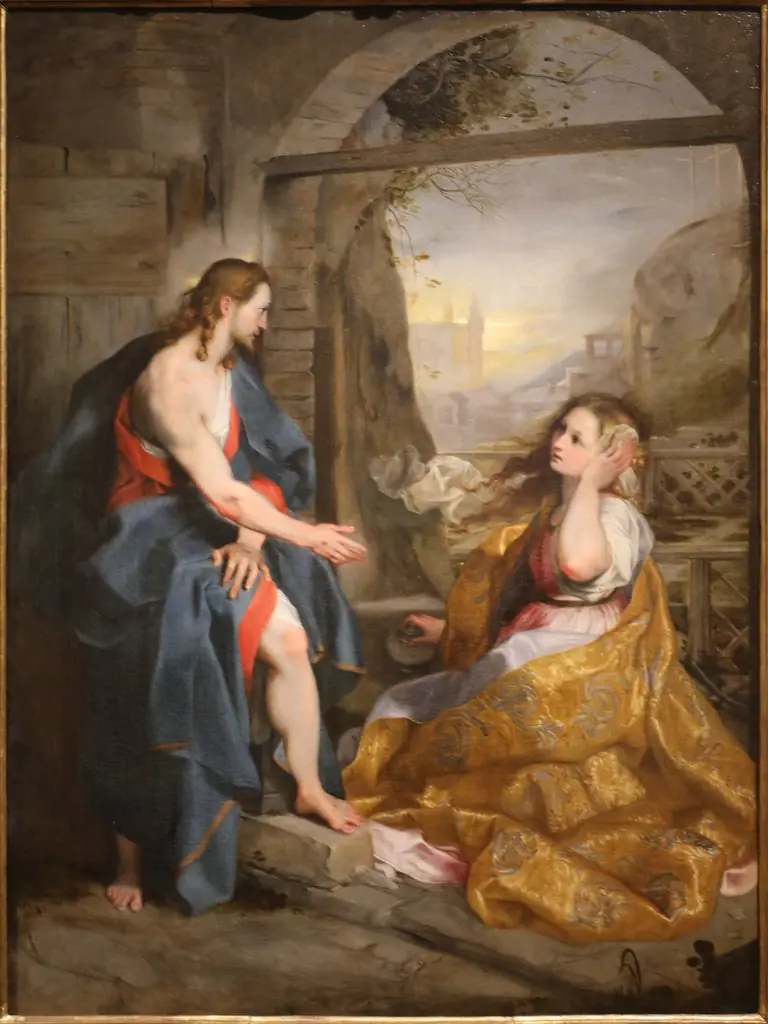 Noli me tangere
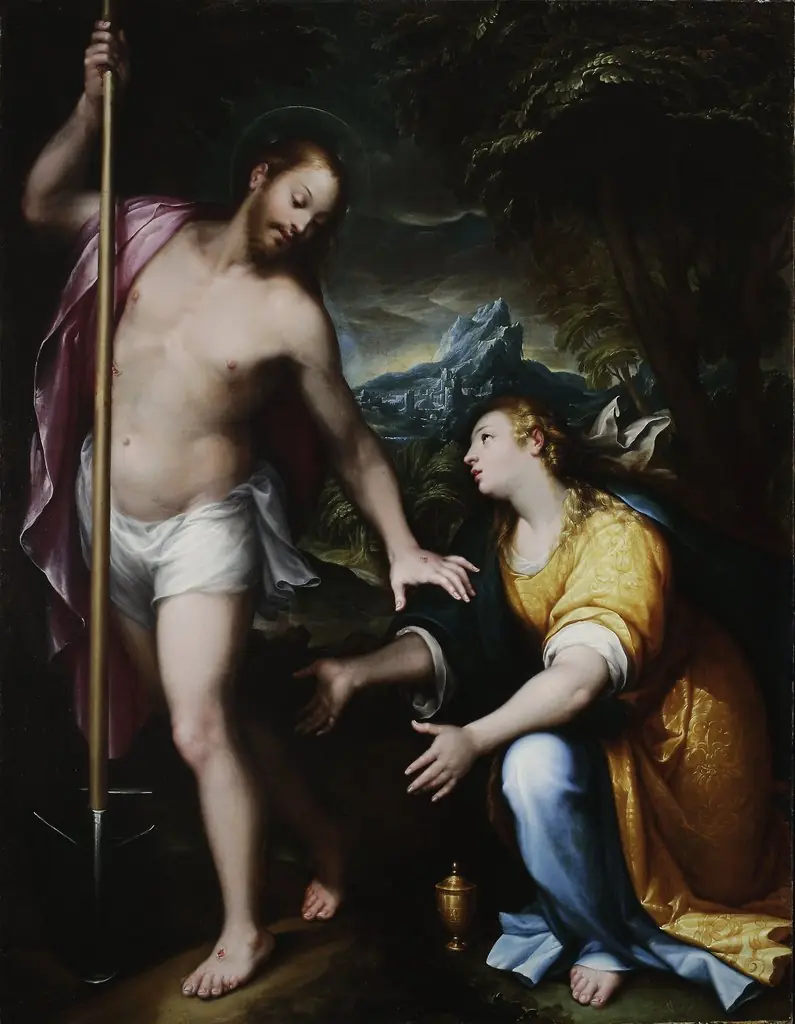 “Noli me tangere” – Resurrected Christ appearing to Mary Magdalene (John 20:14-17)
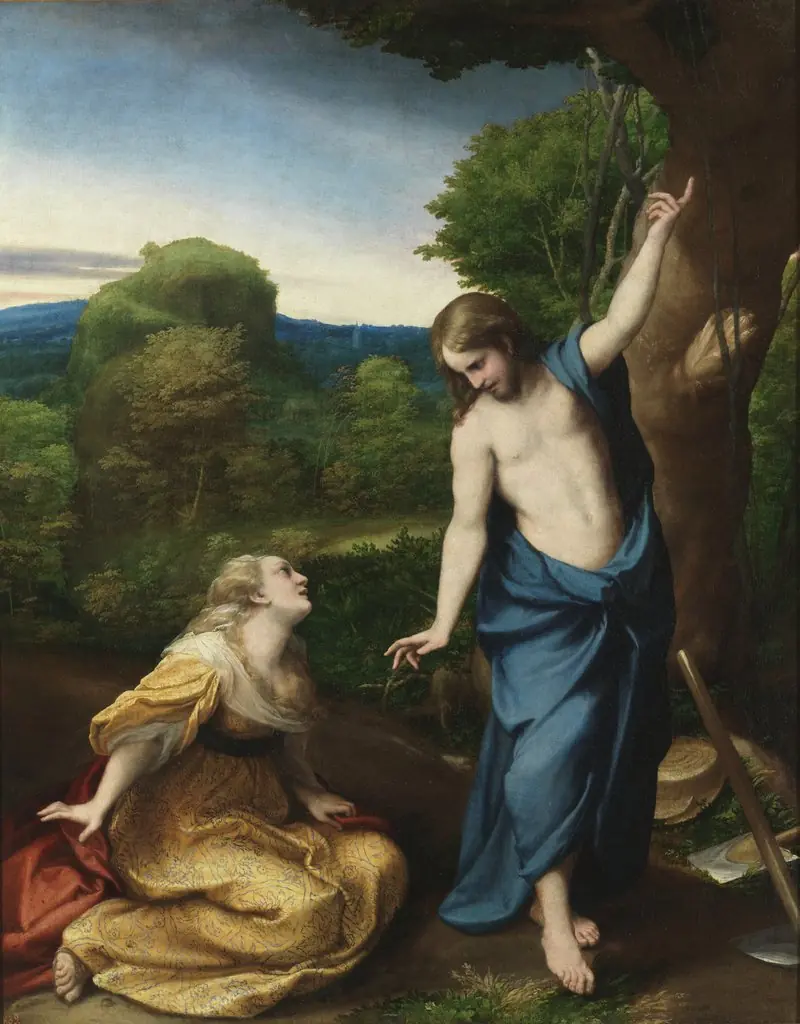 Noli me tangere
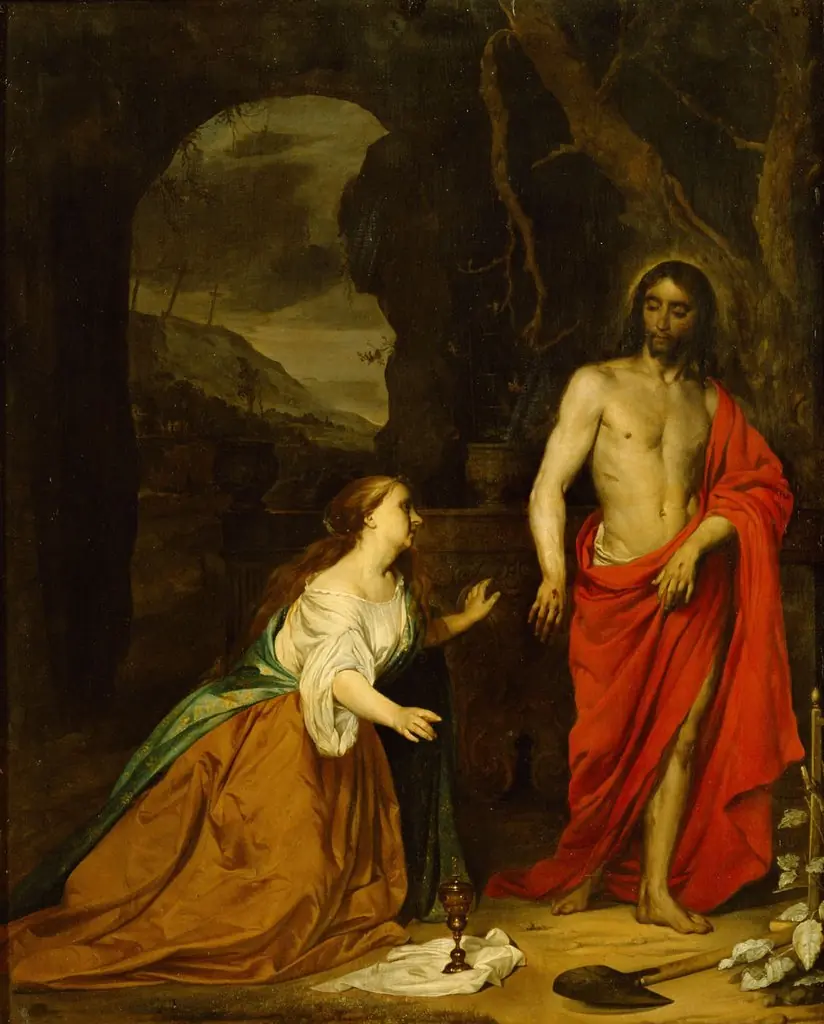 Noli me tangere
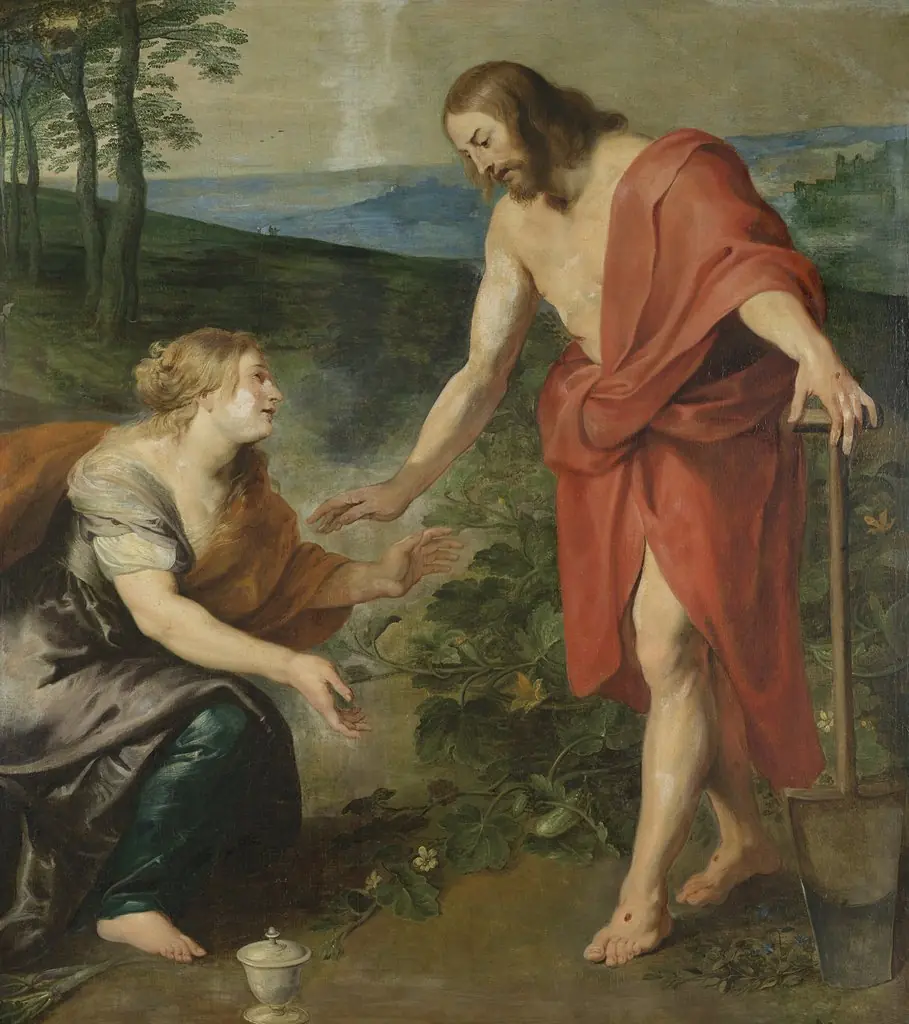 'Noli me tangere': the meeting of Christ and Mary Magdalene
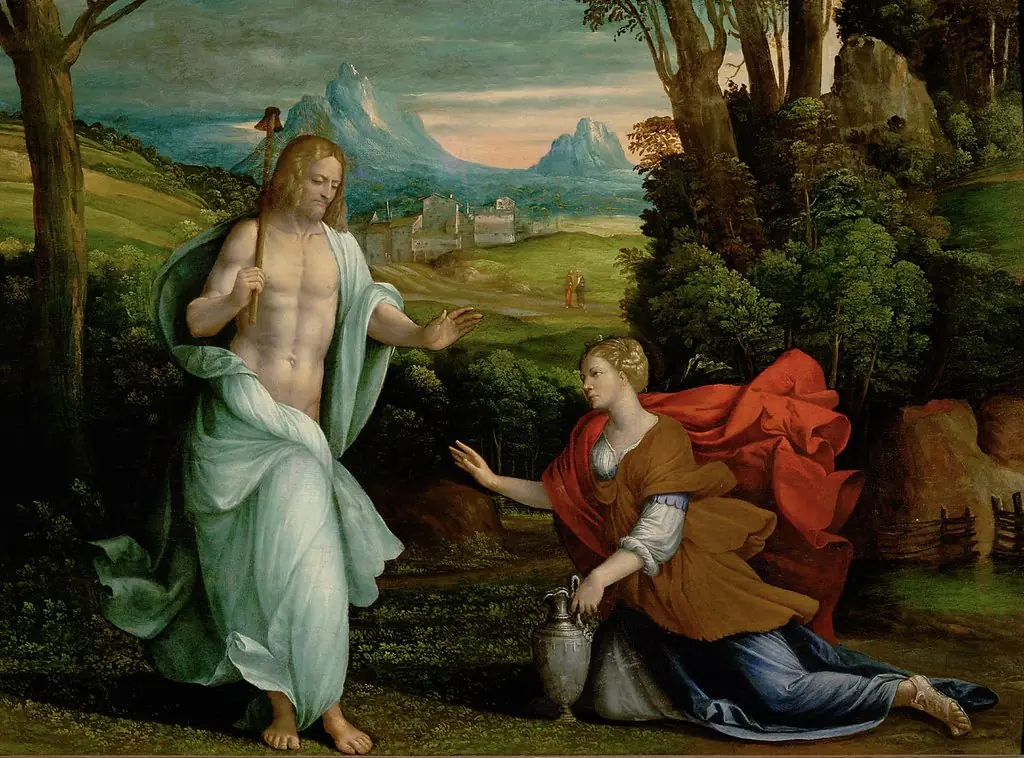 Noli me tangere
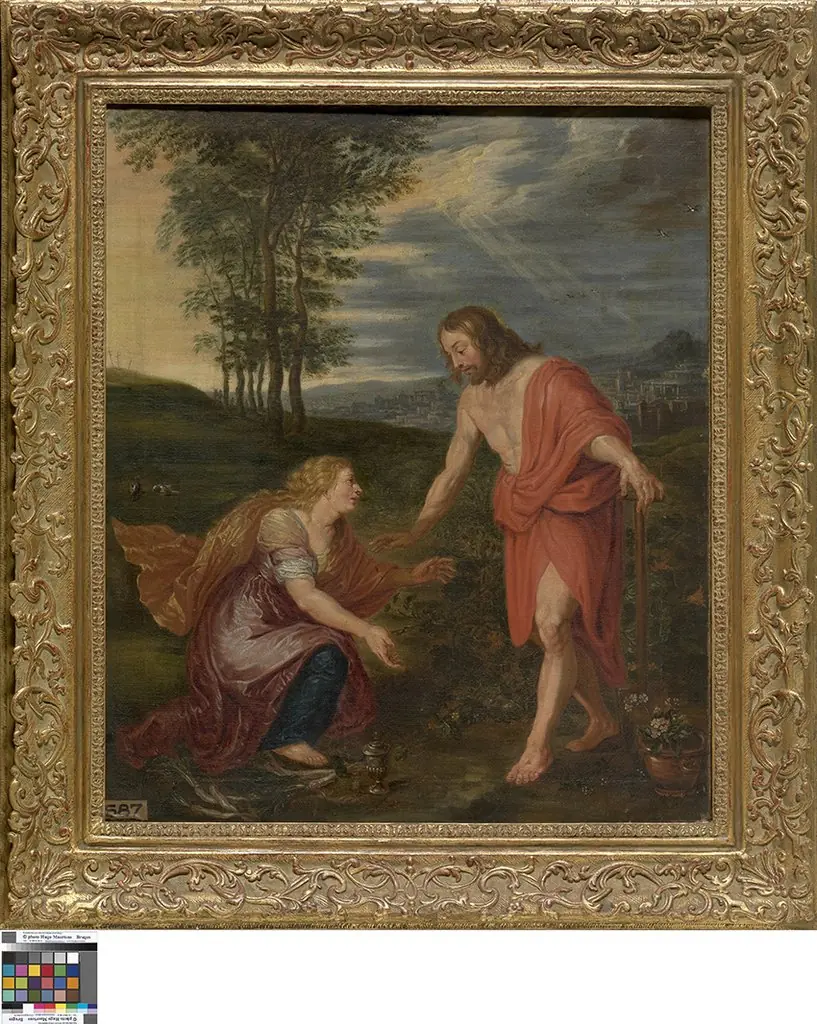 Noli me tangere
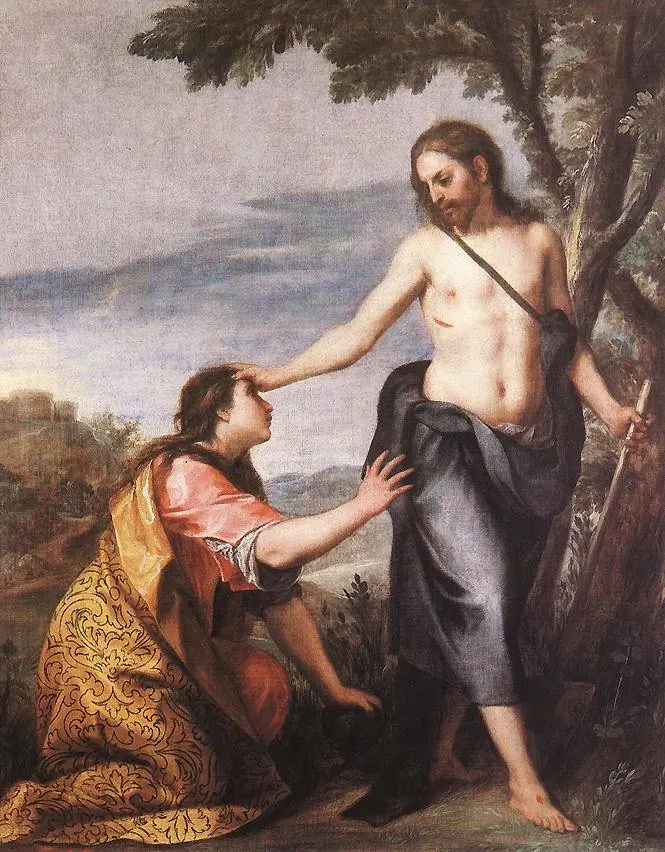 Noli me Tangere (Christ Appearing as a Gardener to Mary Magdalene)
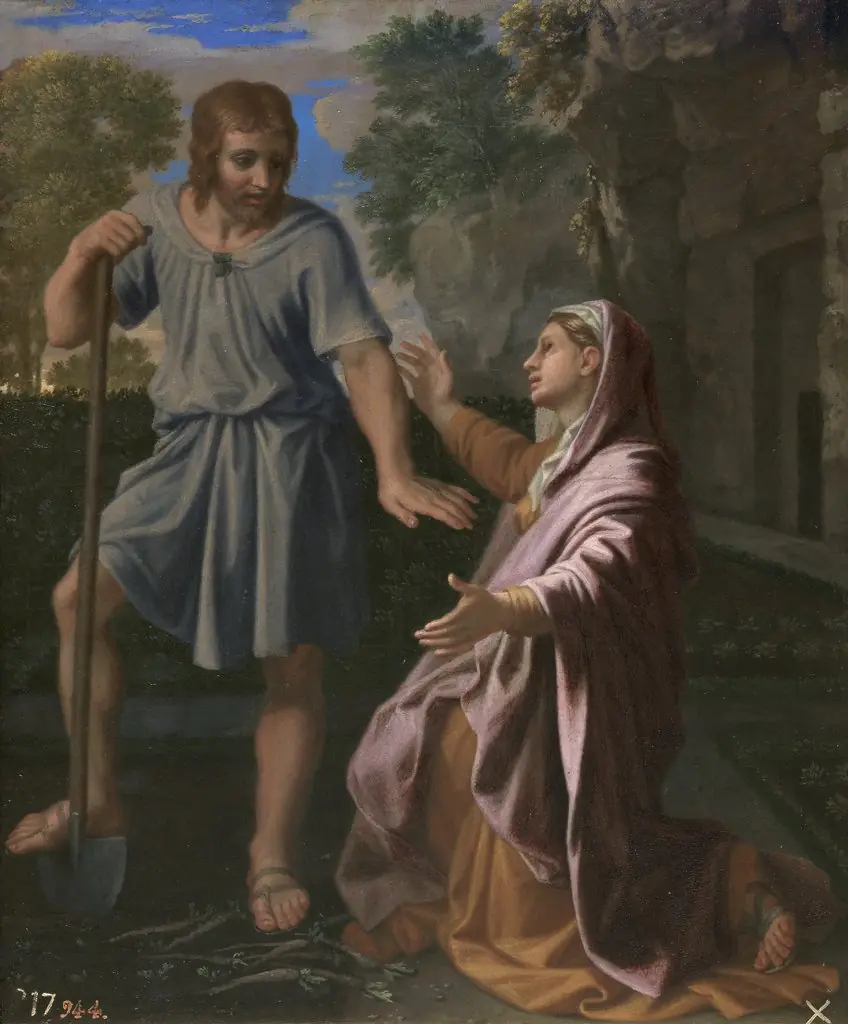 Noli me tangere