Artwork
Portrait of Anna Szaniawska née Scypion (?–1795)
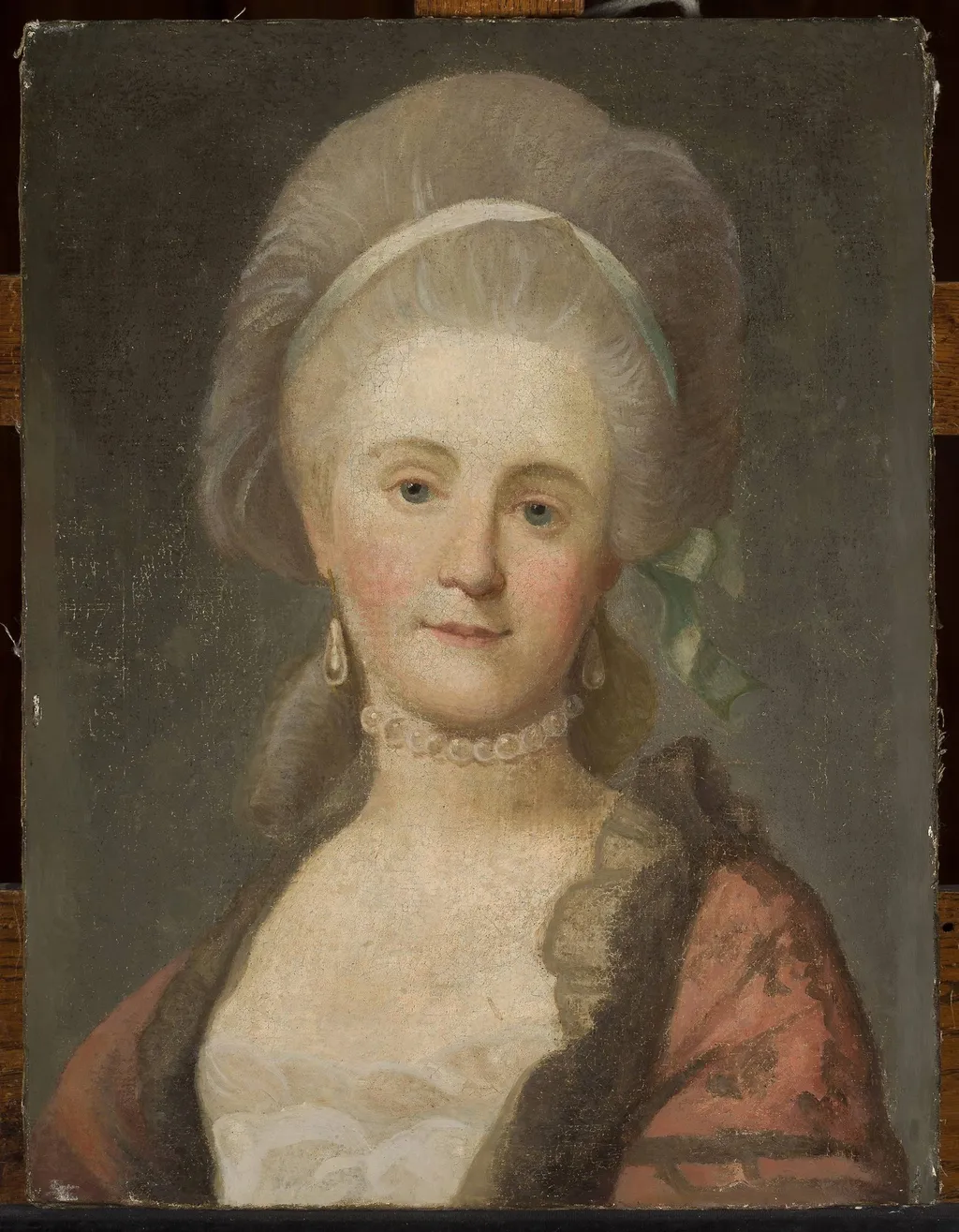
Portrait of Anna Szaniawska née Scypion (?–1795) is an oil painting by the Rococo painting artist Marcello Bacciarelli. It dates from 1798 and is held in the collection of the National Museum in Warsaw.
About this work
Overview
Bacciarelli, an Italian artist long settled in Warsaw, served as court painter and brought refined European techniques to Polish aristocratic portraiture.
Painted in 1798 by Marcello Bacciarelli, this oil portrait captures Anna Szaniawska, a noblewoman of the Polish–Lithuanian Commonwealth. Bacciarelli, an Italian artist long settled in Warsaw, served as court painter and brought refined European techniques to Polish aristocratic portraiture. The work resides today in the National Museum in Warsaw, where it exemplifies late 18th-century elite representation.
Subject & Meaning
Anna Szaniawska is depicted with composed dignity, her calm gaze and restrained posture reflecting aristocratic poise. The pearl necklace and lace collar signify wealth and refinement, while the red fan suggests both elegance and subtle theatricality. The green branch behind her may allude to vitality or continuity, though its meaning remains ambiguous. The portrait prioritizes social presence over psychological depth, typical of its time.
Technique & Style
Bacciarelli employs smooth, blended brushwork to soften contours, especially around the face and hair, creating a gentle transition into the dark background. The lighting is even but directional, enhancing the three-dimensionality of her features without dramatic contrast. The rococo influence appears in delicate textures—lace, silk, and pearls—rendered with precision yet without excessive ornamentation.
History & Provenance
Commissioned during the final years of the Polish–Lithuanian Commonwealth, the portrait likely originated in Szaniawska’s private circle before entering state collections. Bacciarelli’s position at court ensured his works were preserved among institutional holdings. The painting remained in Poland through political upheavals, eventually being cataloged by the National Museum in Warsaw, where it has been held since at least the 19th century.
Context
In late 18th-century Poland, portraiture served as a tool of social affirmation for the nobility. Bacciarelli’s style fused Italian academic training with local tastes, avoiding the flamboyance of Western rococo in favor of restrained grace. This portrait reflects a moment when Polish aristocrats sought to align themselves with broader European cultural norms, even as the Commonwealth faced dissolution.
Legacy
The portrait stands as a quiet testament to the cultural aspirations of Poland’s nobility during its final decades. Bacciarelli’s work helped shape a national visual language that balanced foreign influence with local identity. Though not widely exhibited, it remains a key example of court portraiture in Polish art history, valued for its technical clarity and historical resonance.
Artist & collection
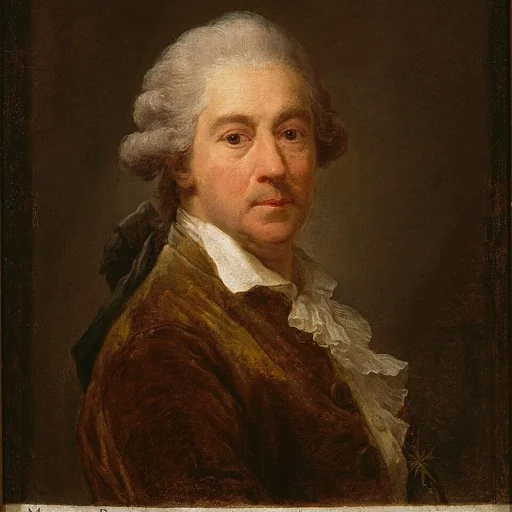
Artist
Marcello Bacciarelli (Italian pronunciation: ; 16 February 1731 – 5 January 1818) was an Italian-born painter of the late-baroque and Neoclassic periods active in Poland and the Polish–Lithuanian Commonwealth.

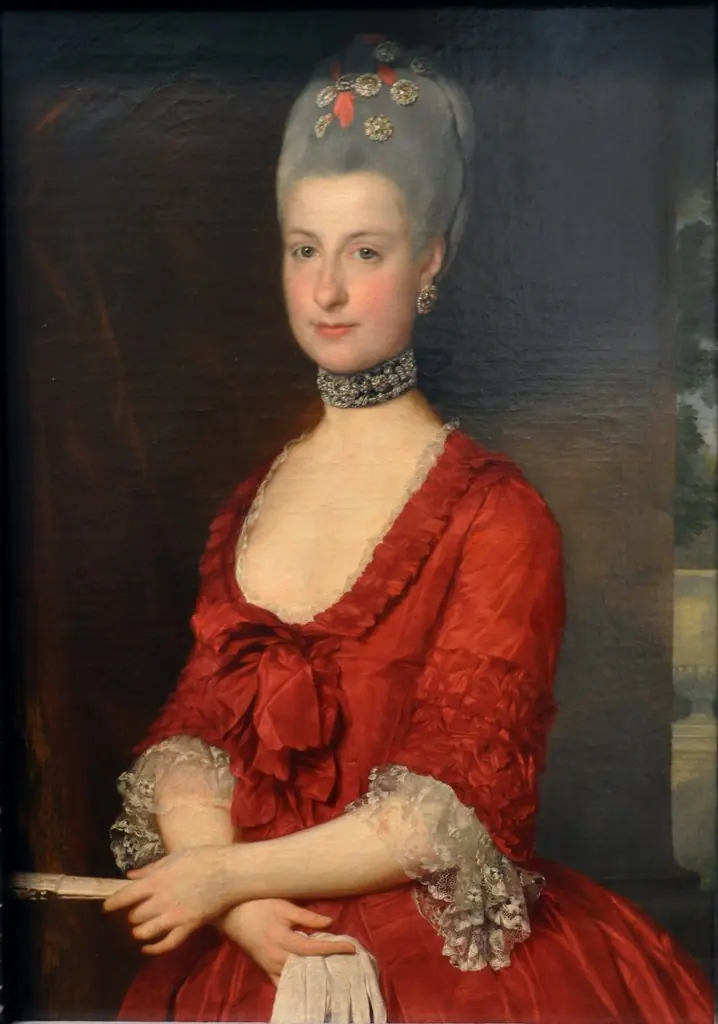 Portrait of Archduchess Maria Christina (1742-1798), Duchess of Teschen
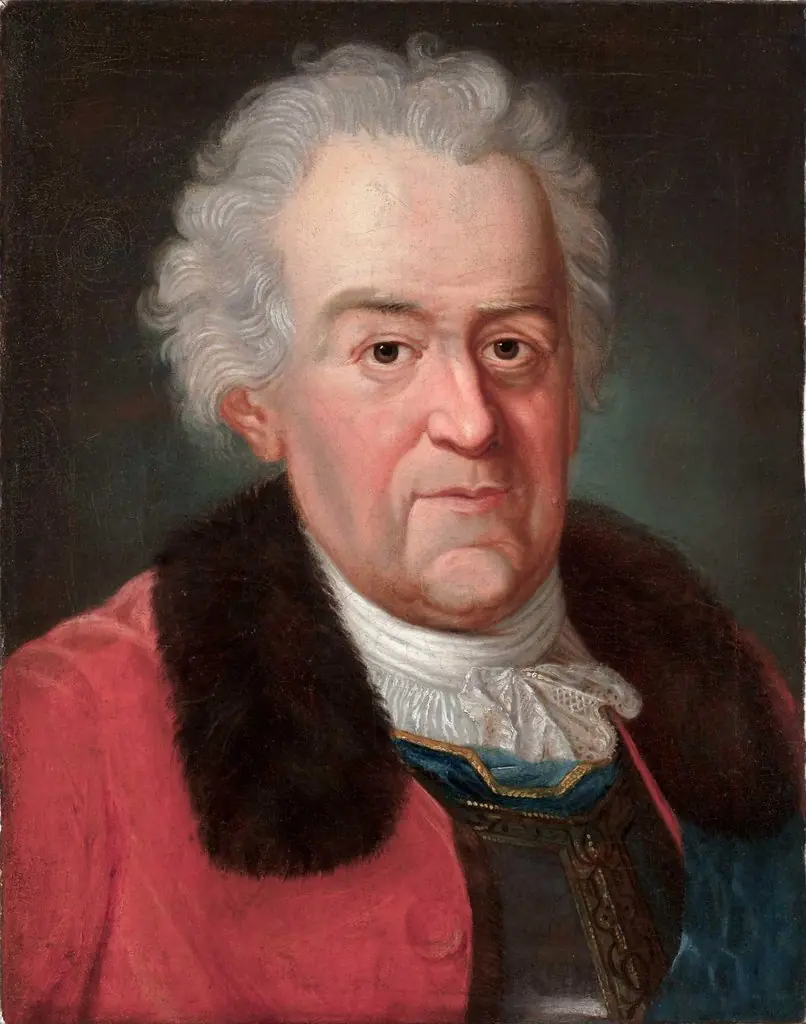 Portrait of Stanisław Poniatowski (1676–1762), king’s father
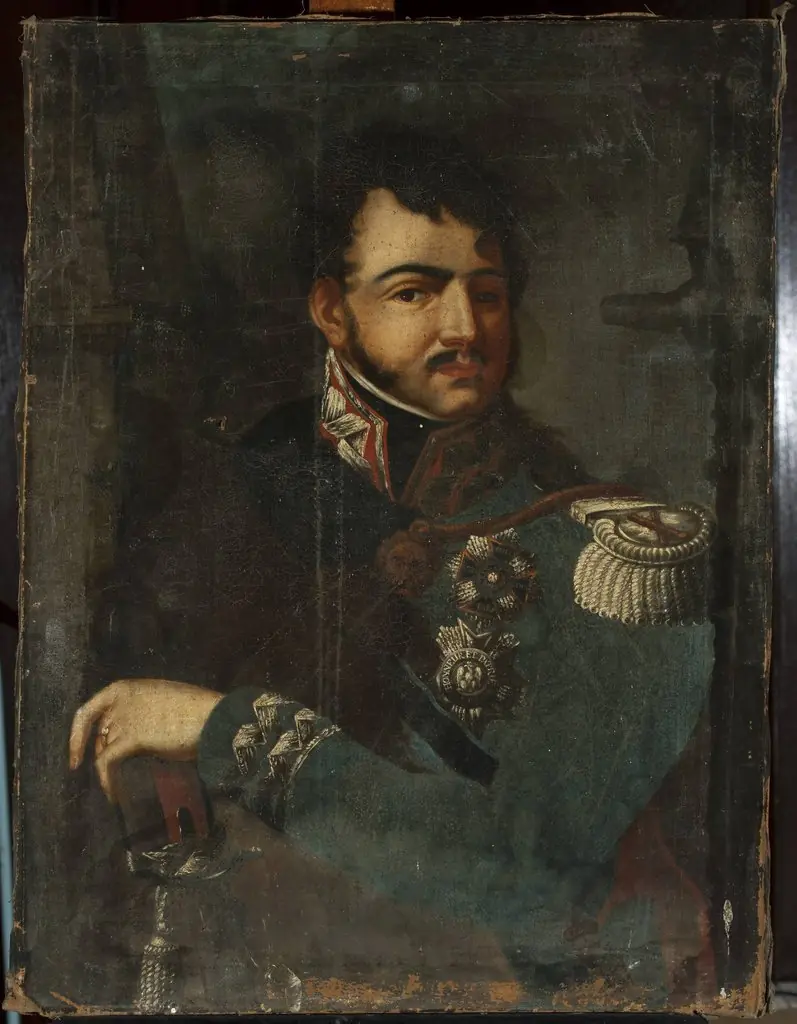 Portrait of Prince Józef Poniatowski
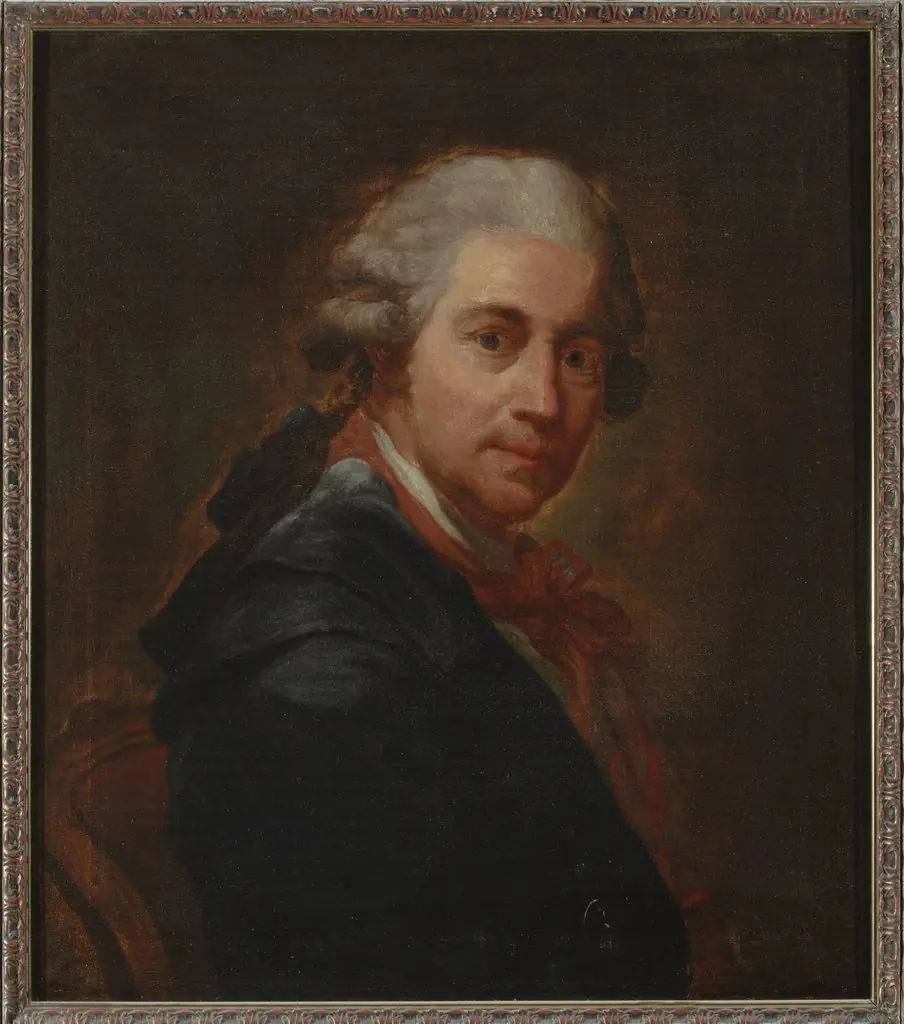 Self-portrait of Bacciarelli in a redingote
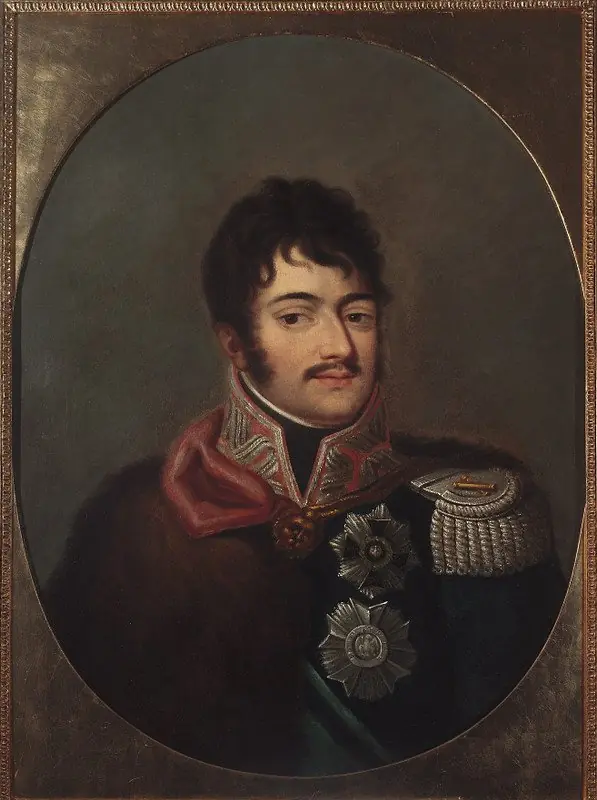 Portrait of Prince Józef Poniatowski
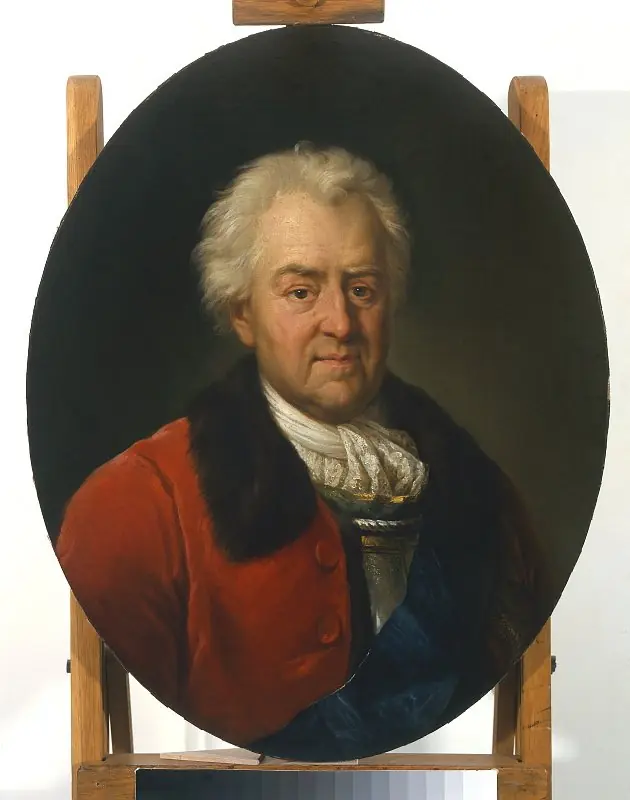 Portrait of Stanisław Poniatowski (1676–1762), king’s father
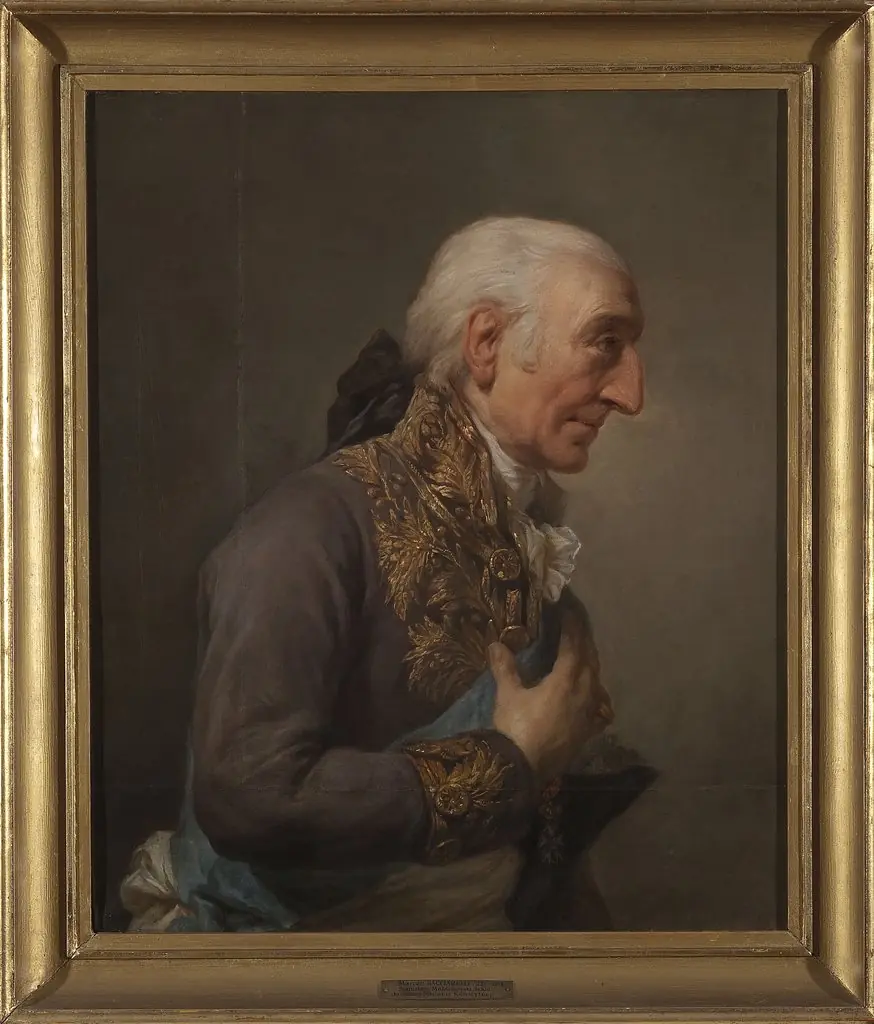 Portrait of Stanisław Małachowski (1736–1809), Marshal of the Seym
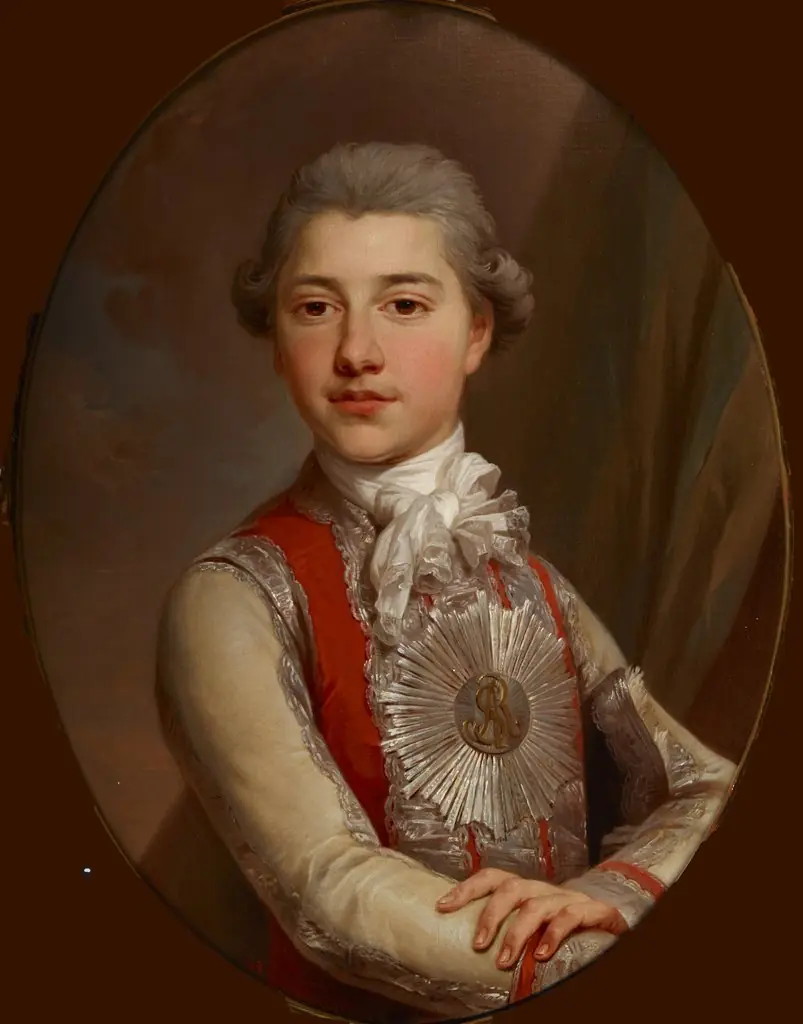 Portrait of Prince Józef Poniatowski as a Youth
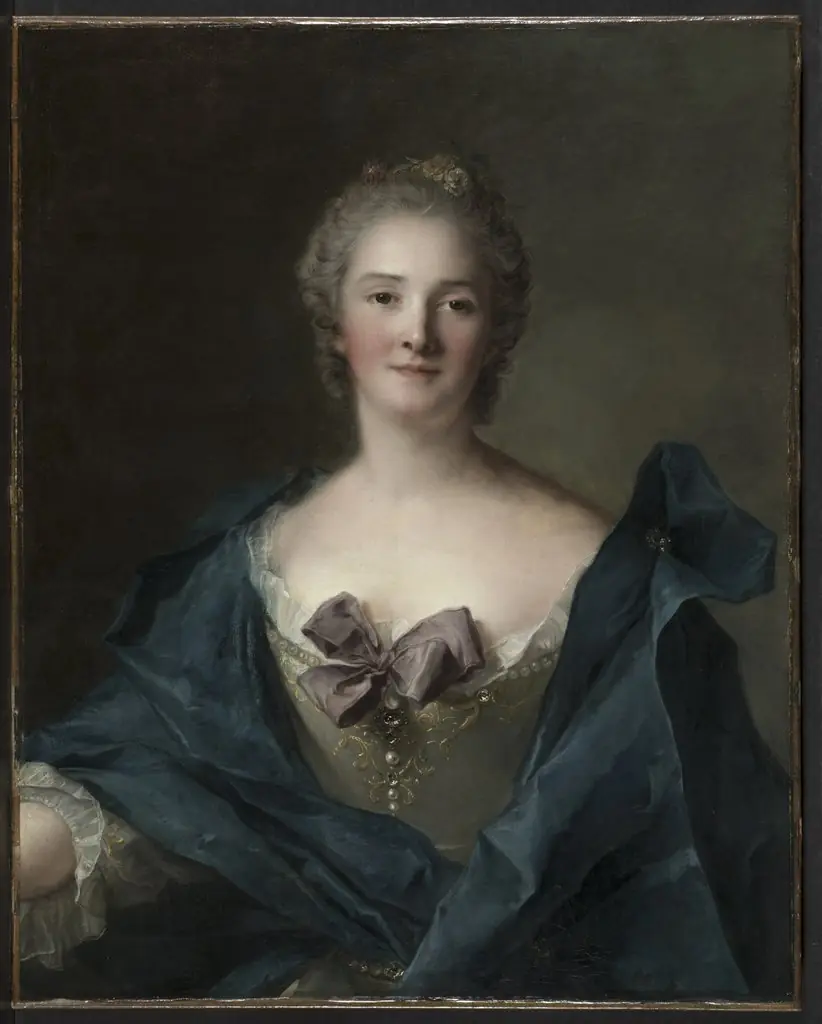 Portrait of a Woman
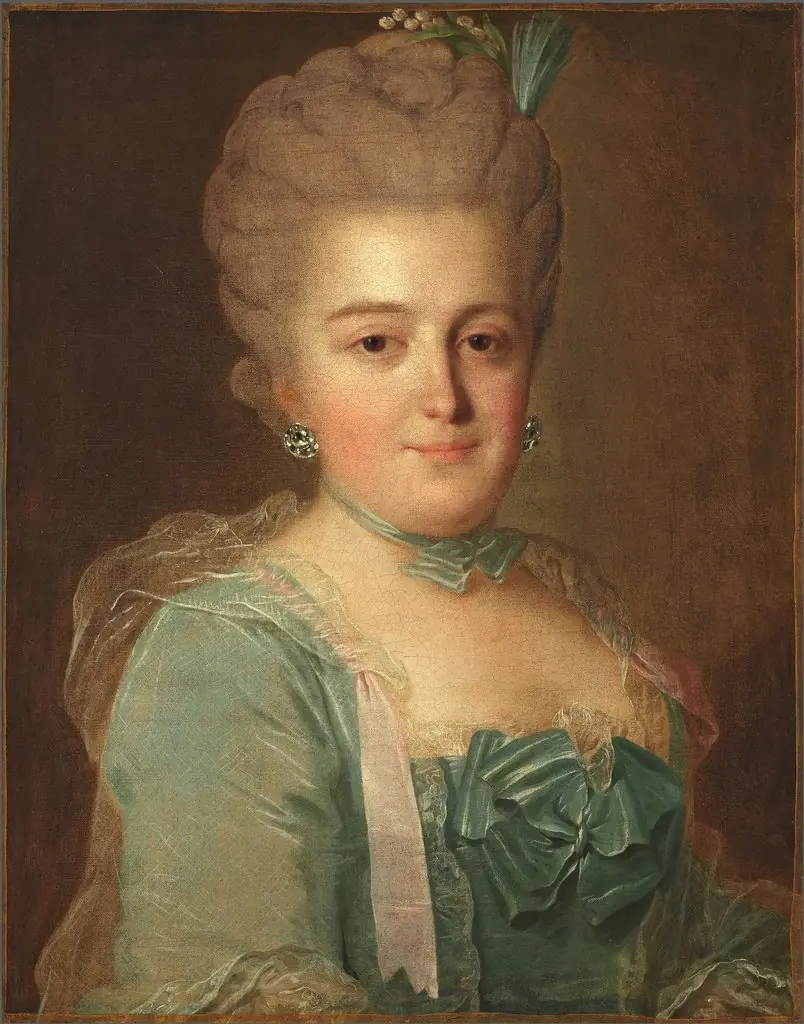 Portrait of Anna S. Tulinova
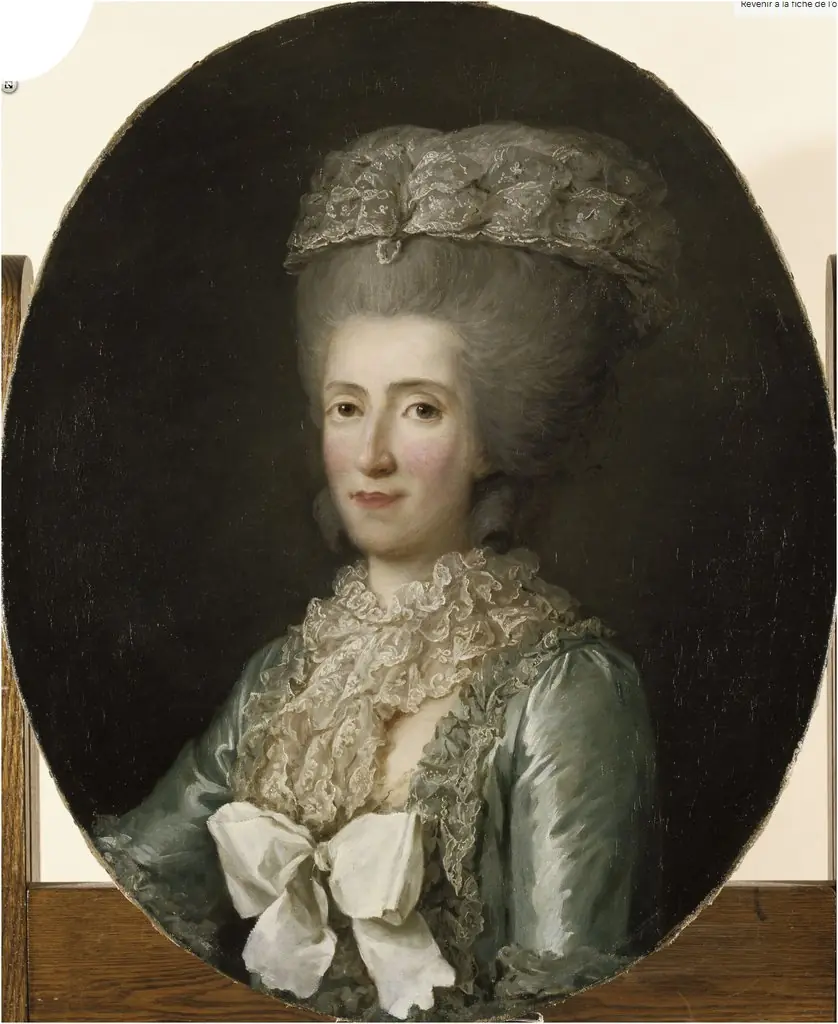 Marie-Adélaïde de France, dite Madame Adélaïde
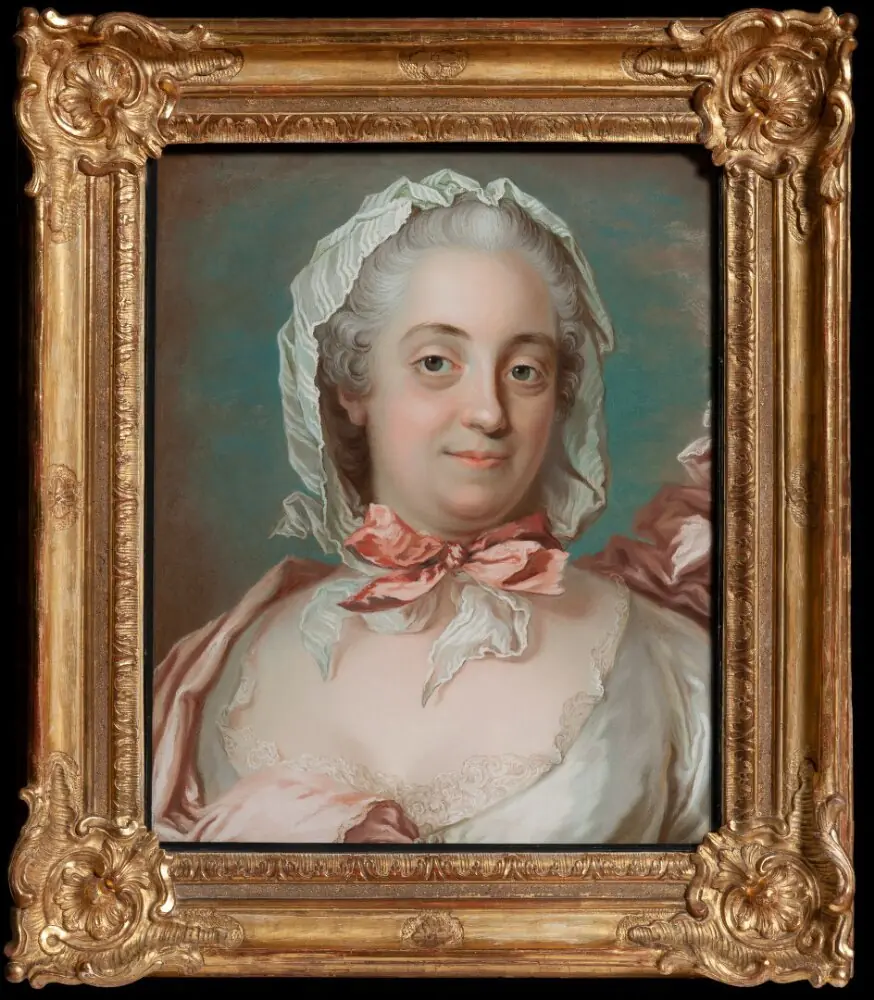 Anna Johanna Grill
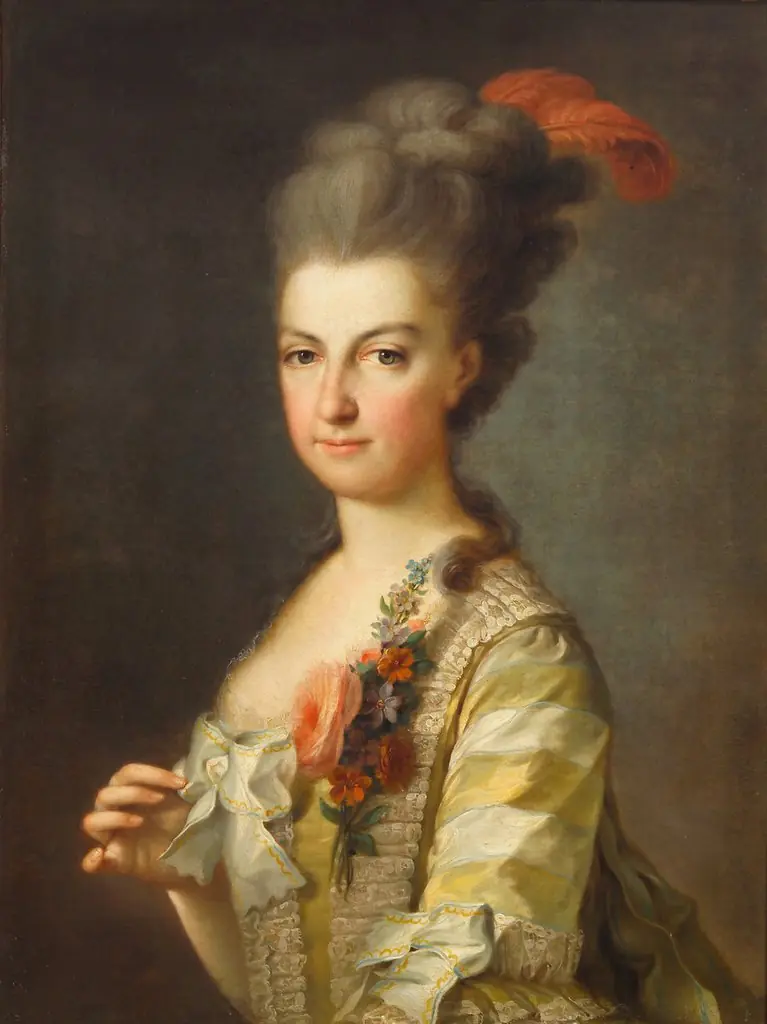 Erzherzogin Maria Christine (1742-1798), Herzogin von Sachsen - Teschen, in gestreiftem Seidenkleid, Halbfigur
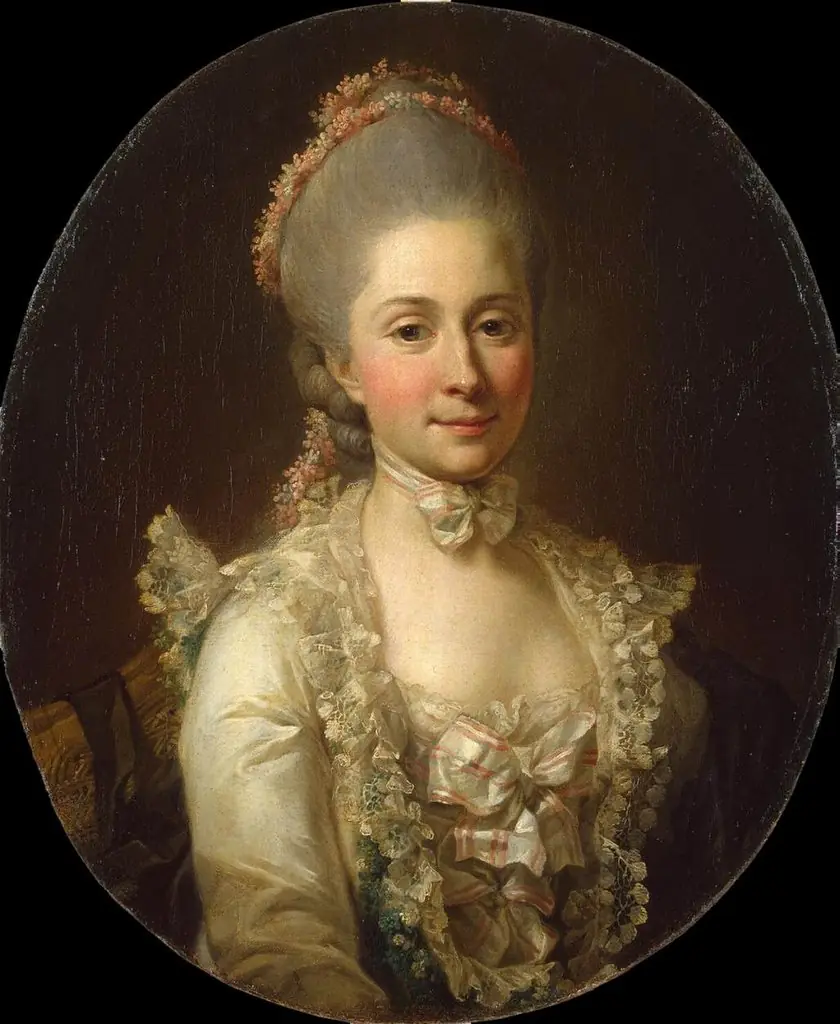 Portrait of a Woman
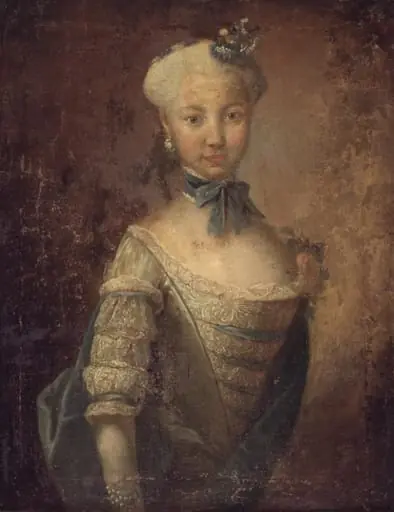 Portræt af en lille pige
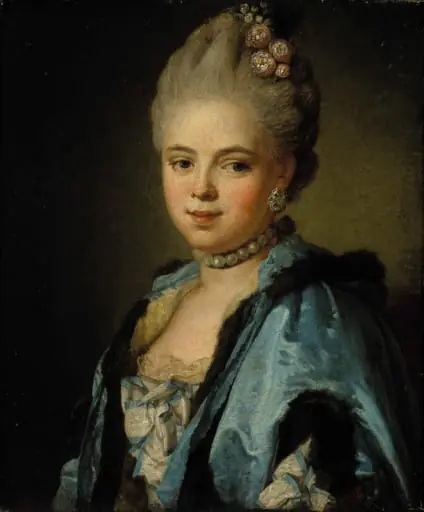 Naisen muotokuva
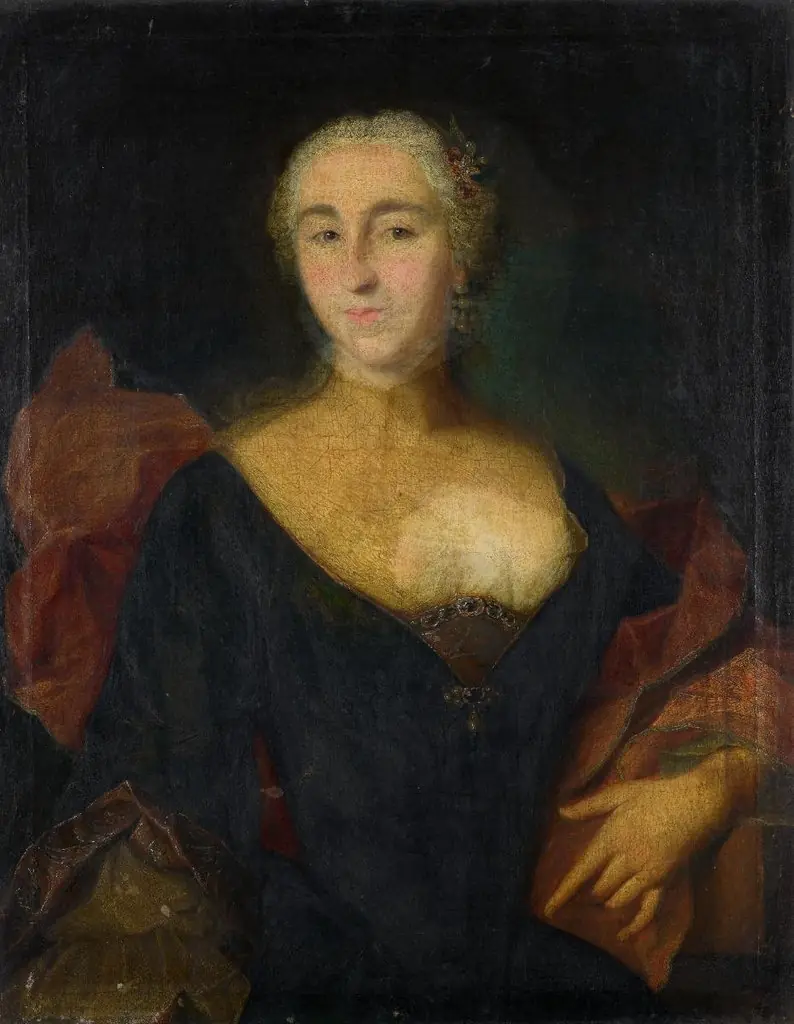 Bildnis einer jüngeren Dame