Artwork
Sobieski at Vienna
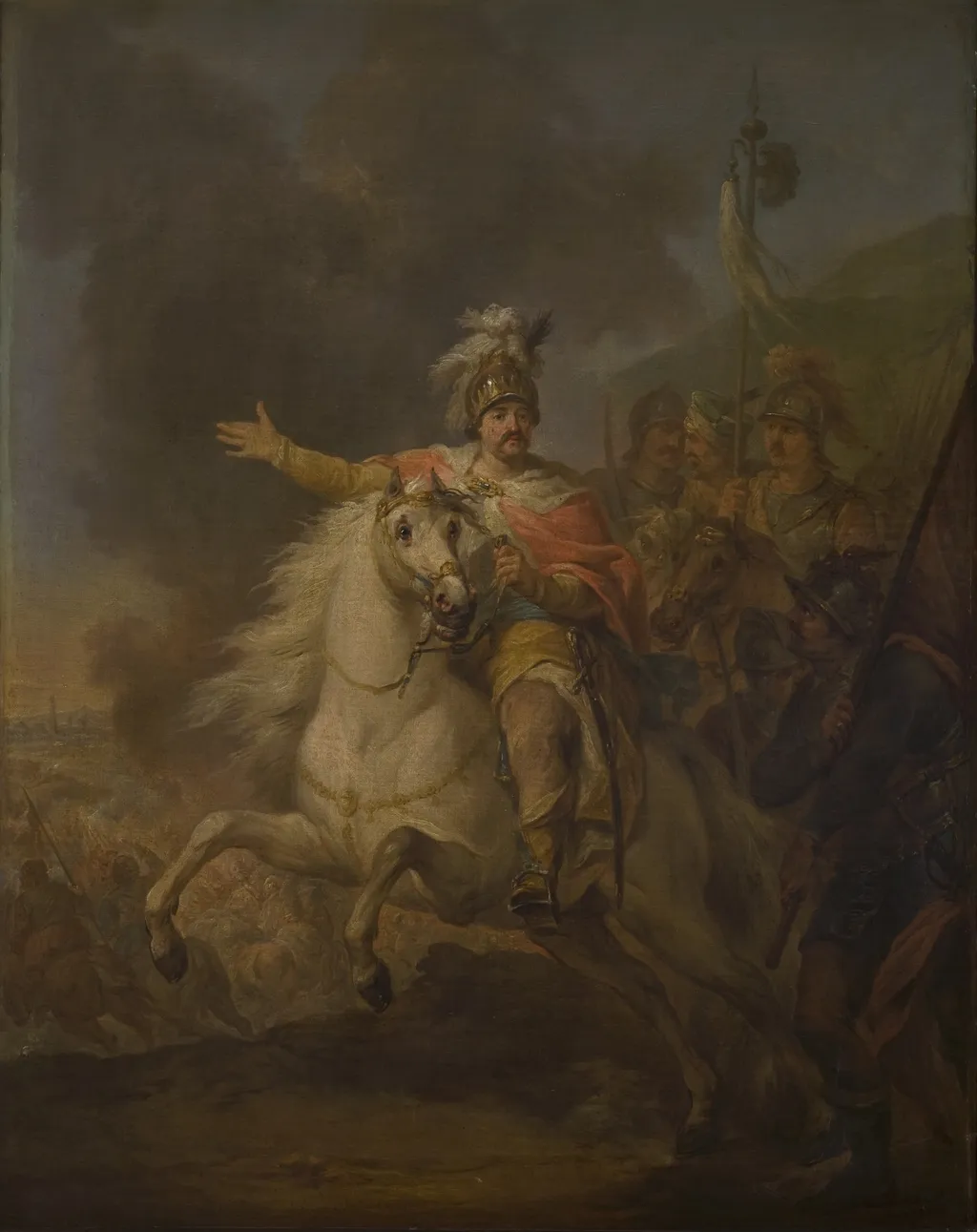
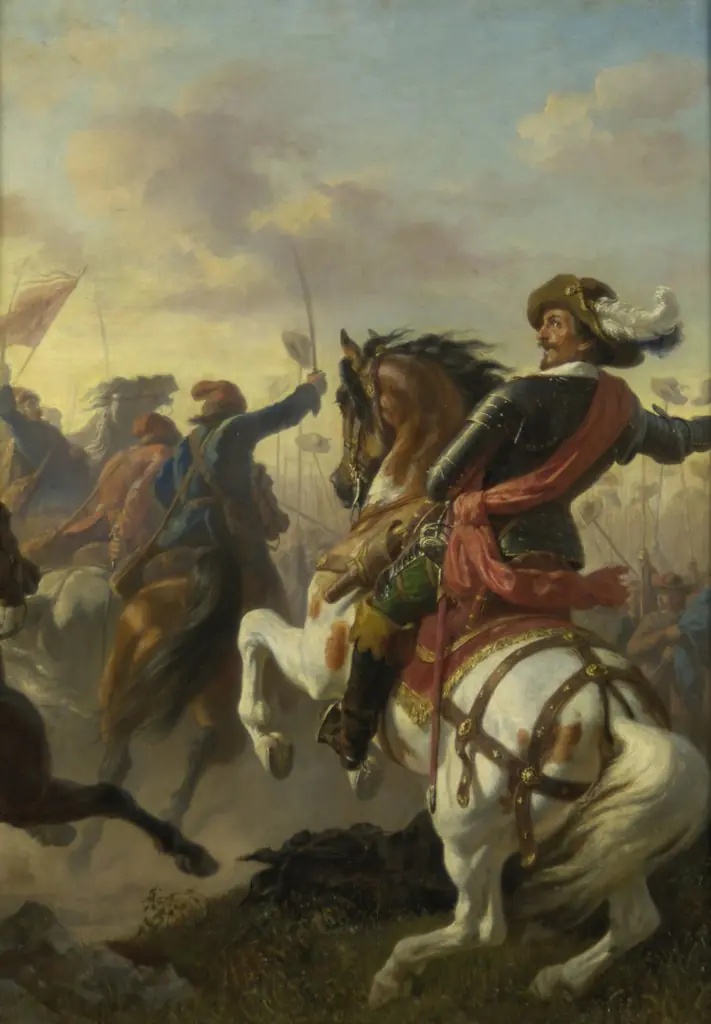
Sobieski at Vienna is an oil painting by Marcello Bacciarelli. It dates from 1781 and is held in the collection of the National Museum in Kraków.
About this work
Overview
The painting resides in the National Museum in Kraków, where it remains part of its historical collection.
Painted around 1781 by Marcello Bacciarelli, an Italian artist based in Poland, this oil-on-canvas work commemorates King Jan III Sobieski’s leadership during the 1683 Battle of Vienna. Bacciarelli, known for his court portraiture and historical scenes in the Polish–Lithuanian Commonwealth, rendered the moment with dramatic emphasis on the monarch’s presence. The painting resides in the National Museum in Kraków, where it remains part of its historical collection.
Subject & Meaning
The painting captures King Sobieski astride a rearing white horse, clad in military attire with a feathered helmet and crimson cloak, gesturing forward as if commanding his troops. The scene evokes his decisive role in halting the Ottoman advance on Vienna, a turning point in European history. Though the background is indistinct, the central figure’s dynamic posture conveys authority and momentum, symbolizing the defense of Christendom without literal depiction of battle chaos.
Technique & Style
Bacciarelli employed refined brushwork to detail the king’s armor, horse’s harness, and flowing cape, contrasting with the loosely rendered background. The use of chiaroscuro enhances the figure’s three-dimensionality, drawing focus to the monarch amid atmospheric darkness. The composition follows late-Baroque conventions of heroic scale and theatrical gesture, while the muted palette and blurred surroundings reflect a shift toward Neoclassical restraint in his later style.
History & Provenance
Commissioned during Bacciarelli’s tenure as court painter to the Polish monarchy, the work was likely intended to reinforce national pride through historical memory. It entered the National Museum in Kraków’s collection in the 19th century, following the dissolution of the Polish–Lithuanian Commonwealth. Its preservation reflects ongoing interest in Poland’s military heritage and the role of art in shaping national identity during periods of political fragmentation.
Context
Painted nearly a century after the Battle of Vienna, the work emerged during a time when Polish elites sought to revive historical narratives amid partitions by neighboring powers. Bacciarelli’s depiction aligns with broader European trends of glorifying past monarchs as symbols of resilience. The painting’s focus on Sobieski, rather than the broader conflict, underscores its function as a portrait of leadership rather than a documentary record.
Legacy
Though not widely exhibited outside Poland, the painting remains a key example of 18th-century Polish court art. It illustrates how historical events were reinterpreted through idealized imagery to serve cultural memory. Bacciarelli’s synthesis of Baroque drama and emerging Neoclassical clarity influenced later Polish painters, embedding Sobieski’s image into the nation’s visual consciousness as a figure of steadfast leadership.
Own this work as a print
Artist & collection
Artist
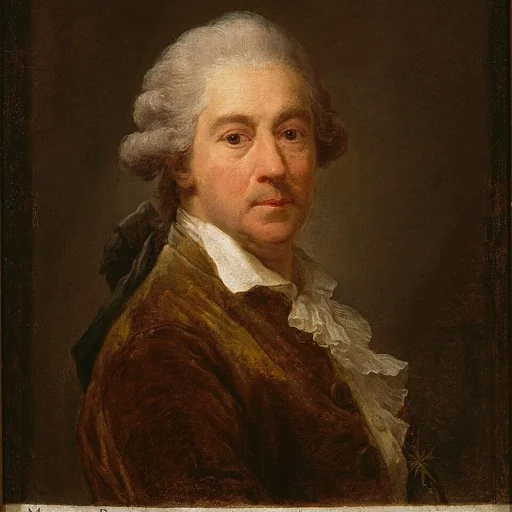
Marcello Bacciarelli (Italian pronunciation: ; 16 February 1731 – 5 January 1818) was an Italian-born painter of the late-baroque and Neoclassic periods active in Poland and the Polish–Lithuanian Commonwealth.

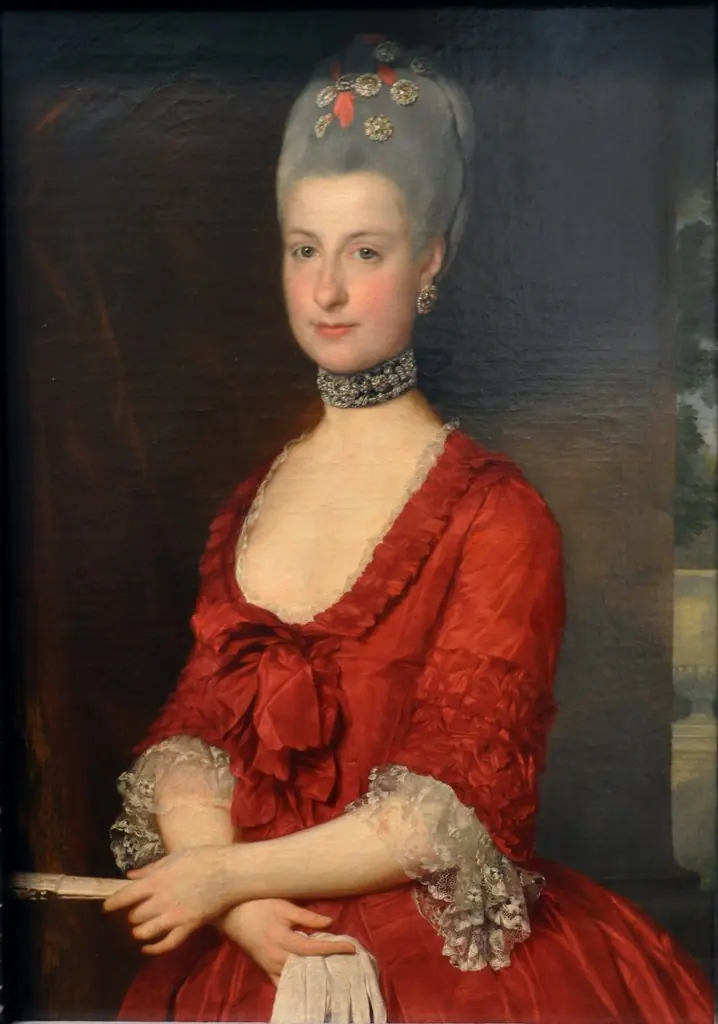 Portrait of Archduchess Maria Christina (1742-1798), Duchess of Teschen
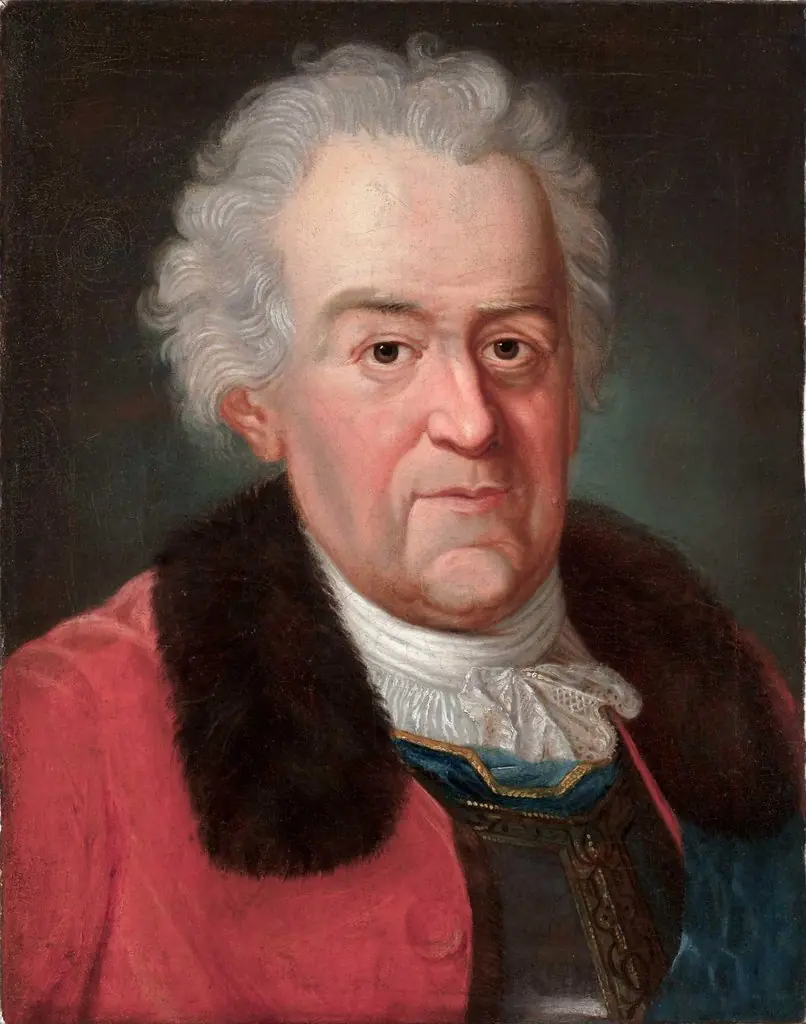 Portrait of Stanisław Poniatowski (1676–1762), king’s father
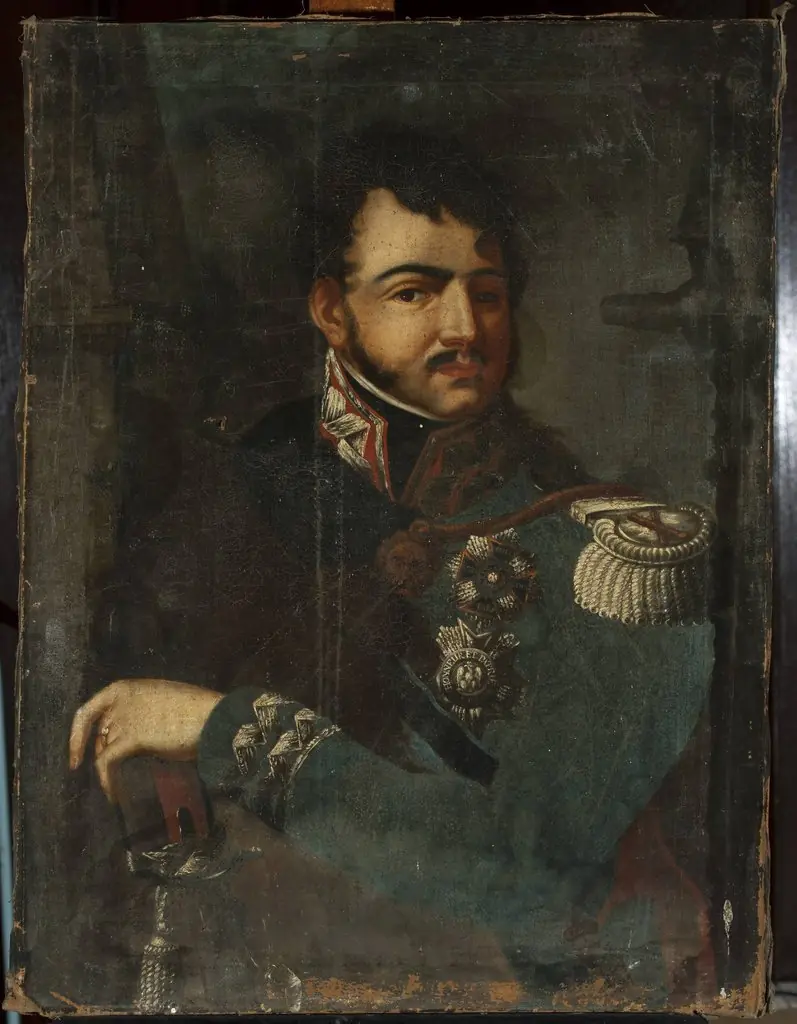 Portrait of Prince Józef Poniatowski
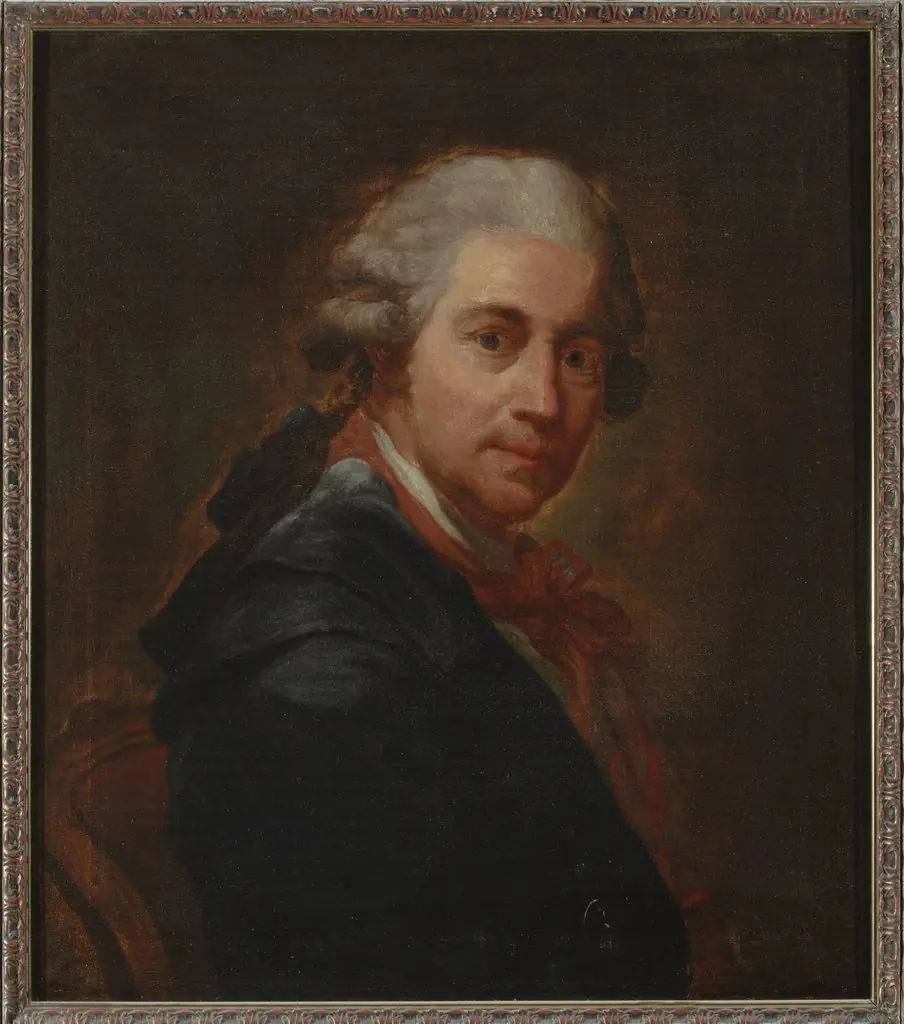 Self-portrait of Bacciarelli in a redingote
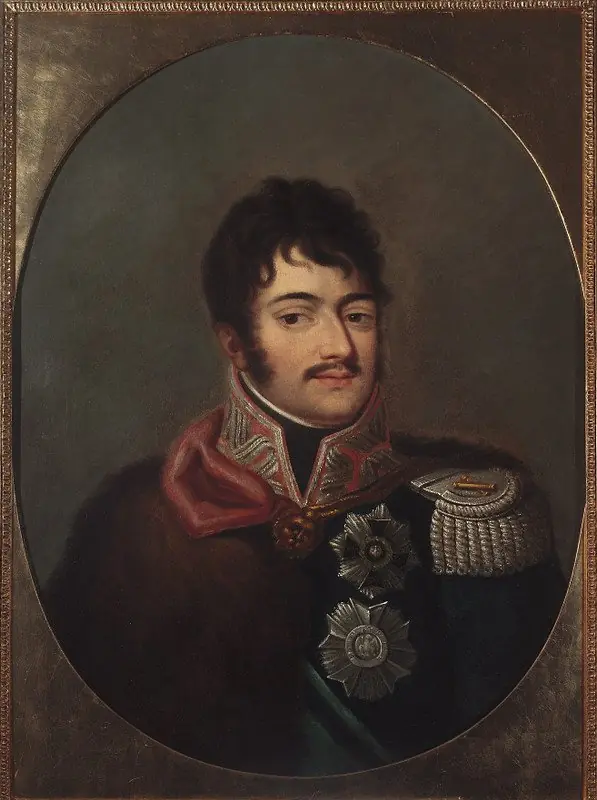 Portrait of Prince Józef Poniatowski
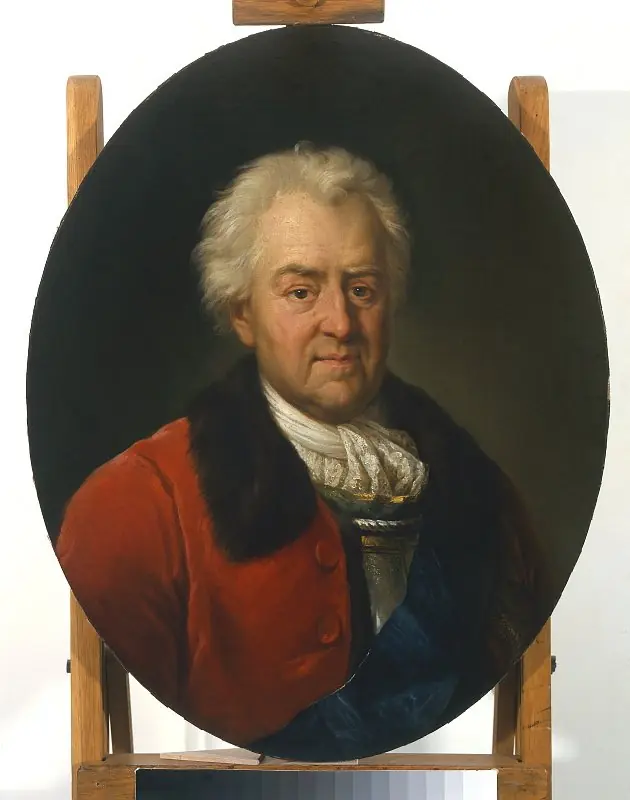 Portrait of Stanisław Poniatowski (1676–1762), king’s father
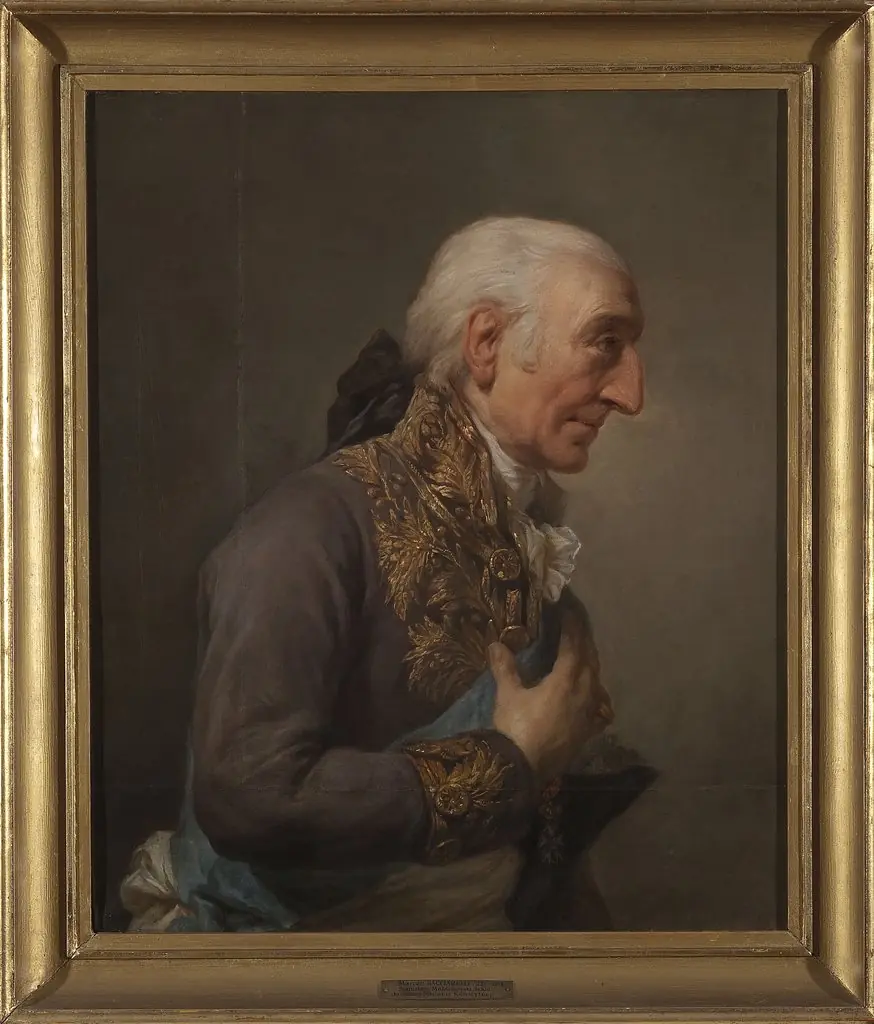 Portrait of Stanisław Małachowski (1736–1809), Marshal of the Seym
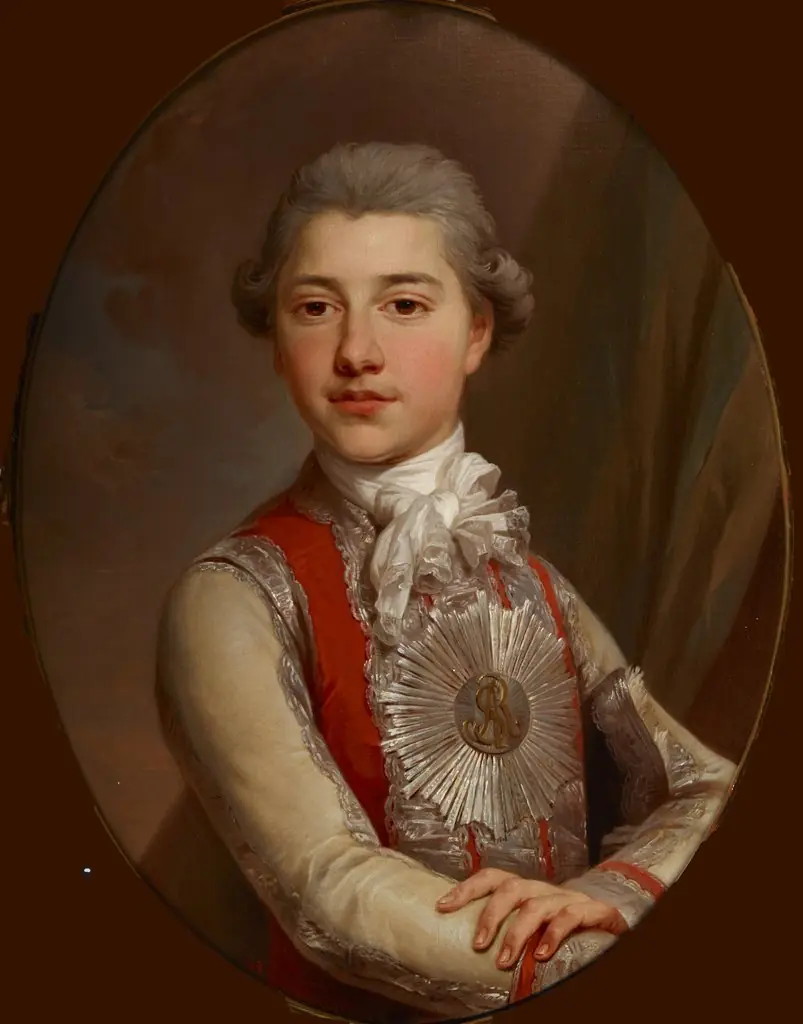 Portrait of Prince Józef Poniatowski as a Youth