Artwork
Students’ pranks
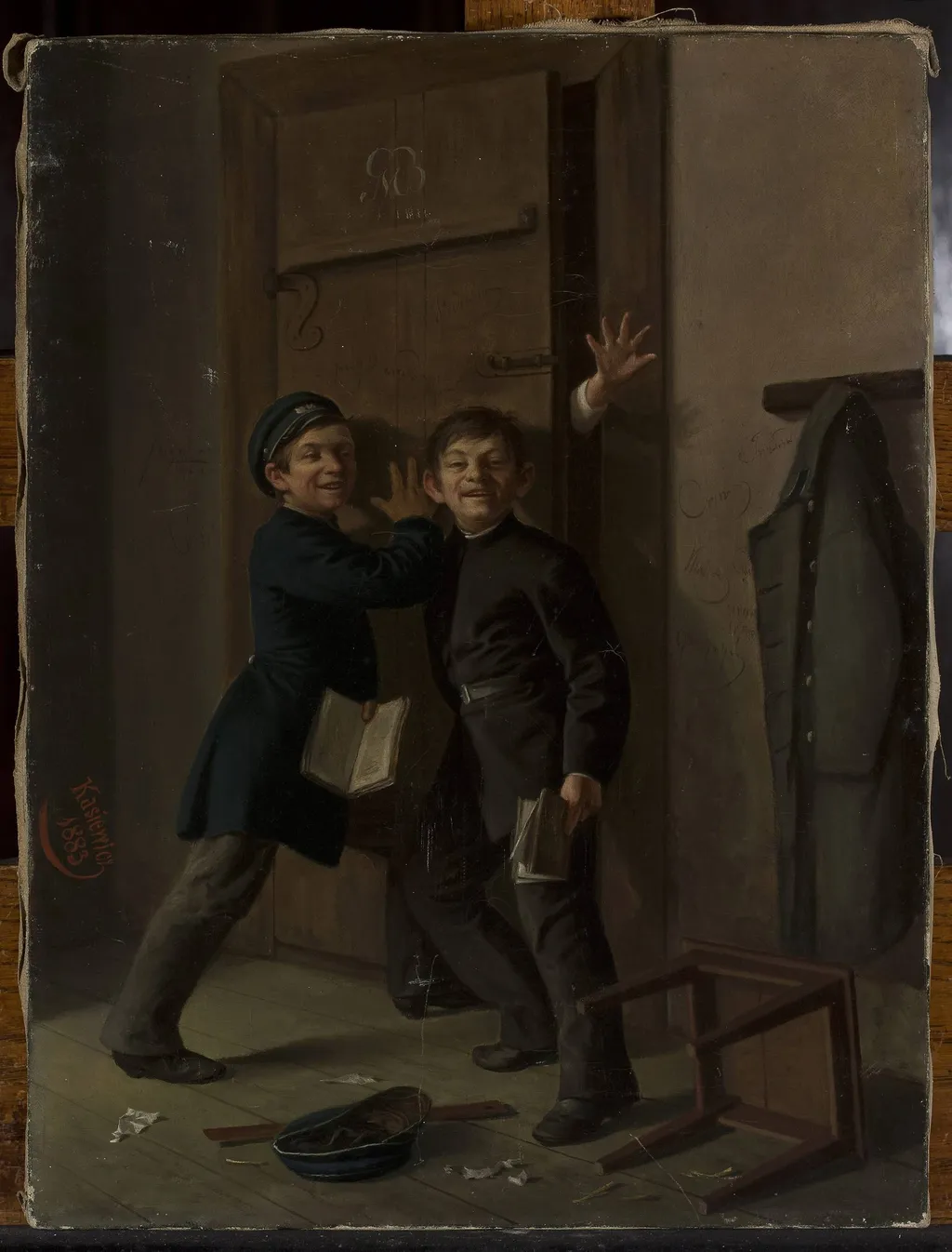
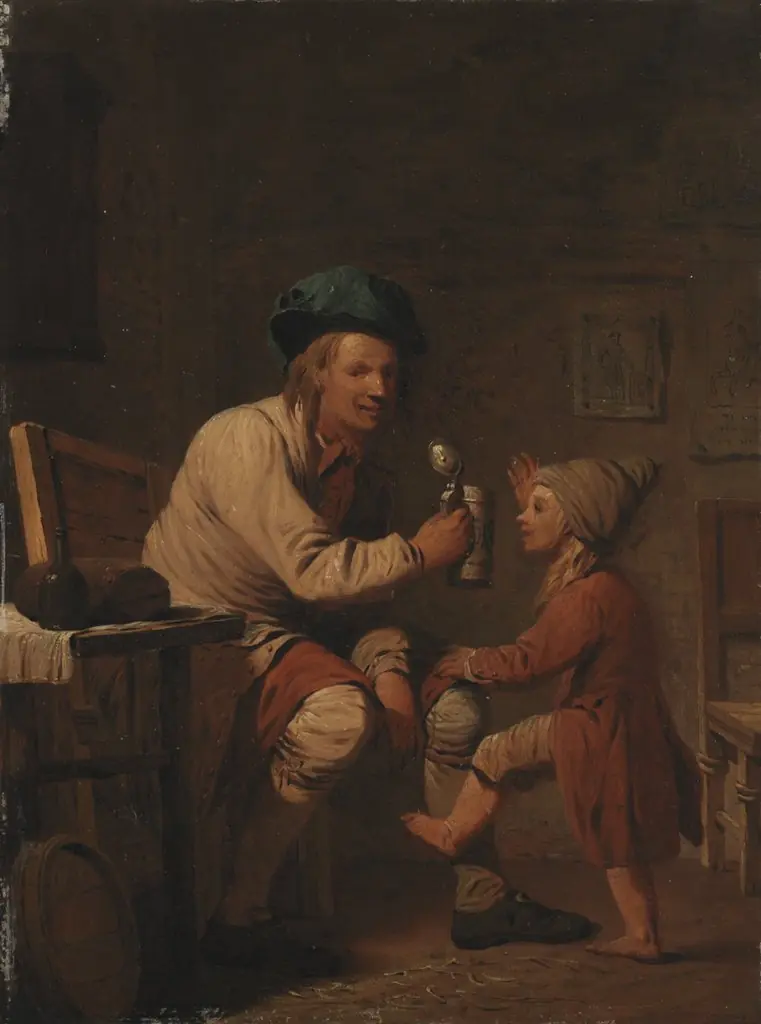
Students’ pranks is an oil painting by the Post-Impressionist artist Marcin Kasiewicz. It dates from 1892 and is held in the collection of the National Museum in Warsaw.
About this work
Overview
Painted in 1892 by Marcin Kasiewicz, this oil-on-canvas work captures a moment of youthful interaction within a modest interior. The painting is part of the National Museum in Warsaw’s collection and reflects the artist’s interest in everyday scenes from student life in late 19th-century Poland. Its quiet tension and restrained palette distinguish it from more dramatic narratives of the period.
Subject & Meaning
The book implies education as both backdrop and target, hinting at the tension between discipline and youthful rebellion.
Two boys are shown in a confined room: one in a dark blue school uniform, pressing the other against the wall; the second, dressed in a black suit, clutches a book as if shielding himself. The scene suggests a schoolyard prank escalating into physical play, not outright violence. The book implies education as both backdrop and target, hinting at the tension between discipline and youthful rebellion.
Technique & Style
Kasiewicz employs subtle chiaroscuro to model forms and deepen the room’s intimacy. Light falls unevenly across the wooden floor and hanging coat, casting soft shadows that emphasize the boys’ postures. Brushwork is controlled, avoiding theatricality; details like fabric folds and facial expressions are rendered with quiet precision, reinforcing the scene’s realism without sentimentality.
History & Provenance
The painting was completed in 1892 and entered the National Museum in Warsaw’s holdings shortly thereafter. It remained relatively obscure outside Poland until late 20th-century scholarly interest in regional academic art revived attention. No significant changes to its ownership or condition are documented, and it has been consistently displayed as part of the museum’s 19th-century Polish painting collection.
Context
Created during a period of Polish cultural revival under foreign partition, the painting reflects broader societal focus on education and youth as symbols of national identity. School settings were common subjects among Polish artists, often portraying moral or social lessons. Kasiewicz’s depiction avoids moralizing, instead offering a neutral observation of adolescent dynamics within institutional spaces.
Legacy
Though not widely reproduced, the painting is cited in studies of Polish realist painting for its understated emotional nuance. It contributes to a body of work that documents domestic and educational life without idealization. Its preservation in a major national institution underscores its value as a record of everyday social behavior in late imperial Poland.
Artist & collection
Artist
Marcin Kasiewicz spent years sketching Warsaw’s back alleys on lunch breaks, always with a crusty bread roll in his pocket for the stray cat that followed him.

 Story of Golden Locks
 Copil
Copil To fattige børn
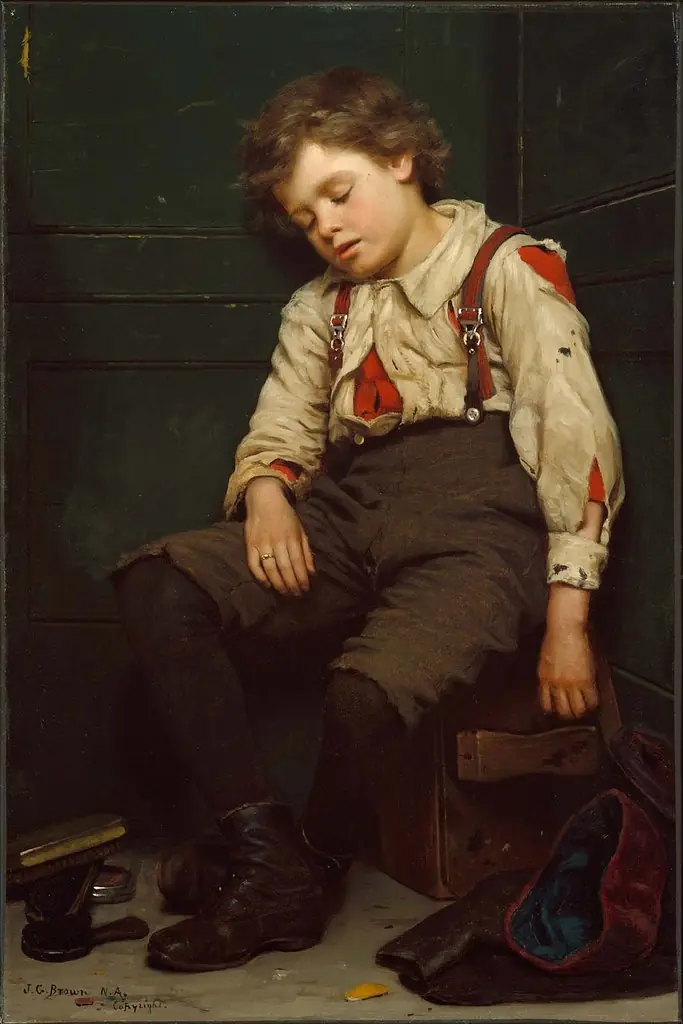 Tuckered Out —The Shoeshine Boy
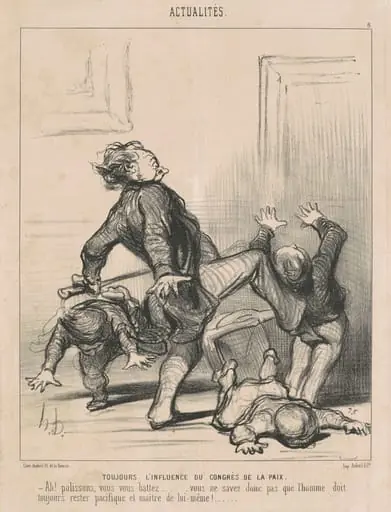 Toujours l'influence du congres de la paix ...
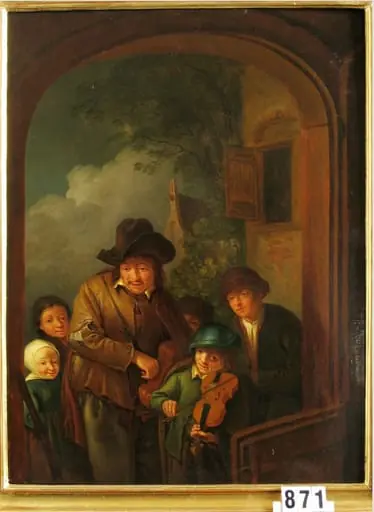 Micul violonist
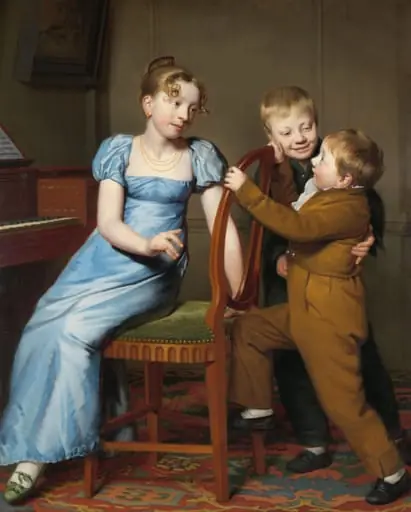 Het gestoorde pianospel
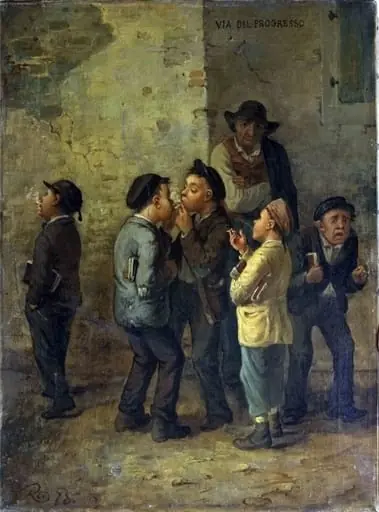 Copii fumând
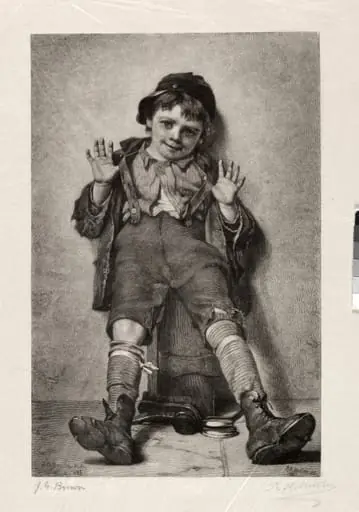 I'm Perfectly Happy
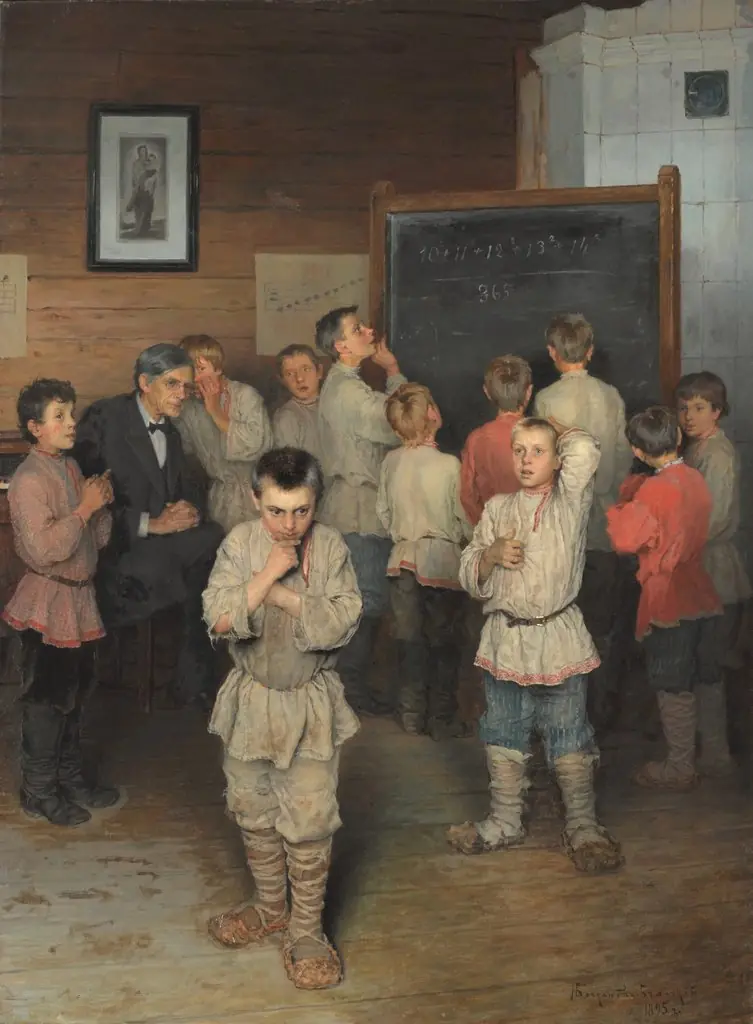 Mental Calculation. In Public School of S. A. Rachinsky
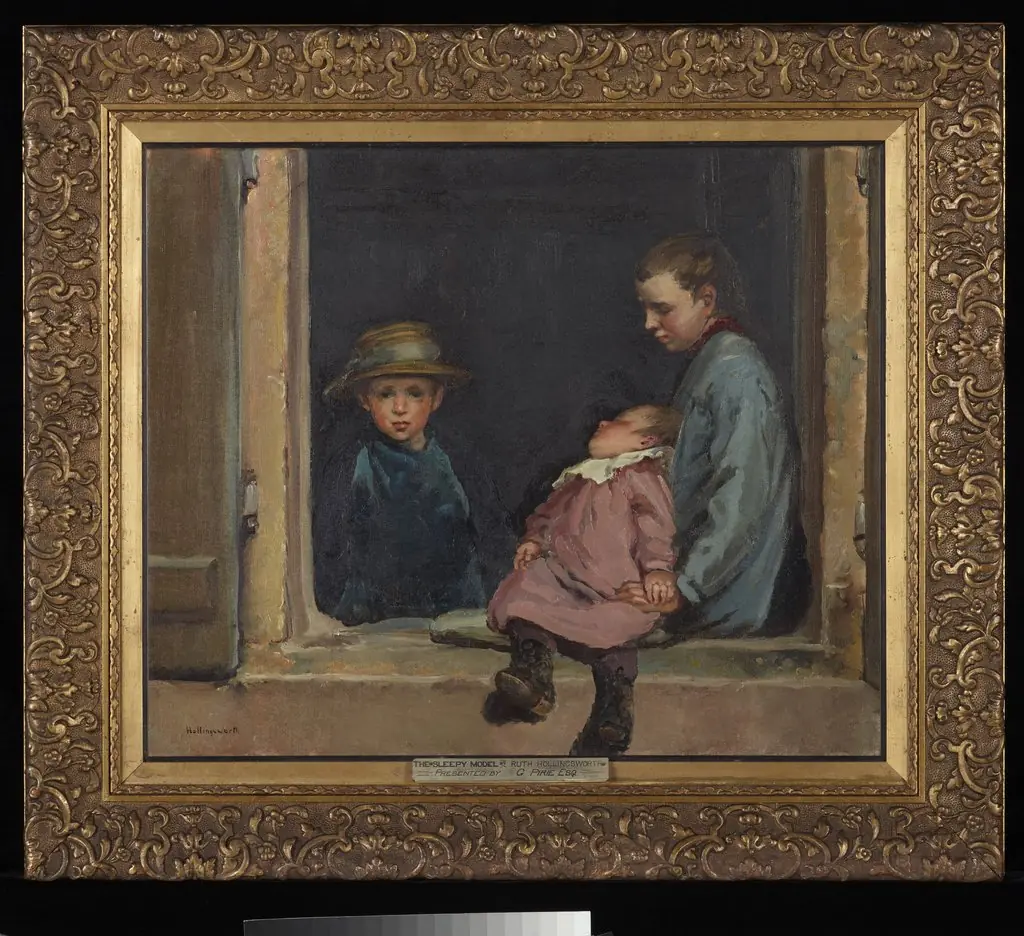 The sleepy model
 A Peasant Giving his Son Something to Drink