Artwork
The dead Christ supported by the Virgin Mary and Mary Magdalene
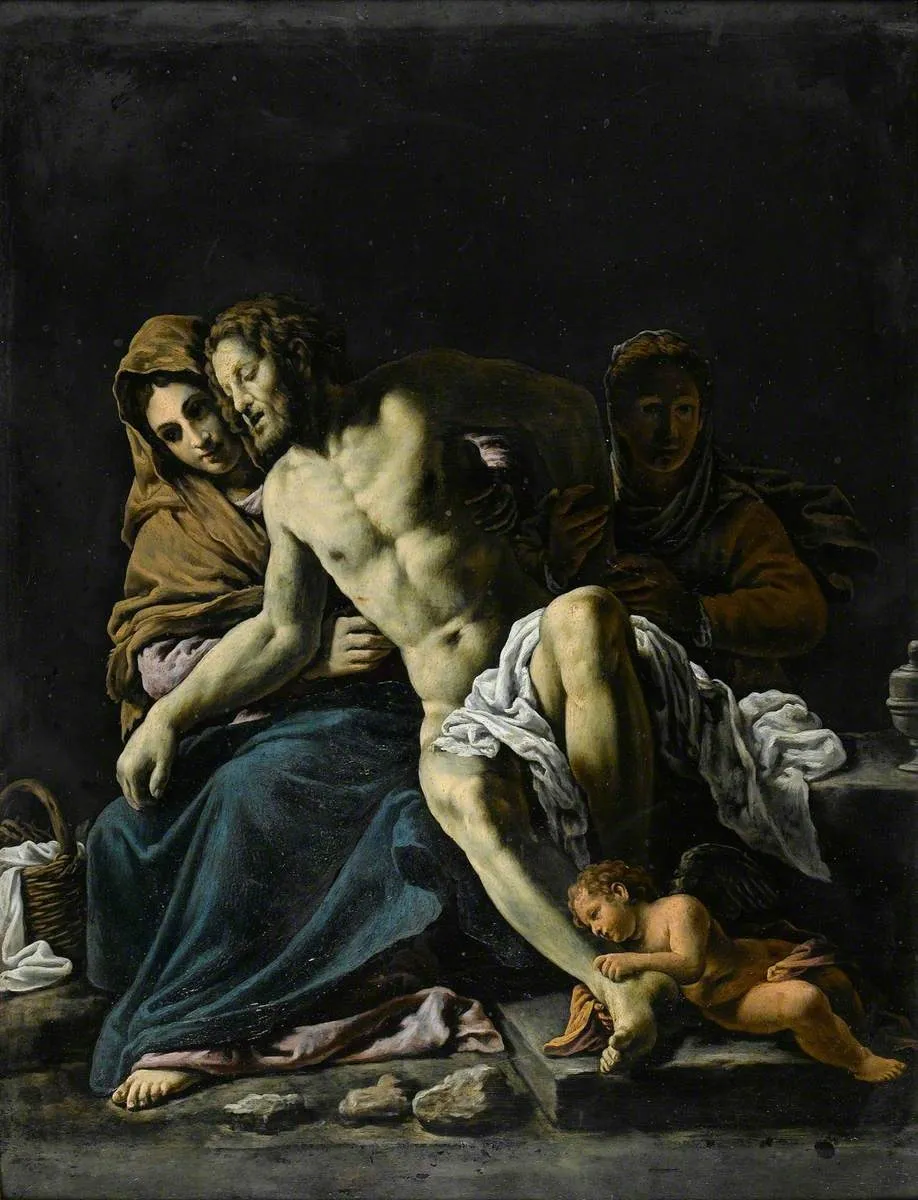
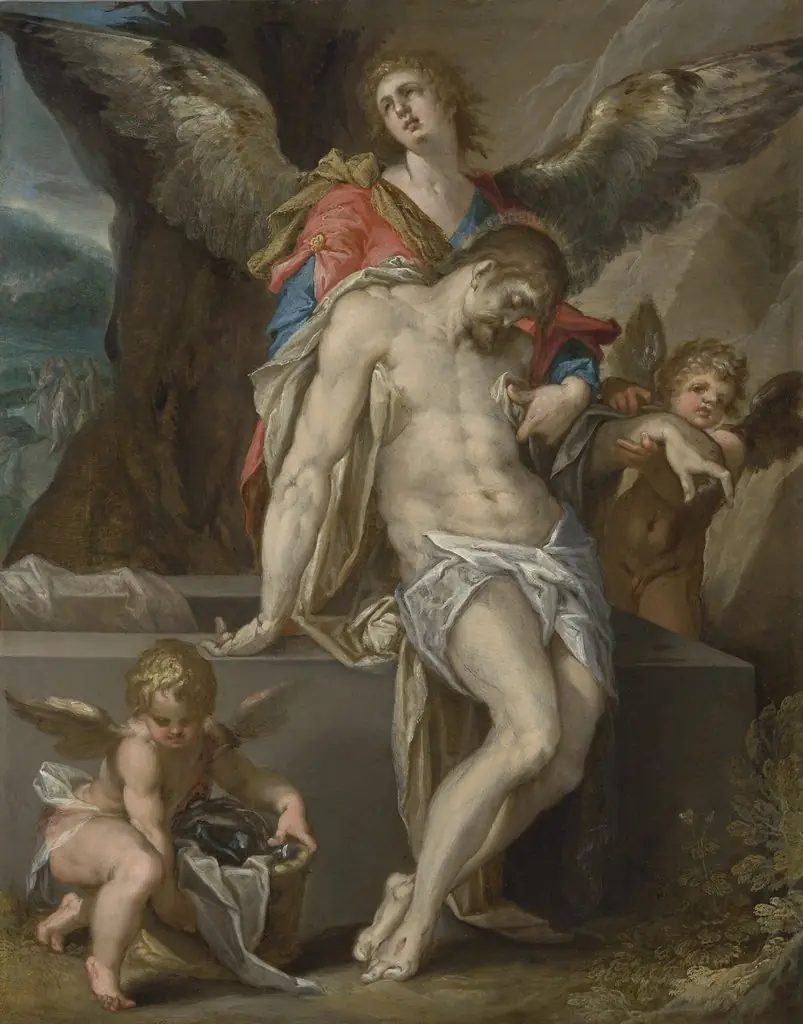
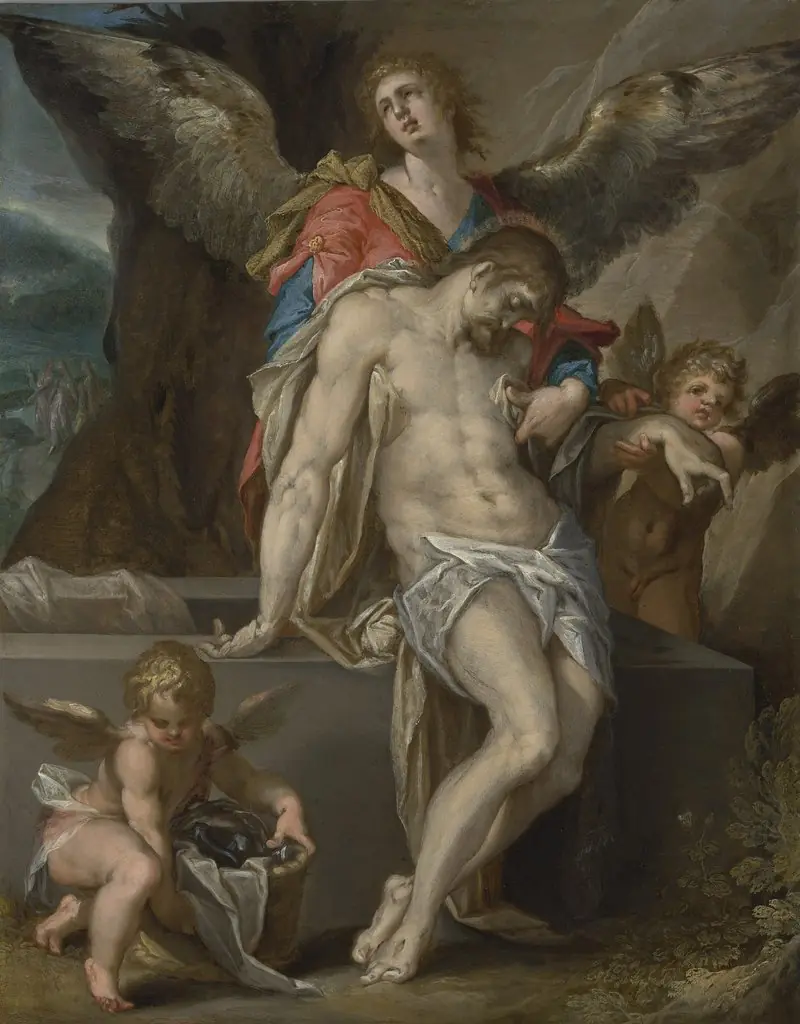
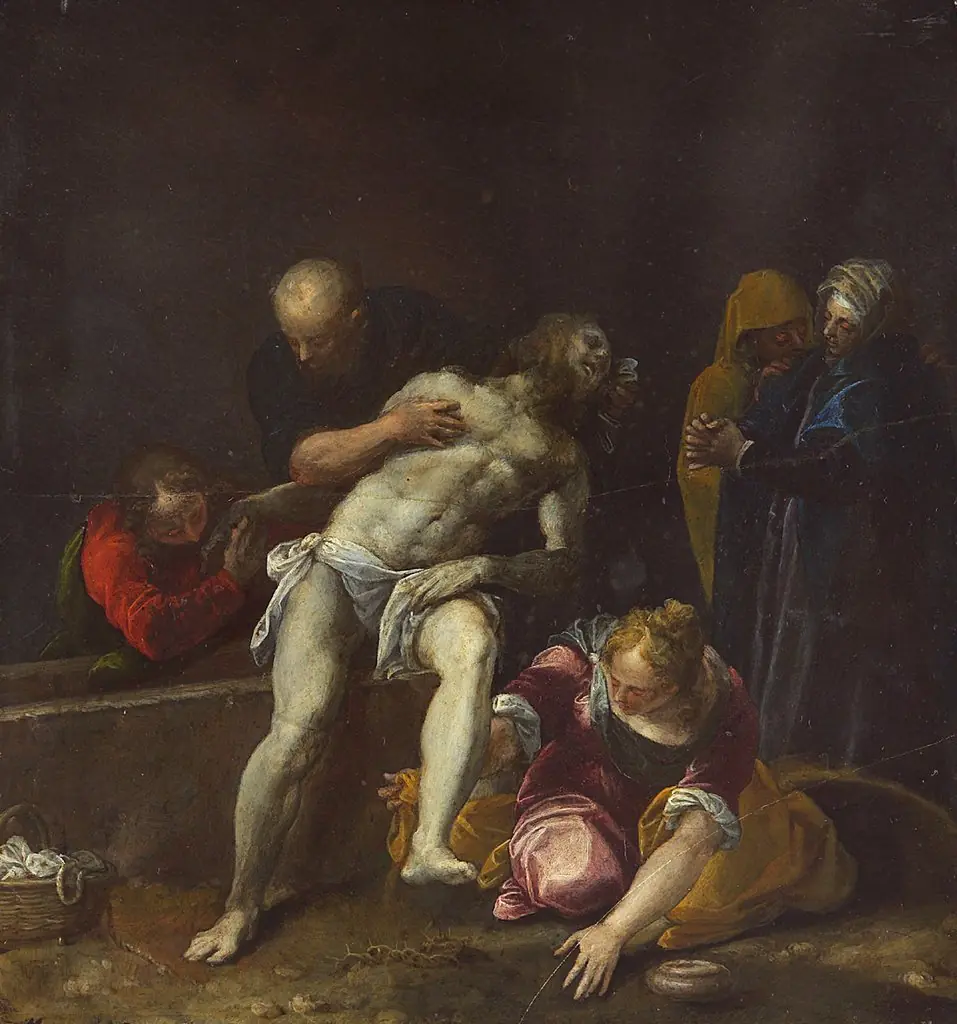
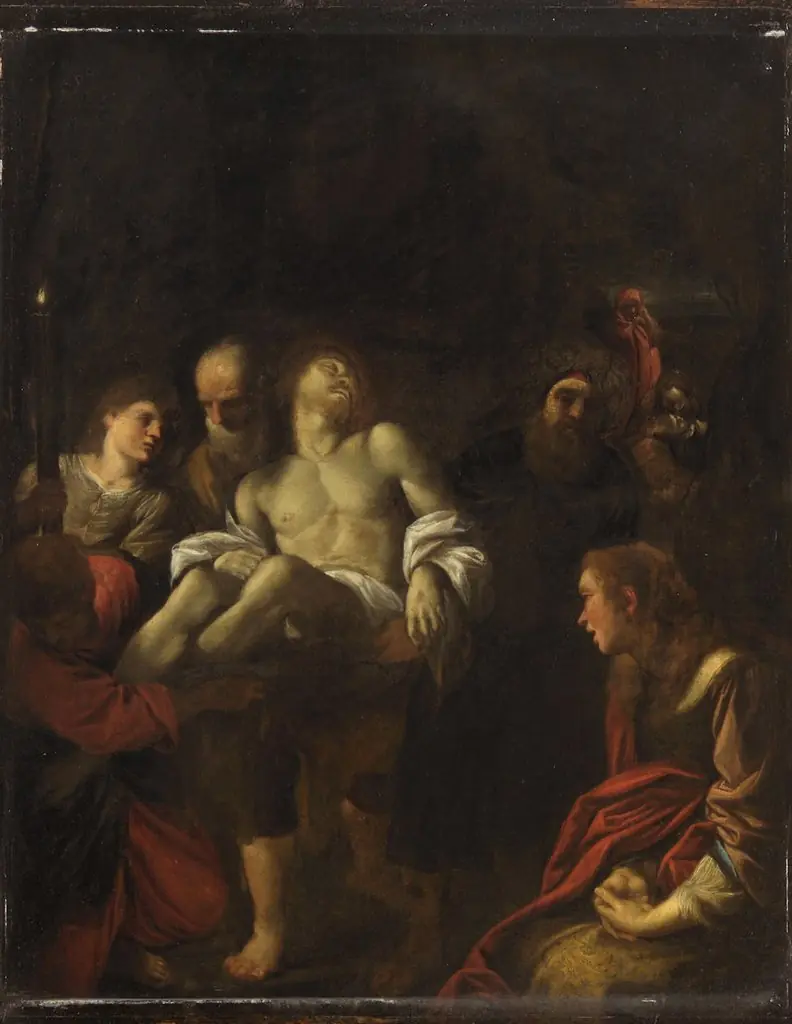
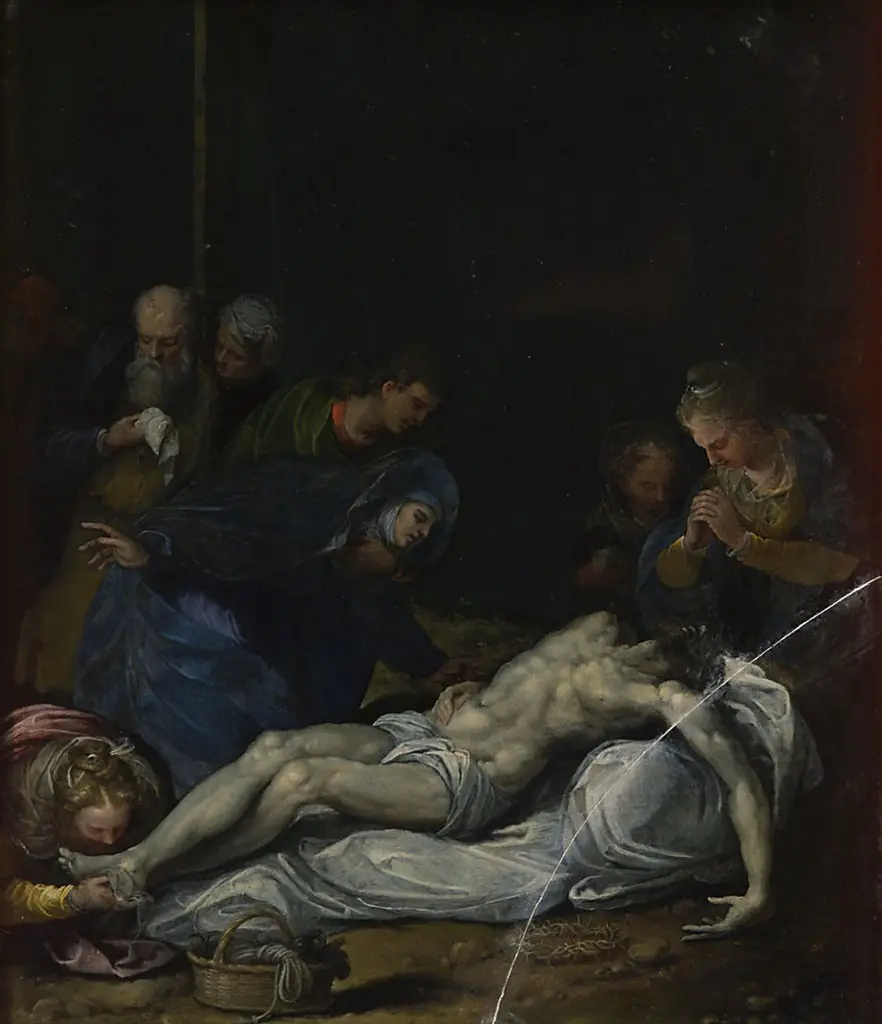
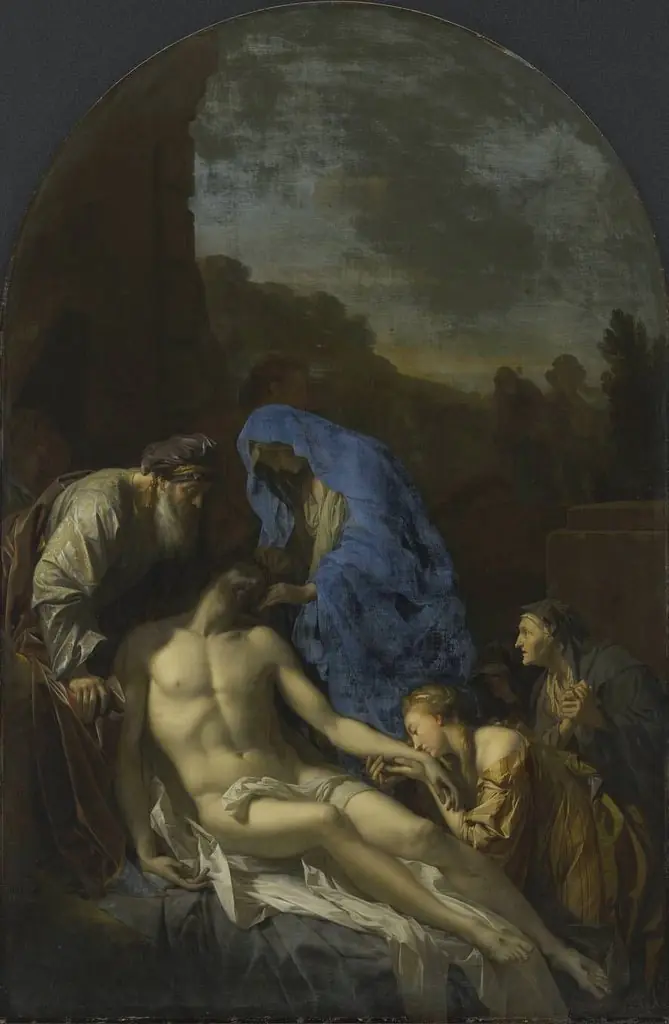
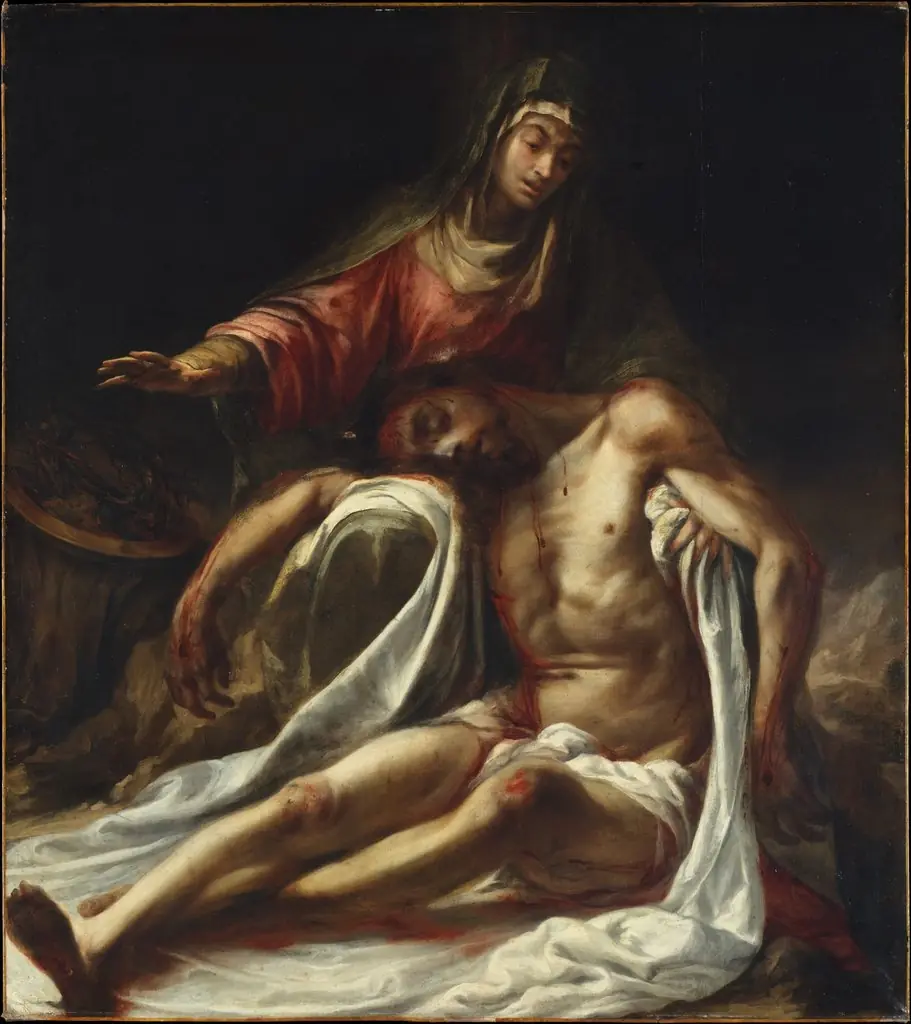
The dead Christ supported by the Virgin Mary and Mary Magdalene is an unspecified painting by Marco Antonio Bassetti. It dates from 1616 and is held in the collection of the Fitzwilliam Museum.
About this work
Overview
Executed in oil on canvas, it resides in the Fitzwilliam Museum, Cambridge.
Painted in 1616 by Marco Antonio Bassetti, this work depicts the moment after Christ’s crucifixion, with his lifeless body cradled by the Virgin Mary and Mary Magdalene. Executed in oil on canvas, it resides in the Fitzwilliam Museum, Cambridge. The composition avoids dramatic spectacle, instead emphasizing stillness and emotional restraint, characteristic of early Baroque devotional art in northern Italy.
Subject & Meaning
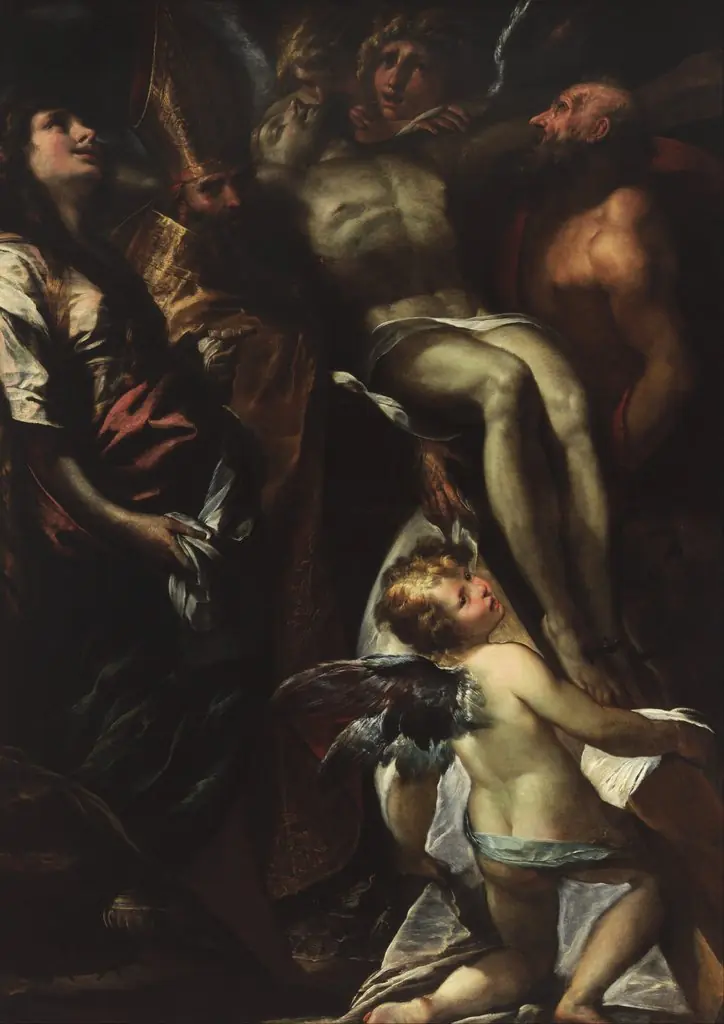
The scene captures the quiet aftermath of the Passion, focusing on human grief rather than divine triumph. Christ’s pale, slack form contrasts with the upright, sorrowful postures of the two women, whose expressions convey deep, inward mourning. The fallen cherub at their feet symbolizes the absence of heavenly joy, reinforcing the theme of earthly loss and the weight of sacrifice.
Technique & Style
Bassetti employs chiaroscuro to model the figures with subtle gradations of light and shadow, giving volume to the bodies and deepening the emotional atmosphere. The palette is restrained—muted browns, grays, and pale flesh tones—enhancing the somber tone. Brushwork is precise yet unobtrusive, favoring clarity of form over ornamental detail, aligning with the Caravaggesque tradition of naturalism.
History & Provenance
The painting entered the Fitzwilliam Museum’s collection in the 19th century, though its earlier ownership remains undocumented. Likely commissioned for private devotion, it reflects the devotional practices of Counter-Reformation Italy, where intimate religious scenes were valued for their capacity to inspire personal reflection and penitence.
Context
Created during a period when Italian artists were responding to Caravaggio’s revolutionary realism, Bassetti’s work aligns with regional interpretations of his style in Lombardy and Emilia. Unlike grand altarpieces, this painting’s scale and quiet intensity suggest it was intended for contemplative use, perhaps in a chapel or domestic setting, where emotional resonance mattered more than public spectacle.
Legacy
Though not widely known today, the painting exemplifies how lesser-known artists adapted Caravaggio’s innovations into personal, emotionally grounded compositions. Its preservation in a major public collection ensures continued study of how regional Baroque painters conveyed sacred narratives through understated realism, rather than theatrical grandeur.
Artist & collection
Artist
Marco Antonio Bassetti (1586–1630) was an Italian artist, born in Verona.