Artwork
Bergamo
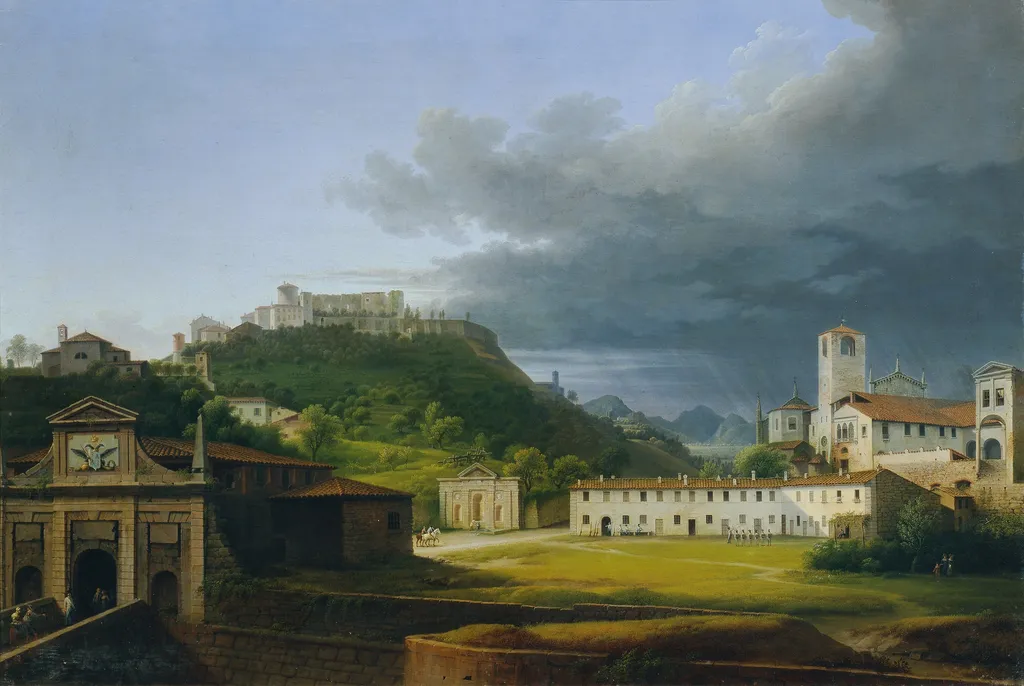
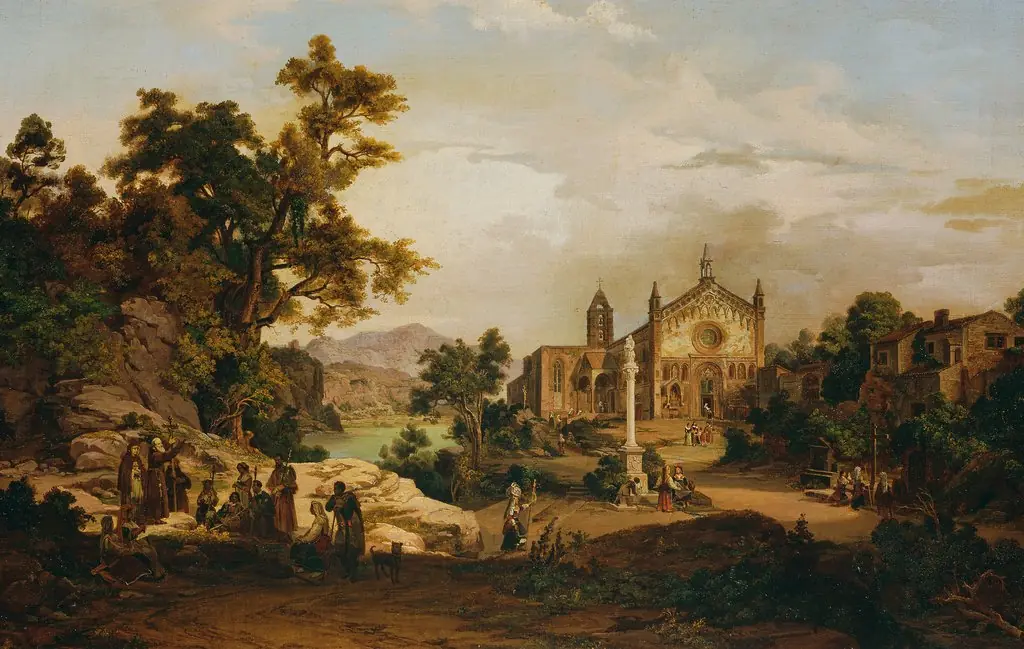
Bergamo is an oil painting by Marco Gozzi. It dates from 1809 and is held in the collection of the Kunsthistorisches Museum.
About this work
Overview
Created around 1809, this oil painting by Marco Gozzi depicts a tranquil hillside village in Bergamo. Rendered with careful attention to natural detail, the scene captures the quiet rhythm of rural life. The work is part of the Kunsthistorisches Museum’s collection, where it stands as a representative example of early 19th-century Italian landscape painting.
Subject & Meaning
The painting presents a serene view of a village perched on a gently sloping hill, surrounded by wooded terrain and cultivated fields.
The painting presents a serene view of a village perched on a gently sloping hill, surrounded by wooded terrain and cultivated fields. Human figures are sparse, suggesting a focus on harmony between settlement and environment. The composition implies a contemplative appreciation of place rather than narrative, reflecting a broader cultural interest in regional identity during the post-Napoleonic era.
Technique & Style
Gozzi employs a nuanced palette of greens and browns to distinguish foliage, earth, and stone, building depth through subtle tonal shifts. The sky, lightly clouded and pale blue, provides a calm counterpoint to the textured ground. Architectural elements are rendered with precision, while the brushwork remains restrained, favoring clarity over dramatic expression.
History & Provenance
The painting entered the Kunsthistorisches Museum’s holdings in the 19th century, likely through acquisition or donation. Its presence in Vienna indicates broader Habsburg interest in Italian regional art during the period. No significant alterations or reworkings are documented, and the work has remained in stable condition since its creation.
Context
Produced during a time when Italian artists increasingly turned to local landscapes as subjects, Gozzi’s work aligns with a movement away from grand historical themes toward intimate, topographical observation. Similar scenes by contemporaries reflect a growing regional pride and a shift in patronage toward middle-class collectors seeking familiar, peaceful imagery.
Legacy
Though not widely known outside specialized circles, Gozzi’s painting contributes to the understanding of minor Italian landscape traditions in the early 1800s. It remains a quiet testament to the aesthetic value placed on vernacular scenery, influencing later regionalist painters who sought to document Italy’s rural character with fidelity rather than idealization.
Own this work as a print
Artist & collection

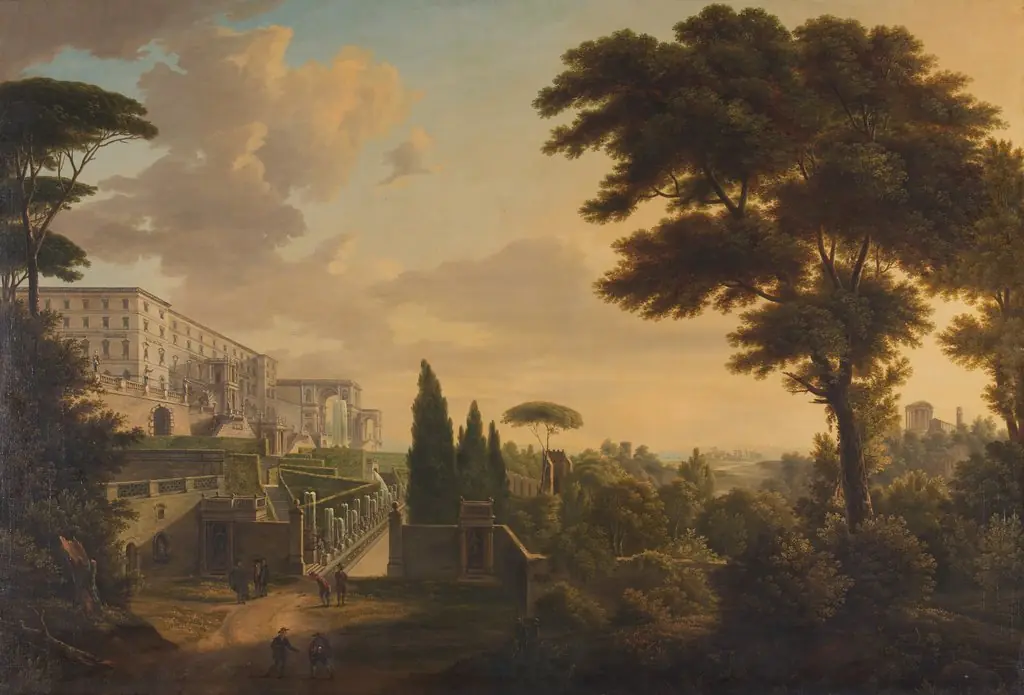 The Villa d'Este in Tivoli
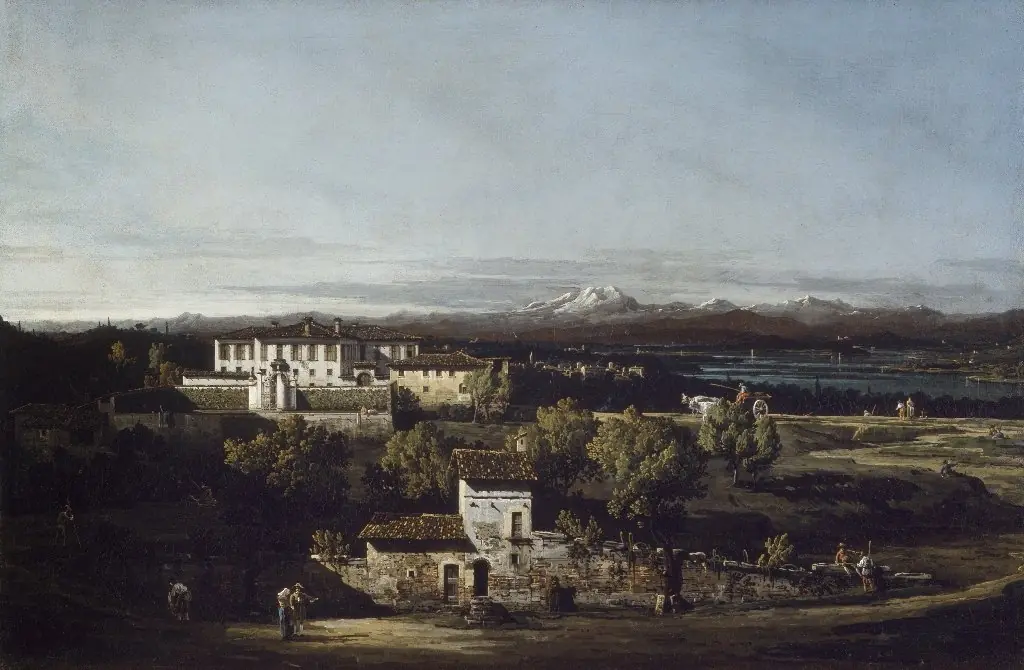 View of Villa Perabò, later Melzi, in Gazzada
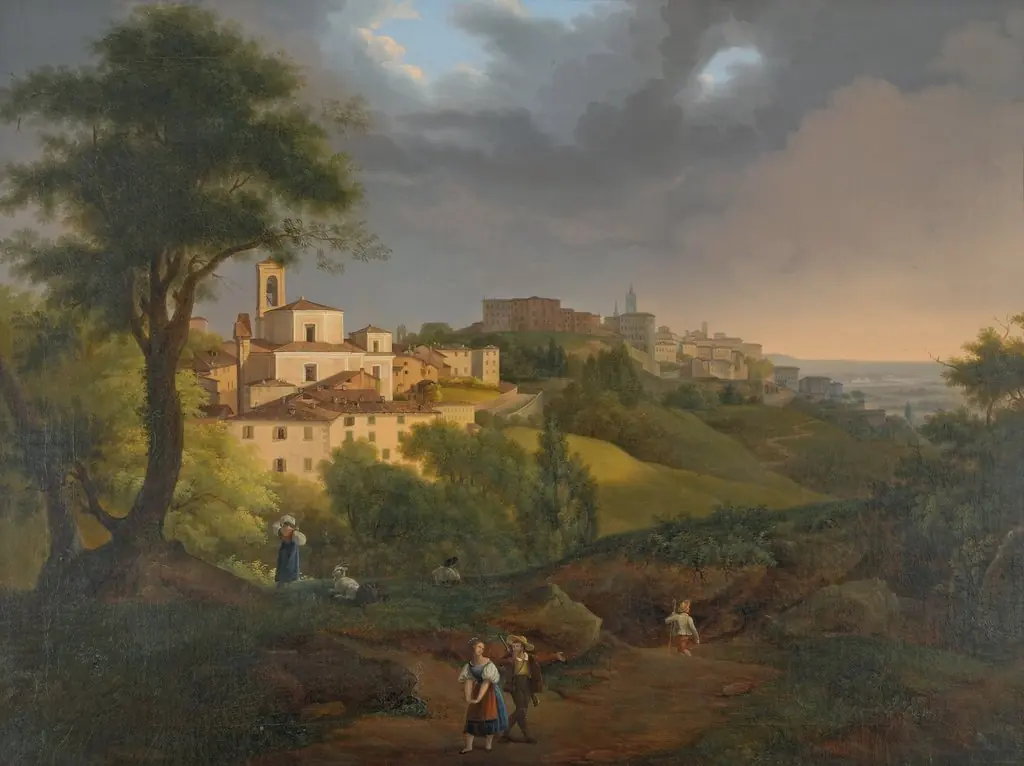 Ansicht des Borgo, Canale in Bergamo
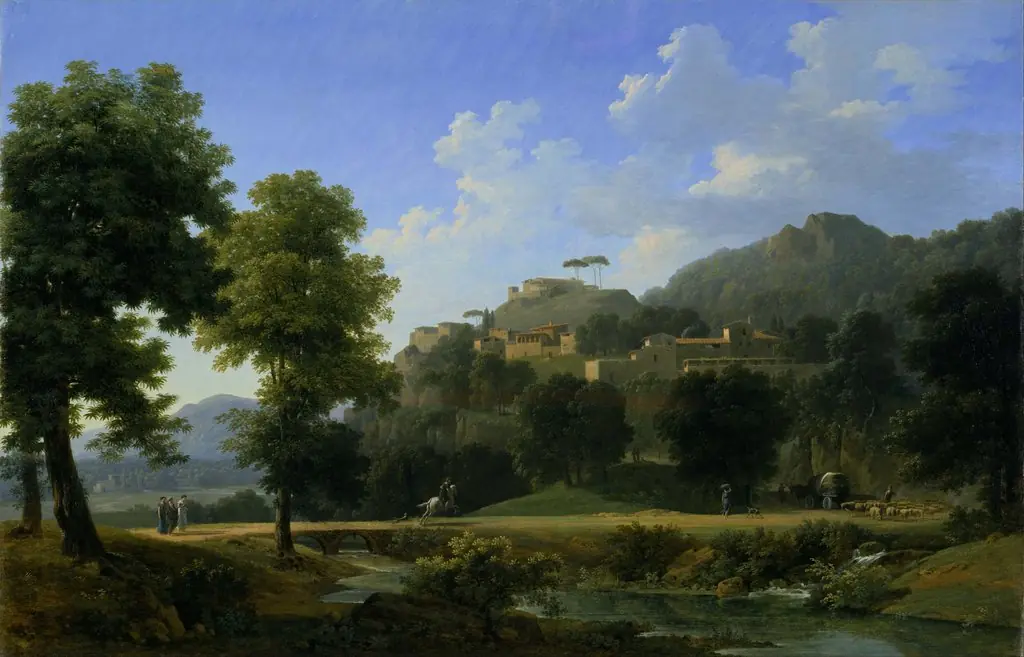 Italian Landscape (Le Paysage d'Italie)
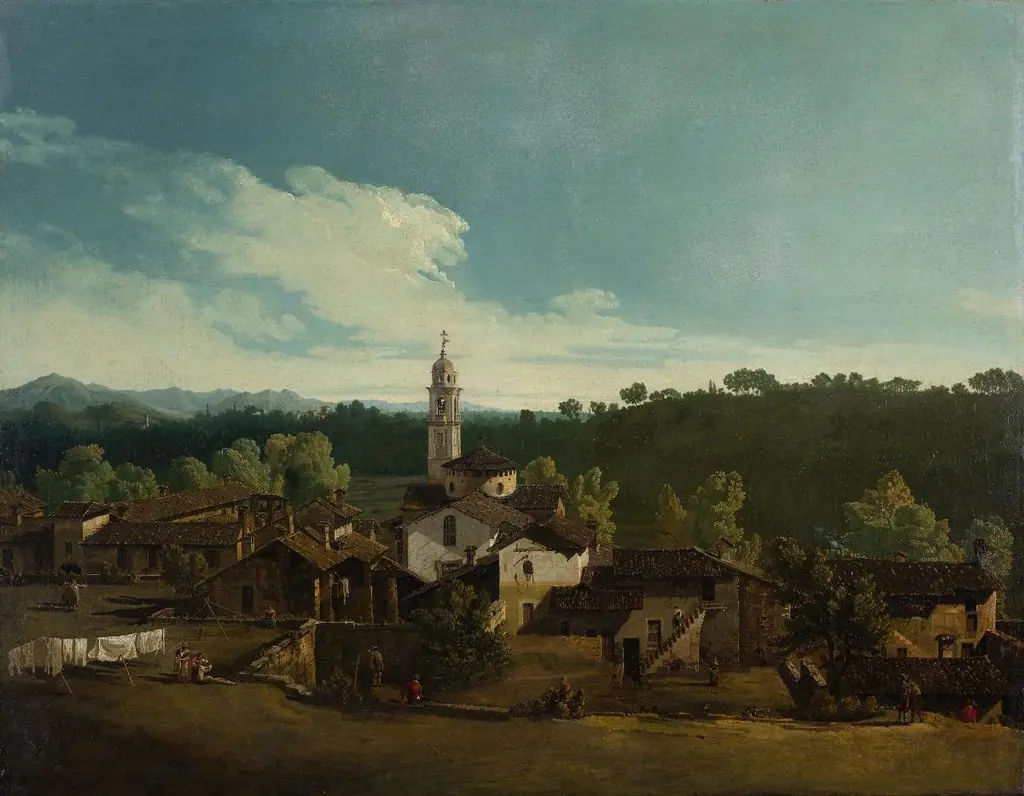 Veduta di Gazzada
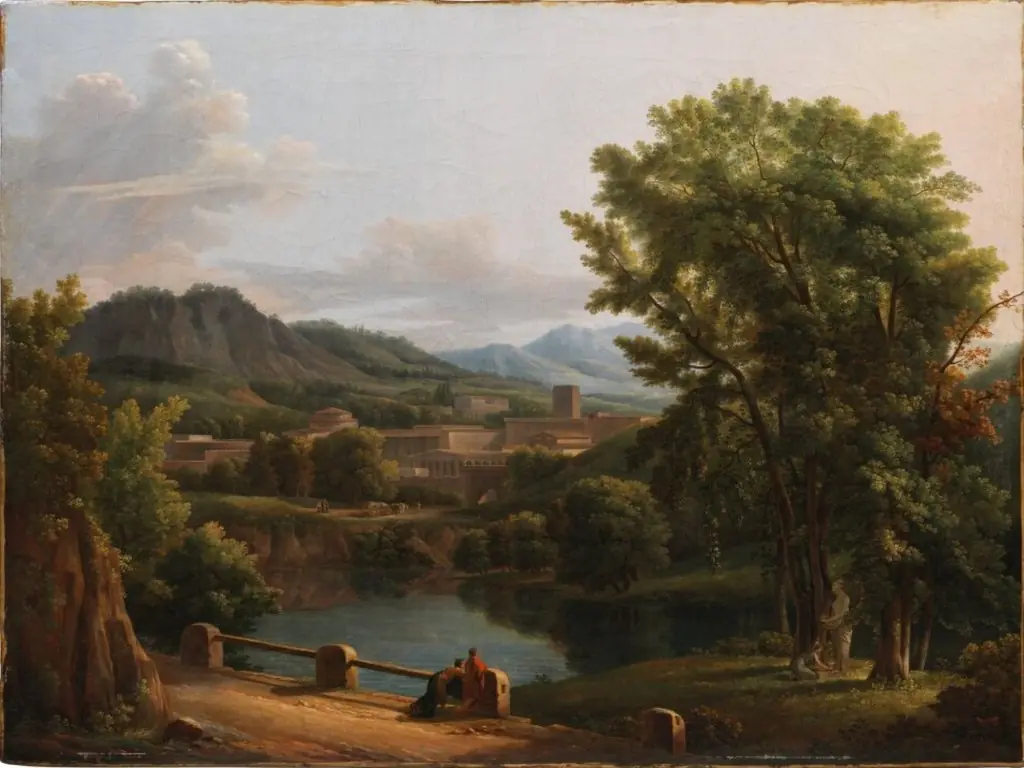 Ideal Landscape with a Sacrifice to the Goddess Flora
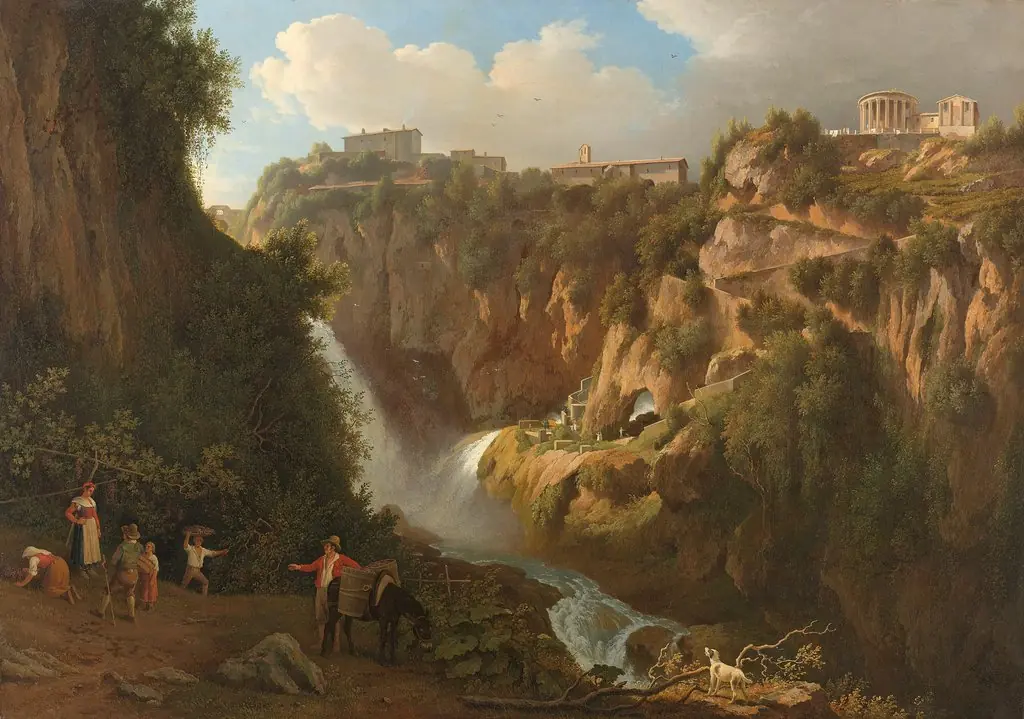 The Waterfall at Tivoli
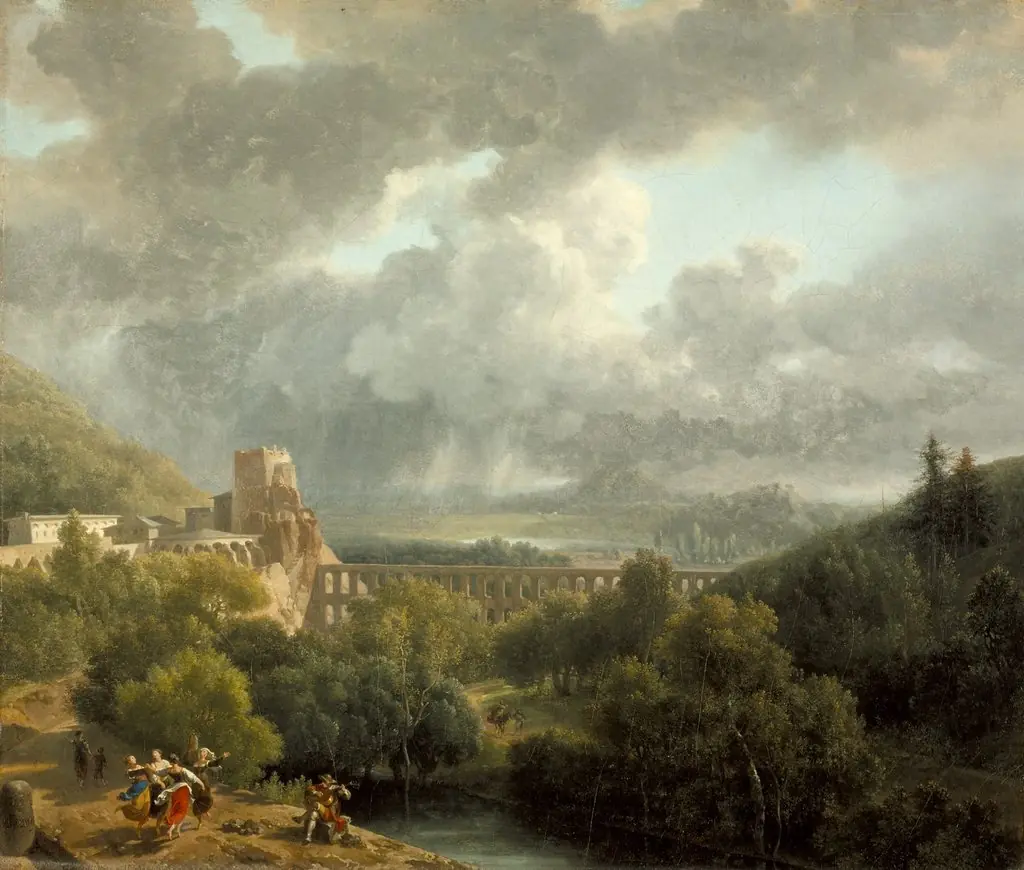 Landscape with an Aqueduct
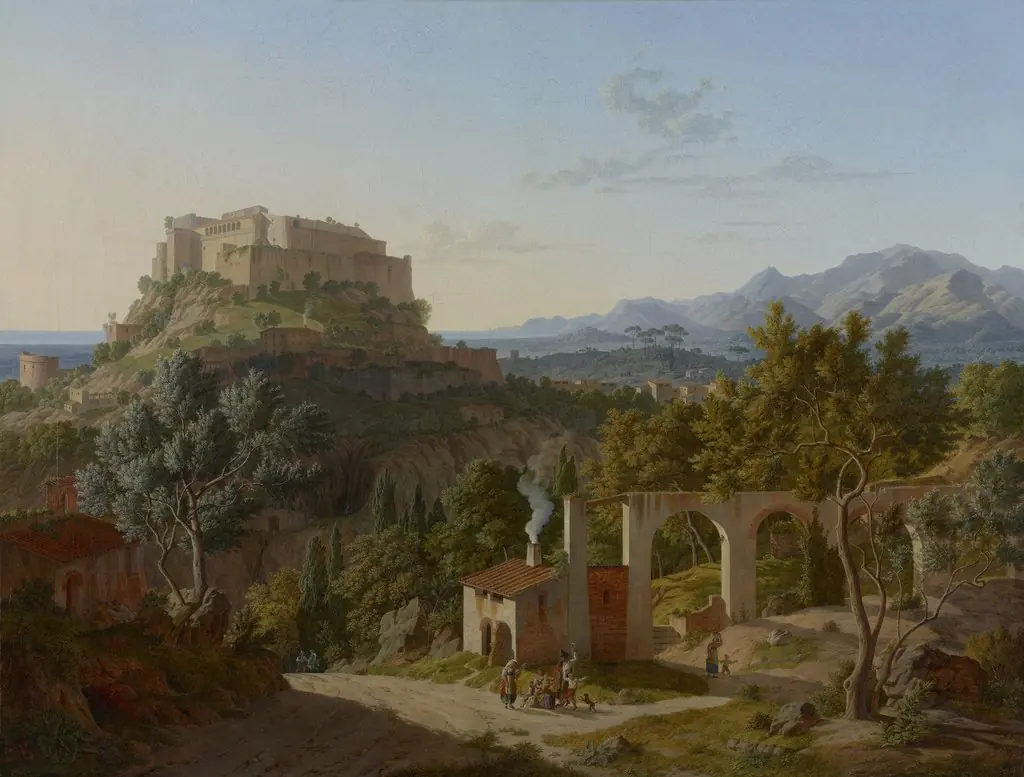 Landscape with the Castle of Massa di Carrara
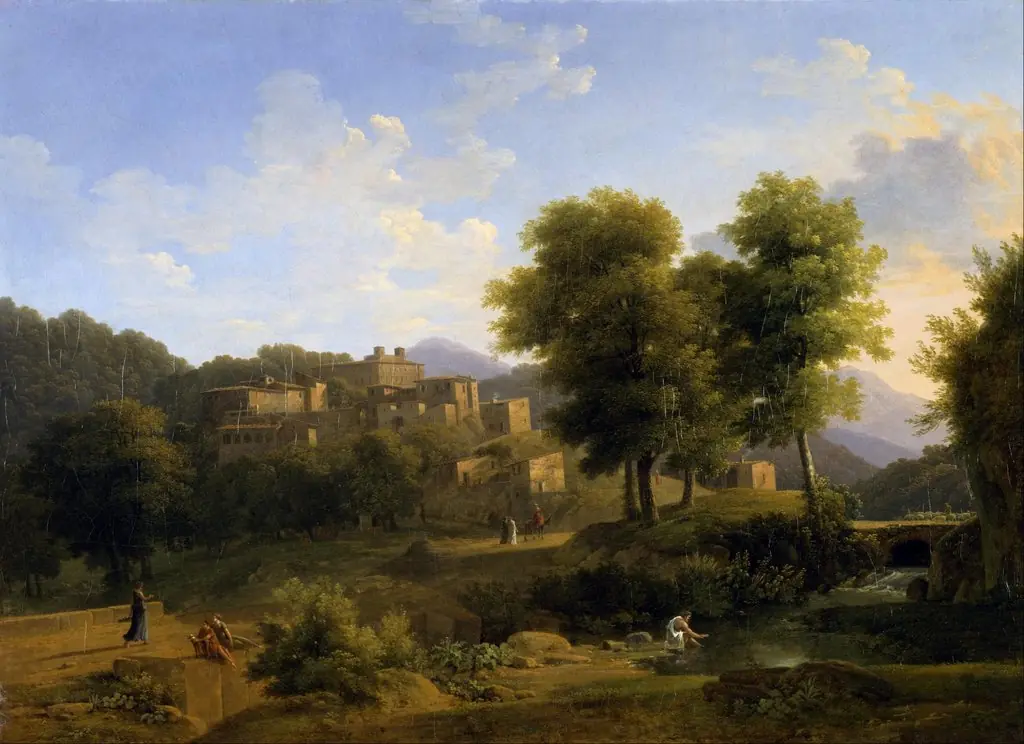 View of a Town in the Sabine Hills
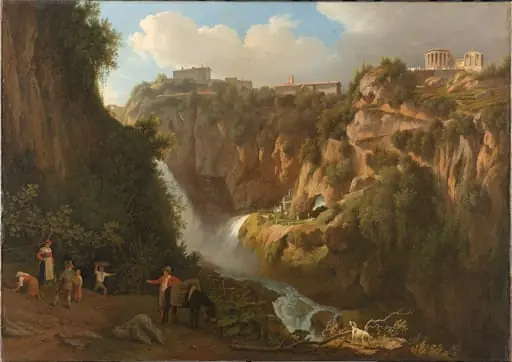 De waterval van Tivoli
 Italienische Landschaft mit Pilgern