Artwork
Ballo in Maschera (Masquerade Ball)
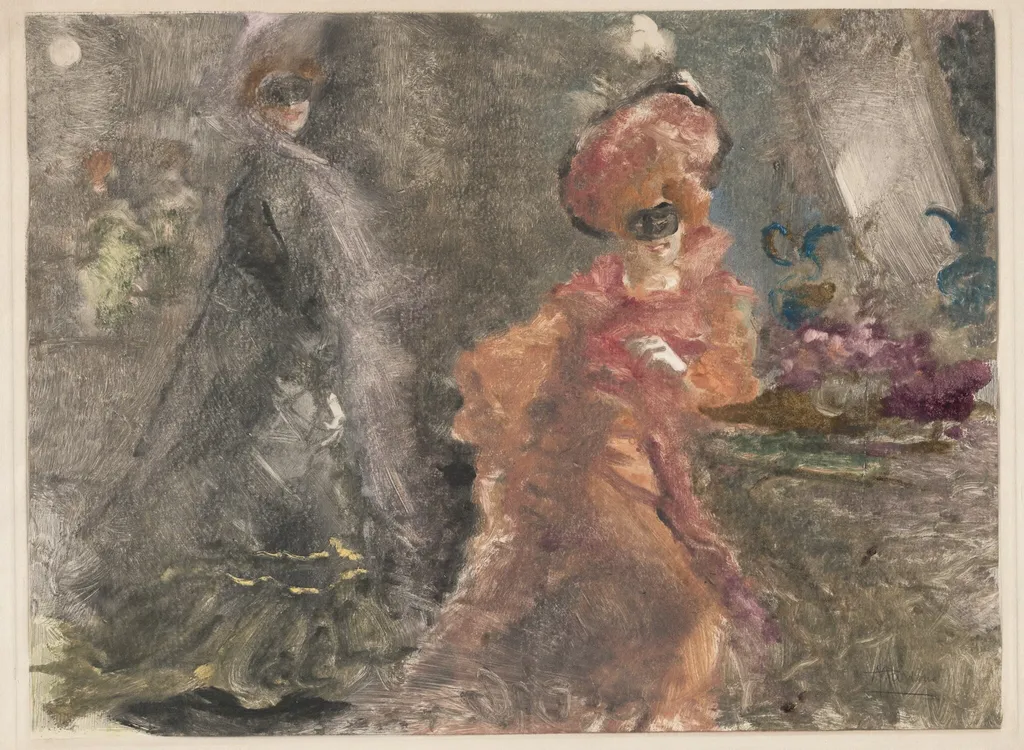
Ballo in Maschera (Masquerade Ball) is a paint print by Pompeo Mariani. It is held in the collection of the National Gallery of Art.
About this work
Overview
Unlike traditional prints, monotypes involve painting directly onto a plate and transferring the image once, resulting in a unique, painterly surface.
Pompeo Mariani created Ballo in Maschera around 1908 as a color monotype on wove paper. The work is part of the National Gallery of Art’s collection in Washington, D.C. Unlike traditional prints, monotypes involve painting directly onto a plate and transferring the image once, resulting in a unique, painterly surface. The technique allows for fluid blending of pigments, which contributes to the work’s atmospheric quality and elusive detail.
Subject & Meaning
Two figures, masked and elaborately dressed, stand in close proximity against a hazy backdrop. One wears dark attire, the other light, suggesting contrast in demeanor or social role. The masks and formal wear evoke a Venetian masquerade, a setting historically associated with anonymity and social inversion. The ambiguity of their interaction—neither overtly intimate nor hostile—leaves their relationship open to interpretation, emphasizing mystery over narrative clarity.
Technique & Style
Mariani employed the monotype process to achieve a soft, layered texture where colors bleed into one another. The lack of sharp outlines and the diffused background create a dreamlike atmosphere, characteristic of late 19th-century Symbolist tendencies. His use of translucent washes and gestural marks prioritizes mood over precision, aligning the work with broader European trends that favored emotional resonance over literal representation.
History & Provenance
The work entered the National Gallery of Art’s collection through the A.W. Mellon Educational and Charitable Trust in 1937. Its acquisition reflects the institution’s early interest in European prints and works on paper from the fin de siècle period. While not widely exhibited, it has remained in the museum’s permanent holdings, preserved as an example of Mariani’s experimental printmaking.
Context
Mariani worked during a time when Italian artists were engaging with French Impressionism and Symbolism, often blending them into personal styles. Masquerade themes were popular in European art, symbolizing the tension between public persona and private identity. Mariani’s monotype aligns with contemporaries like Whistler and Degas, who explored similar subjects through unconventional print methods that emphasized spontaneity and atmosphere.
Legacy
Ballo in Maschera stands as a quiet example of Mariani’s contribution to the revival of monotype as a serious artistic medium in Italy. Though not widely known outside specialist circles, the work illustrates how traditional print techniques could be adapted to convey psychological nuance. It remains a reference point for understanding the intersection of Italian modernism and experimental printmaking at the turn of the century.
Artist & collection


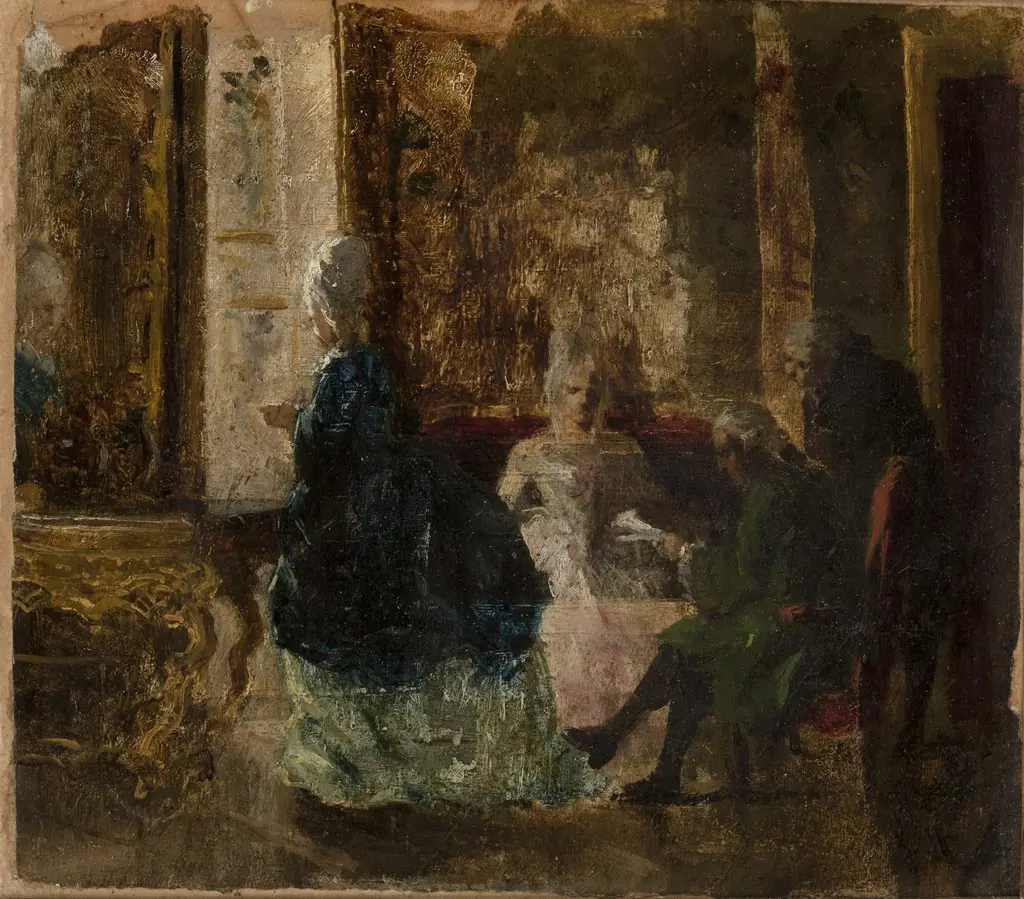 Costume Scene
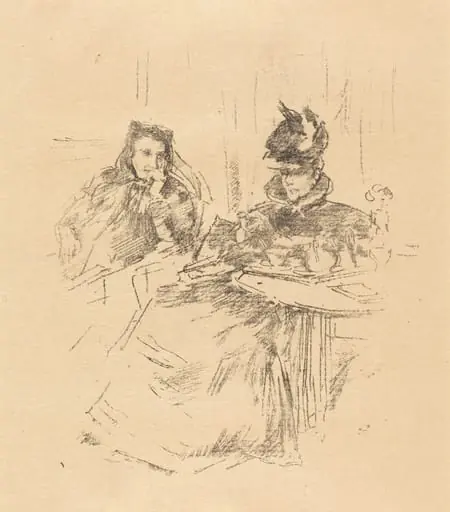 Afternoon Tea
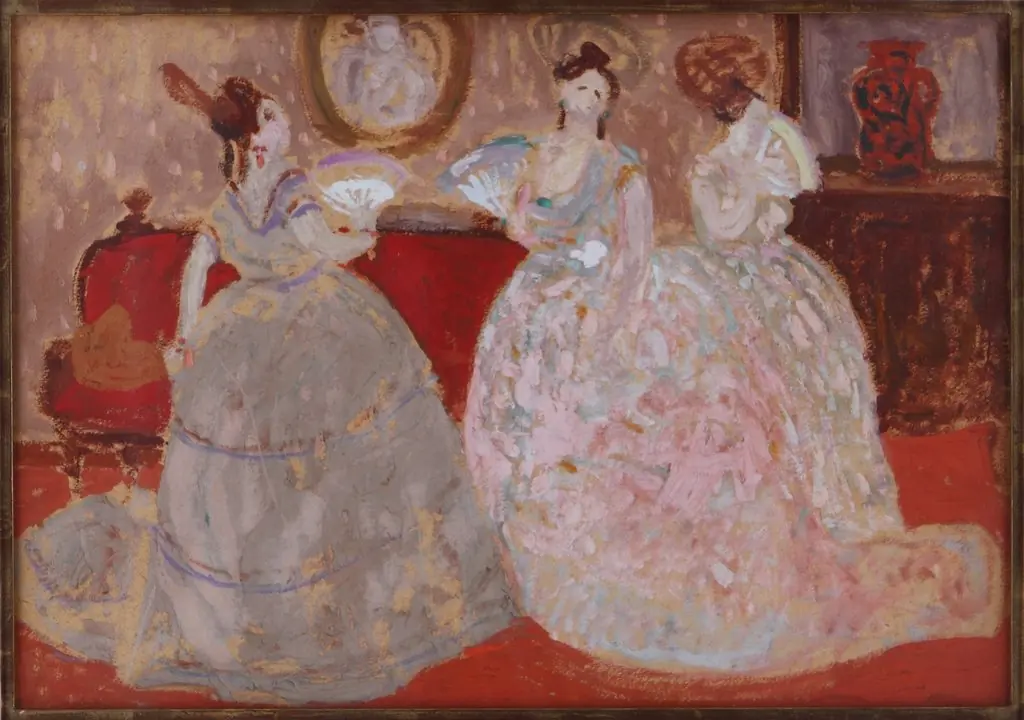 Deliberando
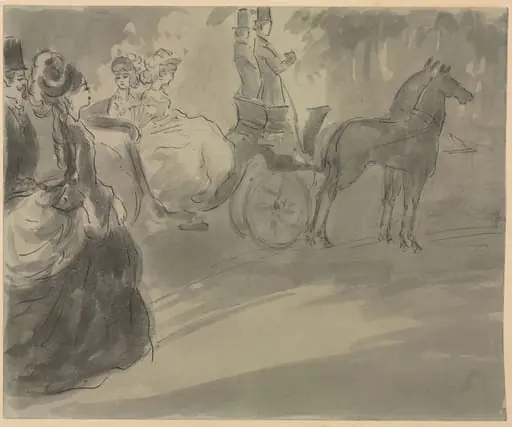 A Stop in the Park
 Study for the painting “Potocka in Bakhchisaray”
 Sketch for the painting “Potocka in Bakhchisaray”
 Mother and Daughter
 The Toilet
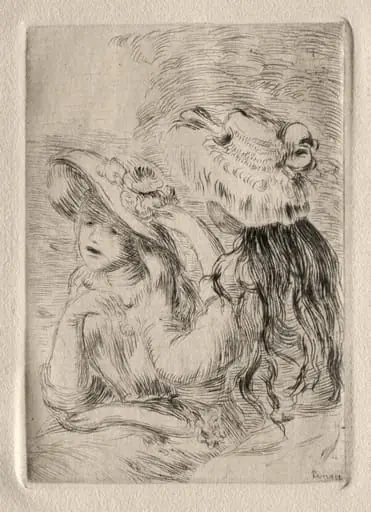 The Hatpin (Berthe Morisot's Daughter and Her Cousin), 1st plate
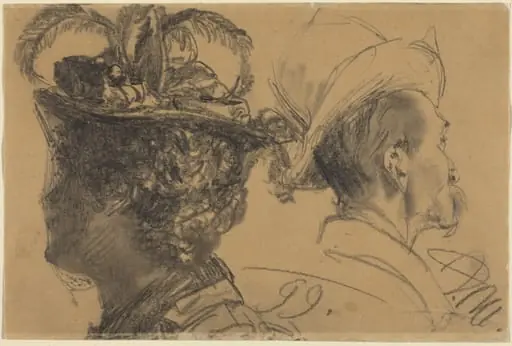 Heads of a Man and a Woman
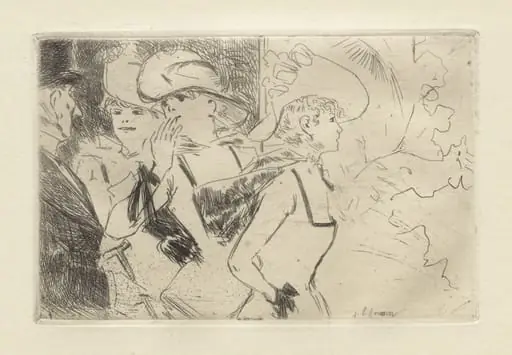 The Folies-Bergère
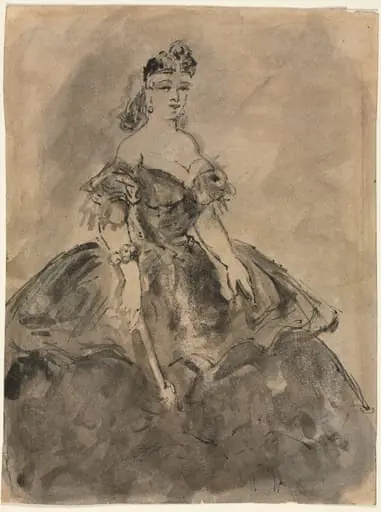 At the Ball (recto)