Artwork
Odalisca
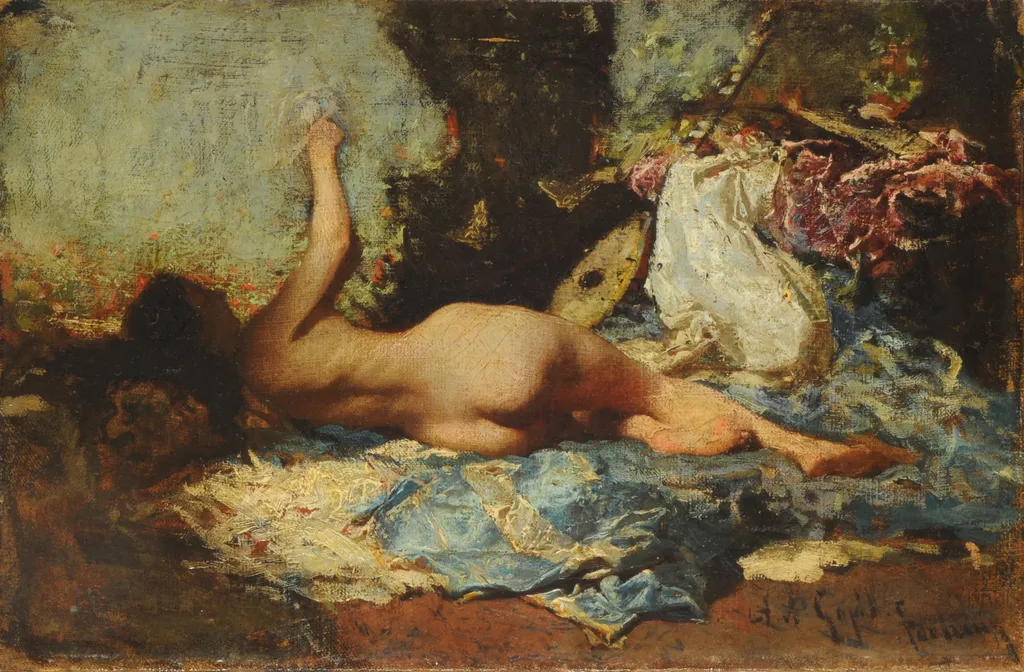
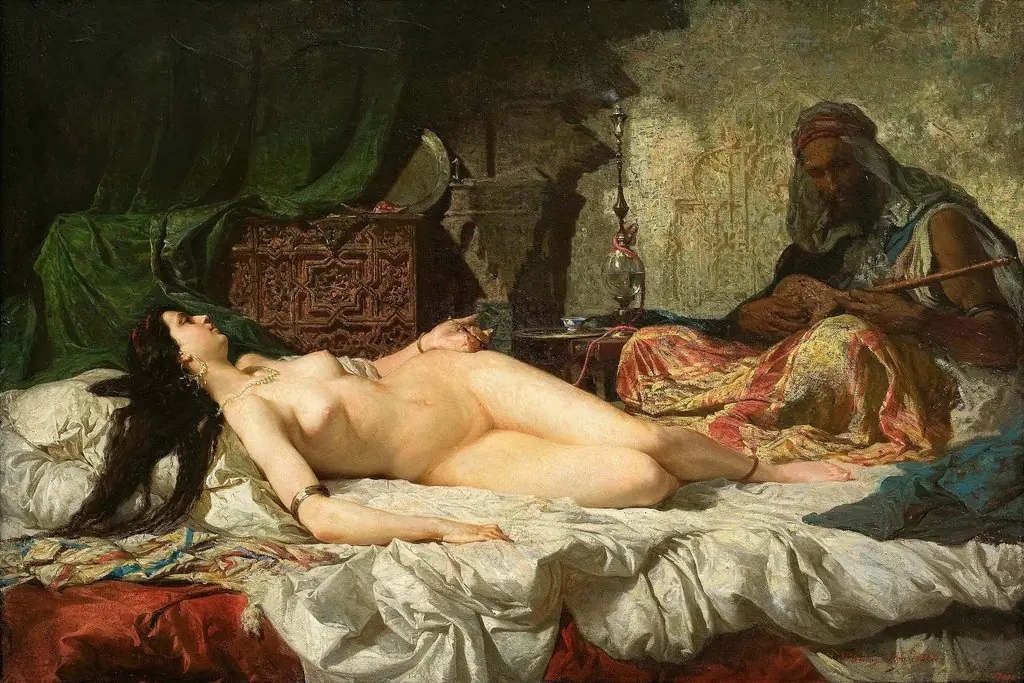
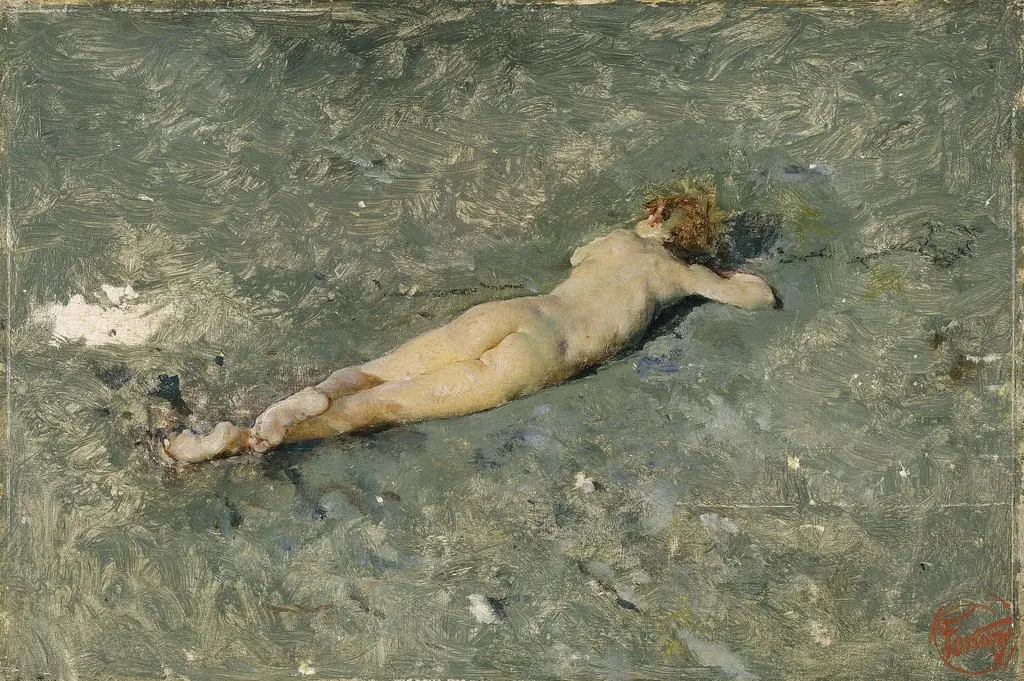
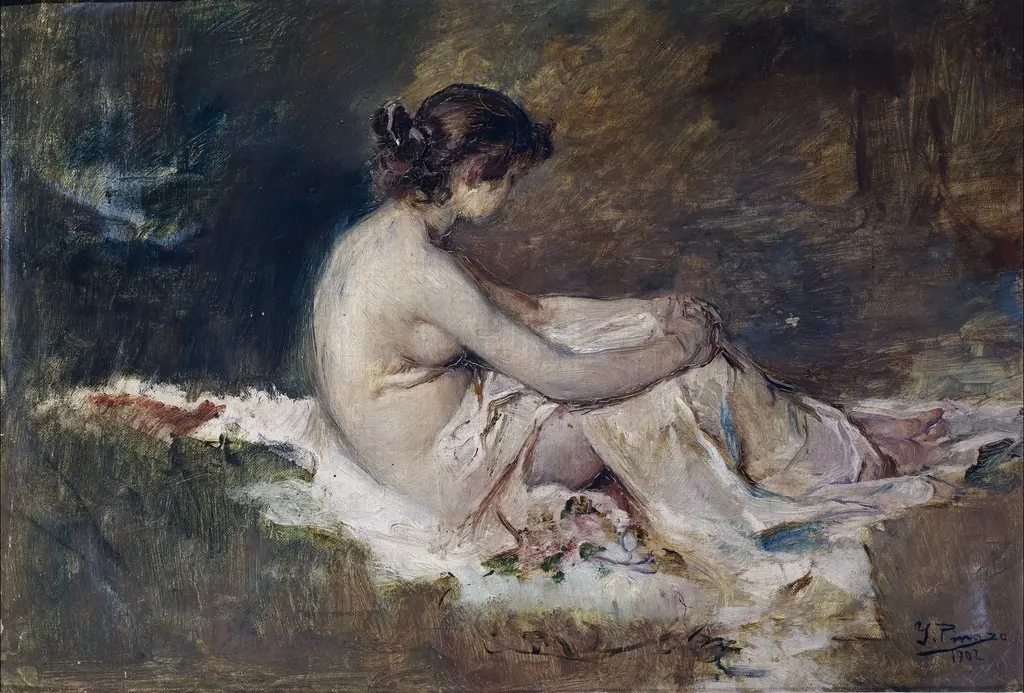
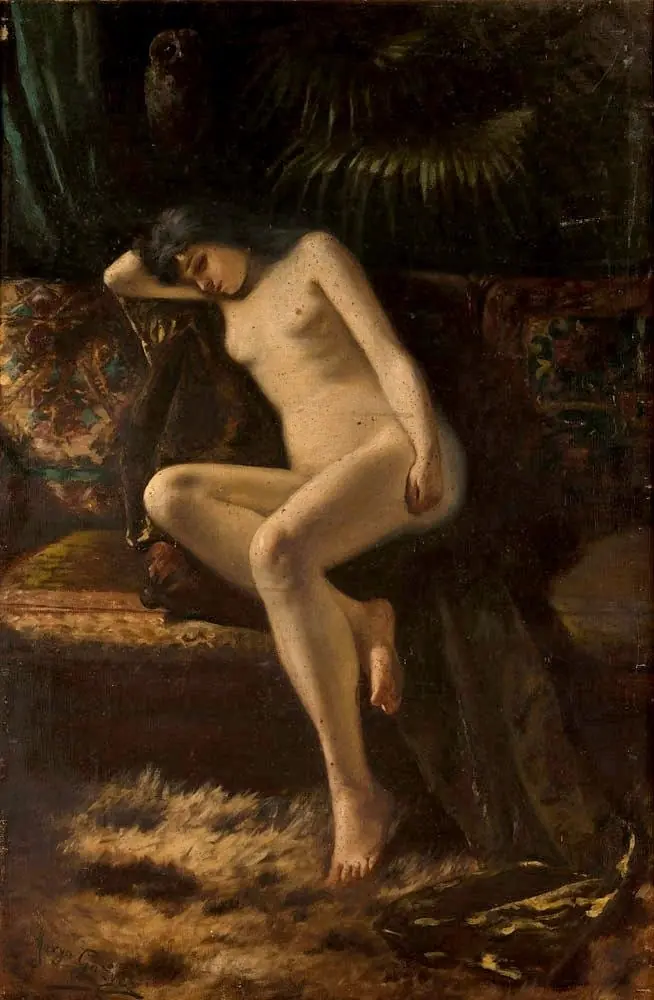
Odalisca is an oil painting by Mariano Fortuny Marsal. It dates from 1866 and is held in the collection of the National Museum of Fine Arts, Argentina.
About this work
Overview
It is currently held in the National Museum of Fine Arts in Buenos Aires, where it remains a key example of his technical precision and atmospheric sensitivity.
Painted around 1866 by Spanish artist Mariano Fortuny y Marsal, *Odalisca* is an oil on canvas that reflects his engagement with Orientalist subjects during the mid-19th century. The work belongs to a series in which Fortuny explored exoticized domestic interiors, blending observed detail with imaginative reconstruction. It is currently held in the National Museum of Fine Arts in Buenos Aires, where it remains a key example of his technical precision and atmospheric sensitivity.
Subject & Meaning
The painting portrays a reclining female figure in a private, interior setting, her pose and demeanor suggesting quiet solitude. Though labeled an odalisque—a term tied to harem imagery—the figure lacks overt narrative or symbolic props, shifting focus to her physical presence and the intimacy of the moment. The absence of contextual clues invites contemplation rather than storytelling, emphasizing mood over exoticism.
Technique & Style
Fortuny employed fine brushwork and subtle chiaroscuro to model the figure’s form against a dark, textured background. Warm golden tones in the skin contrast with the deep blue of the fabric, enhancing the sense of volume and spatial depth. The loose, visible strokes in the background create a tactile contrast to the smooth rendering of the body, reinforcing the tension between refinement and immediacy in his approach.
History & Provenance
Created during Fortuny’s period of heightened interest in North African and Middle Eastern aesthetics, *Odalisca* emerged from his travels and studies of Islamic architecture and dress. The painting entered the collection of the National Museum of Fine Arts in Buenos Aires in the early 20th century, likely through acquisition or donation, and has remained there since, representing European Orientalist art in a Latin American context.
Context
In mid-19th-century Europe, Orientalist imagery flourished as artists and audiences sought romanticized visions of the East. Fortuny, influenced by academic training and firsthand observation, contributed to this trend without relying on overt spectacle. His focus on stillness and light distinguished his work from more theatrical contemporaries, aligning him with quieter, more introspective interpretations of the genre.
Legacy
Though less celebrated than some of his military scenes, *Odalisca* exemplifies Fortuny’s ability to merge observational realism with poetic restraint. It influenced later artists interested in intimate interiors and the psychological nuance of the human form. The painting endures as a quiet testament to the complexities of cross-cultural representation in 19th-century art.
Own this work as a print
Artist & collection
Artist
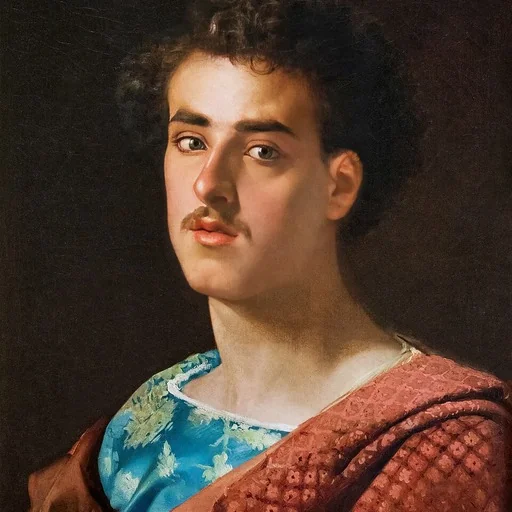
Mariano Fortuny y Marsal (Catalan: Marià Fortuny i Marsal, pronounced ; June 11, 1838 – November 21, 1874) was a Spanish painter known for works focusing on Romantic fascination with Orientalist themes, historicist…

Museum
National Museum of Fine Arts, Argentina
Continue through works from the same source collection.