Artwork
The Pipes of Pan
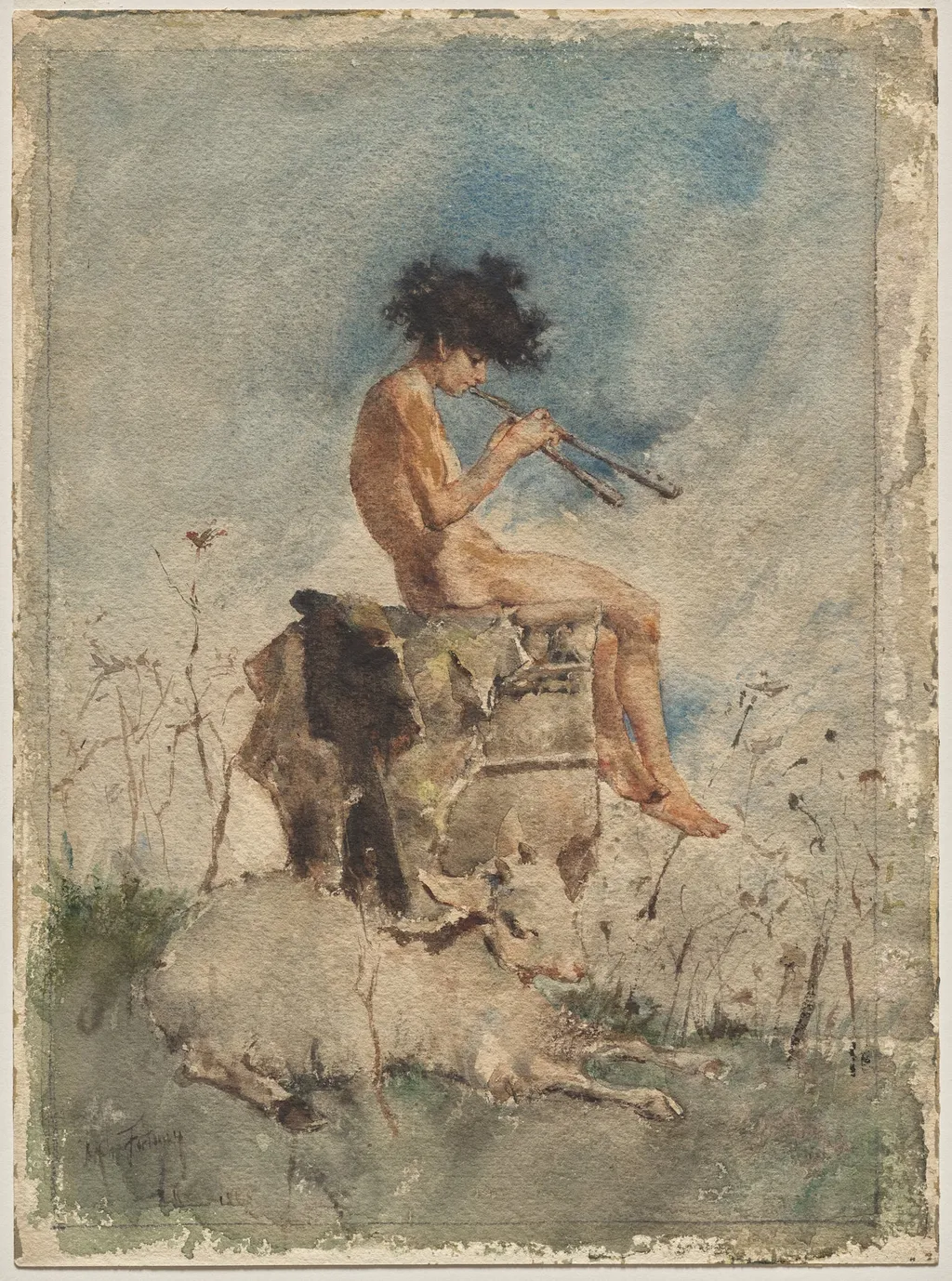
The Pipes of Pan is a drawing by the Impressionist artist Mariano Fortuny Marsal. It dates from 1865 and is held in the collection of the Cleveland Museum of Art.
About this work
Fortuny painted this while living in Granada, so the hills and light look real.
This painting shows a man playing panpipes near a rocky Spanish hillside. His hat and cloak have bright reds and greens against the muted background. The sunlight hits his face and instrument just right.
Fortuny painted this while living in Granada, so the hills and light look real. He often used quick brushstrokes to catch a moment’s glow.
Look up this artist next: Mariano Fortuny (Spanish, 1838–1874).
Overview
Mariano Fortuny created *The Pipes of Pan* in 1865 as a drawing during his time in Granada, Spain. Though often associated with oil paintings, this work demonstrates his skill in graphic media. It reflects his engagement with classical themes and the natural light of southern Spain, blending mythological subject matter with observed landscape details from his immediate surroundings.
Subject & Meaning
The drawing portrays Pan, the Greek god of the wild, playing his panpipes beside a rugged hillside. Rather than an idealized pastoral, Fortuny situates the figure in a tangible Spanish terrain, grounding myth in reality. The presence of musical instruments suggests harmony between nature and human expression, evoking ancient pastoral traditions without overt sentimentality.
Technique & Style
Fortuny employed rapid, expressive lines to capture the play of light on the figure’s cloak and face. Contrasting vibrant reds and greens in the clothing against a subdued background heightens visual focus. His approach prioritizes immediacy and atmospheric effect, revealing his sensitivity to natural illumination and his ability to convey texture and movement with minimal strokes.
History & Provenance
Created during Fortuny’s stay in Granada, the work emerged from a period of intense artistic exploration. He was deeply influenced by the region’s light and architecture, which informed his depictions of both historical and mythological scenes. The drawing remained within private collections after his death, reflecting its status as a personal study rather than a public commission.
Context
In mid-19th-century Spain, artists increasingly turned to classical and Orientalist subjects as part of a broader European trend. Fortuny’s work stood apart by integrating these themes with acute observations of local landscapes and light. His focus on everyday realism within mythological contexts distinguished him from more theatrical contemporaries.
Legacy
Though less known than his large-scale paintings, *The Pipes of Pan* exemplifies Fortuny’s mastery of draftsmanship and his ability to fuse classical narrative with naturalistic observation. It influenced later Spanish artists interested in lyrical realism and the integration of myth into contemporary visual language, cementing his role in the transition from Romanticism to modernism.
Artist & collection
Artist
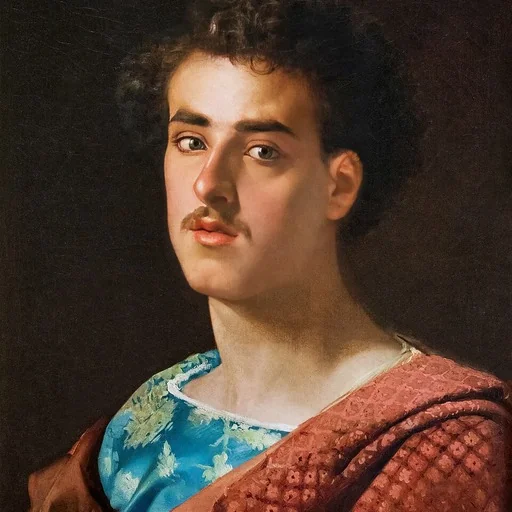
Mariano Fortuny y Marsal (Catalan: Marià Fortuny i Marsal, pronounced ; June 11, 1838 – November 21, 1874) was a Spanish painter known for works focusing on Romantic fascination with Orientalist themes, historicist…

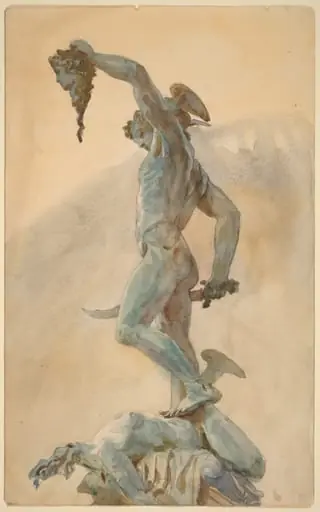 Sketch of Cellini's "Perseus"
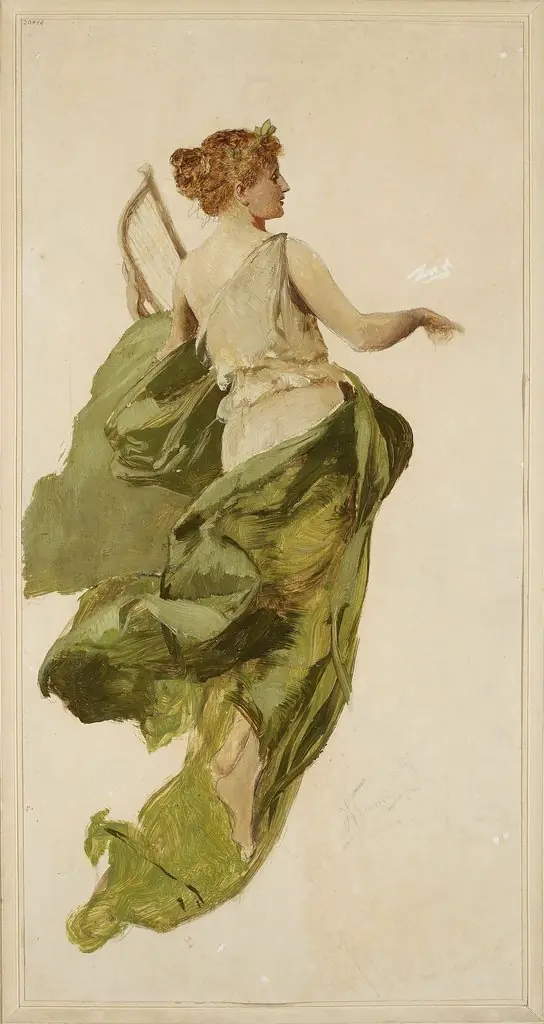 Allegory of Music, sketch for the project of the stage curtain of the Słowacki Theatre in Kraków
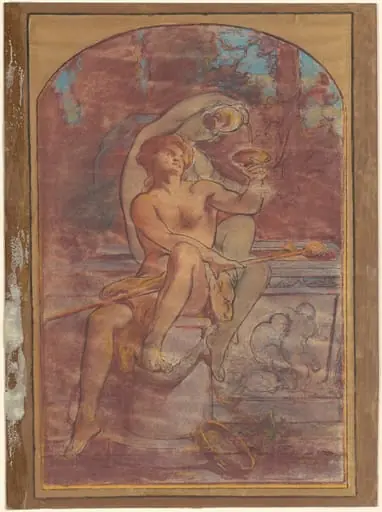 Bacchus
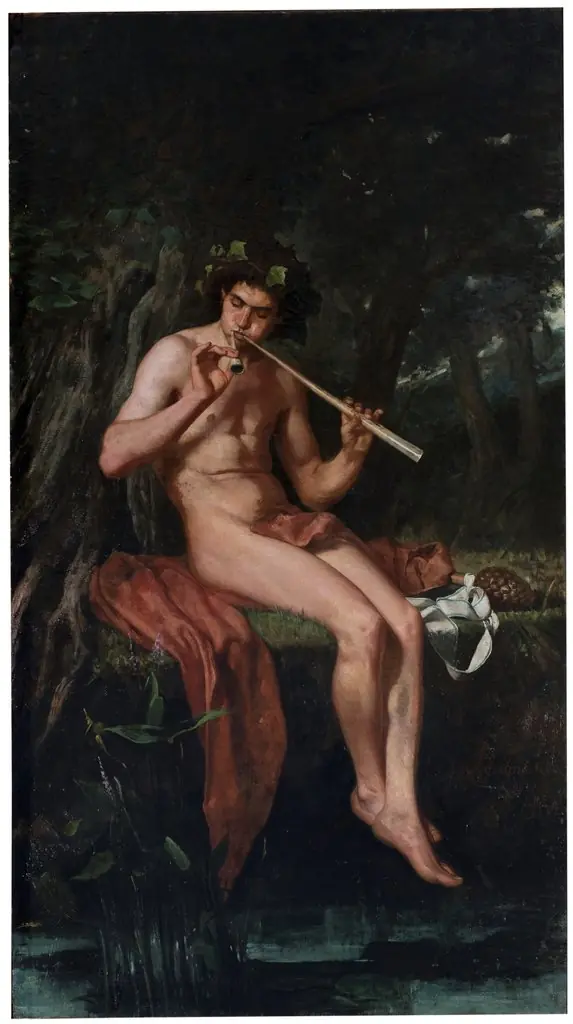 Un fauno
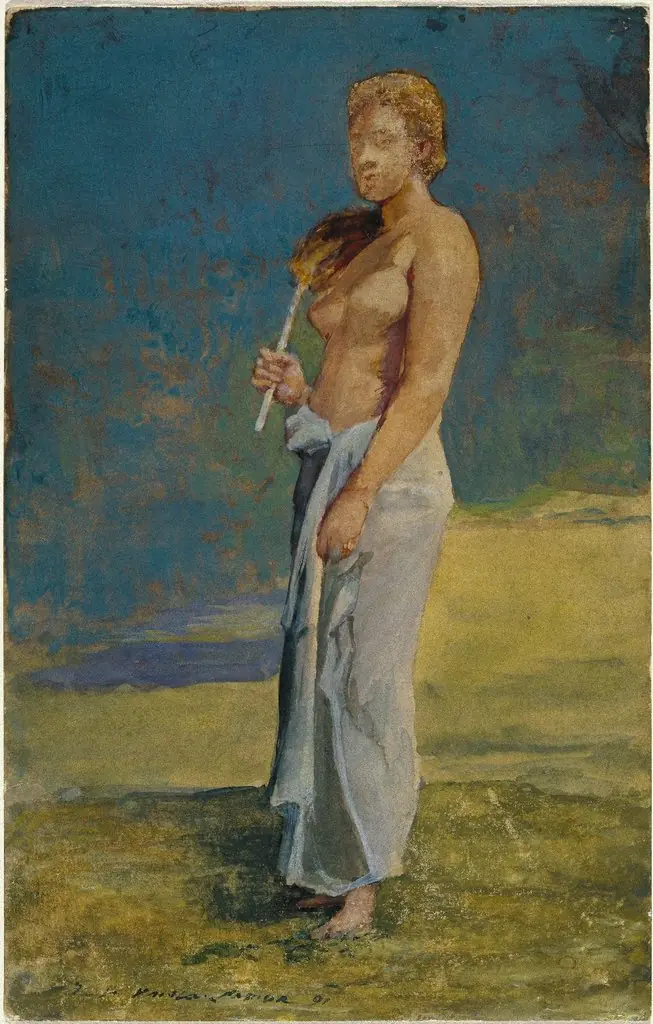 Samoan Lady
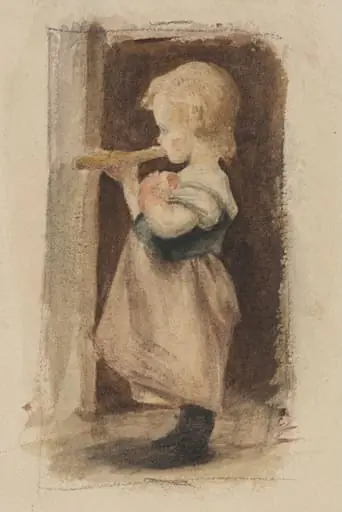 Untitled
 Crowning of Cupid
 Pompeian Child
 A Summer Idyll
 Valley Scene and Ponds
 Bubble-blowing
 Sketch for the panel “Springtime” for the Bakhchi-Dere villa in Yalta