Artwork
Un fauno
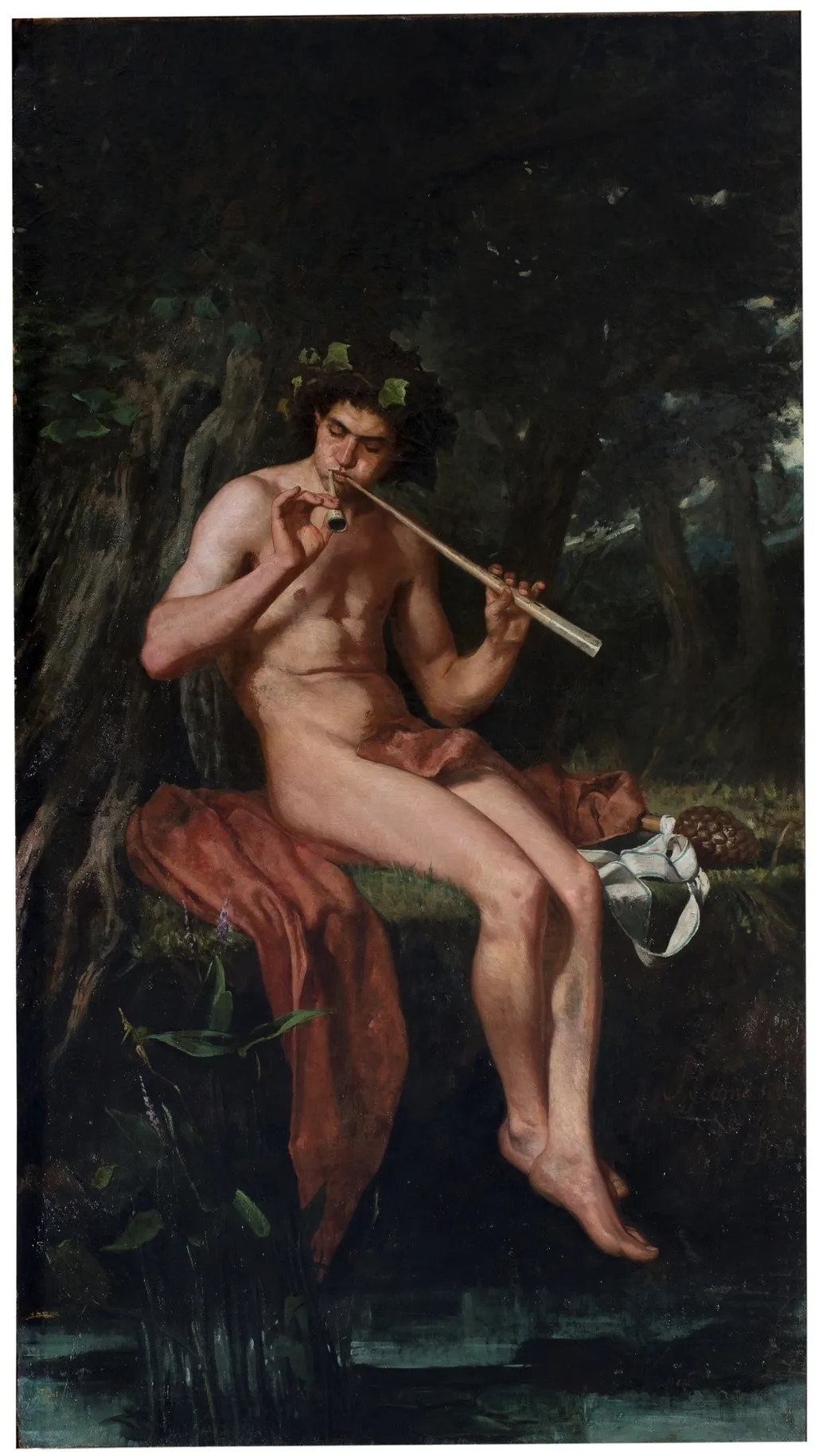
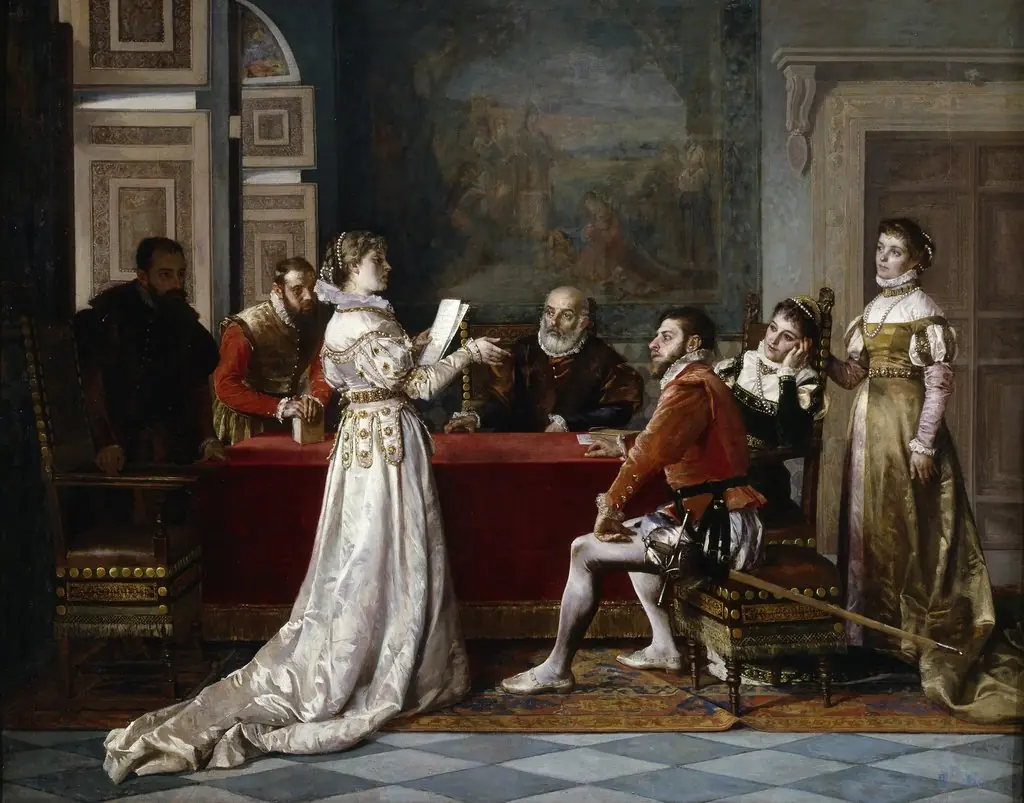
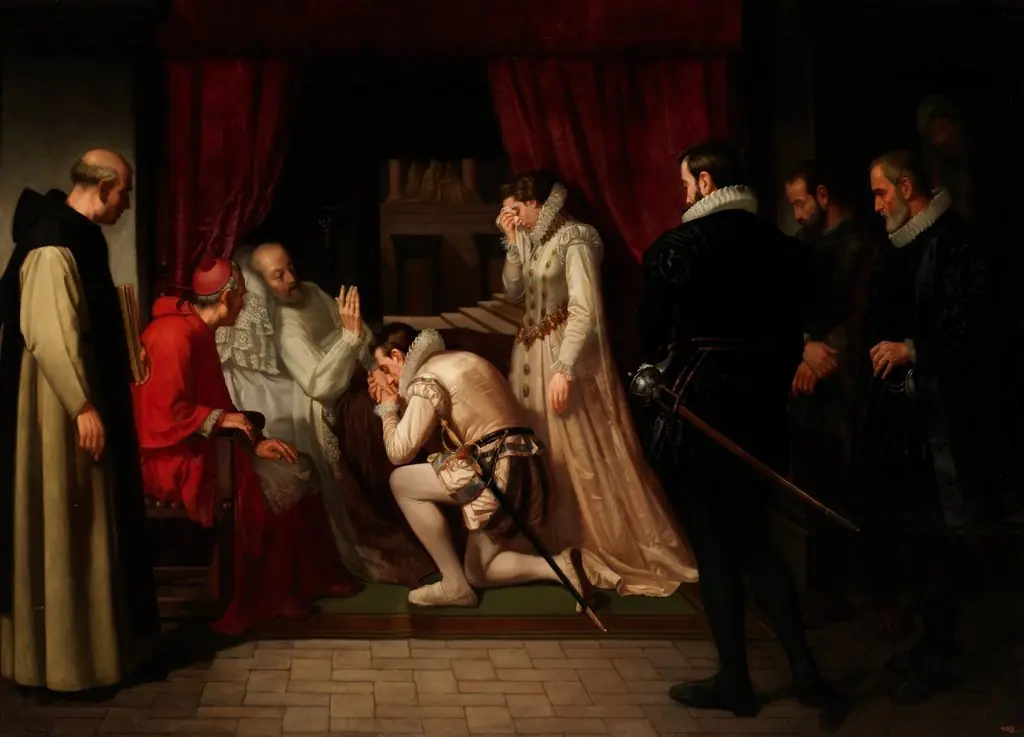
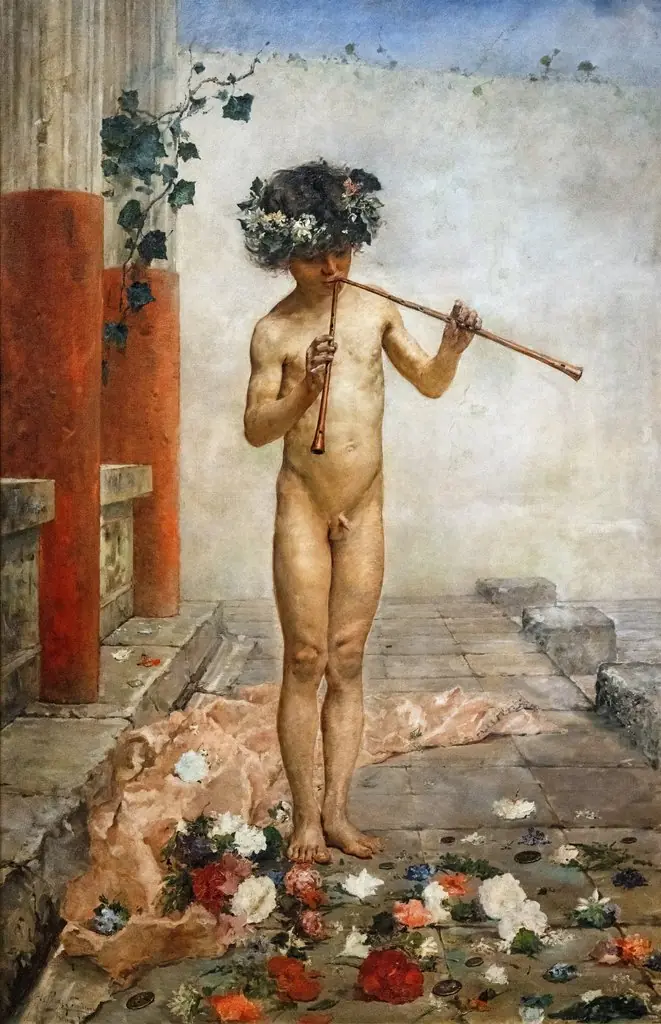
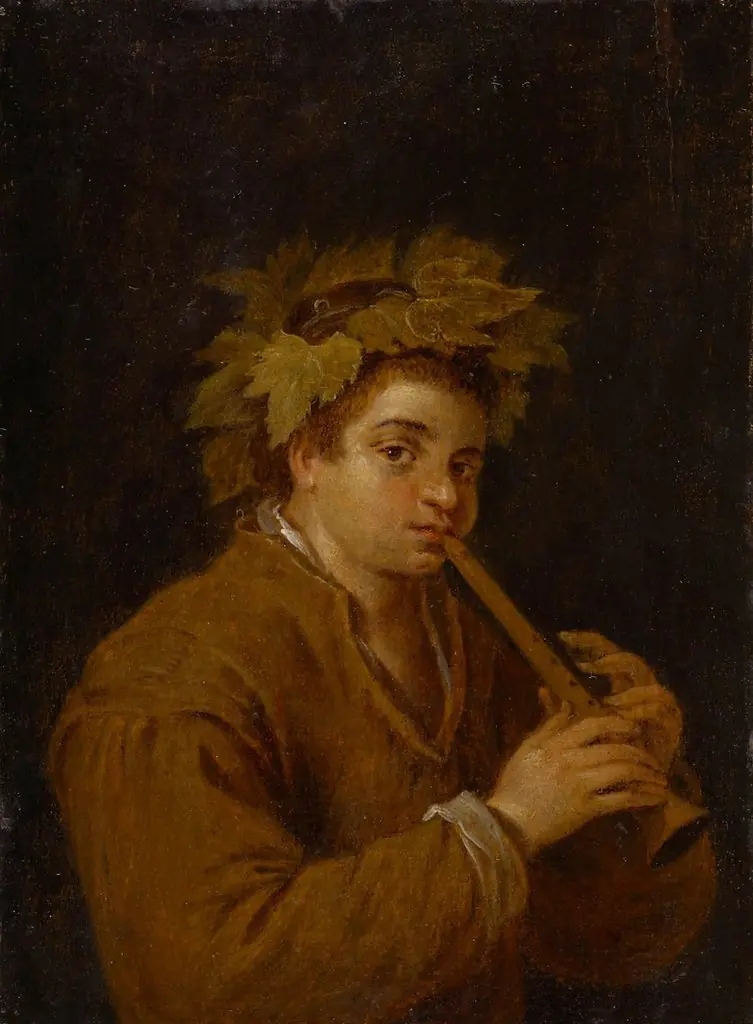
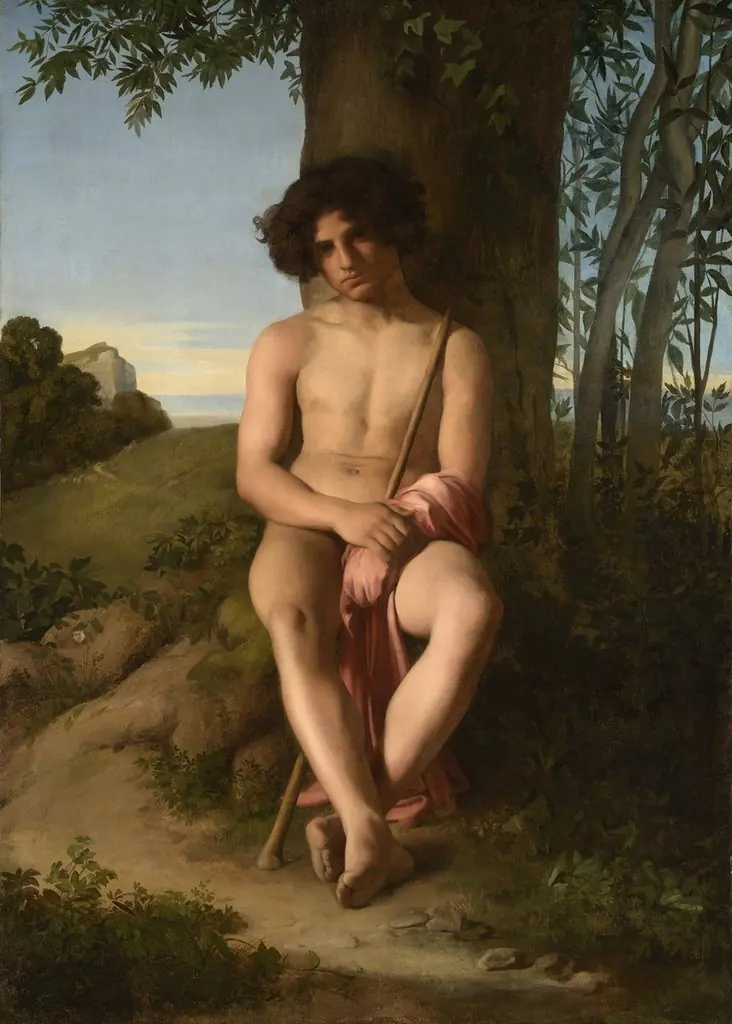
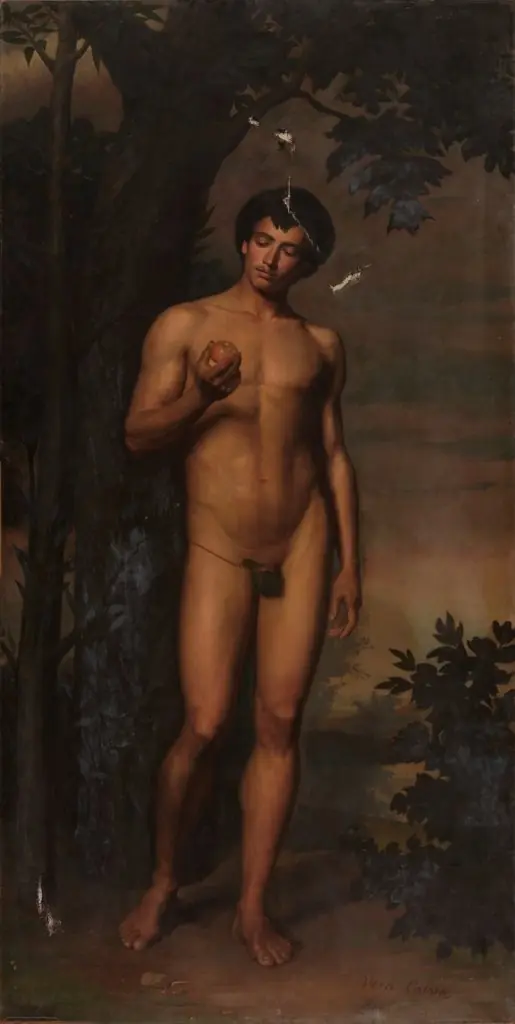
Un fauno is an oil painting by the Realist artist Francisco Jover y Casanova. It dates from 1870 and is held in the collection of the Museo del Prado.
About this work
Overview
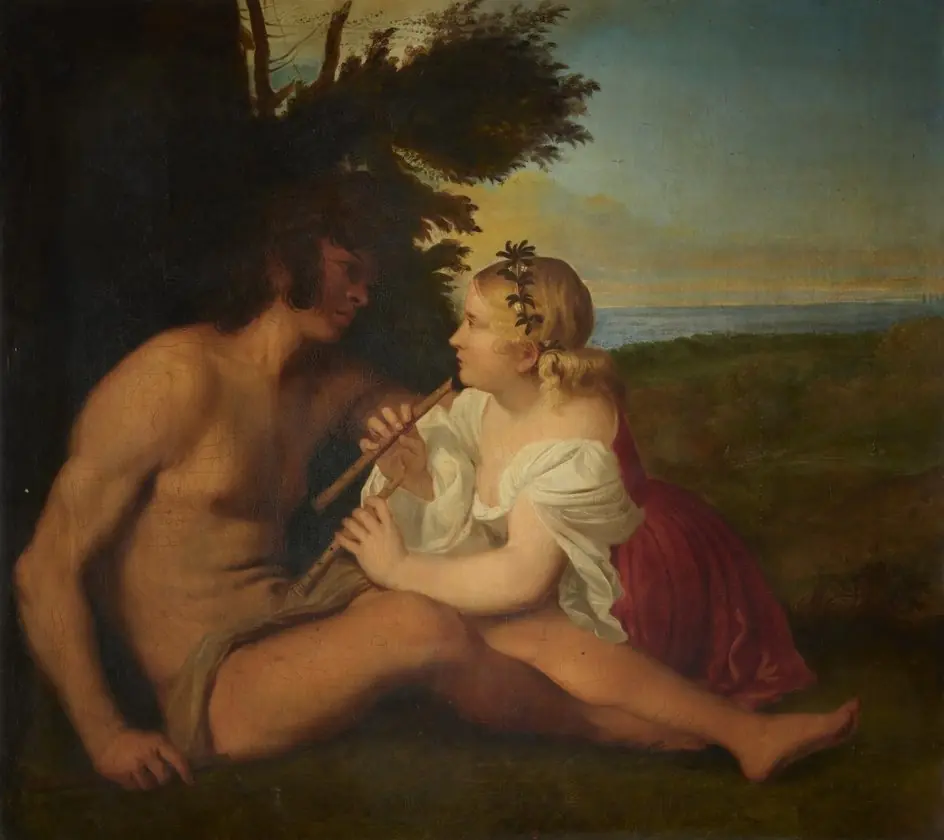
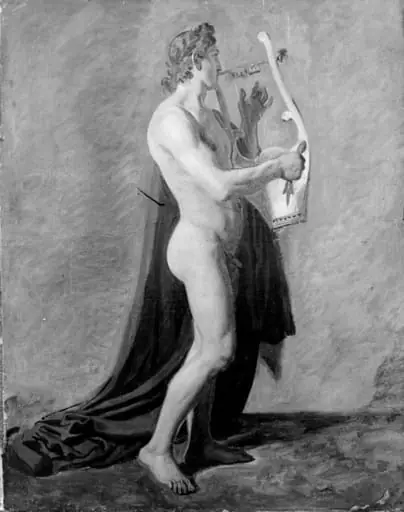
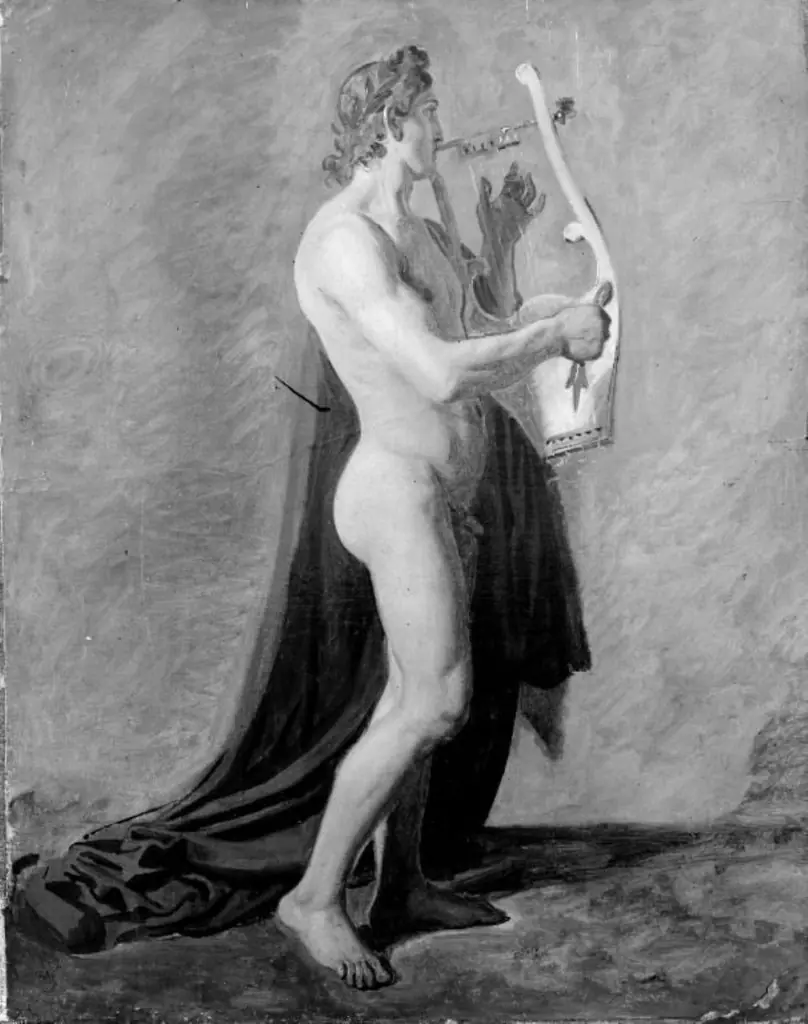
Francisco Jover y Casanova’s oil painting *Un faño* was executed in 1870. The canvas presents a solitary figure reminiscent of a classical faun, seated on a moss‑covered stone and engaged in music. The work belongs to the realist tendency of the late nineteenth‑century Spanish school and is part of the Prado Museum’s collection.
Subject & Meaning
The central figure, a half‑human, half‑goat creature, is shown playing an aulos, an ancient double‑pipe instrument. By portraying the faun in a quiet, natural setting, Jover evokes themes of pastoral leisure and the lingering presence of myth within everyday landscapes, inviting contemplation of the boundary between civilization and the wild.
Technique & Style
Jover employs a pronounced chiaroscuro, allowing light to strike the faun’s torso while deeper shadows recede into the surrounding foliage. The handling of oil paint renders the texture of moss, bark, and the gleam of the wooden flute with tactile realism, while the subdued palette reinforces the nocturnal atmosphere.
History & Provenance
Created shortly after Jover’s return from academic studies in Rome, the painting entered the Spanish national collection in the early twentieth century and has remained at the Museo del Prado. Documentation shows it was acquired directly from the artist’s estate, reflecting its early recognition by institutional curators.
Context
During the 1870s, Spanish painters increasingly turned to realist depictions of mythological subjects, blending academic training with local sensibilities. Jover’s choice of a faun aligns with this trend, offering a study of form and light that parallels contemporary works by his peers who explored similar classical motifs.
Artist & collection
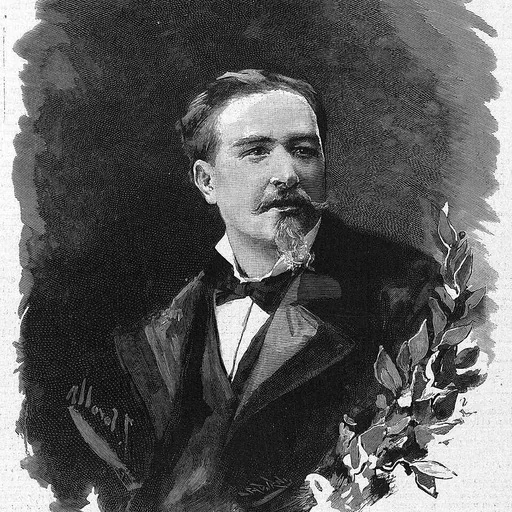
Artist
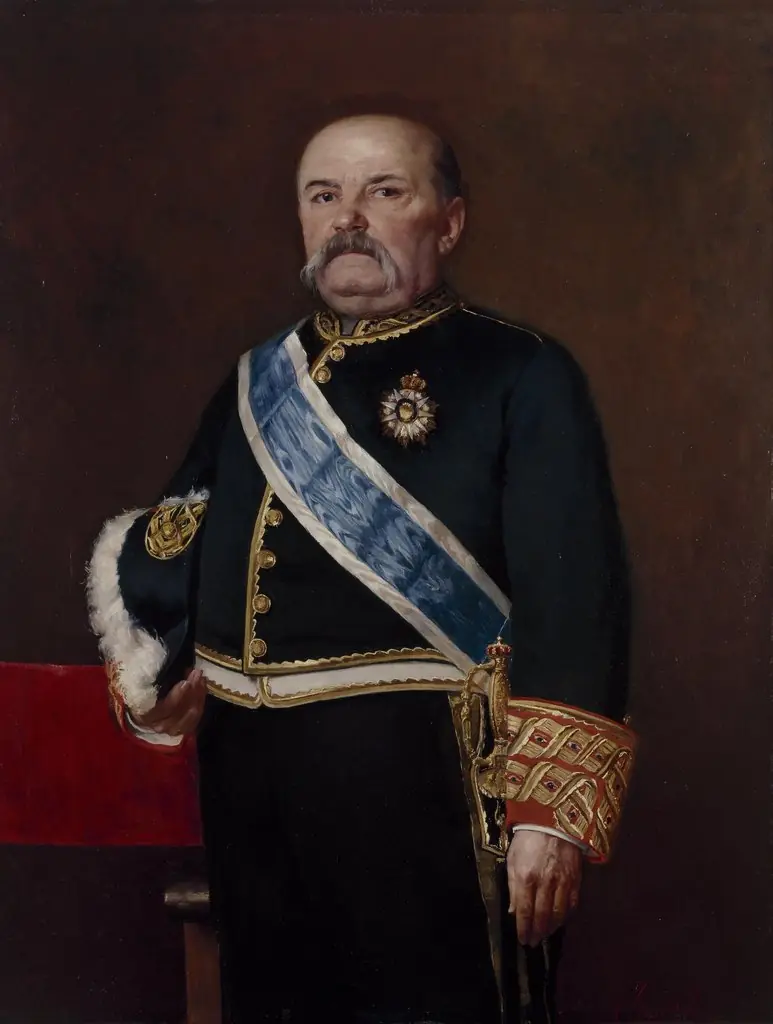
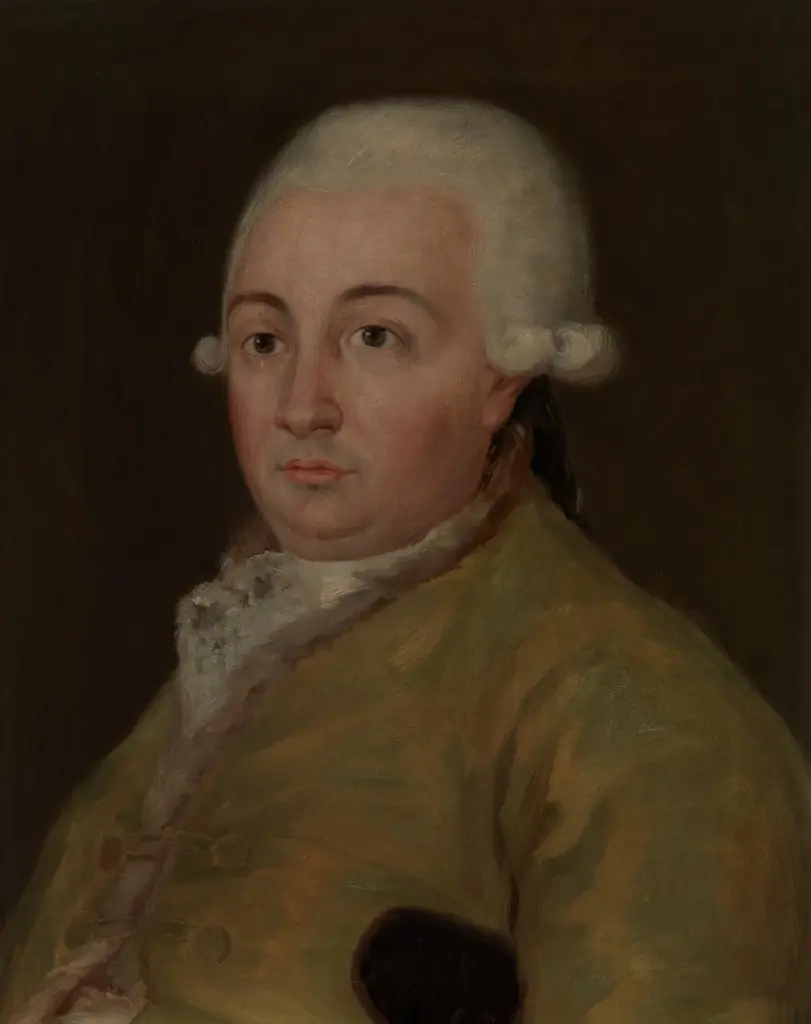
Francisco Jover y Casanova (1836, Muro de Alcoy - 19 February 1890, Madrid) was a Spanish painter of historical scenes and portraits.