Artwork
Bacchus
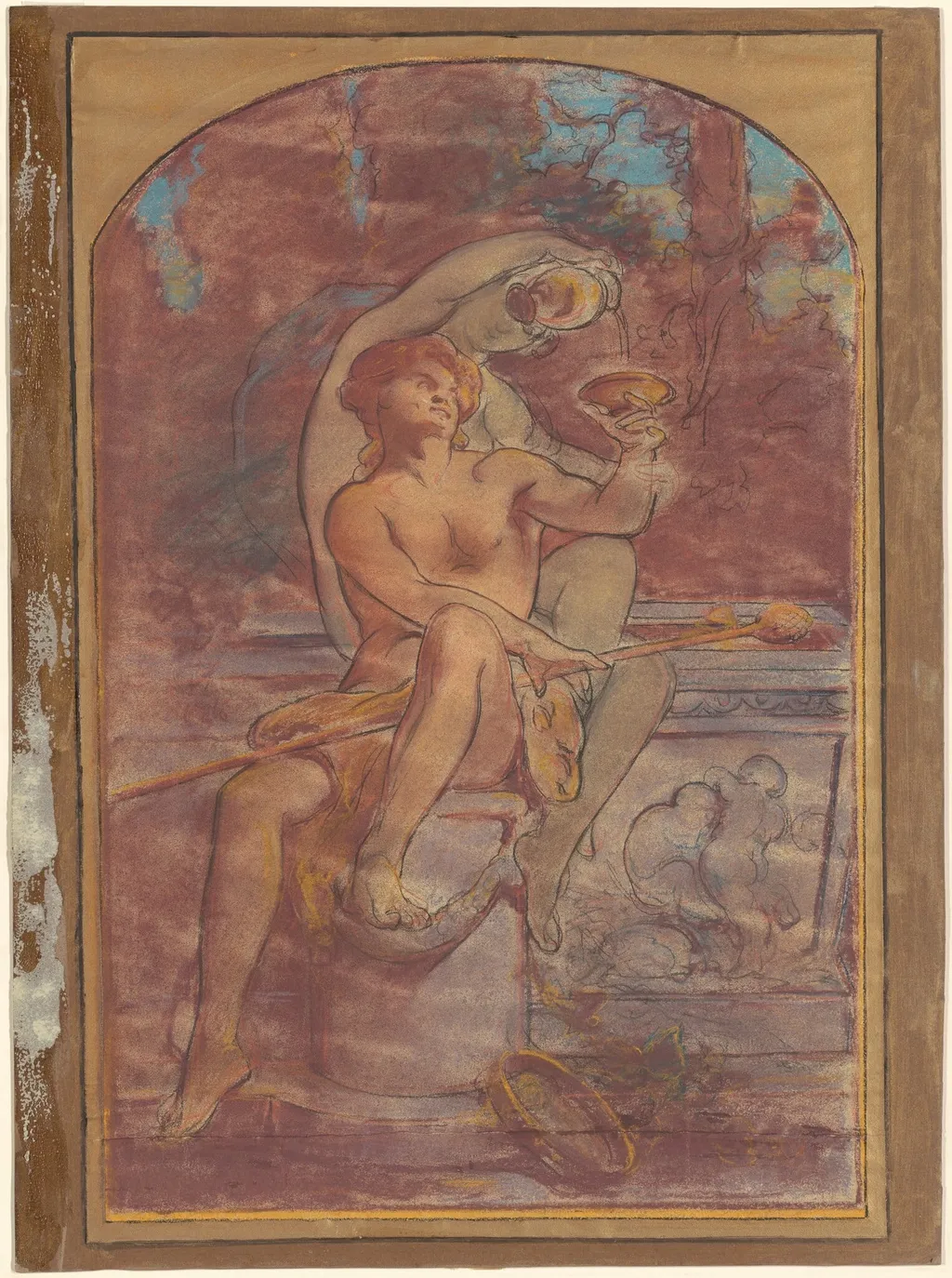
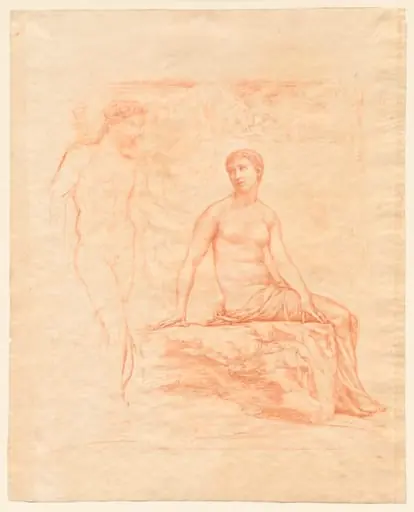
Bacchus is a graphite drawing by the Impressionist artist John Singer Sargent. It dates from 1877 and is held in the collection of the National Gallery of Art.
About this work
Overview
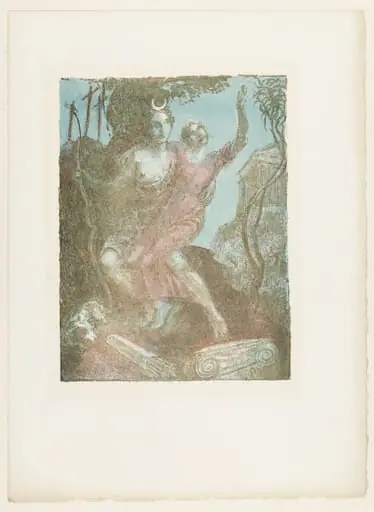
John Singer Sargent’s drawing titled Bacchus is executed in pastel over graphite with metallic paint on wove paper, later mounted to paperboard. The composition presents a seated figure, relaxed in pose, holding a rod and a cup while loosely covered with a cloth. An architectural setting reminiscent of antiquity forms the backdrop, and the overall palette is warm and softly rendered.
Subject & Meaning
The figure is a representation of the Roman god of wine, Bacchus, portrayed in a tranquil, almost domestic manner rather than in the typical revelry. By emphasizing the gentle posture, the cup, and the modest drapery, the work suggests themes of leisure, indulgence, and the quieter pleasures associated with the deity’s mythic attributes.
Technique & Style
Sargent combines graphite underdrawing with layers of pastel, enriched by metallic paint that catches light and adds subtle sheen. The medium allows for delicate tonal transitions and a luminous warmth, while the use of wove paper provides a smooth surface for fine blending. The overall effect is a soft, intimate rendering that contrasts with the more vigorous oil paintings of the period.
Context
Created during Sargent’s later years, the piece reflects his interest in drawing and experimentation with pastel after a career dominated by portraiture. The work is part of a private collection that acquired it shortly after its completion, and it has been exhibited in several retrospectives focusing on the artist’s lesser‑known drawings.
Artist & collection

Artist
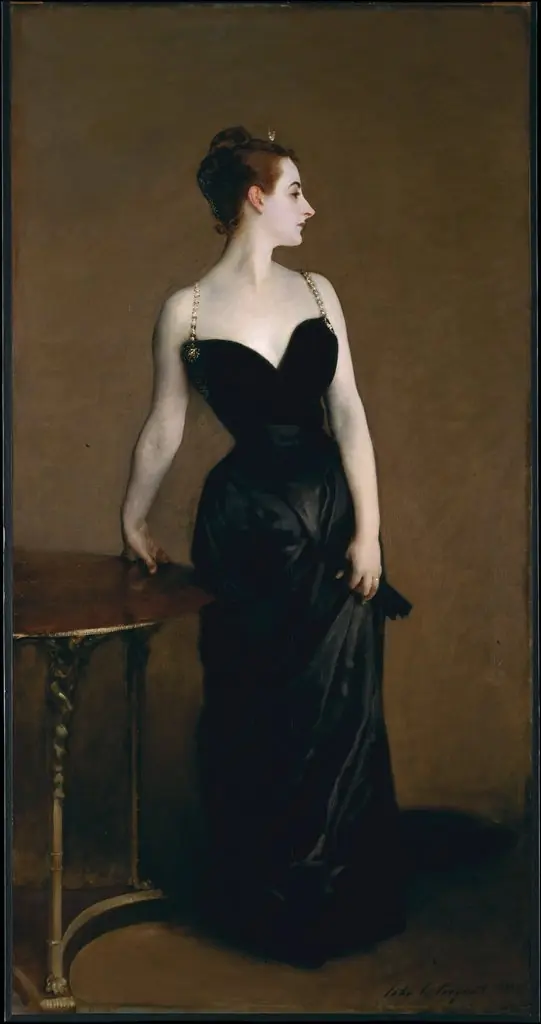
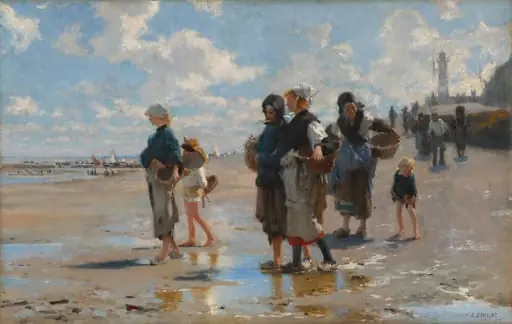
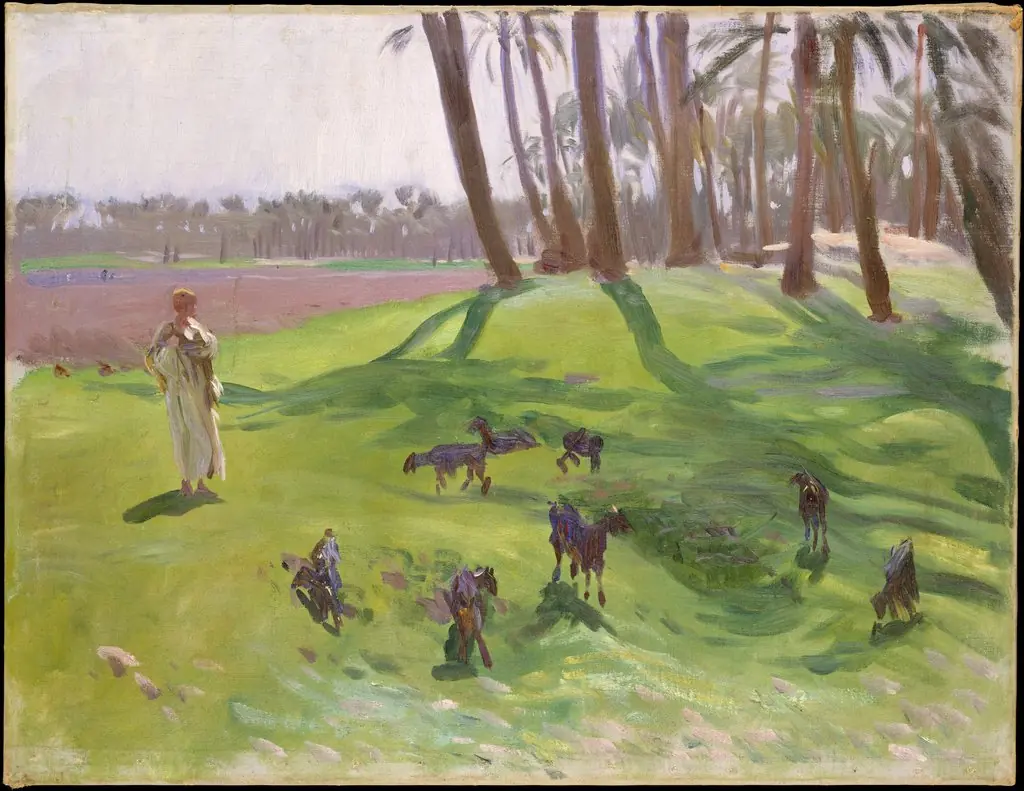
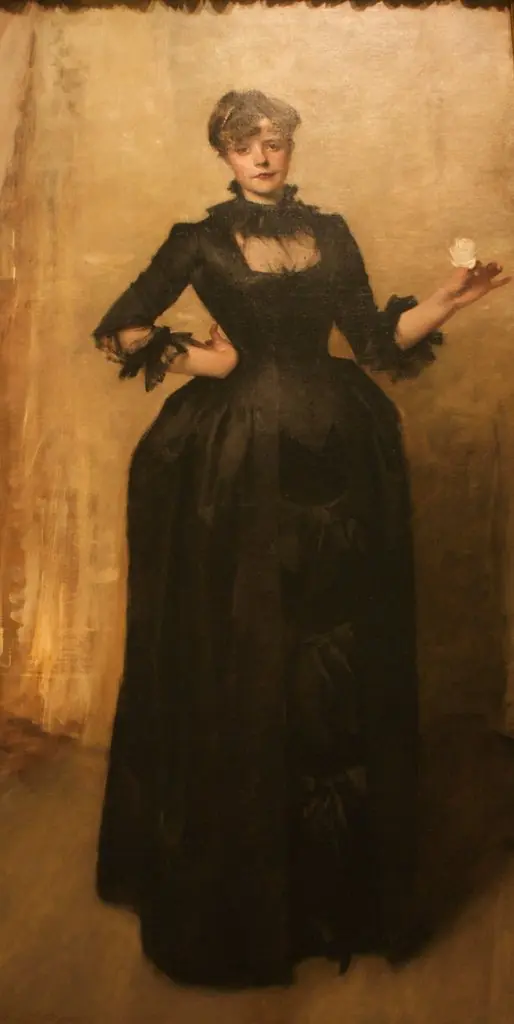
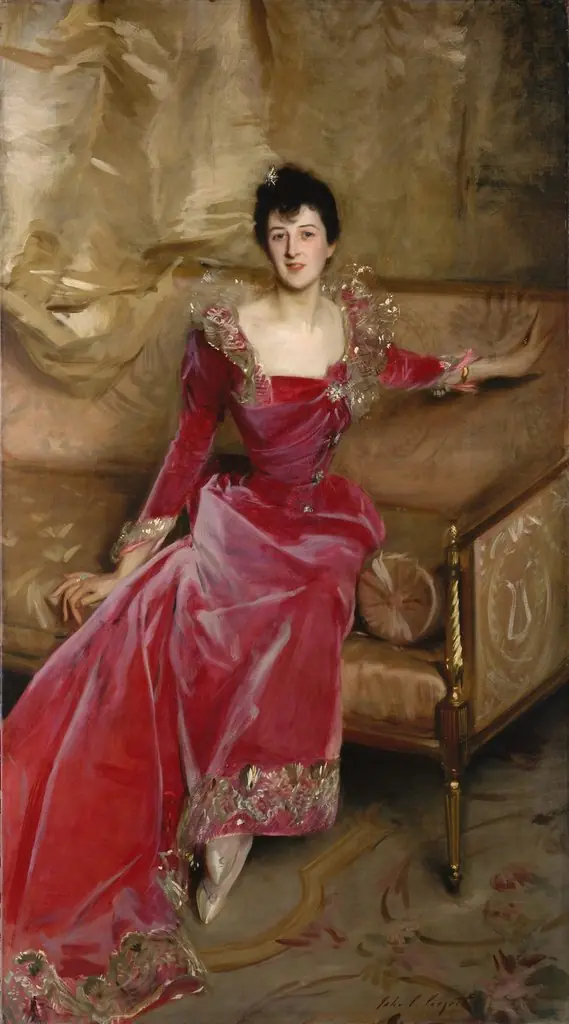
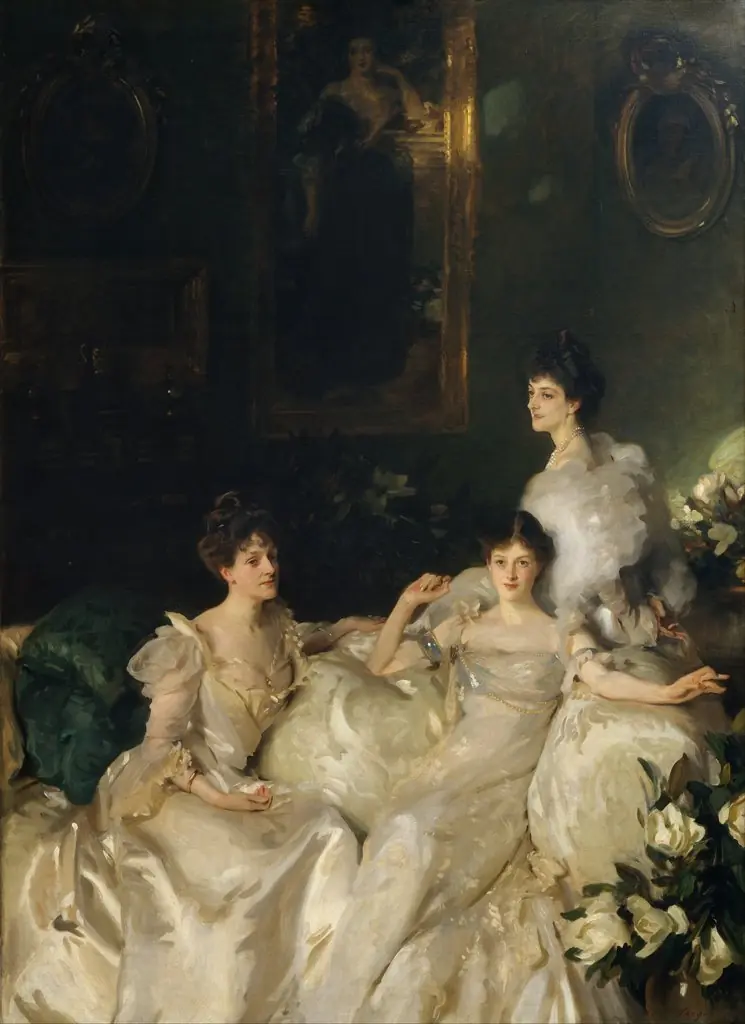
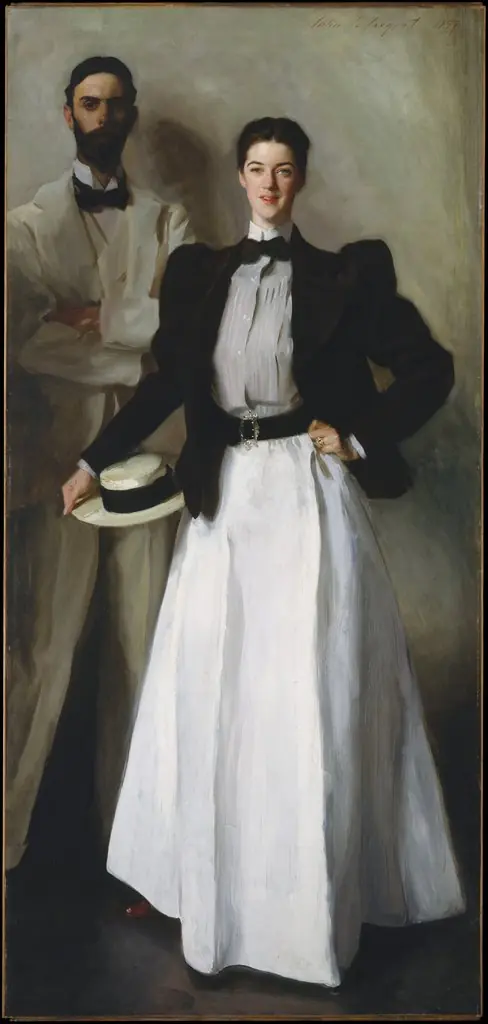
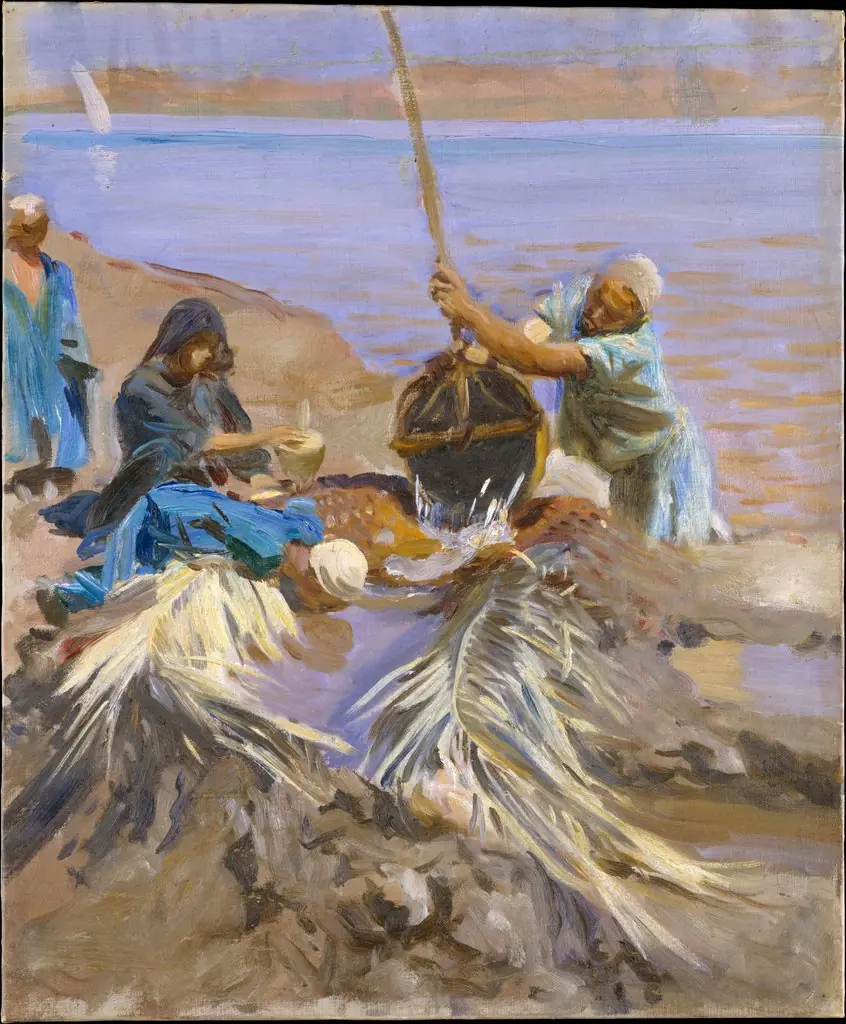
John Singer Sargent (; January 12, 1856 – April 15, 1925) was an American expatriate artist, considered the "leading portrait painter of his generation" for his evocations of Belle Époque and Edwardian-era luxury.