Artwork
Untitled
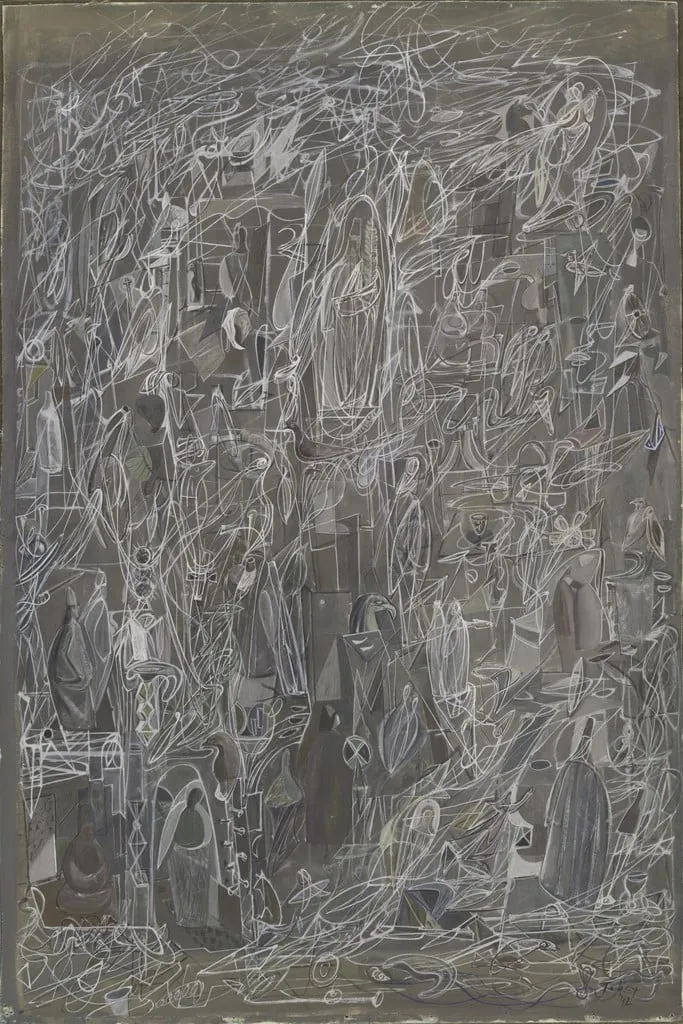
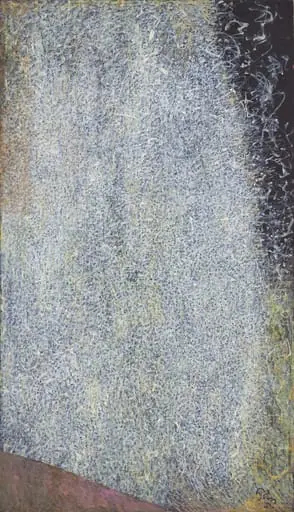
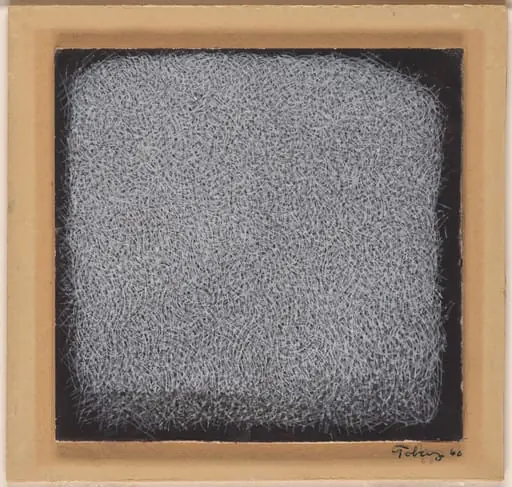
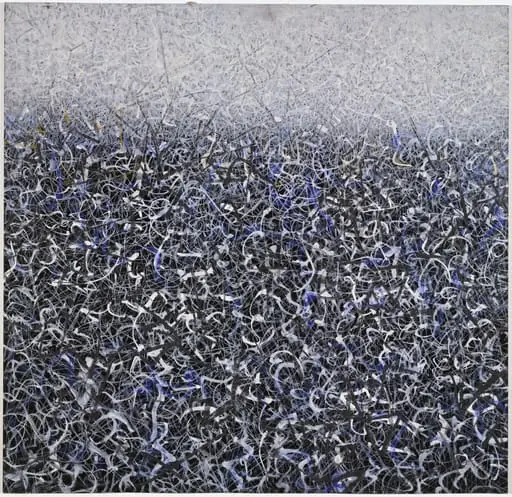
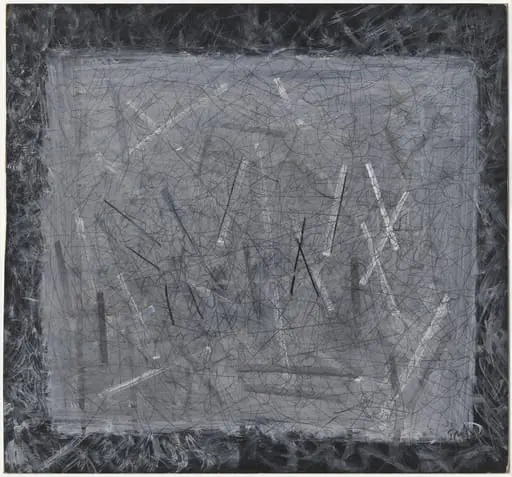
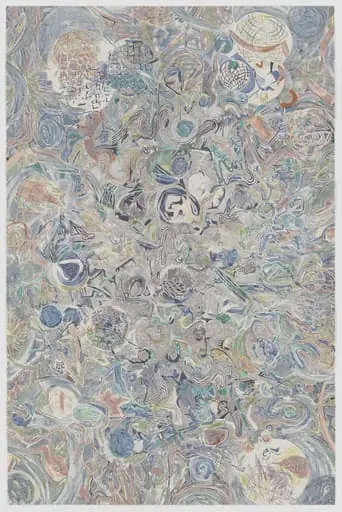
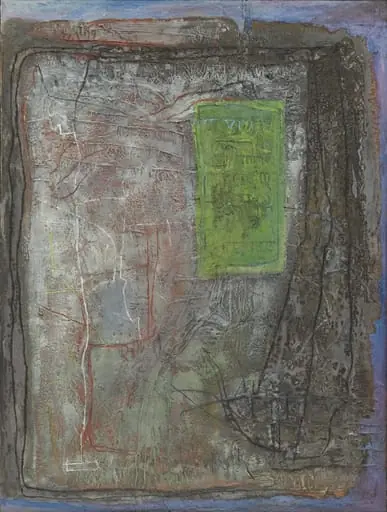
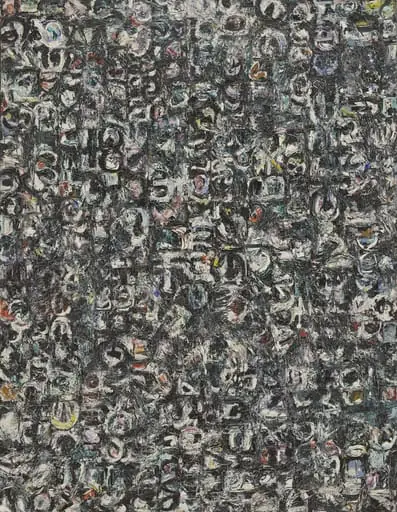
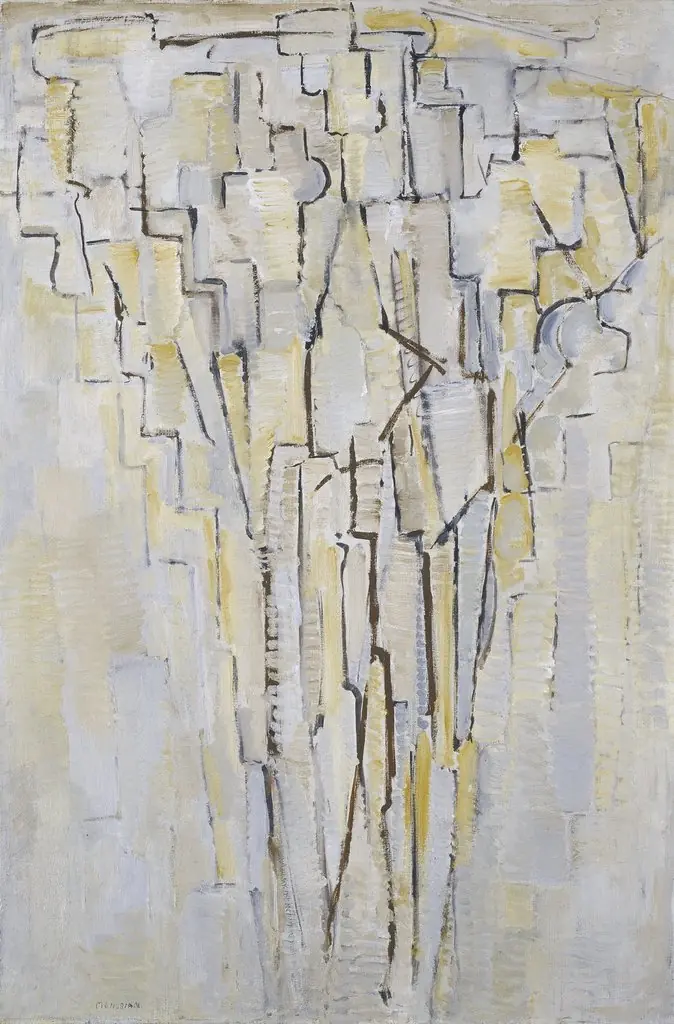
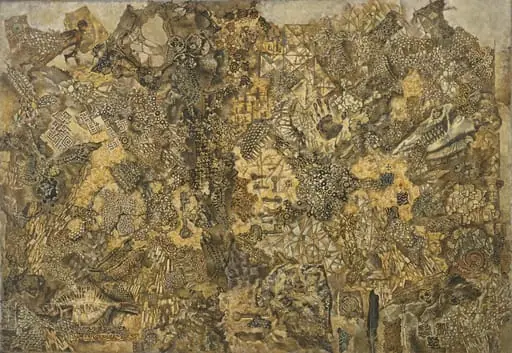
Untitled is a tempera drawing by Mark Tobey. It dates from 1942 and is held in the collection of the Museum of Modern Art.
About this work
Overview
Its muted palette and intricate linear network distinguish it from contemporaneous American abstraction, emphasizing texture and rhythm over color or gesture.
Mark Tobey's *Untitled*, completed in 1942, is a tempera painting on board that exemplifies his abstract approach to form and space. Created during his time in the Pacific Northwest, the work reflects his engagement with non-Western aesthetics and his role within the Northwest School. Its muted palette and intricate linear network distinguish it from contemporaneous American abstraction, emphasizing texture and rhythm over color or gesture.
Subject & Meaning
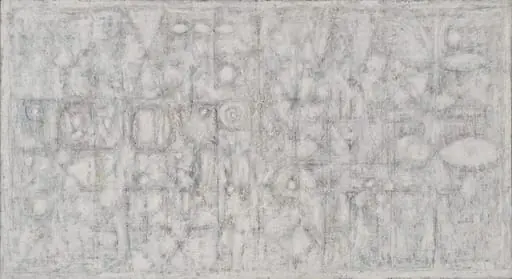
At the center of the composition, a robed, hooded figure emerges from a dense web of lines and shapes. The figure, neither clearly human nor symbolic, suggests spiritual presence or meditative stillness amid chaos. Tobey’s use of abstraction avoids literal narrative, instead evoking inner contemplation. The surrounding scribbles may allude to written script or cosmic energy, aligning with his interest in Eastern philosophy and the unity of all things.
Technique & Style
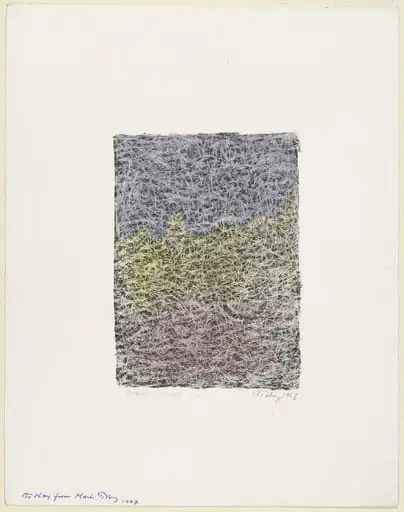
Tobey applied tempera on a rigid board, a choice that enhanced the work’s tactile surface and allowed for fine, layered brushwork. His technique involved building up intricate networks of fine, interwoven lines—reminiscent of calligraphic script—creating a sense of rhythmic motion. The gray tonality restricts visual distraction, focusing attention on the density and direction of marks, which generate movement without traditional perspective or depth.
History & Provenance
Painted in 1942, the work entered the collection of The Museum of Modern Art, where it remains today. It was produced during a period when Tobey was gaining recognition for his unique synthesis of Asian aesthetics and modernist abstraction. Though associated with the Northwest School, his work diverged from its more mystical or nature-based tendencies, drawing instead from his travels and study of Chinese and Islamic calligraphy.
Context
In the early 1940s, American art was shifting toward abstraction, with New York-based Abstract Expressionists emphasizing emotional intensity through gesture. Tobey, working in Seattle, pursued a quieter, more structured form of abstraction rooted in contemplative practice. His approach, influenced by Bahá'í beliefs and Eastern writing systems, offered an alternative to the dominant expressive mode, emphasizing order within complexity.
Legacy
Tobey’s *Untitled* contributed to a broader redefinition of abstraction in mid-century American art, demonstrating that non-Western traditions could inform modernist innovation. His dense linear style influenced later generations of artists exploring texture and rhythm over color. Though less widely known than his Abstract Expressionist peers, his work remains a vital bridge between Eastern aesthetics and Western modernism.
Artist & collection
Artist
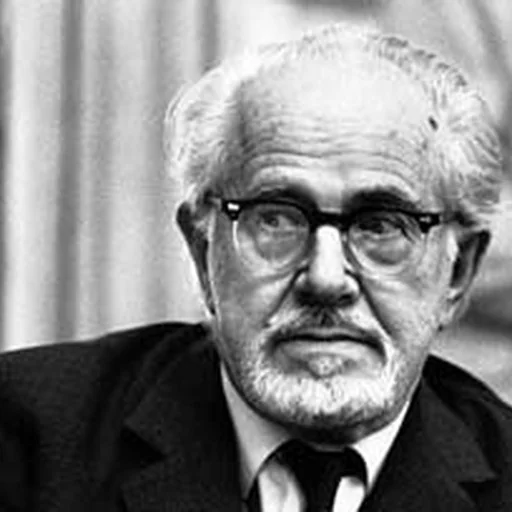
Mark George Tobey (December 11, 1890 – April 24, 1976) was an American painter. His densely structured compositions, inspired by Asian calligraphy, resemble Abstract expressionism, although the motives for his…