Artwork
Ludlow Castle, Shropshire
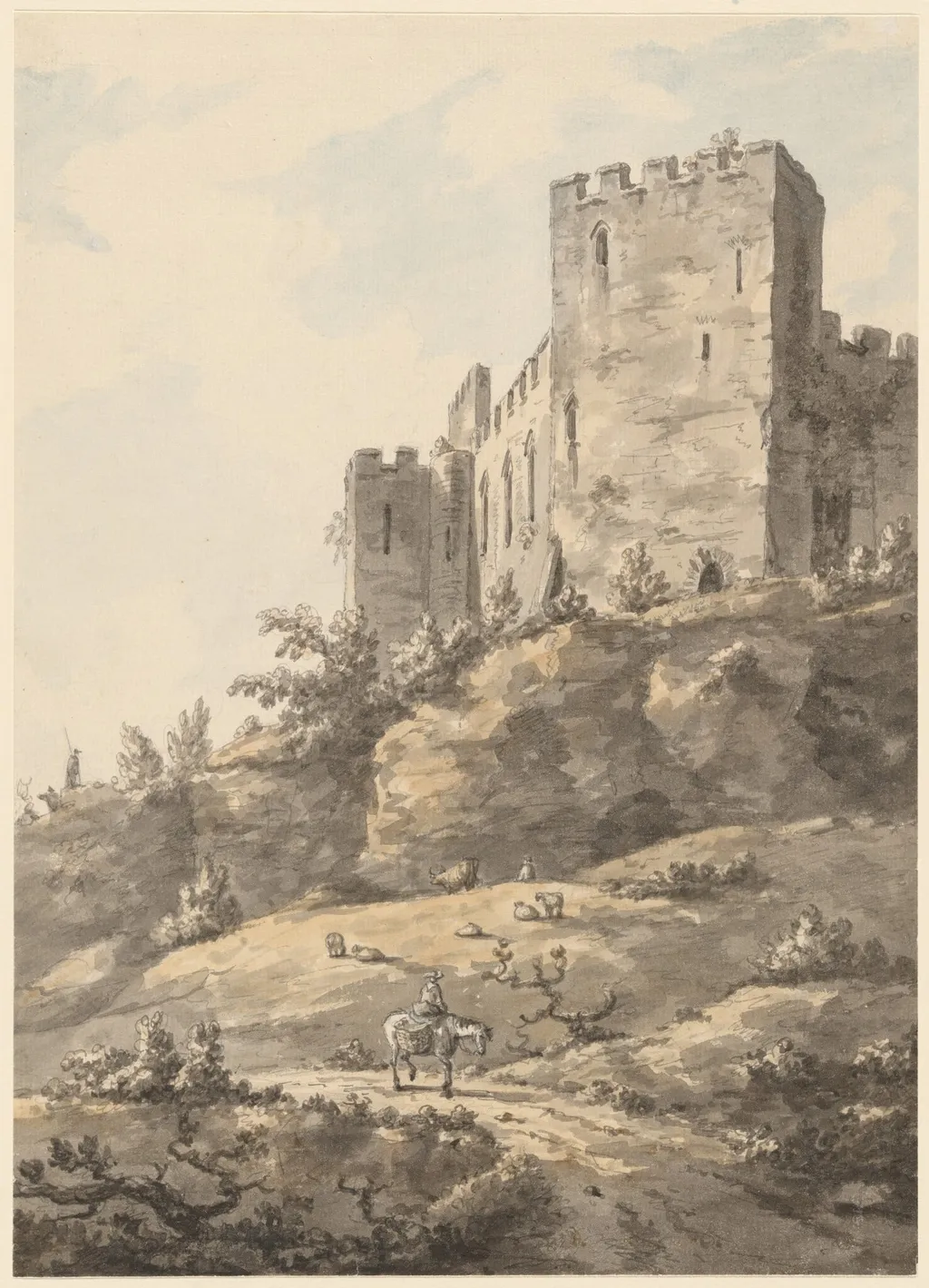
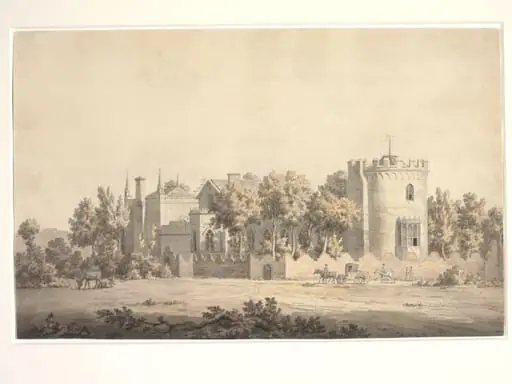
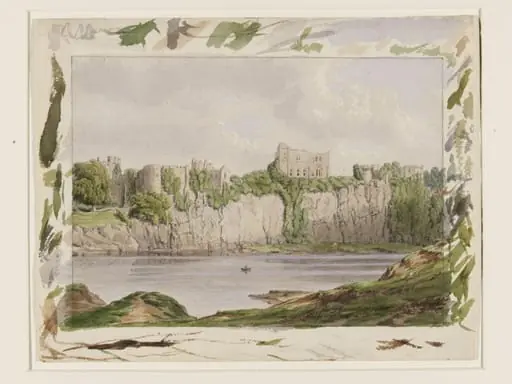
Ludlow Castle, Shropshire is a watercolor drawing by the Romanticist artist William Marlow. It dates from 1774 and is held in the collection of the National Gallery of Art.
About this work
His pencil lines peek through at the edges, almost like a sketch he left half-finished.
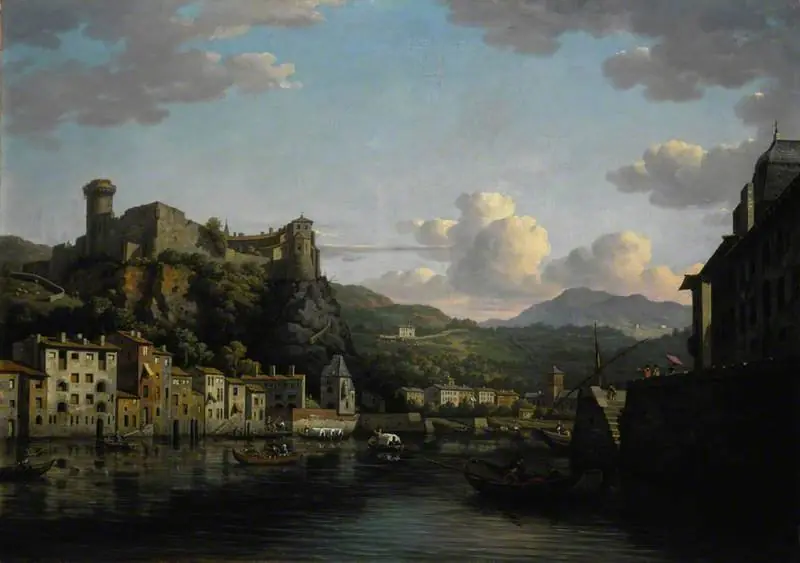
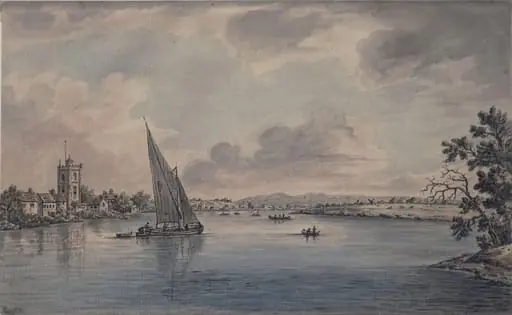
William Marlow painted Ludlow Castle in watercolor around 1768. The ruins stand on a hill above a quiet river. The sky is full of moving clouds that make the stone look soft.
This wasn’t just a view. Marlow used glazing—thin, see-through layers of paint—to make light feel wet and real. His pencil lines peek through at the edges, almost like a sketch he left half-finished.
Check out the way he stacks light and shadow on the walls. If you like this, look up Marlow, William.
Overview
Ludlow Castle, Shropshire is a watercolor drawing by William Marlow, created around 1768. It is held at the National Gallery of Art, Washington.
Subject & Meaning
The drawing depicts Ludlow Castle's ruins on a hill above a serene river, with a dynamic sky featuring moving clouds that soften the stone's appearance.
Technique & Style
Marlow employed glazing techniques, using thin, transparent layers of paint to capture the effect of wet light. Underlying graphite lines remain visible at the edges, giving the work a sketch-like quality.
Context
The drawing presents a considered representation of the castle, with careful attention to the interplay of light and shadow on its walls.
Artist & collection