Artwork
The Tiber with Saint Peter's and the Castel S. Angelo (recto)
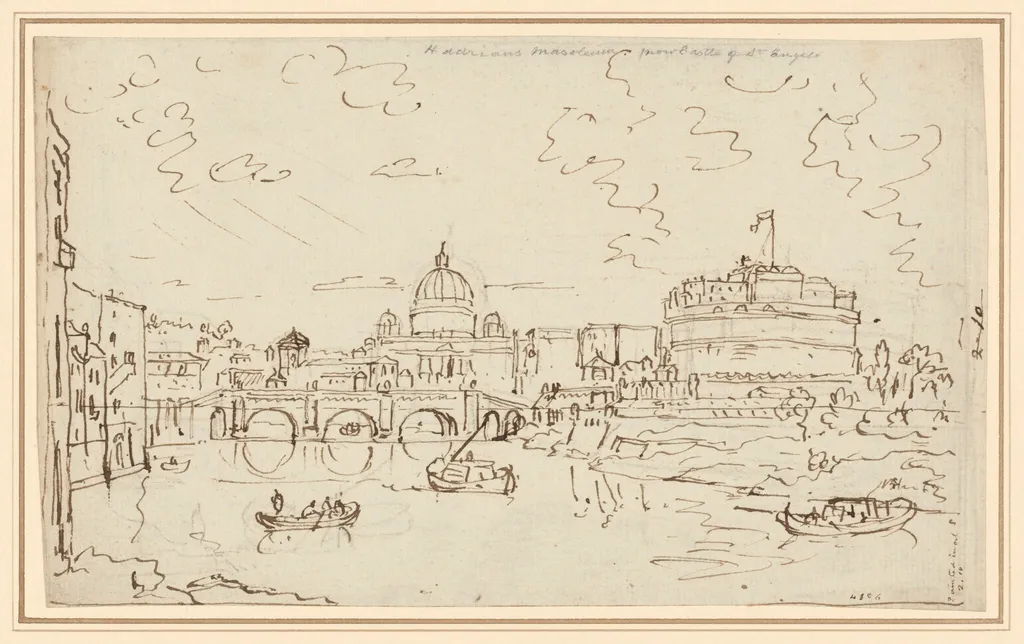
The Tiber with Saint Peter's and the Castel S. Angelo (recto) is a graphite drawing by the Romanticist artist William Marlow. It dates from 1766 and is held in the collection of the National Gallery of Art. Created in 1766, this pen and ink drawing on laid paper depicts a tranquil stretch of the Tiber River in Rome.
About this work
Overview
Created in 1766, this pen and ink drawing on laid paper depicts a tranquil stretch of the Tiber River in Rome. The composition centers on a prominent bridge, its arches and dome rendered with precise line work, while distant structures, including a large dome, rise above the skyline, giving the scene depth and a sense of place.
Subject & Meaning
The view captures key landmarks along the river, most notably the bridge leading toward Saint Peter's Basilica and the imposing Castel Sant'Angelo. By juxtaposing these religious and civic symbols, the drawing reflects the intertwined spiritual and political significance of Rome's waterfront.
Technique & Style
Marlow employed a combination of pen, ink, and graphite, allowing for varied tonalities and texture on the laid paper surface. Fine hatching defines architectural details, while broader strokes suggest water and atmospheric perspective, indicating the work functions as a preparatory study rather than a finished illustration.
History & Provenance
Attributed to the English landscape artist William Marlow, the drawing is part of his series of Italian sketches produced during his Grand Tour. Its survival on paper suggests it was retained as a reference for later oil paintings or prints of the same view.
Context
Marlow's Italian sketches align with the 18th‑century tradition of artists documenting classical sites for a British audience. The Tiber scene would have appealed to patrons interested in the grandeur of Rome’s architecture and the spiritual aura surrounding the Vatican.
Legacy
Although not a finished composition, the drawing offers insight into Marlow’s preparatory process and his approach to rendering architectural grandeur. It remains a valuable example of 18th‑century travel drawing, illustrating how artists translated on‑site observation into studies for larger works.
Artist & collection

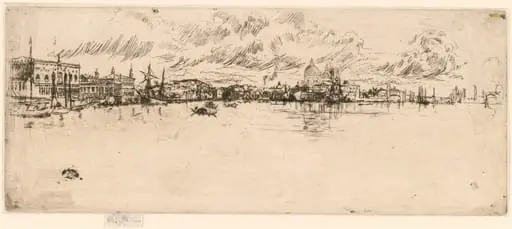 Long Venice
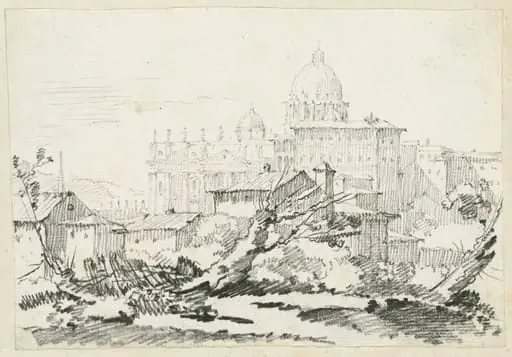 Saint Peter's Basilica and the Papal Palace
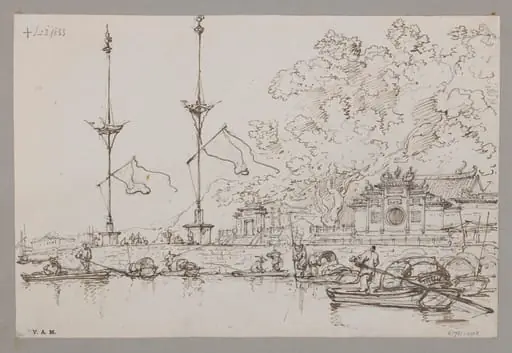 Part of the Great Joss House, Inner Harbour, Macao
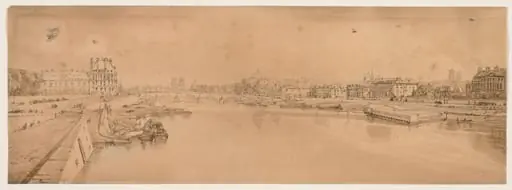 A Selection of Twenty of the Most Picturesque Views in Paris: View of the Tuilleries and Bridge and taken from Pont de la Concorde
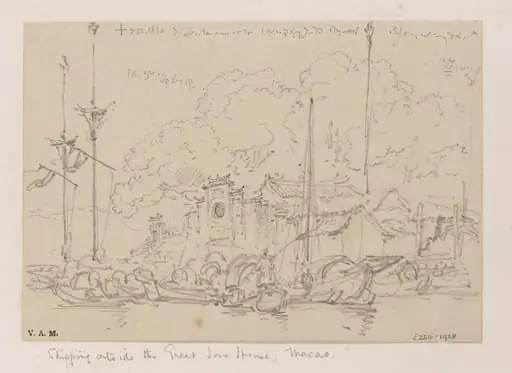 The A-Ma Temple, Macau
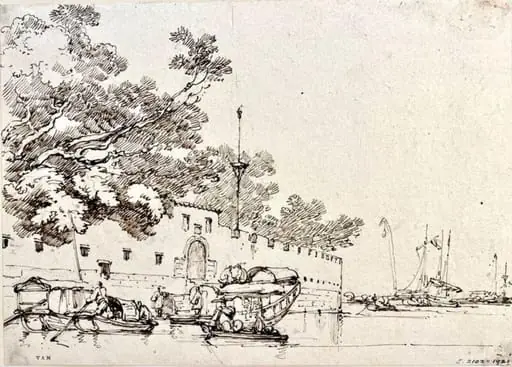 Junks and Tanka boats by a river fort, Canton (Guangzhou)
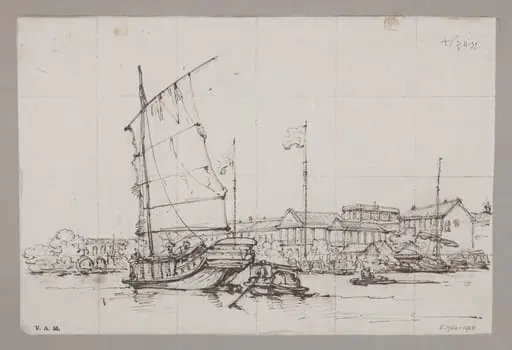 Chinese shipping
![The Ripetta in Rome [verso], by Augustin Pajou](https://artifactworldgallery.com/img/augustin-pajou--the-ripetta-in-rome-verso--4bc04e9c9476a91b-w320.webp) The Ripetta in Rome [verso]
The Ripetta in Rome [verso]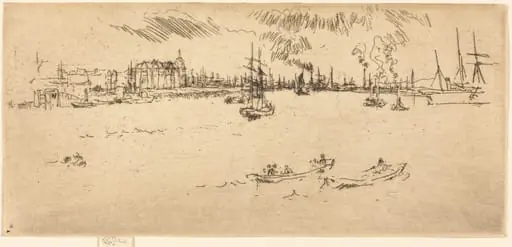 Tilbury