Artwork
Napoleon after death
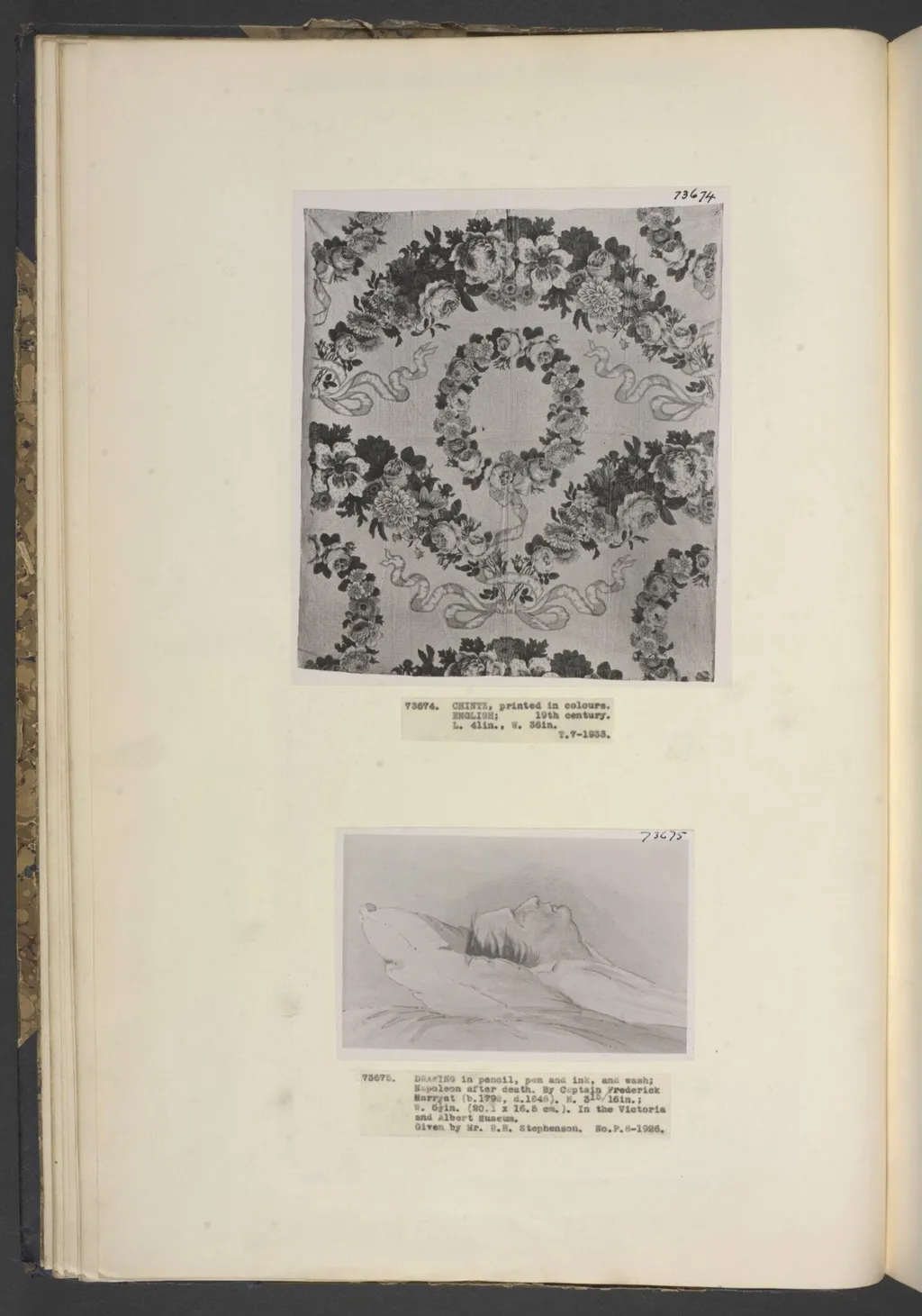
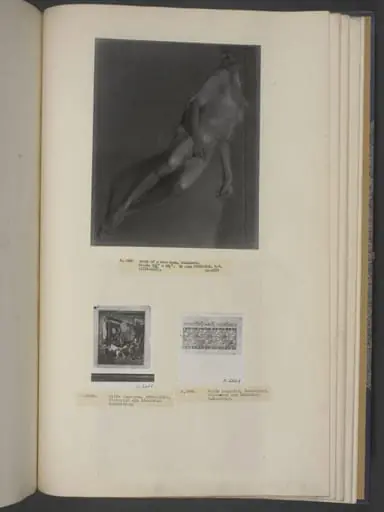
Napoleon after death is a drawing by the Romanticist artist Marryat. It dates from 1821 and is held in the collection of the Victoria and Albert Museum. A drawing depicts Napoleon Bonaparte's lifeless body, created using a mix of media.
About this work
This was made around 1821, when artists often explored strong emotions and nature’s power.
This sketch shows a lone body lying on a rocky shore. The waves crash nearby, and the scene looks windswept and empty. The drawing is mostly in pencil, with some ink lines to add shadows and texture.
The artist focused on the quiet aftermath of a storm, not the drama of the event itself. This was made around 1821, when artists often explored strong emotions and nature’s power.
Check out the Victoria and Albert Museum to see more works like this.
Overview
A drawing depicts Napoleon Bonaparte's lifeless body, created using a mix of media.
Subject & Meaning
The work shows a solitary figure on a rocky shoreline, with turbulent waves and a desolate atmosphere, evoking a sense of stillness after a storm.
Technique & Style
Pencil is the primary medium, supplemented by ink lines that add depth and texture, while wash is also used to achieve tonal shading.
Context
Created around 1821, the drawing reflects the era's artistic interest in intense emotions and the power of nature.
Artist & collection
Artist
Joseph Marryat loved drawing dead rulers more than living ones. When Napoleon’s corpse arrived in England in 1821, he sketched the emperor’s waxy face from memory, one eye slightly open, as if the man had just blinked.…