Artwork
Still Life with Quinces, Medlars and a Glass
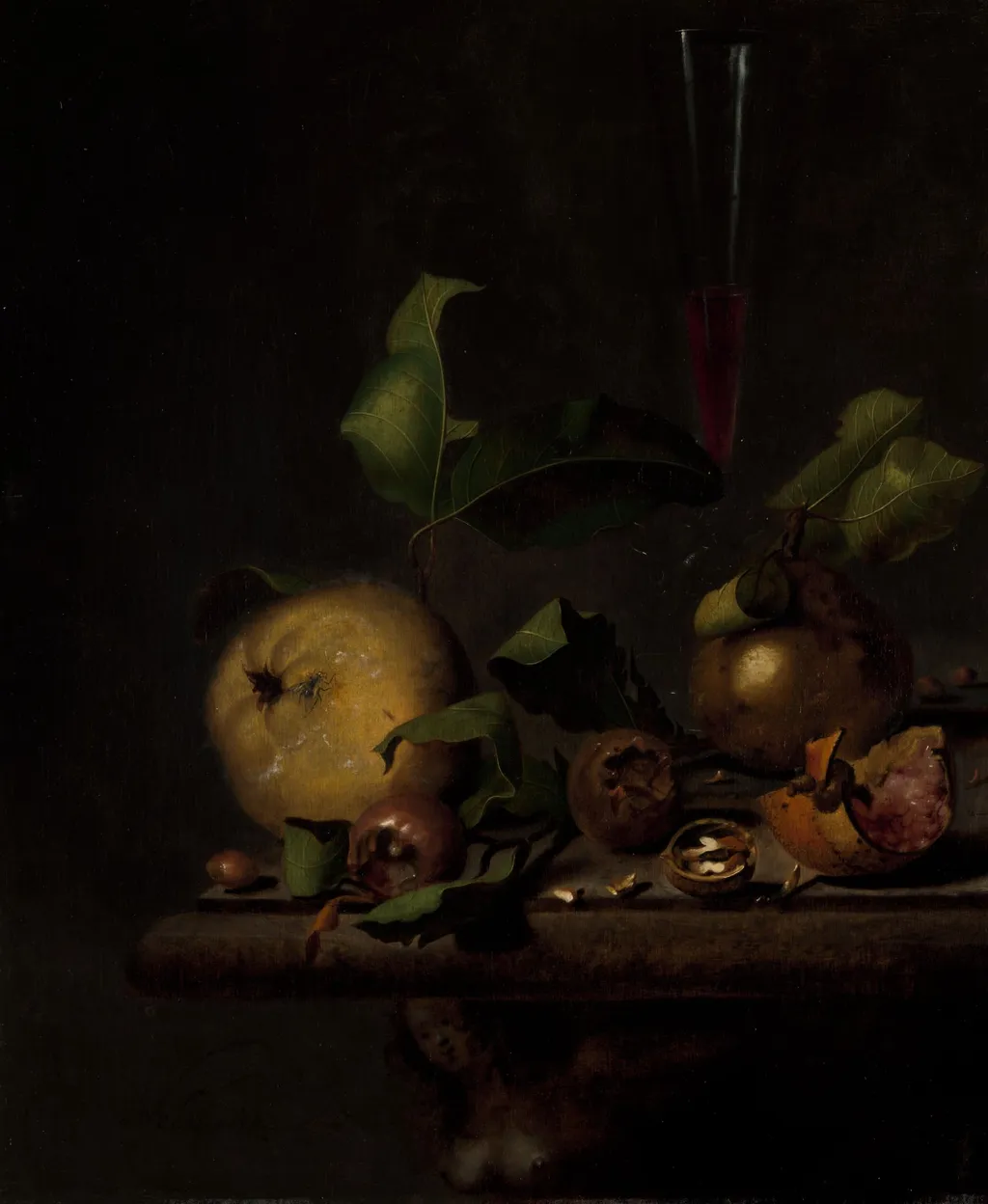
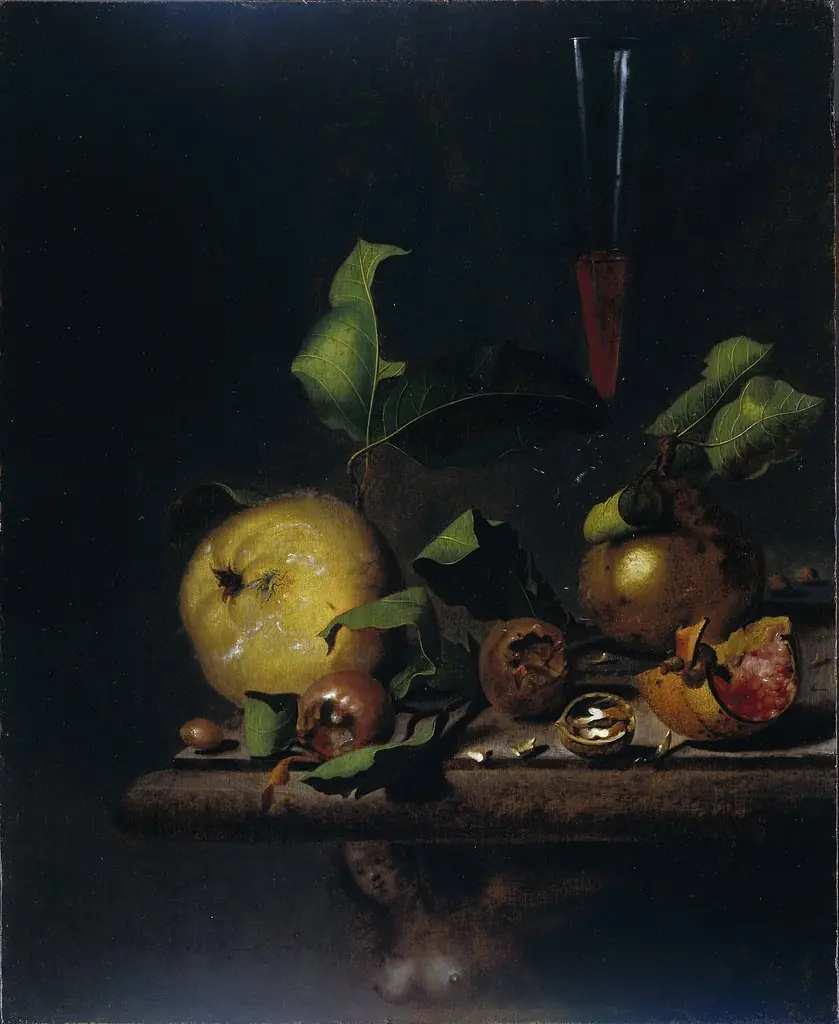
Still Life with Quinces, Medlars and a Glass is an unspecified painting by the Dutch Golden Age artist Martinus Nellius. It dates from 1694 and is held in the collection of the Rijksmuseum.
About this work
Overview
Martin Nellius’s Still Life with Quinces, Medlars and a Glass presents a modest arrangement of fruit and a glass vessel on a darkened shelf. The composition is restrained, focusing attention on the tactile qualities of the quinces and medlars, whose surfaces display minute hairs and subtle bruising, while the transparent jar reflects the surrounding gloom.
Subject & Meaning
The work depicts a limited selection of autumnal fruit—quinces and medlars—paired with a clear glass container. By limiting the inventory to a few objects, the painting invites contemplation of materiality and the fleeting nature of harvest, a common theme in Dutch still‑life traditions that emphasize the transience of earthly pleasures.
Technique & Style
Executed with meticulous brushwork, Nellius renders the fruit skins with fine stippling that captures texture and light. The glass is painted with delicate glazing to convey its translucency, while the dark background isolates the subjects, enhancing contrast and allowing the viewer to discern subtle variations in colour and surface.
History & Provenance
Very little documentary evidence exists for Nellius; only a handful of his paintings survive, all sharing a restrained compositional approach. He is believed to have been active in Leiden and The Hague during the late 17th century, working contemporaneously with Adriaen Coorte, whose similarly austere still lifes suggest a shared artistic milieu.
Own this work as a print
Artist & collection

 Stillleben mit Früchten und Seeschneckenhäusern
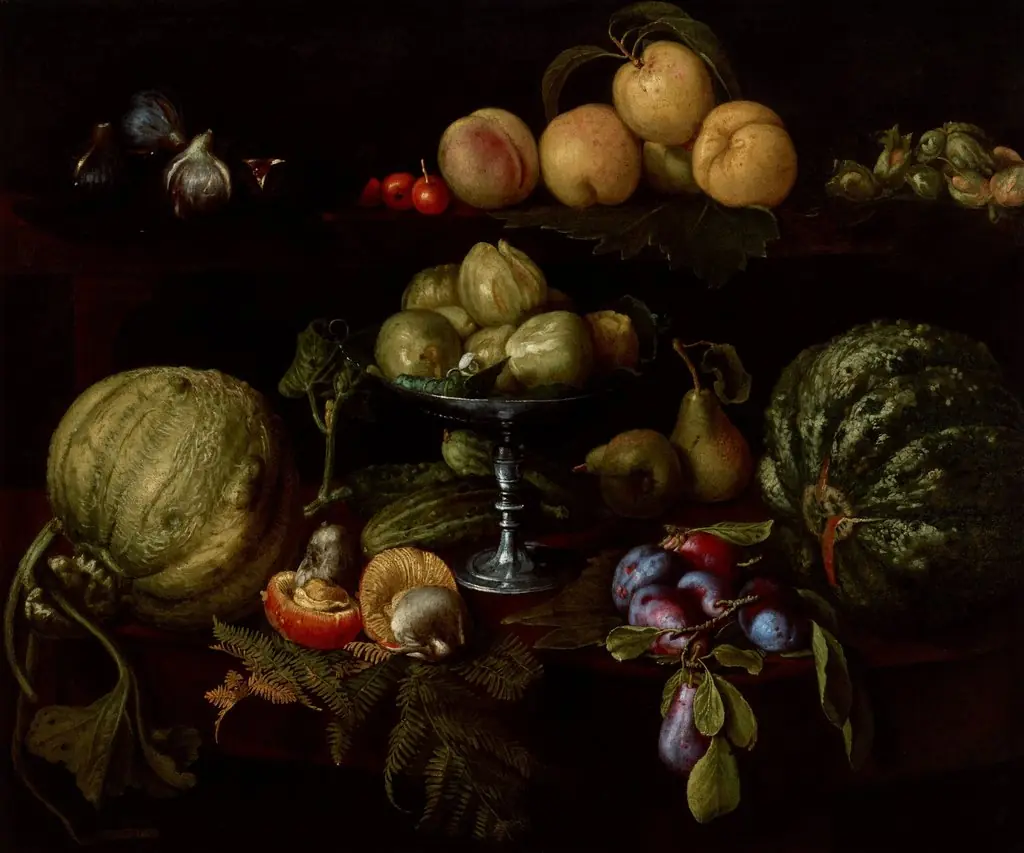 Figs on a Tazza with Pears, Quinces, Melons, Plums, Mushrooms on a Table, with Figs, Cherries, Peaches, and Acorns on a Ledge Above
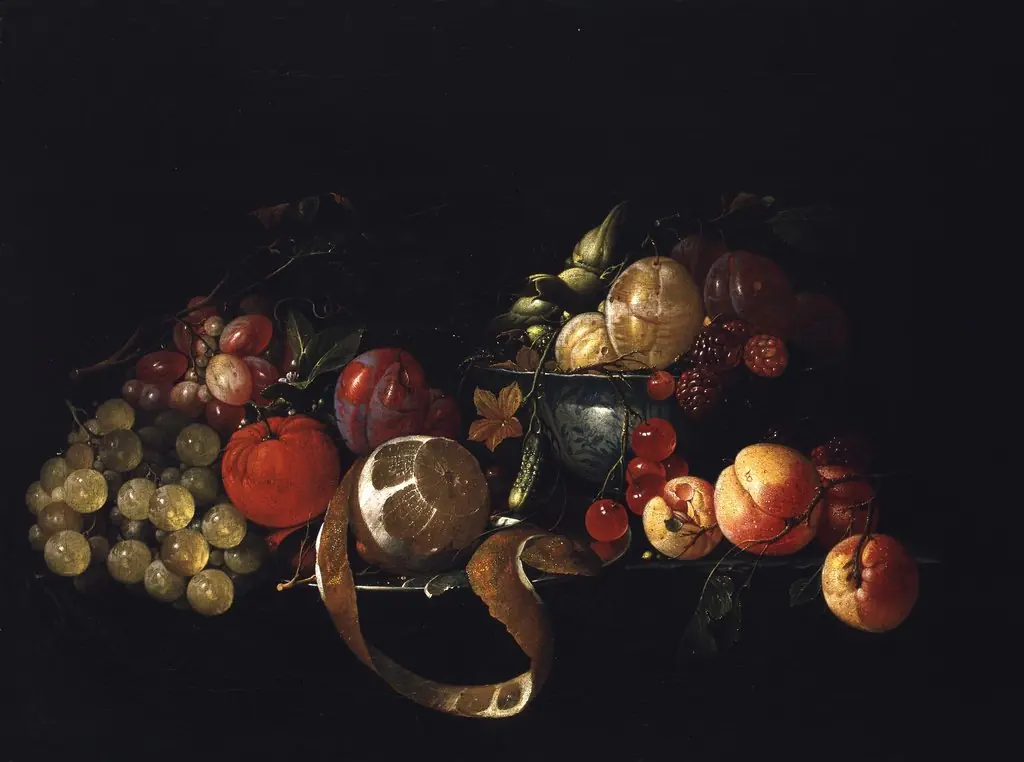 Still Life with Fruits
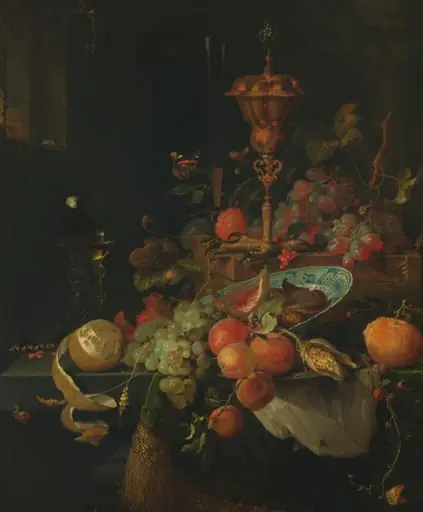 Still Life with Fruit and a Beaker on a Cock's Foot
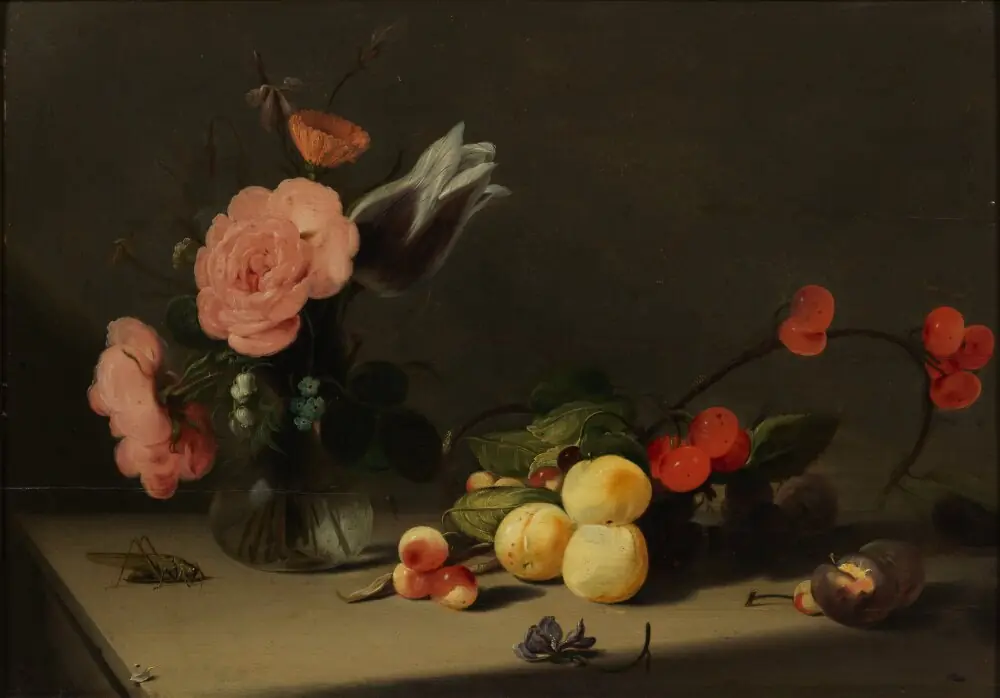 Still Life with Flowers and Fruit
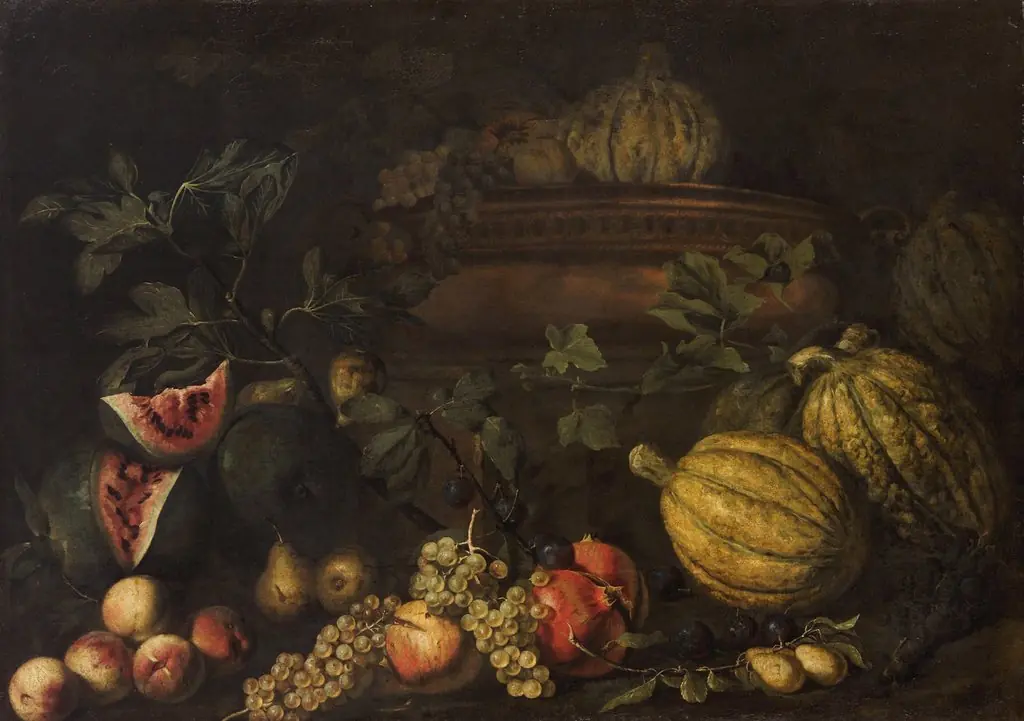 Früchtestilleben
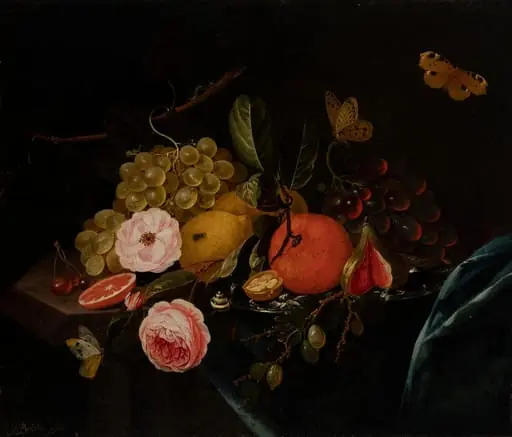 Asetelma
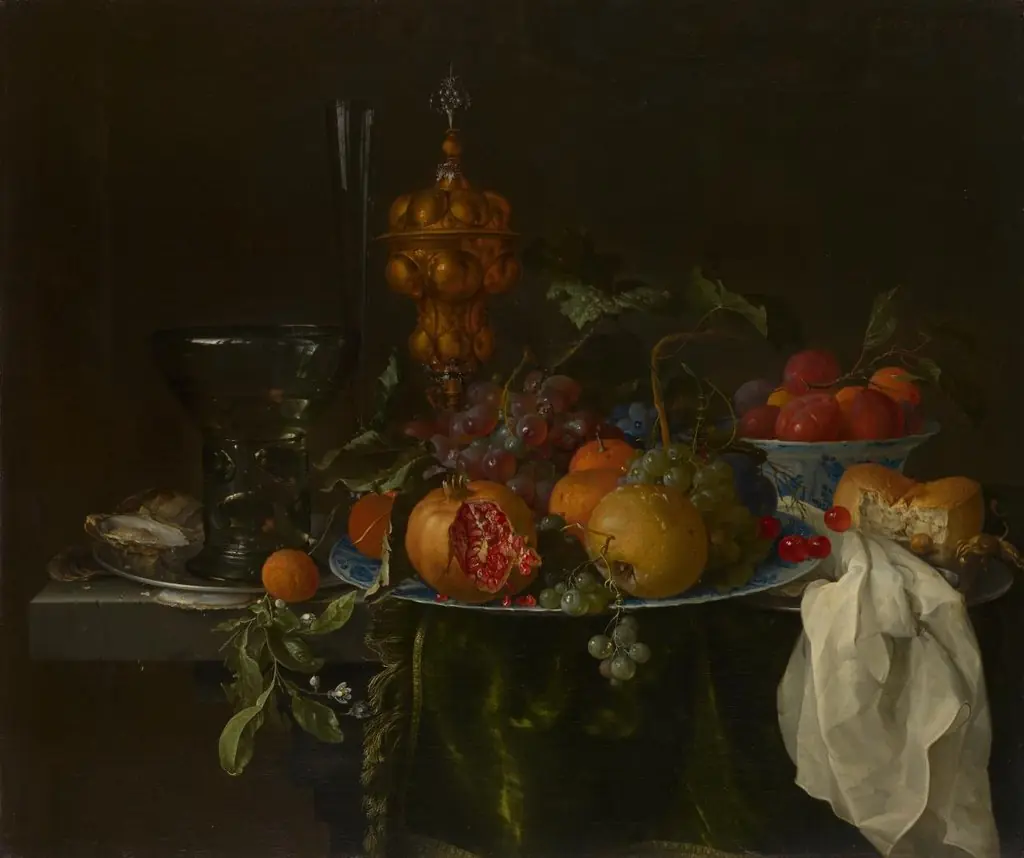 Still life with fruit
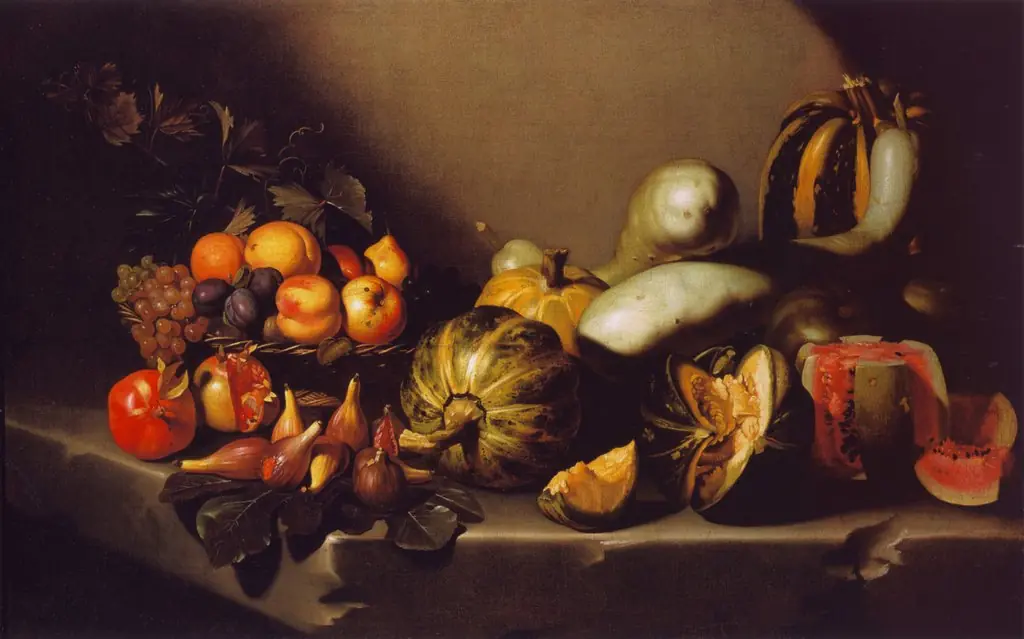 Still Life with Fruit
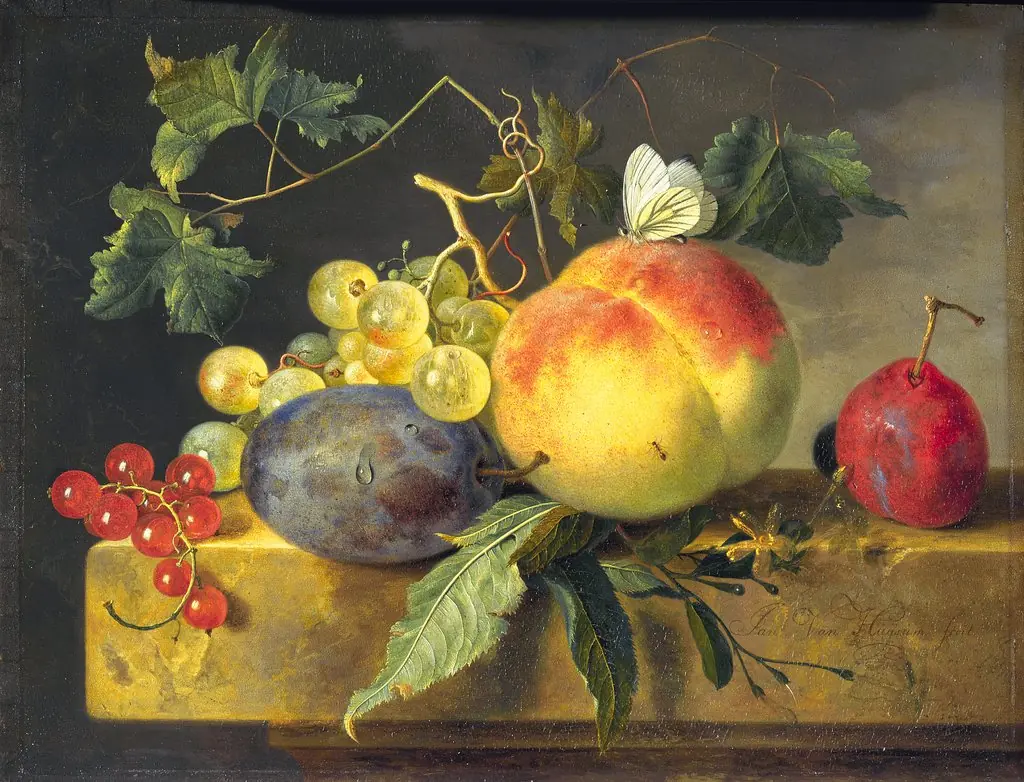 Fruit Still Life
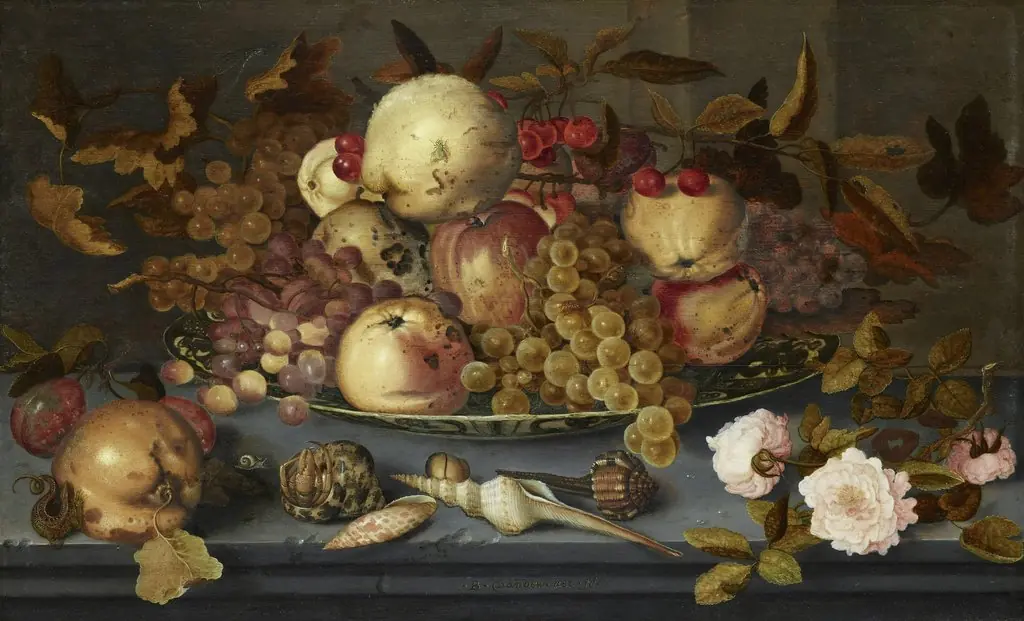 Still-life with Dish of Fruit