Artwork
The Lonely Tower (Castle on a River with Willows and a Boat)
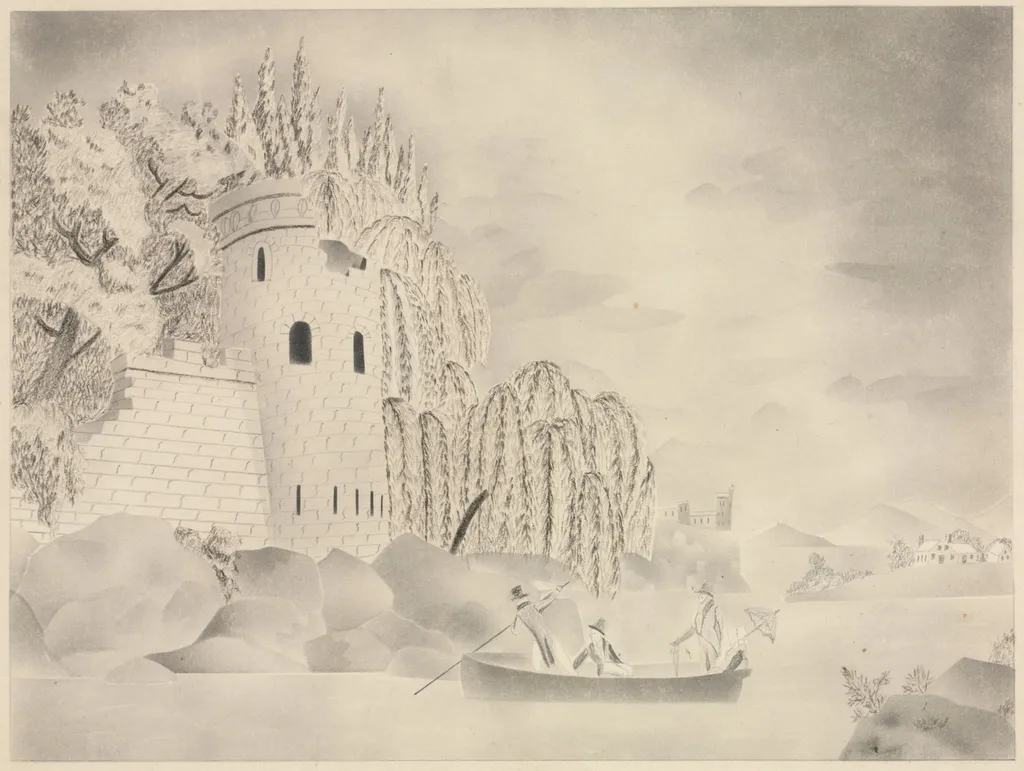
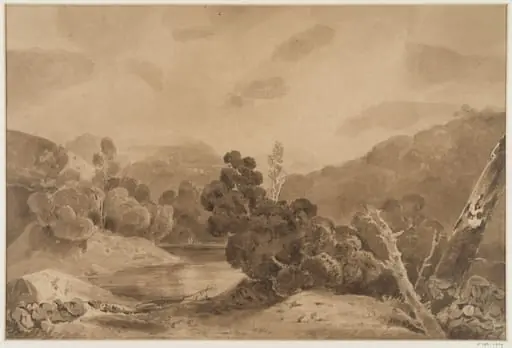
The Lonely Tower (Castle on a River with Willows and a Boat) is a drawing by the Romanticist artist Mary Altha Nims. It dates from 1804 and is held in the collection of the Cleveland Museum of Art.
About this work
Overview
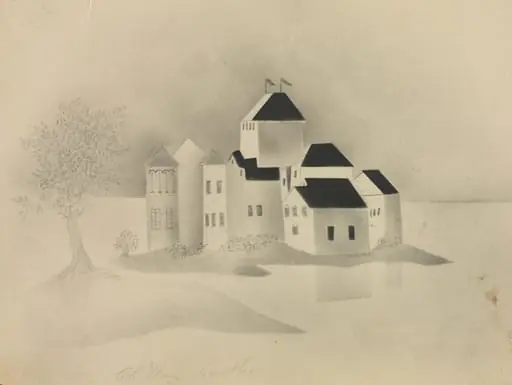
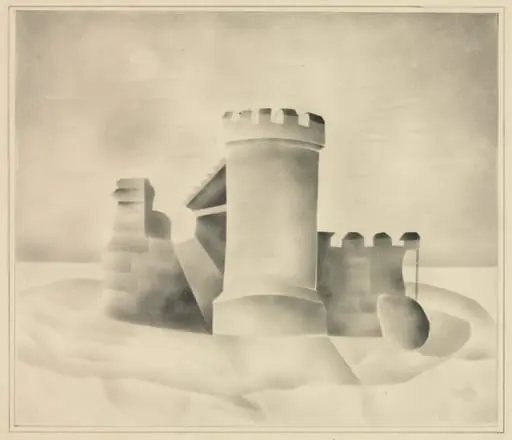
Created around 1804, this ink and watercolor drawing by Mary Altha Nims depicts a quiet riverside scene centered on a solitary stone tower.
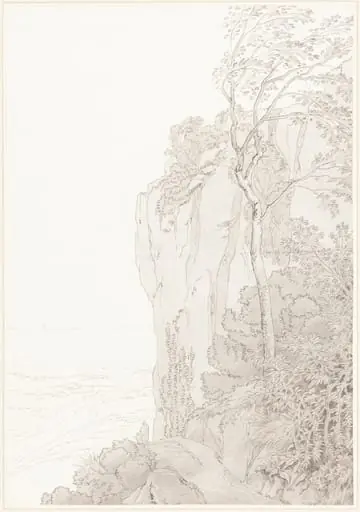
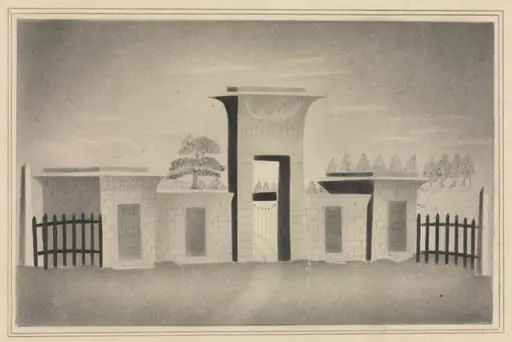
Created around 1804, this ink and watercolor drawing by Mary Altha Nims depicts a quiet riverside scene centered on a solitary stone tower. The composition balances natural elements—willows, rolling hills, and a cloudy sky—with architectural form. A small boat with two figures glides along the water, anchoring the viewer’s gaze in the foreground. The work is held in the collection of The Cleveland Museum of Art.
Subject & Meaning
The tower, isolated amid lush vegetation and still water, suggests contemplation or solitude. The presence of a boat with two figures introduces human presence without narrative clarity, reinforcing a mood of quiet introspection. The scene avoids dramatic action, instead favoring stillness and atmospheric calm, aligning with early 19th-century sensibilities that valued emotional resonance over grandeur.
Technique & Style
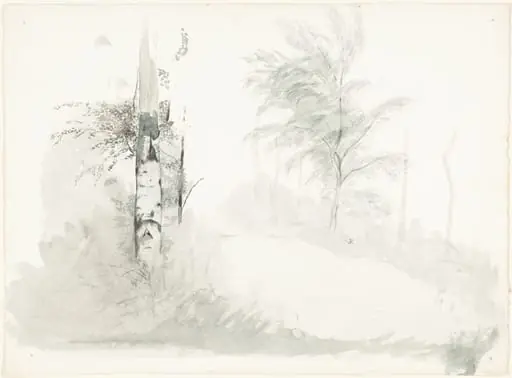
Nims employs delicate washes of watercolor to render soft transitions in sky and water, while fine ink lines define the tower’s masonry and the intricate branching of willows. Subtle shifts in tone create depth, with shadows under foliage and along the tower’s walls suggesting late afternoon light. The precision in architectural detail contrasts with the loose, fluid handling of the natural surroundings.
History & Provenance
The drawing entered The Cleveland Museum of Art’s collection through documented acquisition, though its early ownership history remains unclear. It is one of the few surviving works by Nims, whose output appears limited and largely private. Its survival suggests it was preserved within a family or collector’s circle, possibly as a personal keepsake rather than a public commission.
Context
Produced during the early Romantic period, the work reflects a broader cultural turn toward nature as a vessel for mood and reflection. While not aligned with major Romantic painters, Nims’s piece shares thematic concerns with contemporaneous landscape drawings—emphasizing solitude, atmospheric effect, and the quiet dignity of the natural world over idealized or heroic subjects.
Legacy
Mary Altha Nims left few known works, and this drawing stands as a rare example of a woman artist’s engagement with landscape in early American art. Its preservation offers insight into private artistic practice beyond formal academies. Though not widely exhibited, it contributes to a growing understanding of overlooked figures in the development of American Romantic aesthetics.
Artist & collection