Artwork
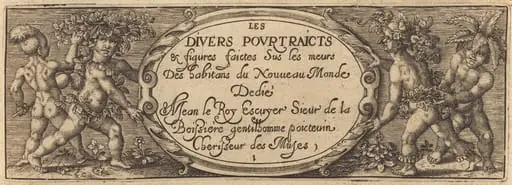
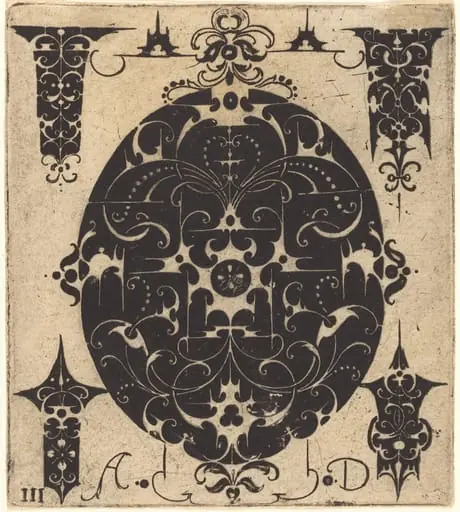
Les divers pourtraicts et figures III
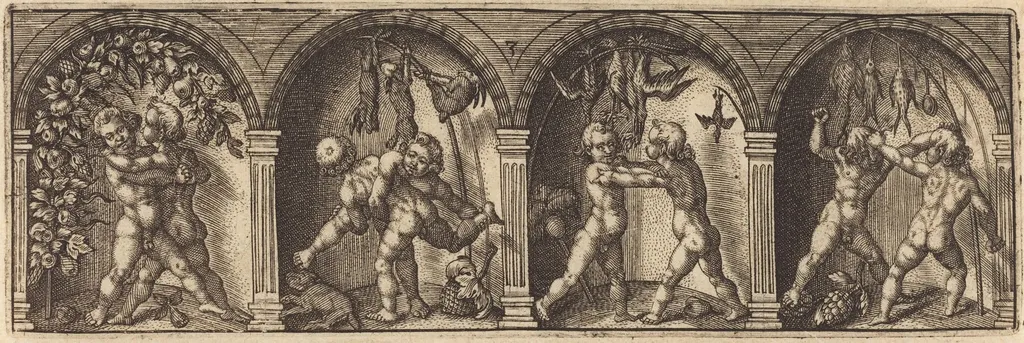
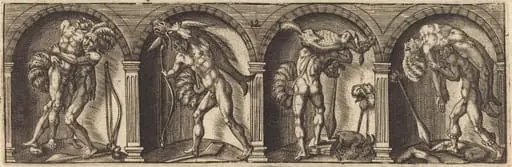
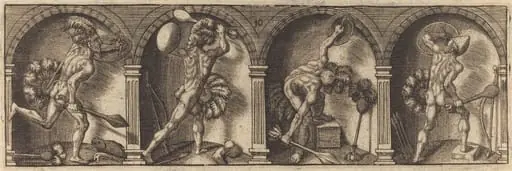
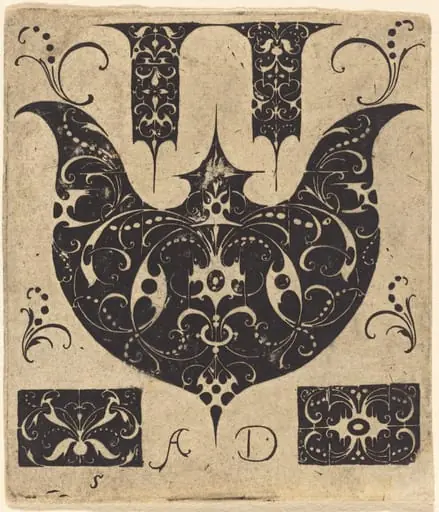
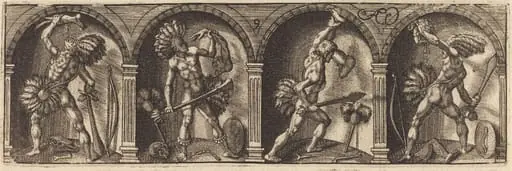
Les divers pourtraicts et figures III is an ink print by the Baroque artist Master AD. It dates from 1600 and is held in the collection of the National Gallery of Art.
About this work
Overview
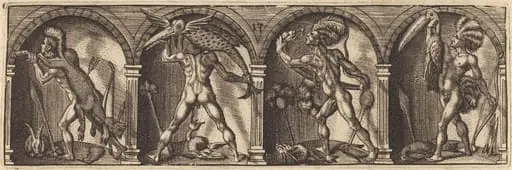
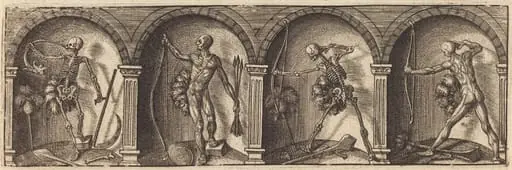
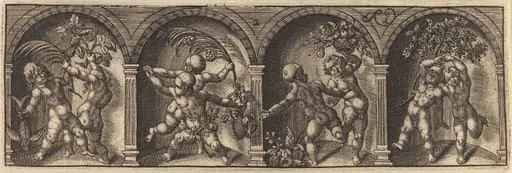
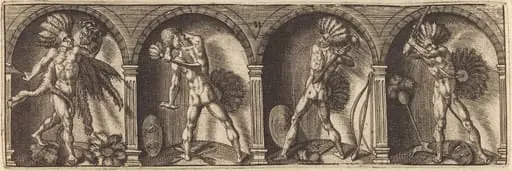
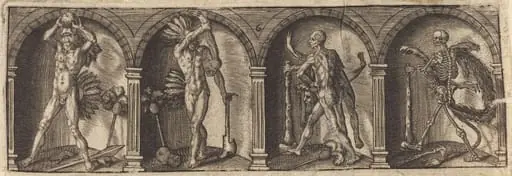
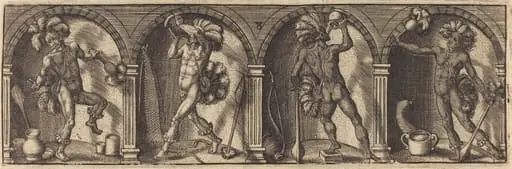
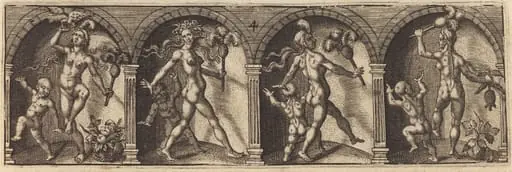
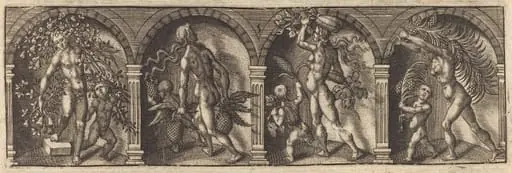
The work presents a dense composition of small, individually rendered figures on a single sheet, each rendered with meticulous line work.
Created around 1600, this engraving is one of a series attributed to Master AD, a printmaker active in the late Renaissance. The work presents a dense composition of small, individually rendered figures on a single sheet, each rendered with meticulous line work. Its purpose appears to be observational rather than narrative, focusing on the variety of human types and attire. The National Gallery of Art in Washington holds the only known impression.
Subject & Meaning
The figures depict ordinary individuals from different social strata—a man in a hat, a woman in a bonnet, others with caps, books, or baskets—suggesting a catalog of everyday life. No central narrative or mythological reference is present. The emphasis lies in the diversity of posture, costume, and expression, possibly reflecting contemporary interest in human types or ethnographic observation rather than symbolic storytelling.
Technique & Style
The artist employed fine, controlled engraving lines to model form and texture, particularly in fabric folds and facial features. The density of cross-hatching and stippling creates subtle tonal variations, lending volume and realism to each figure despite their small scale. The precision required suggests a deliberate, slow process, typical of high-quality reproductive or observational prints of the period.
History & Provenance
The print is part of a larger series titled Les divers pourtraicts et figures, though few impressions survive. Master AD’s identity remains obscure, with no definitive records linking the name to a known artist. The National Gallery of Art’s copy is the only documented example, and its provenance before the 20th century is unrecorded, indicating limited circulation during its time.
Context
Produced during a period when Northern European printmakers increasingly documented daily life, this work aligns with trends in genre observation rather than religious or allegorical themes. Similar collections of small figures appeared in prints by contemporaries like Pieter Bruegel, though Master AD’s approach is more restrained and less narrative. The absence of a known patron suggests it may have been made for the open market.
Legacy
Though not widely reproduced or cited in major art historical narratives, the engraving offers insight into the quiet, observational practices of minor printmakers. Its survival as a single known impression underscores the fragility of such works. It remains a quiet testament to the Renaissance fascination with the individual, rendered not for grandeur but for quiet study.
Artist & collection