Artwork
Portrait of Lodewijk van Gruuthuse
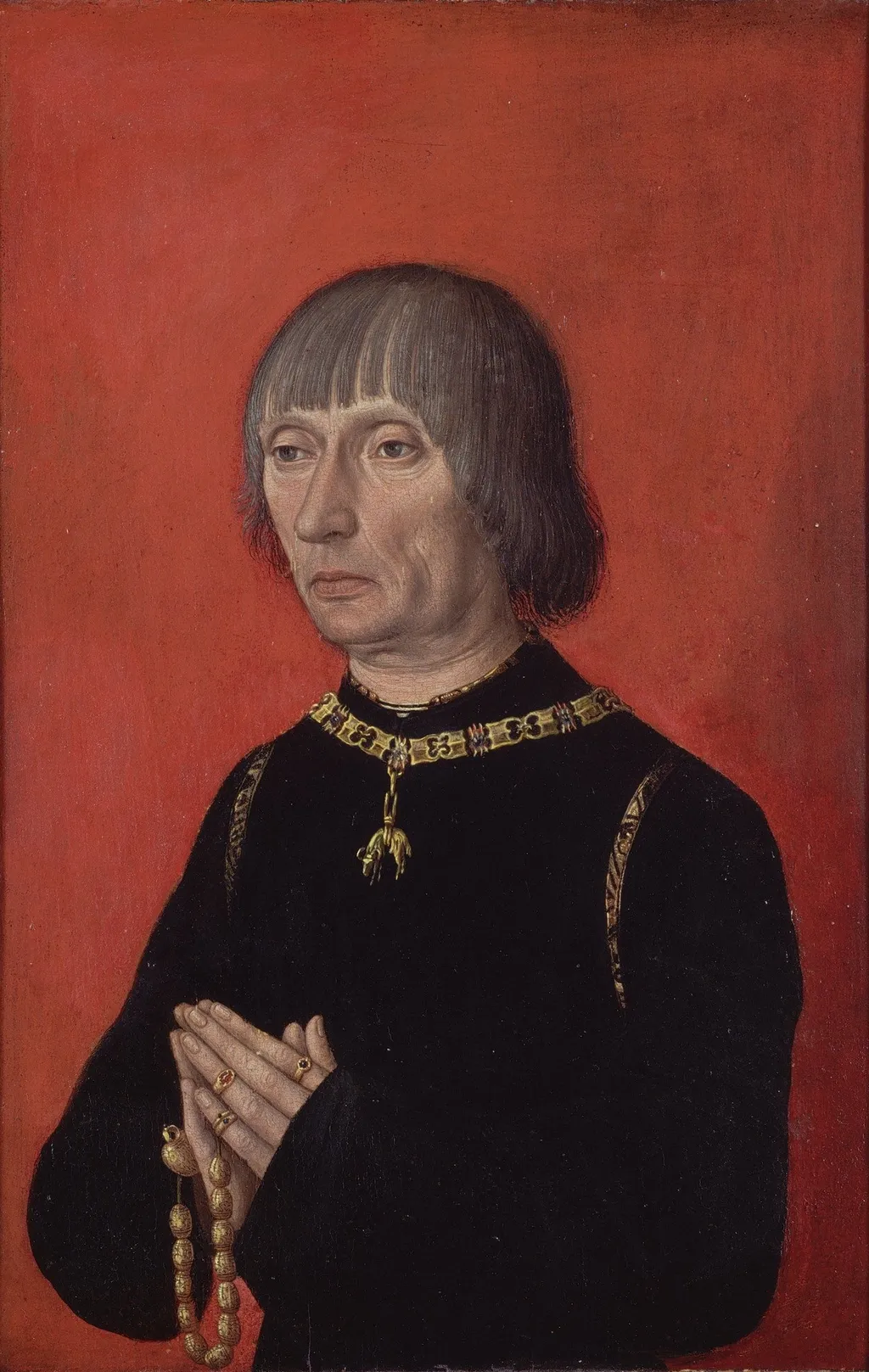
Portrait of Lodewijk van Gruuthuse is an oil painting by the Northern Renaissance artist Master of Portraits of Princes. It dates from 1489 and is held in the collection of the Groeningemuseum. Painted in 1489, this oil portrait depicts Lodewijk van Gruuthuse, a Flemish nobleman and patron of the arts.
About this work
Overview
It is currently held in the Groeningemuseum in Bruges, where it remains a key example of aristocratic representation from the period.
Painted in 1489, this oil portrait depicts Lodewijk van Gruuthuse, a Flemish nobleman and patron of the arts. Attributed to the anonymous artist known as the Master of Portraits of Princes, the work exemplifies the refined realism of late 15th-century Northern European portraiture. It is currently held in the Groeningemuseum in Bruges, where it remains a key example of aristocratic representation from the period.
Subject & Meaning
Lodewijk van Gruuthuse, a member of the prestigious Order of the Golden Fleece, is portrayed with restrained dignity. His direct gaze and clasped hands suggest introspection and authority. The gold chain and pendant signify his membership in the order, while the ring on his left hand may denote personal or familial status. The absence of overt symbolism invites focus on his presence rather than narrative, emphasizing identity over allegory.
Technique & Style
The artist employs fine brushwork to render textures with precision: the sheen of silk, the weight of gold chain, and the softness of gray hair are rendered with quiet realism. The dark tunic contrasts with subtle gold detailing on collar and shoulders, drawing attention to the figure’s upper body. The background is muted, eliminating distraction and reinforcing the psychological intensity of the sitter’s expression.
History & Provenance
The portrait has remained in institutional care since at least the 19th century, entering the Groeningemuseum’s collection as part of its core holdings of Early Netherlandish art. Its attribution to the Master of Portraits of Princes reflects scholarly consensus based on stylistic parallels with other works from the same hand. No documented alterations or significant restorations are recorded, preserving its original condition.
Context
Created during the height of Burgundian influence in the Low Countries, the portrait reflects the cultural values of a wealthy elite who used visual representation to assert social and political standing. The Order of the Golden Fleece, founded by Philip the Good, was a powerful symbol of loyalty and prestige. Such portraits served both personal commemoration and public display within courtly circles.
Legacy
This portrait contributes to the understanding of how Northern Renaissance artists captured individuality without idealization. Its restrained composition and psychological depth influenced later generations of Flemish painters. Though the artist’s identity remains unknown, the work stands as a testament to the sophistication of portraiture in late medieval Flanders, valued for its quiet authority rather than grandeur.
Own this work as a print
Artist & collection
Artist
Master of Portraits of Princes
This early Netherlandish painter specialized in rulers’ likenesses—think crisp velvet collars and golden rings.

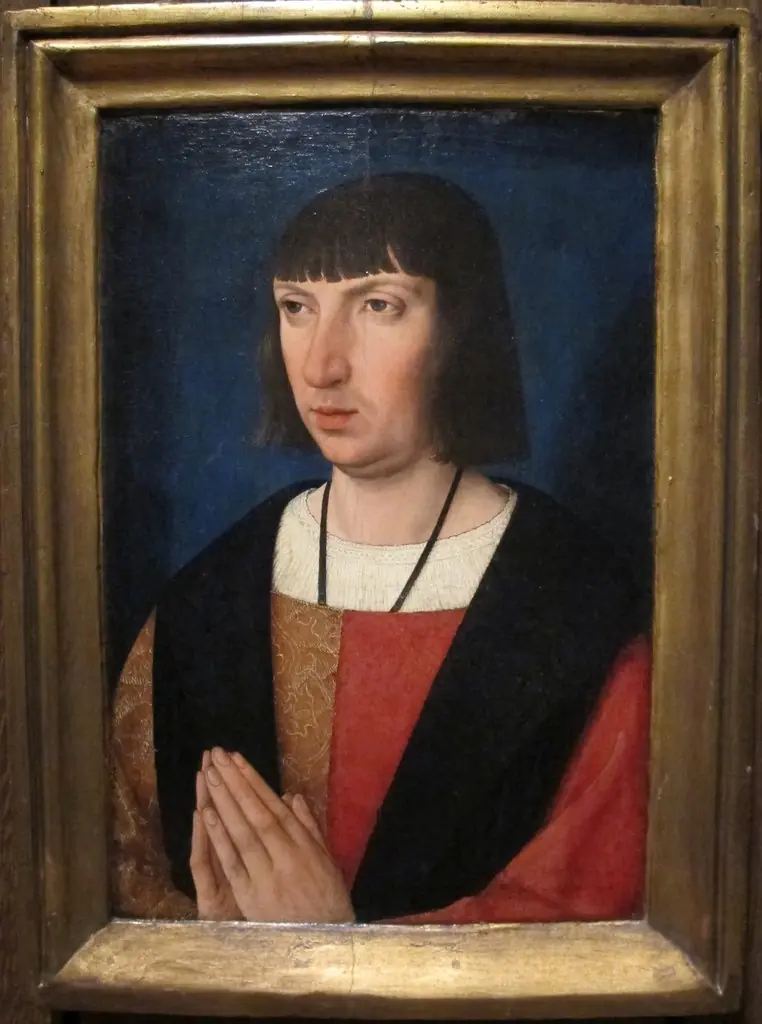 Portrait of a Man Praying
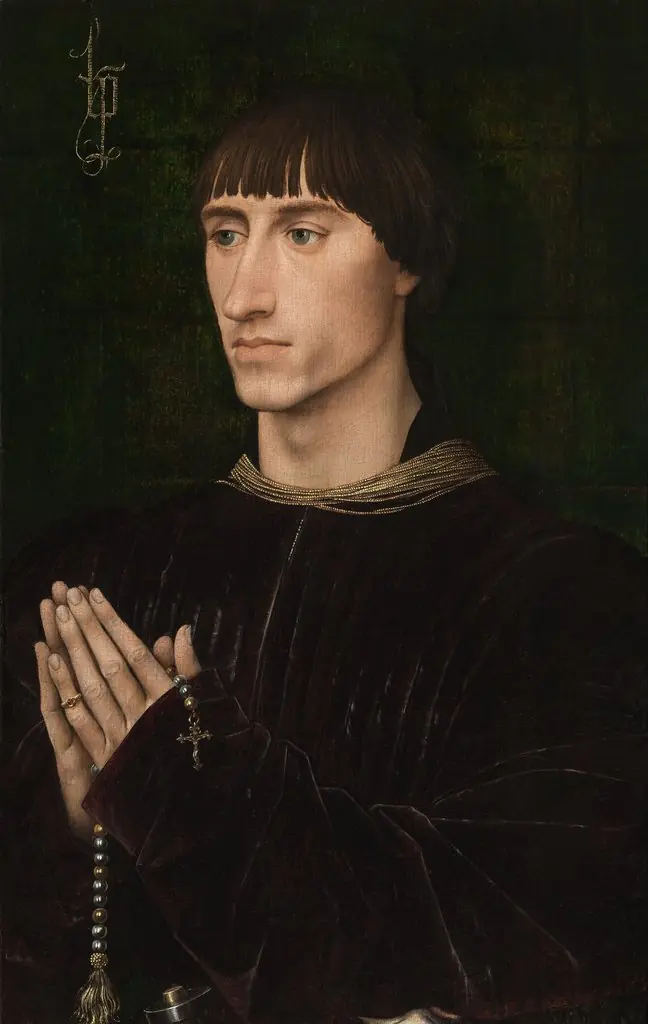 Portrait of Philippe de Croy
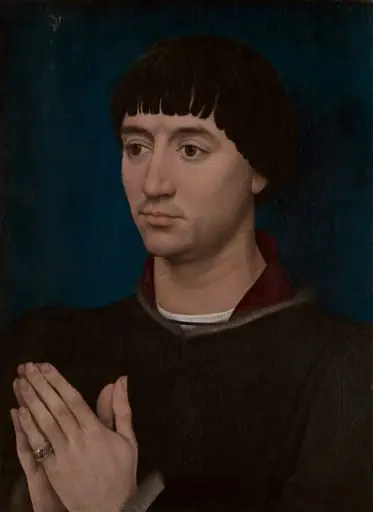 Portrait of Jean Gros (recto); Coat of Arms of Jean Gros (verso)
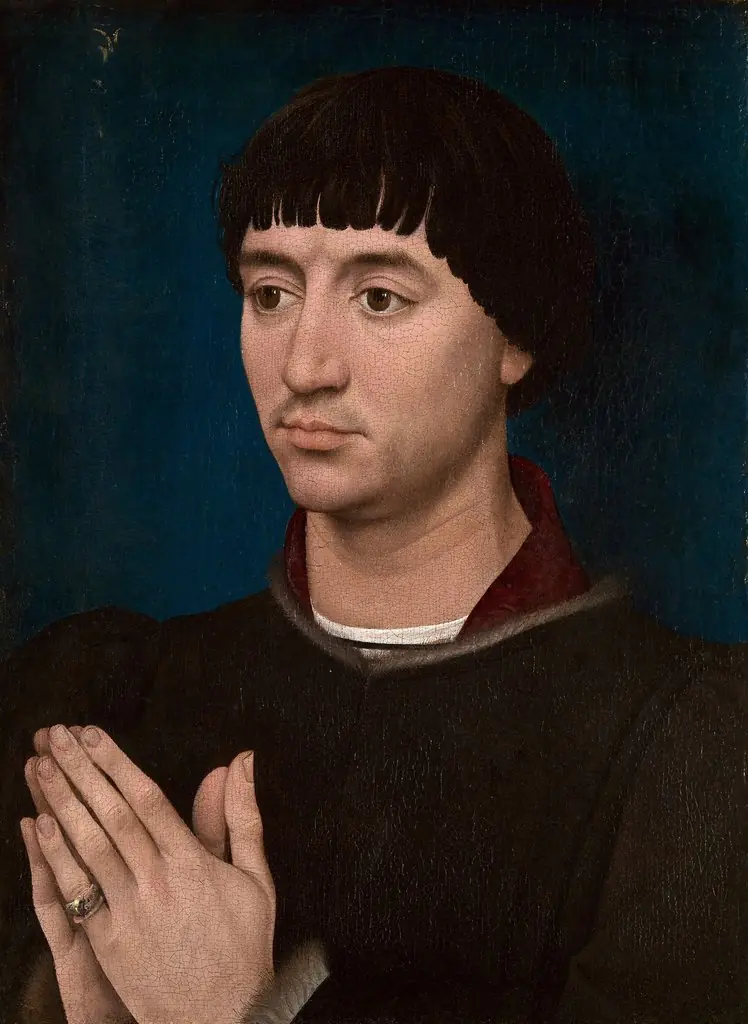 Portrait of Jean Gros
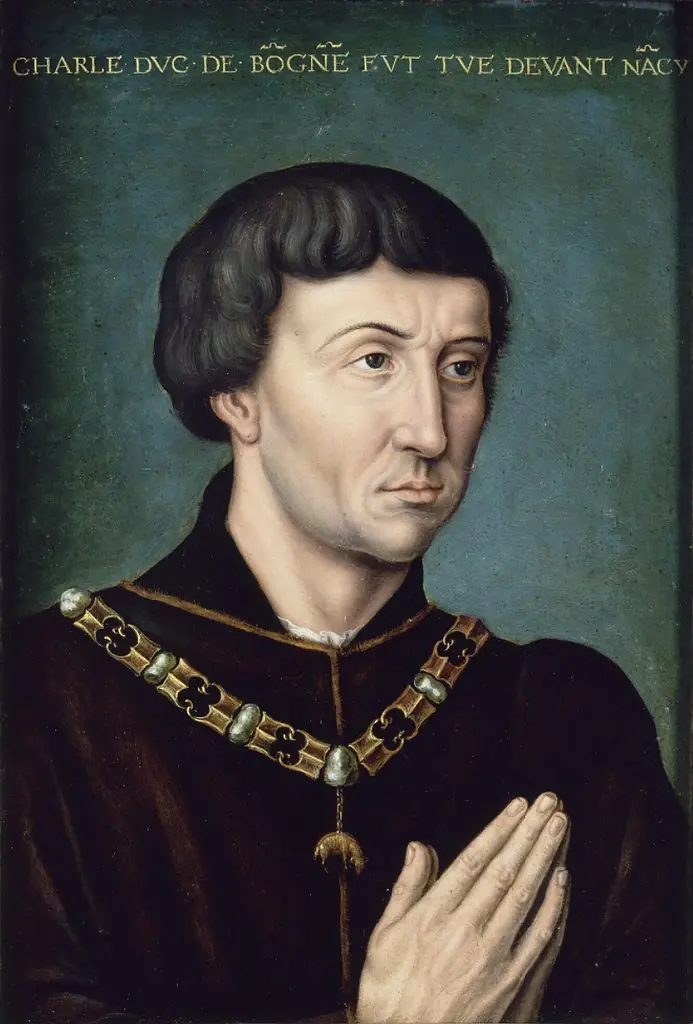 Portrait of Charles the Bold, Duke of Burgundy (1433-1477)
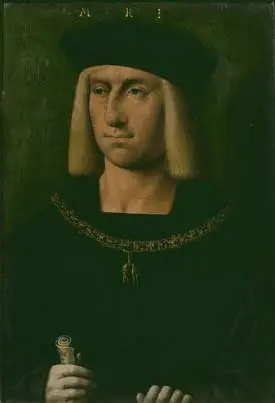 Portrait of Maximiliaan I (1459-1519), Keizer van het Heilige Roomse Rijk 1493-1519
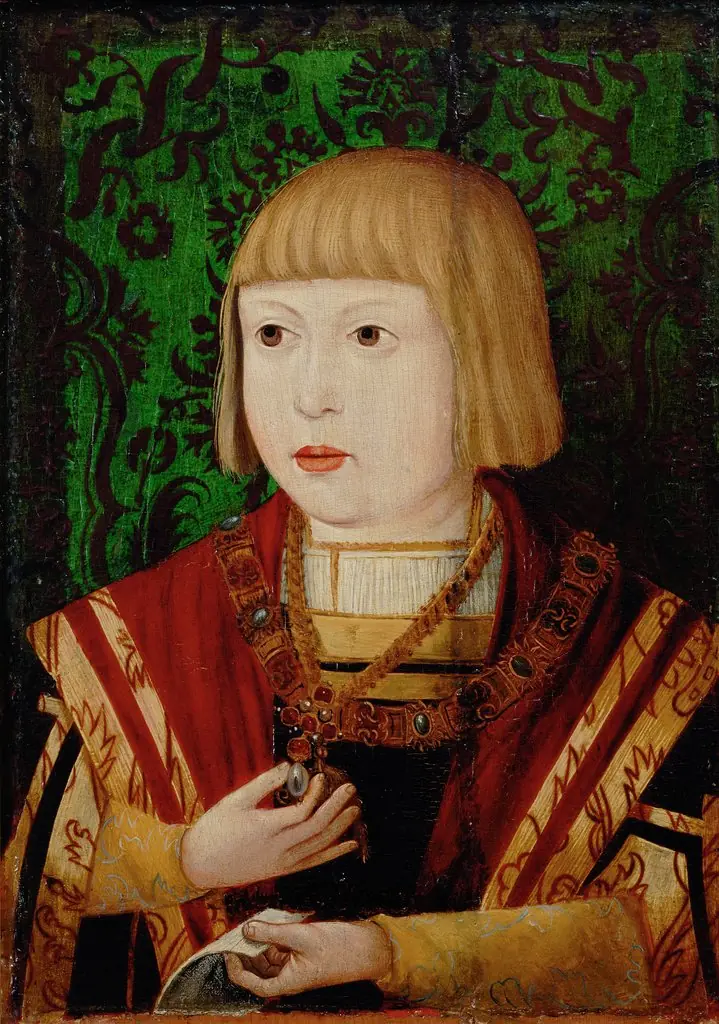 Emperor Ferdinand I (1503-1564) at the age of ten or twelve years
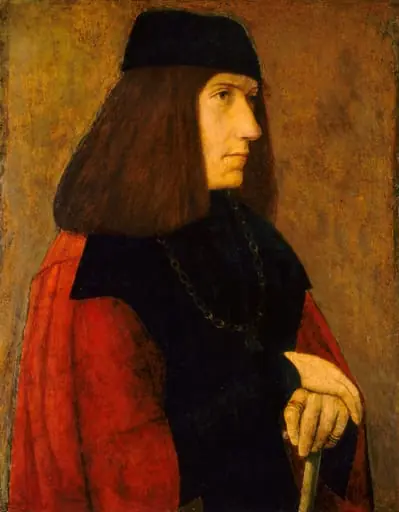 A Knight of the Golden Fleece
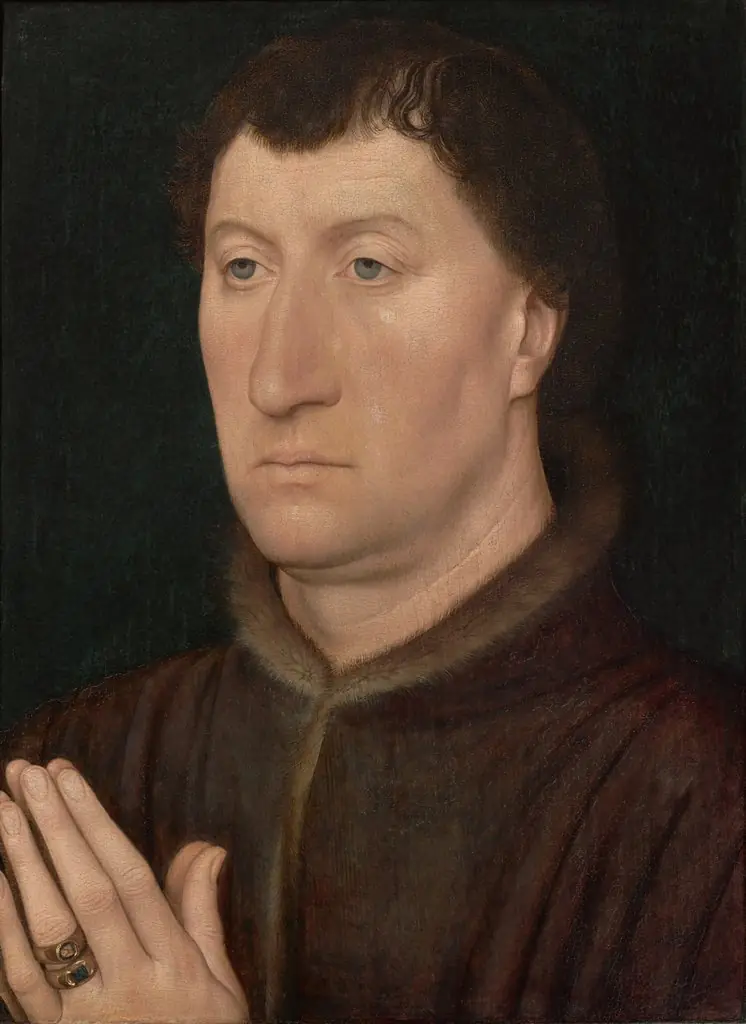 The Canon Gilles Joye
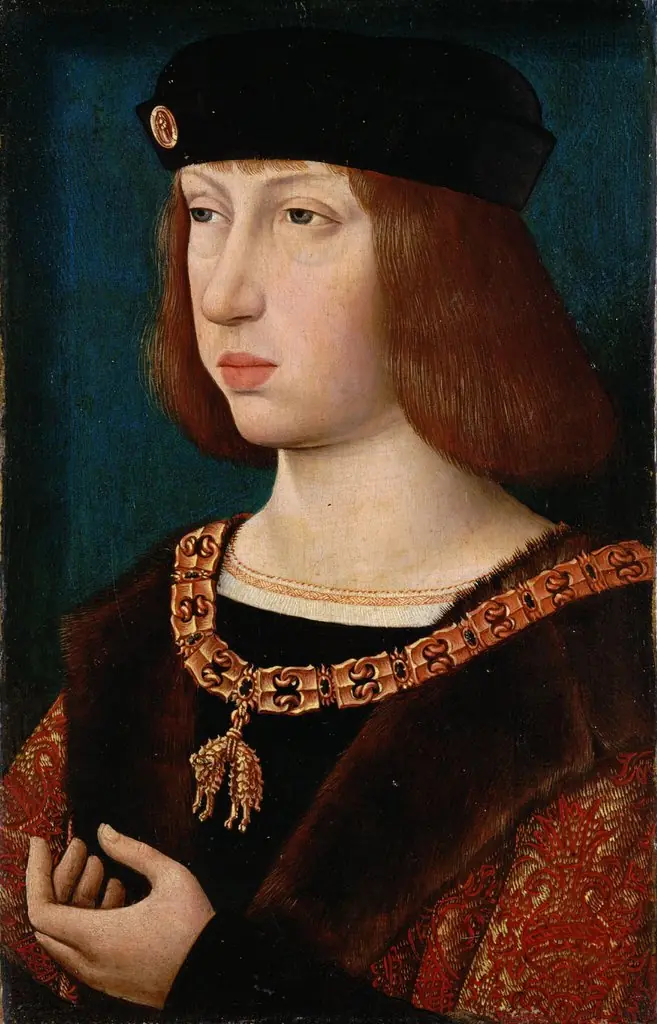 Portrait of Philips 'de Schone' van Habsburg (1478-1506)
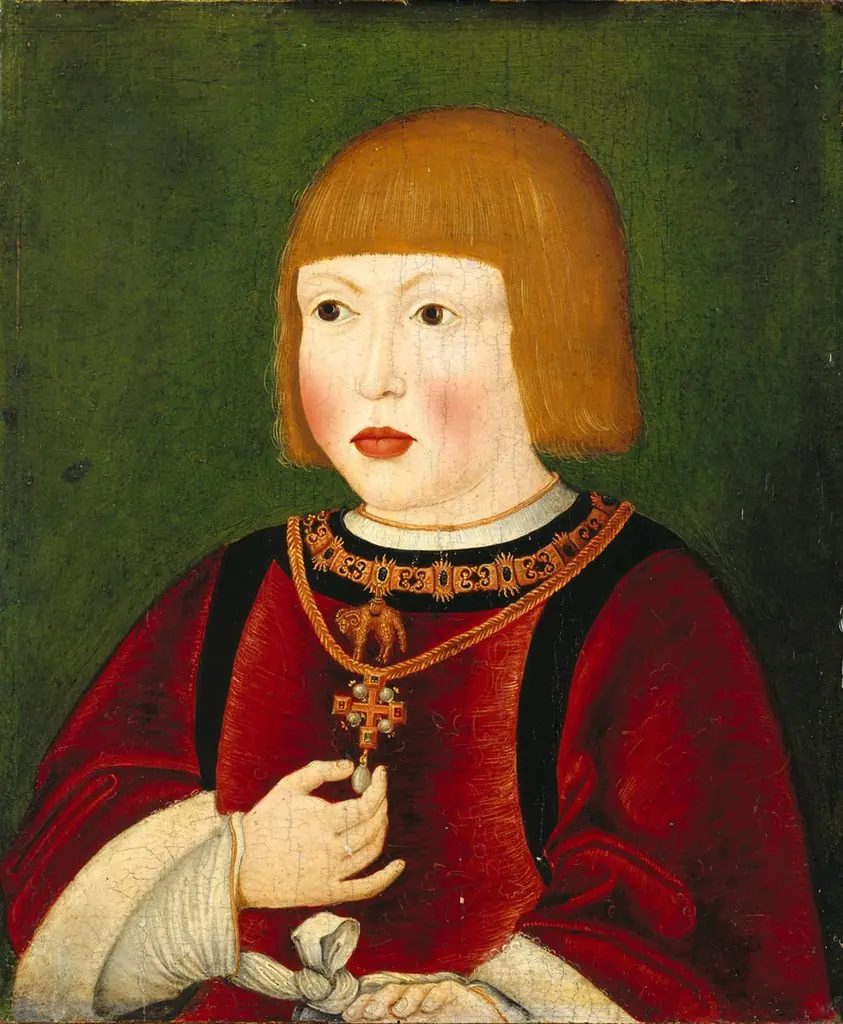 Portrait of King Louis II (1506-1526) of Hungary, 10-12 years old