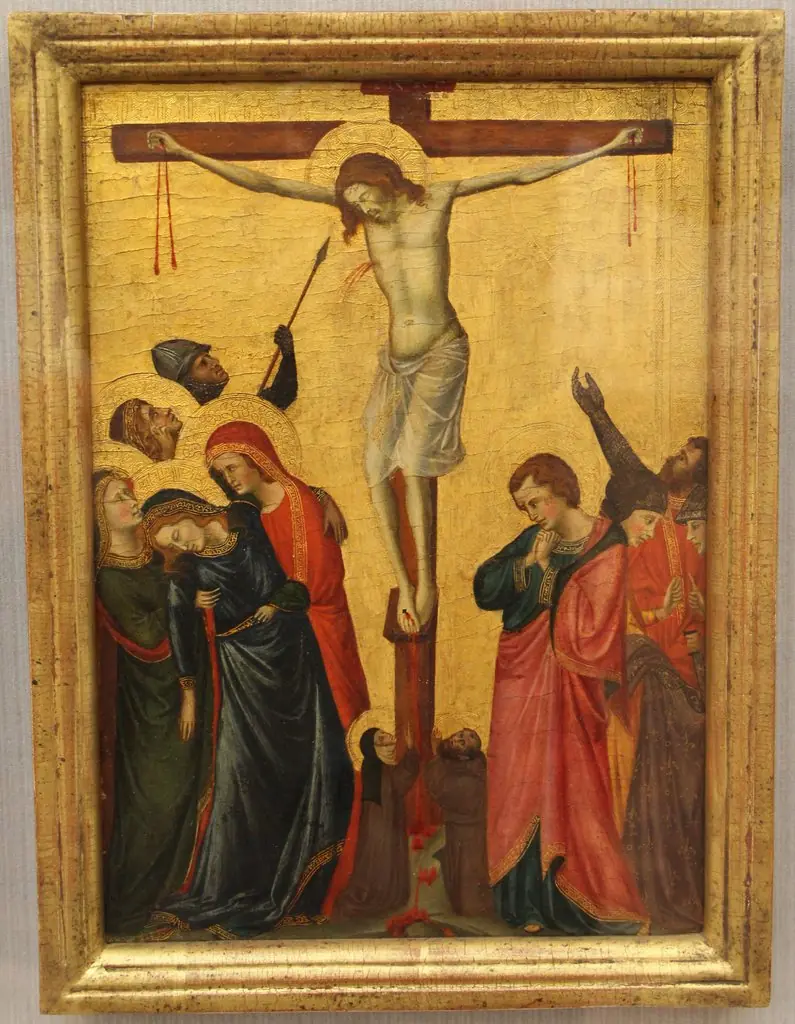
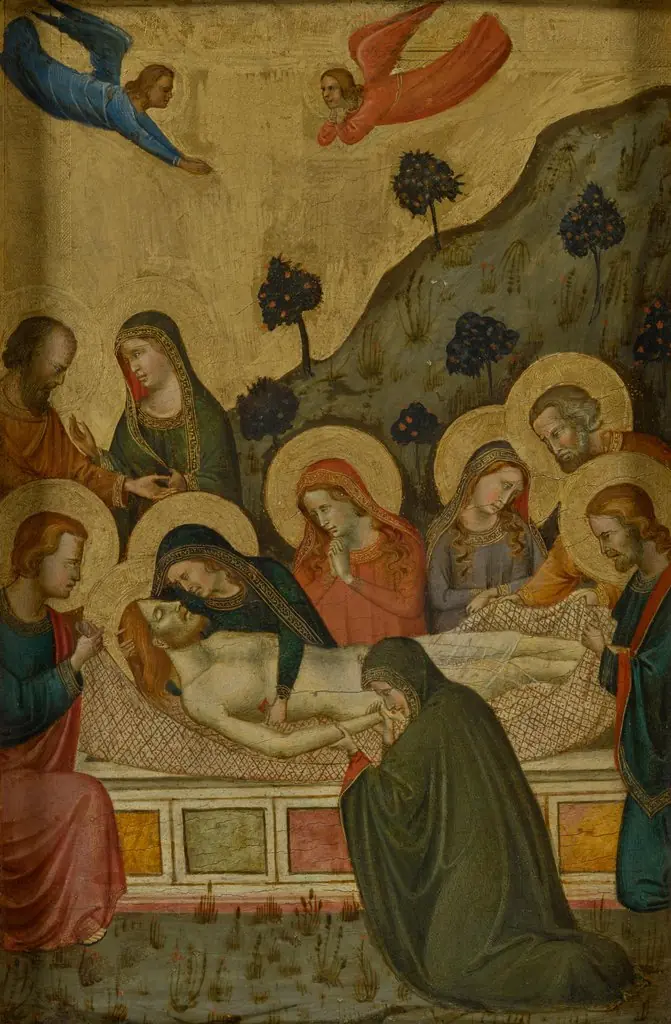
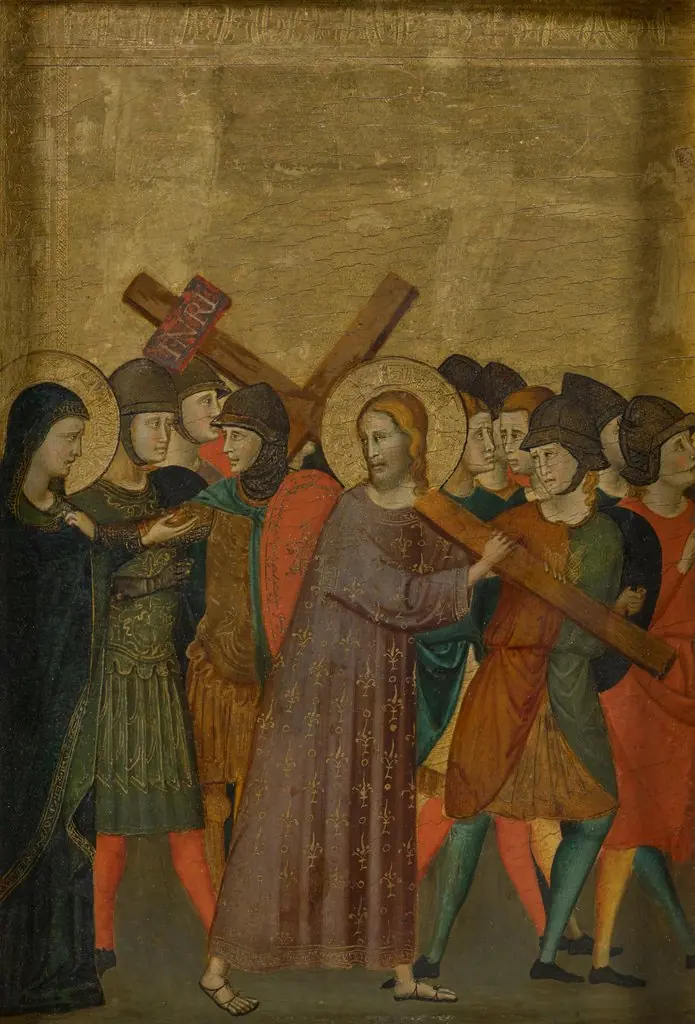
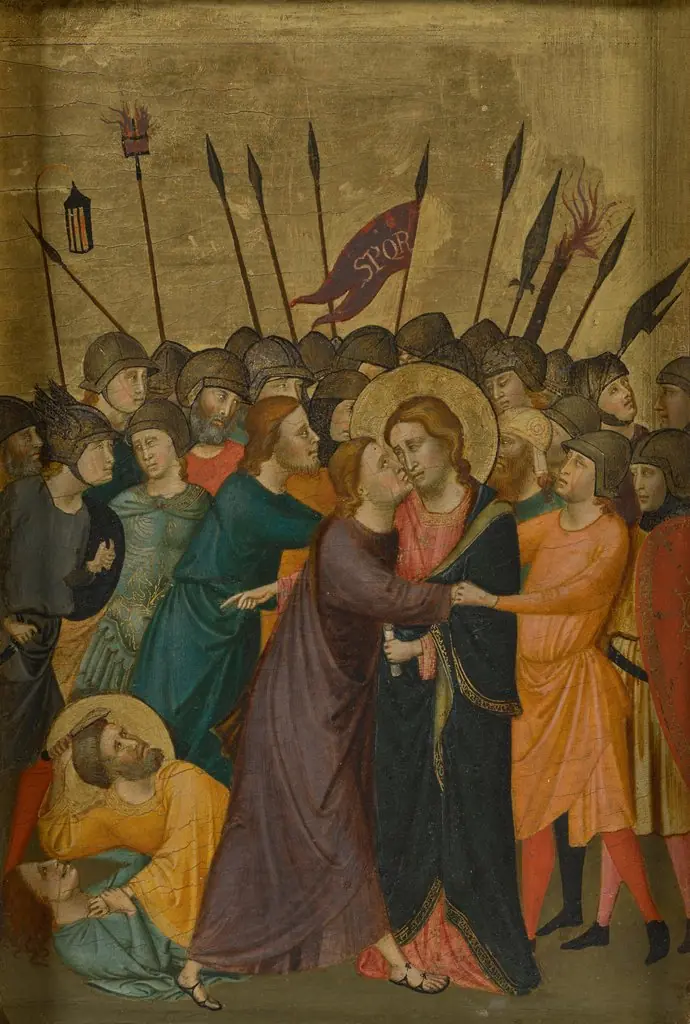
Artwork
Madonna and Child
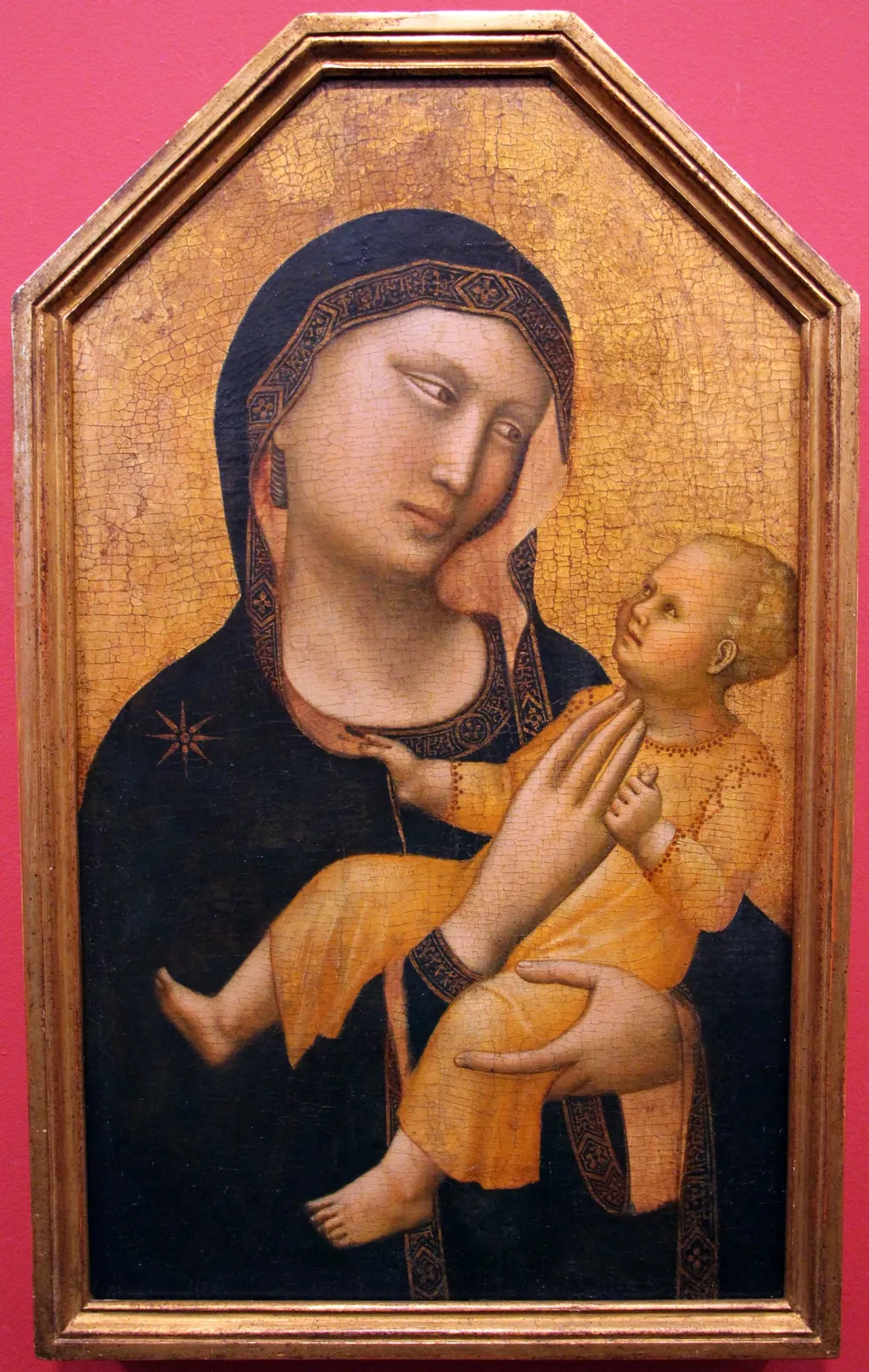
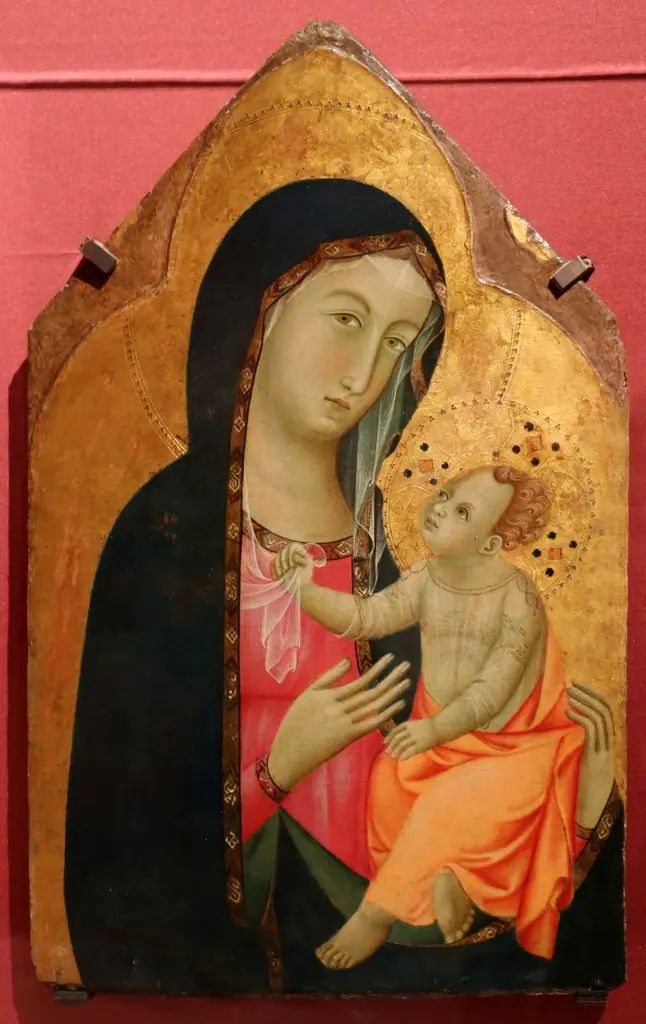
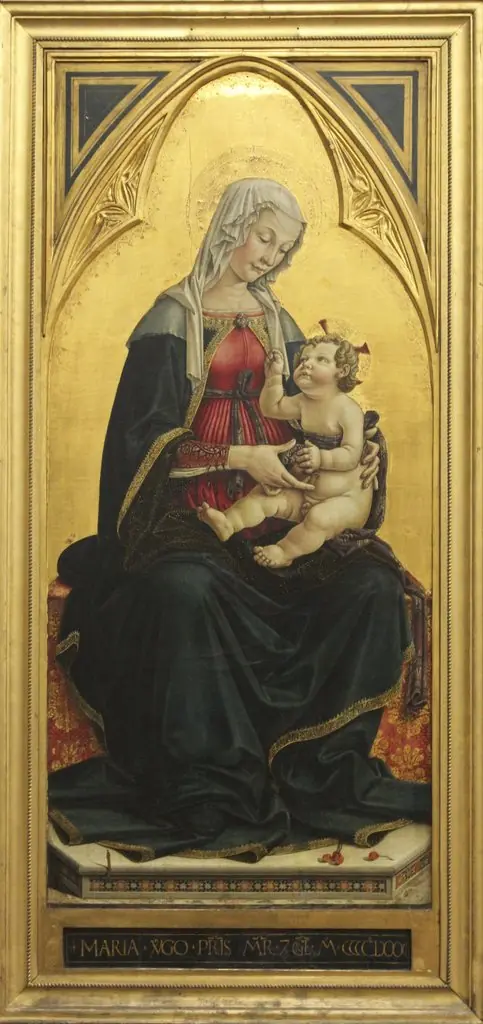
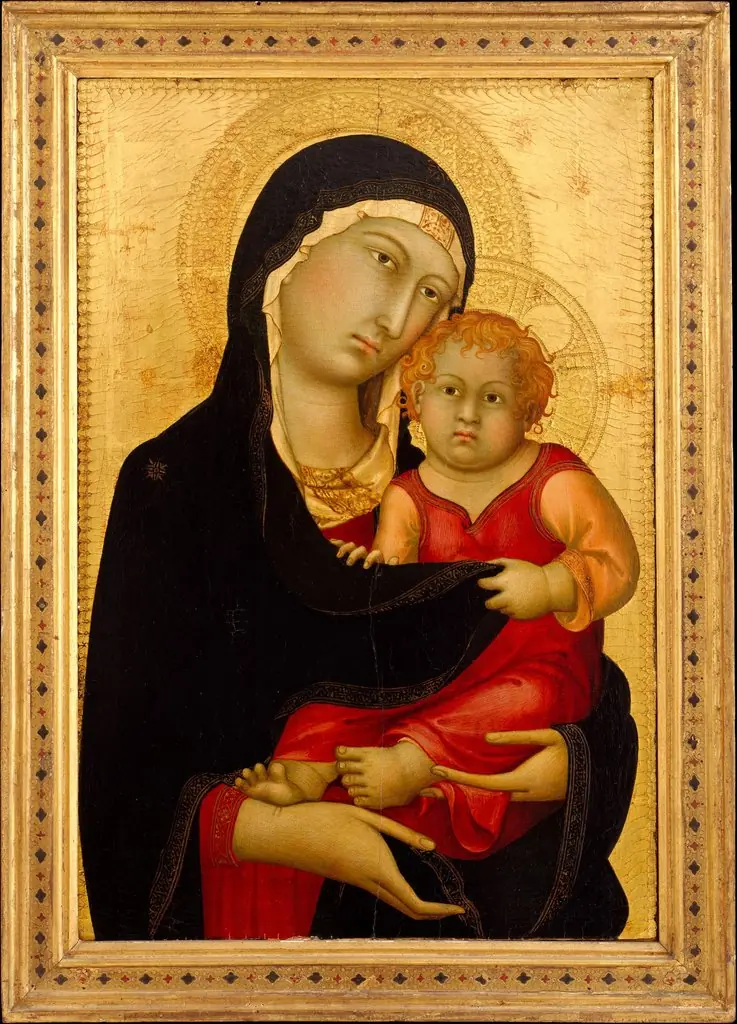
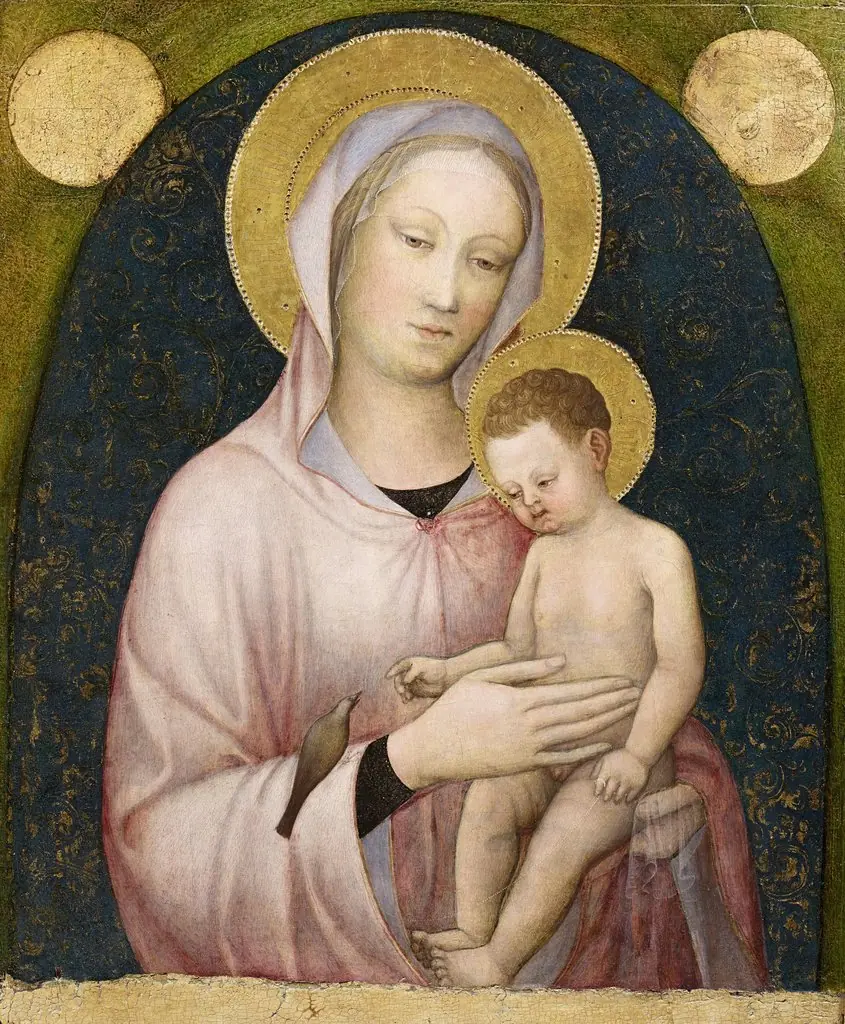
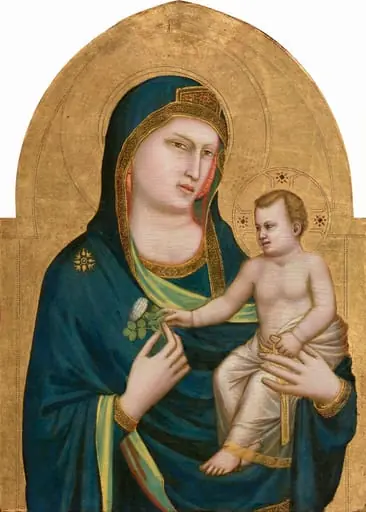
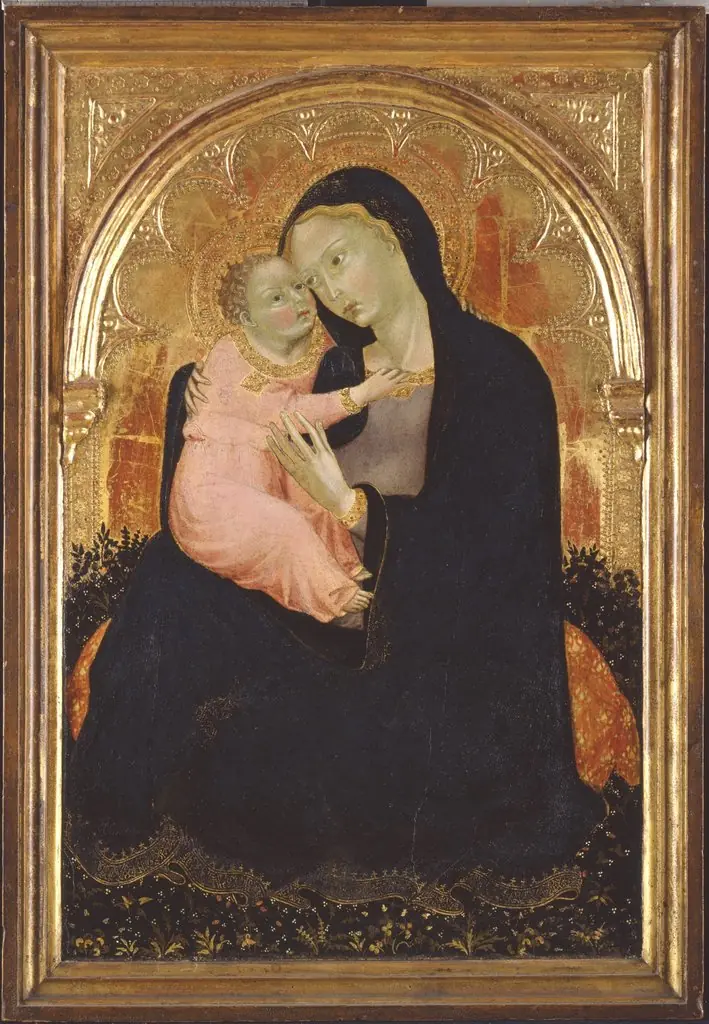
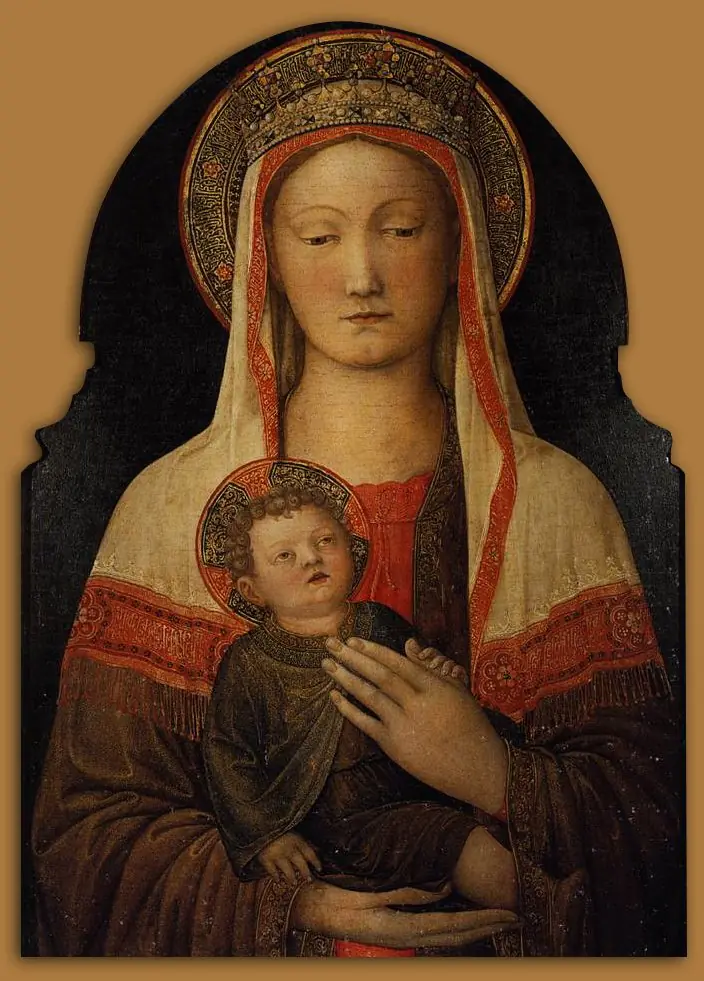
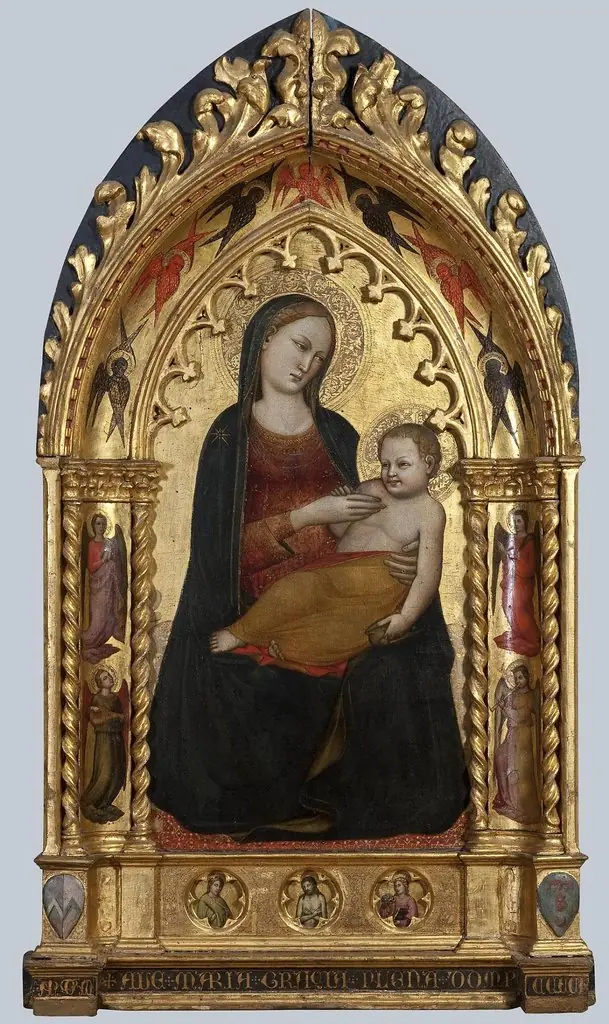
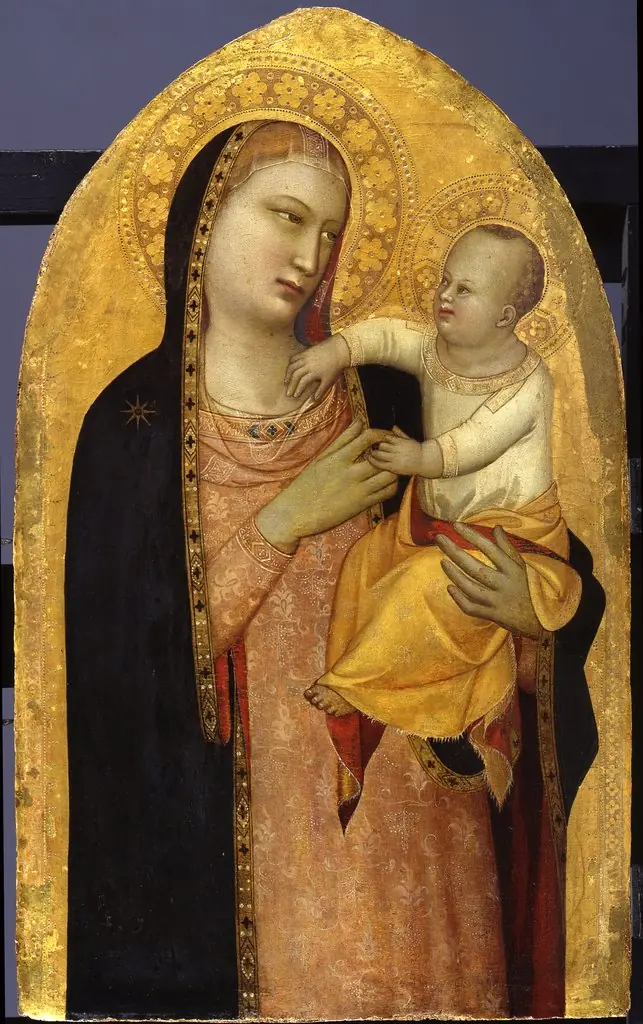
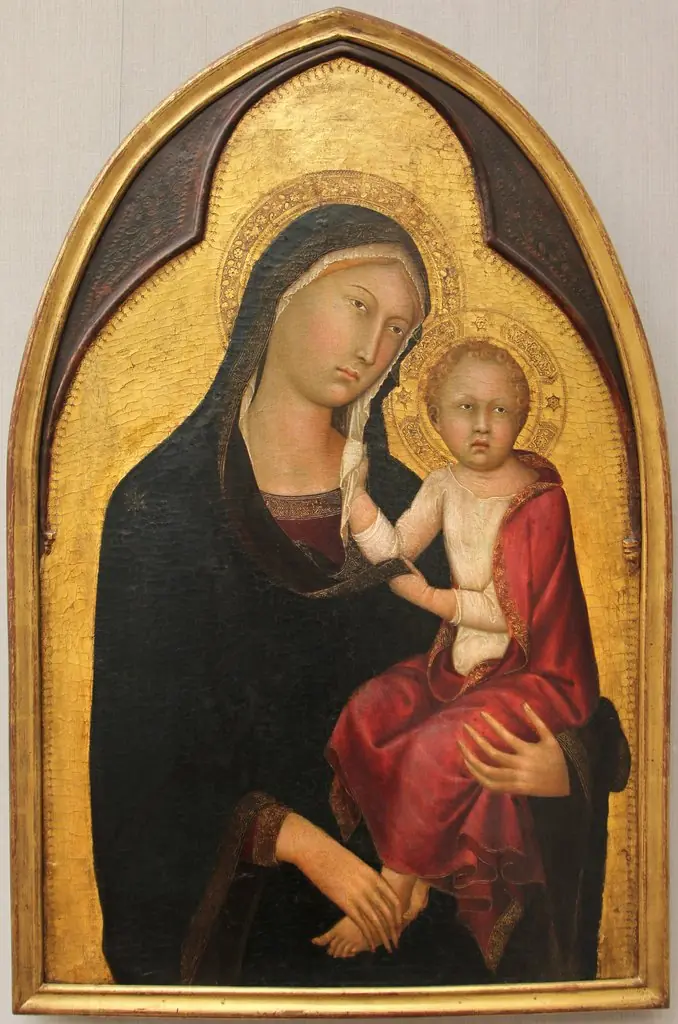
Madonna and Child is a tempera painting by the Byzantine icon painting artist Master of San Martino alla Palma. It dates from 1310 and is held in the collection of the São Paulo Museum of Art. Created around 1310, this tempera panel portrays the Virgin Mary cradling the infant Jesus.
About this work
Overview
Created around 1310, this tempera panel portrays the Virgin Mary cradling the infant Jesus. The figures are set against a uniformly golden backdrop, emphasizing their sacred presence. The composition follows the conventions of early Italian devotional images, presenting a calm, intimate interaction between mother and child.
Subject & Meaning
The work illustrates the theological theme of the Madonna as intercessor, with the child’s upward gaze suggesting both innocence and divine awareness. The gold‑tinged attire and solemn expressions reinforce the painting’s role as an object of veneration, intended to inspire contemplation of the holy bond.
Technique & Style
Executed in egg tempera, the artist achieves fine linear detail and subtle modeling of flesh tones. The drapery is rendered with intricate gold‑thread patterns, while the luminous background is built up in thin, translucent layers, creating a sense of depth characteristic of Byzantine‑influenced Italian art.
History & Provenance
Attributed to the anonymous Master of San Martino alla Palma, a Florentine painter linked to the workshop of Bernardo Daddi, the panel reflects the early 14th‑century transition from Byzantine to Gothic sensibilities. It entered the collection of the São Paulo Museum of Art, where it remains on display as part of the museum’s European medieval holdings.
Artist & collection
Artist
Master of San Martino alla Palma
The Master of San Martino alla Palma (formerly called the Amico di Daddi) was a Florentine painter active during the first third of the fourteenth century.