Artwork
Madonna and Child
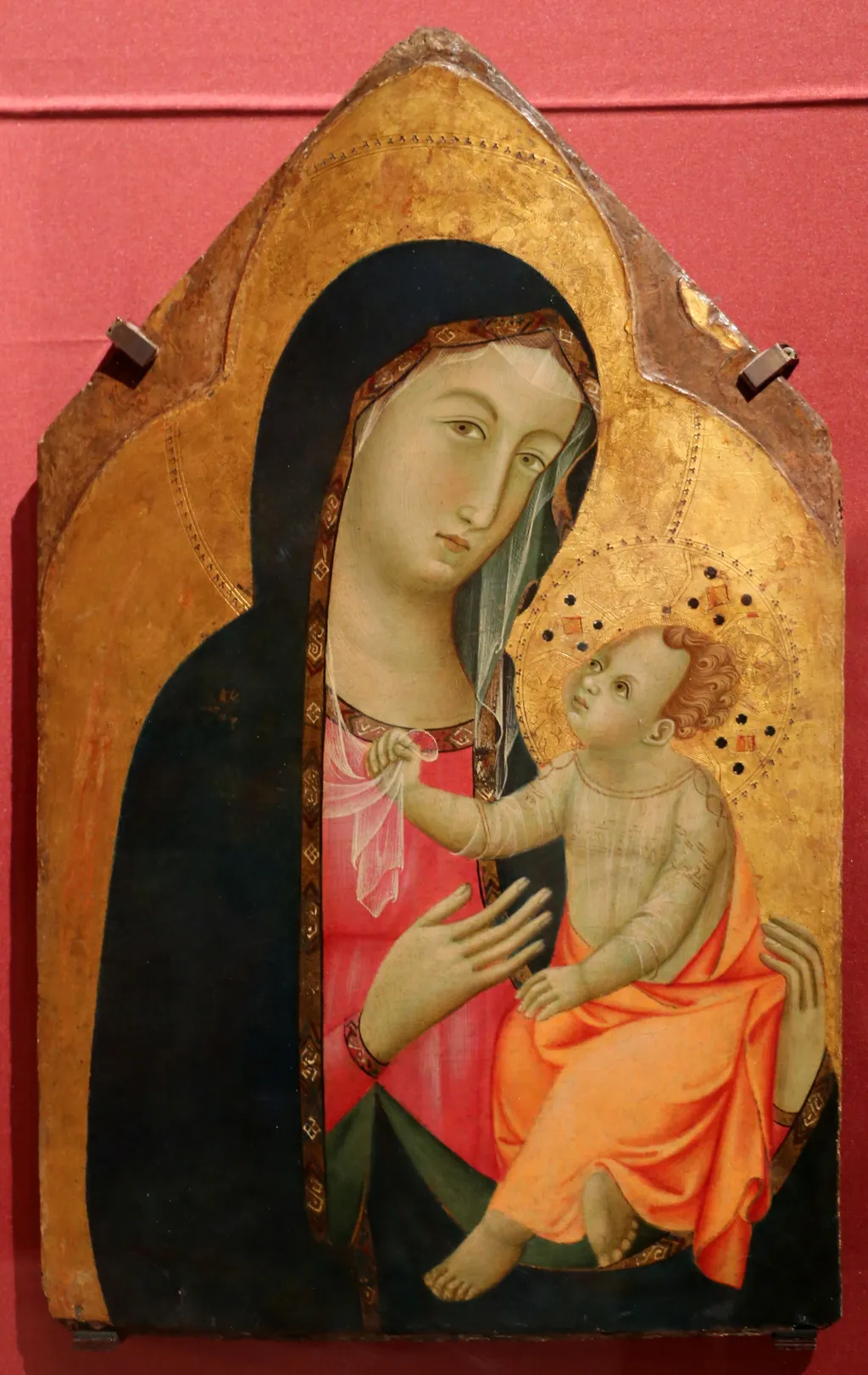
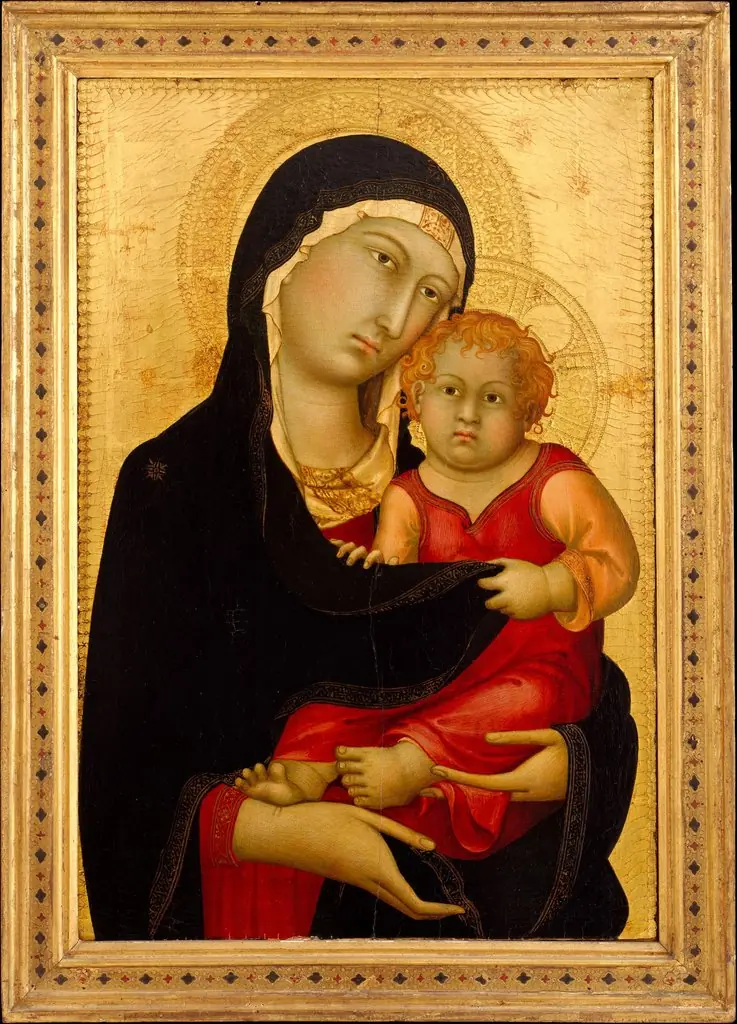
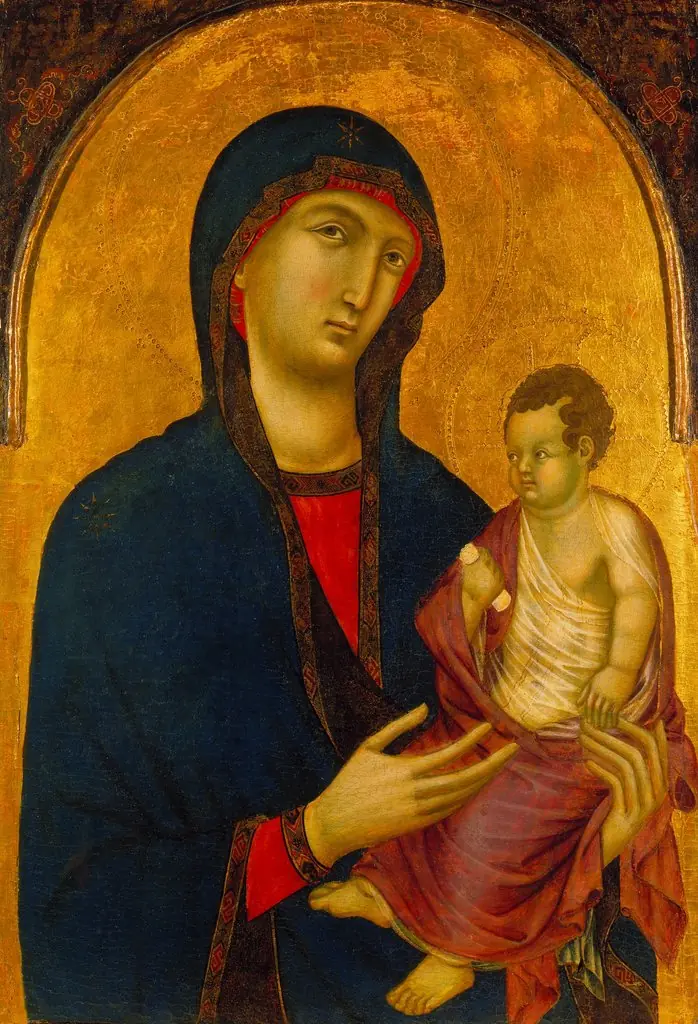
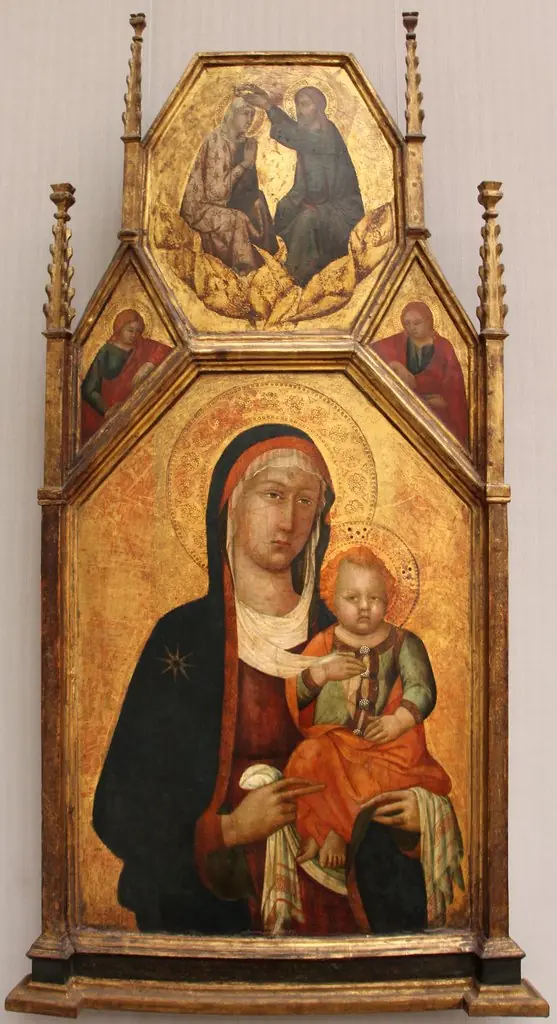
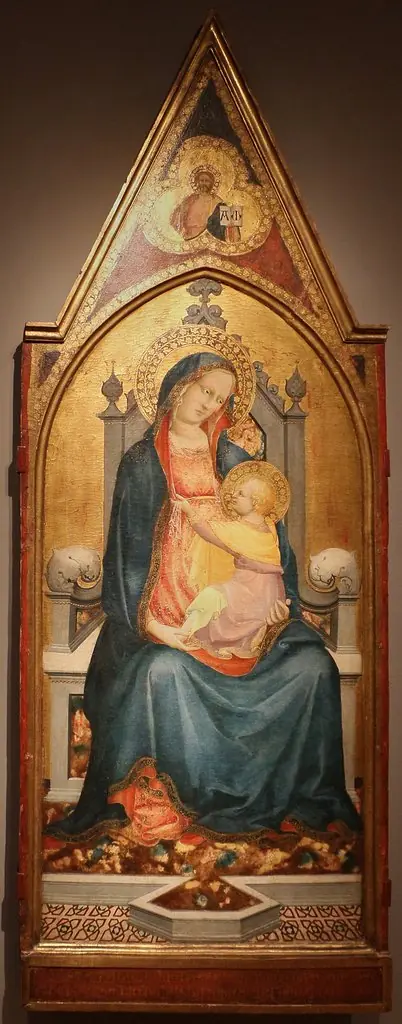
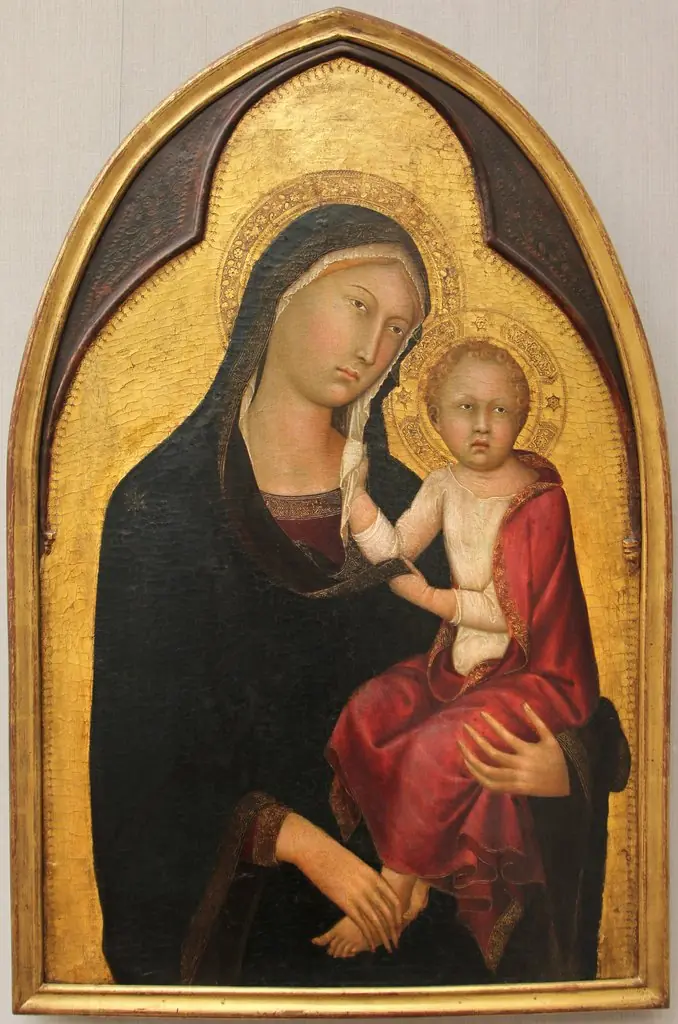
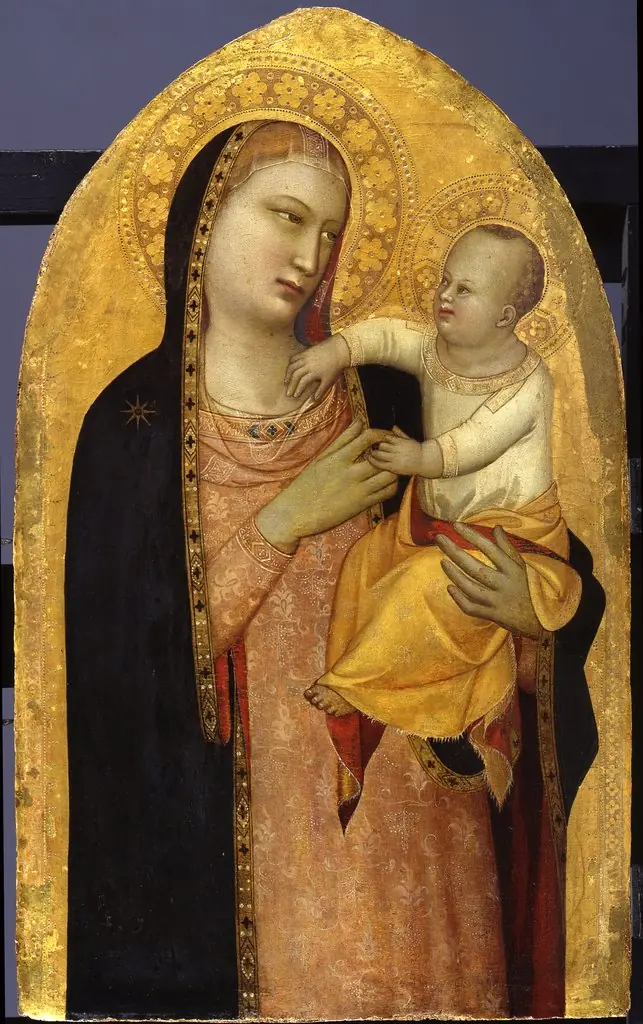
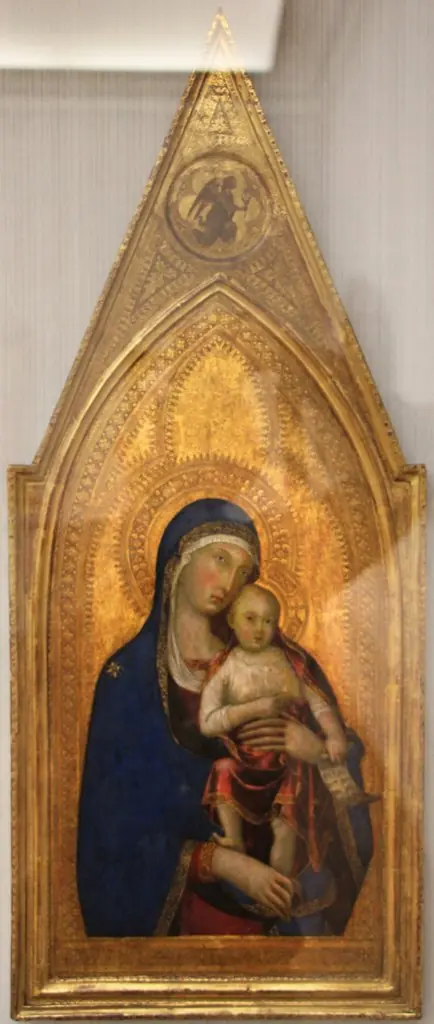
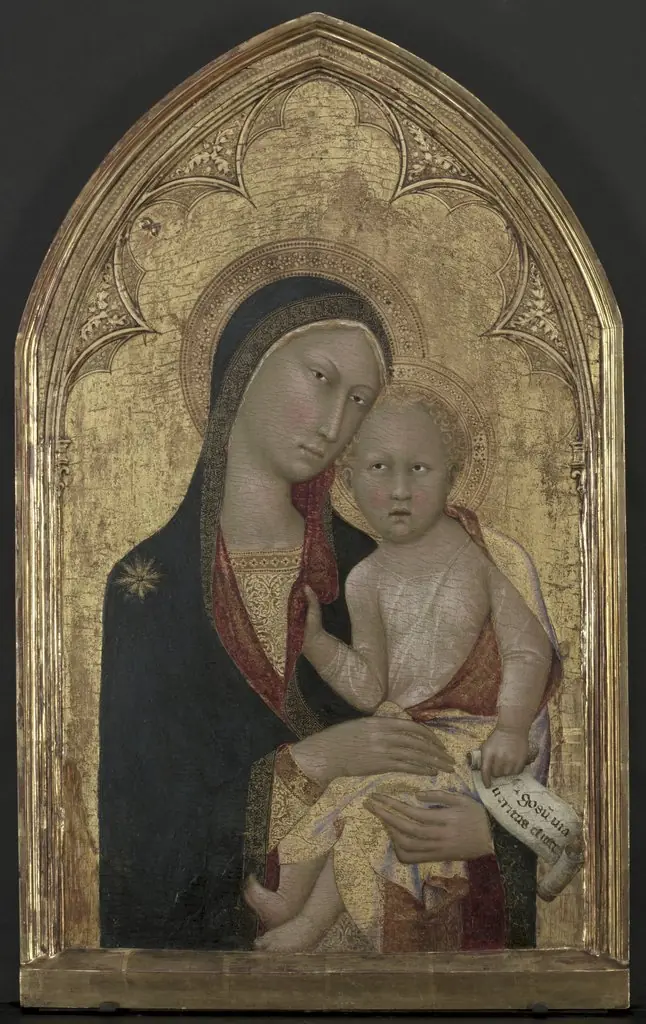
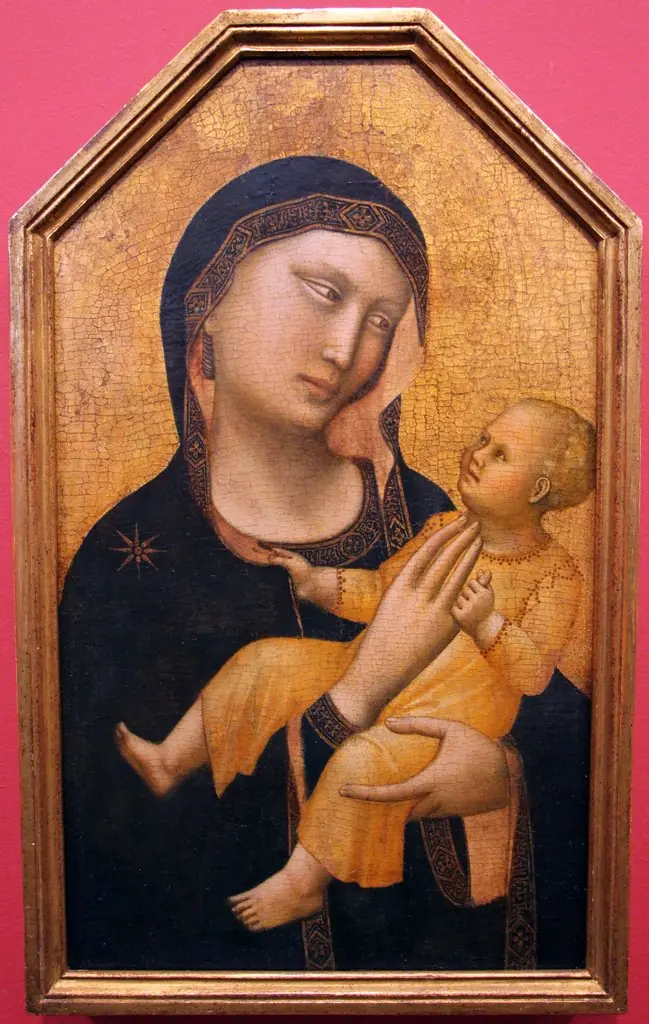
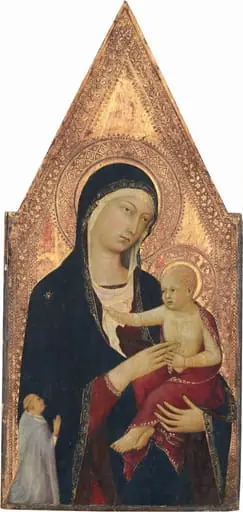
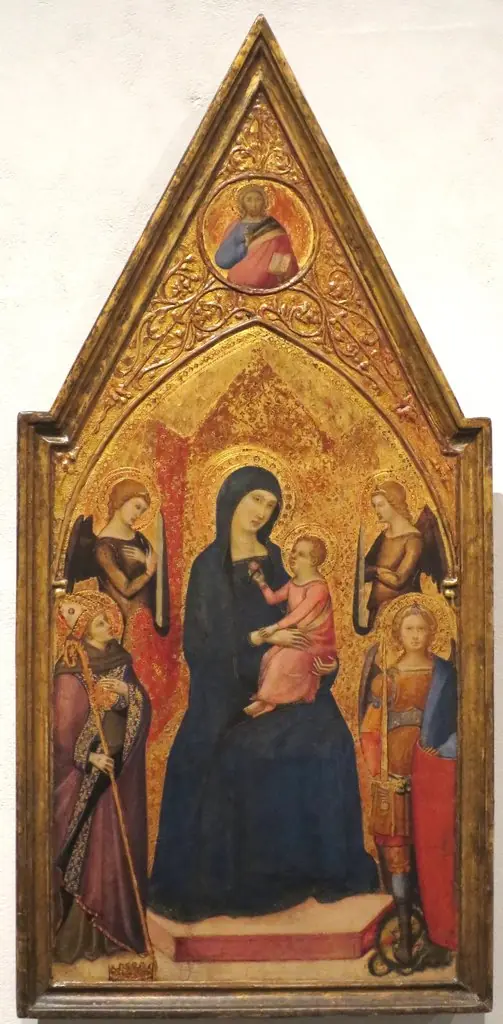
Madonna and Child is a tempera painting by the Byzantine icon painting artist Master of San Torpè. It dates from 1320 and is held in the collection of the Uffizi Gallery.
About this work
Overview
Madonna and Child is a tempera painting created circa 1320 by the Master of San Torpè, an anonymous Tuscan artist active in Pisa during the Gothic period. It is currently part of the Uffizi Gallery's collection.
Subject & Meaning
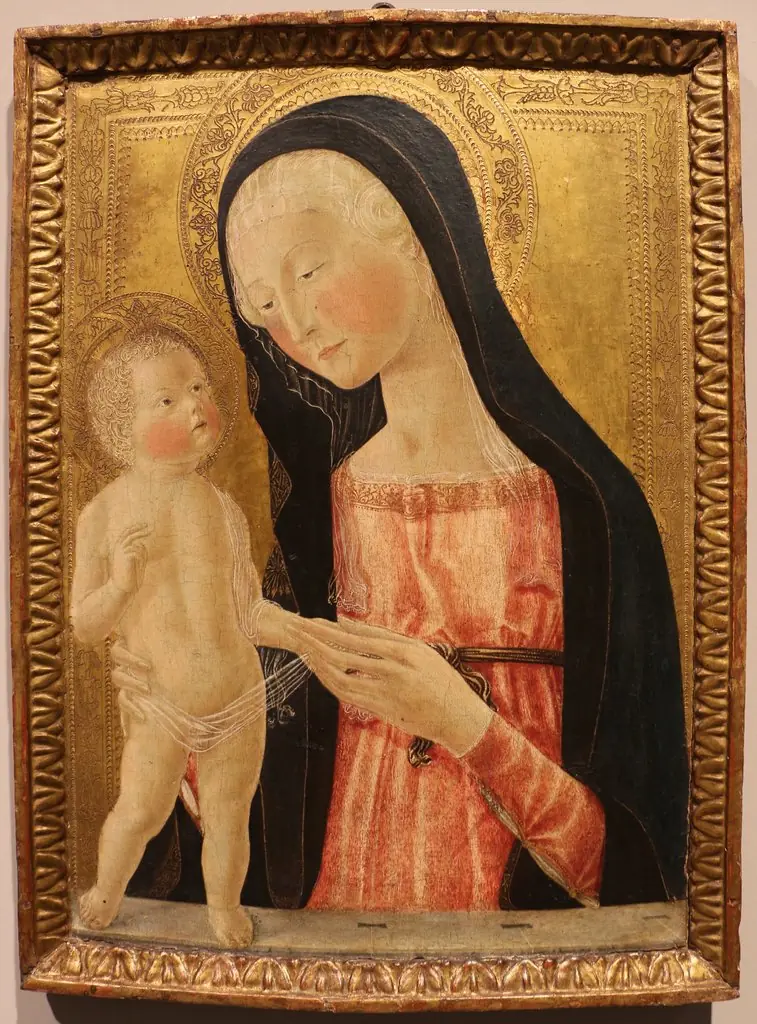
The painting adheres to Byzantine iconographic traditions, depicting the Virgin Mary holding the Christ Child, a ubiquitous religious subject in medieval art, conveying quiet devotion and intimacy.
Technique & Style
Executed in tempera, the work features visible brushstrokes and textured elements. Compositionally, it includes a gold background, halos, and contrasting robes (dark blue over red for the Madonna, orange for the Child), with serene facial expressions.
History & Provenance
Attributed to the Master of San Torpè, the painting's specific history prior to its inclusion in the Uffizi Gallery collection is not detailed in available information.
Context
This work reflects the artistic and religious influences of its time, blending Gothic period activity in Pisa with Byzantine stylistic elements, common in early 14th-century Tuscan art.
Legacy
While specific impact or influence of this Madonna and Child on subsequent art is not highlighted in provided sources, it contributes to the broader understanding of early 14th-century Tuscan painting and Byzantine iconography's reach into Gothic-era Italy.
Artist & collection
Artist
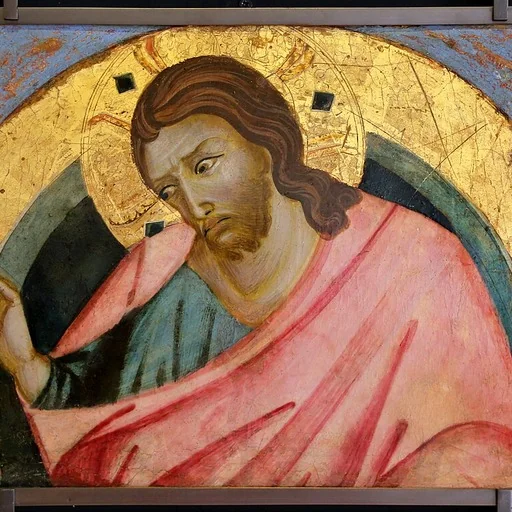
The Master of San Torpè (active c. 1290 – 1325) is an anonymous Tuscan painter, active around Pisa in Gothic style. Works attributed to this painter are found in Uffizi Gallery, Courtauld Gallery (St Julian), and…