Artwork
The Assumption of Mary
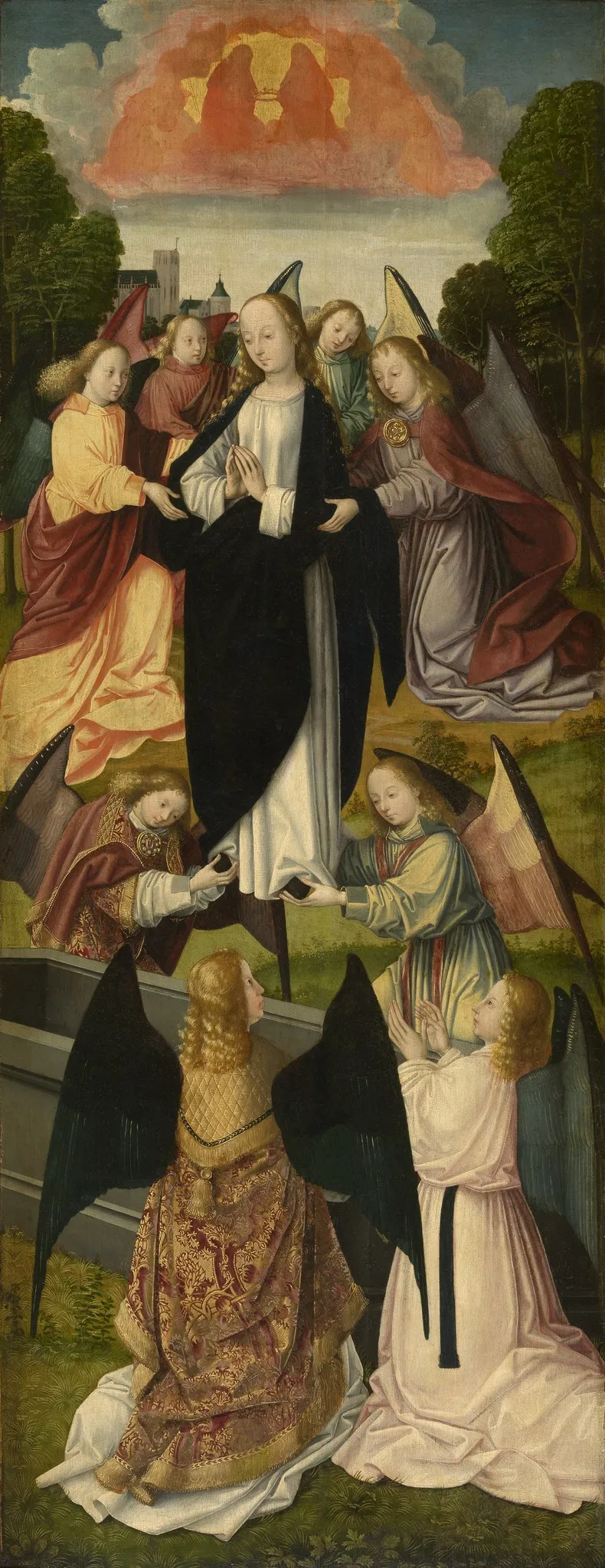
The Assumption of Mary is an oil painting by the Northern Renaissance artist Master of the Amsterdam Death of the Virgin. It dates from 1500 and is held in the collection of the Royal Museum of Fine Arts Antwerp.
About this work
Overview
The Assumption of Mary is a Northern Renaissance oil painting created circa 1500 by the Master of the Amsterdam Death of the Virgin, an anonymous Netherlandish artist. The work depicts the Virgin Mary’s ascent to heaven in a meticulously detailed setting.
Subject & Meaning
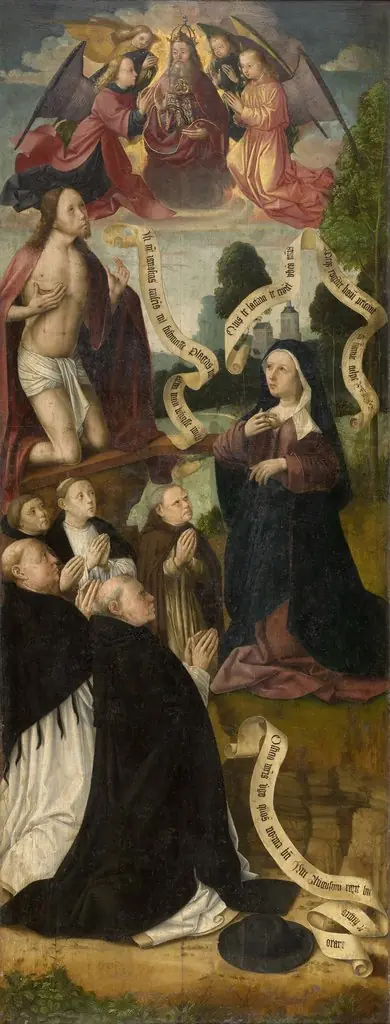
At the painting's center is the Virgin Mary, clad in white and black, surrounded by a retinue of angels. Saint Dominic is identifiable among them, distinguished by his habit and rosary, adding a layer of religious specificity to the biblical scene of Mary’s heavenly assumption.
Technique & Style
The artist’s style is marked by figures with small heads and hands contrasted with bulky, draped torsos, characteristic of early 16th-century Netherlandish painting. The composition leverages vibrant color and dynamic arrangement to convey movement, focusing the viewer’s attention on Mary.
History & Provenance
The painting is part of the Royal Museum of Fine Arts Antwerp’s collection, though specific details of its creation history and ownership prior to its museum acquisition are not provided.
Context
Created during the Northern Renaissance, the piece reflects the period’s attention to detail and symbolic depth. Its depiction of religious themes, particularly the Assumption, resonates with the devout climate of early 16th-century Northern Europe.
Legacy
While the artist remains anonymous, the work contributes to the understanding of Netherlandish painting techniques and religious art of the Northern Renaissance, valued for its detailed craftsmanship and effective composition.
Artist & collection
Artist
Master of the Amsterdam Death of the Virgin
The Master of the Amsterdam Death of the Virgin (sometimes called the Master of the Almshouse of the Seven Electors) (fl.

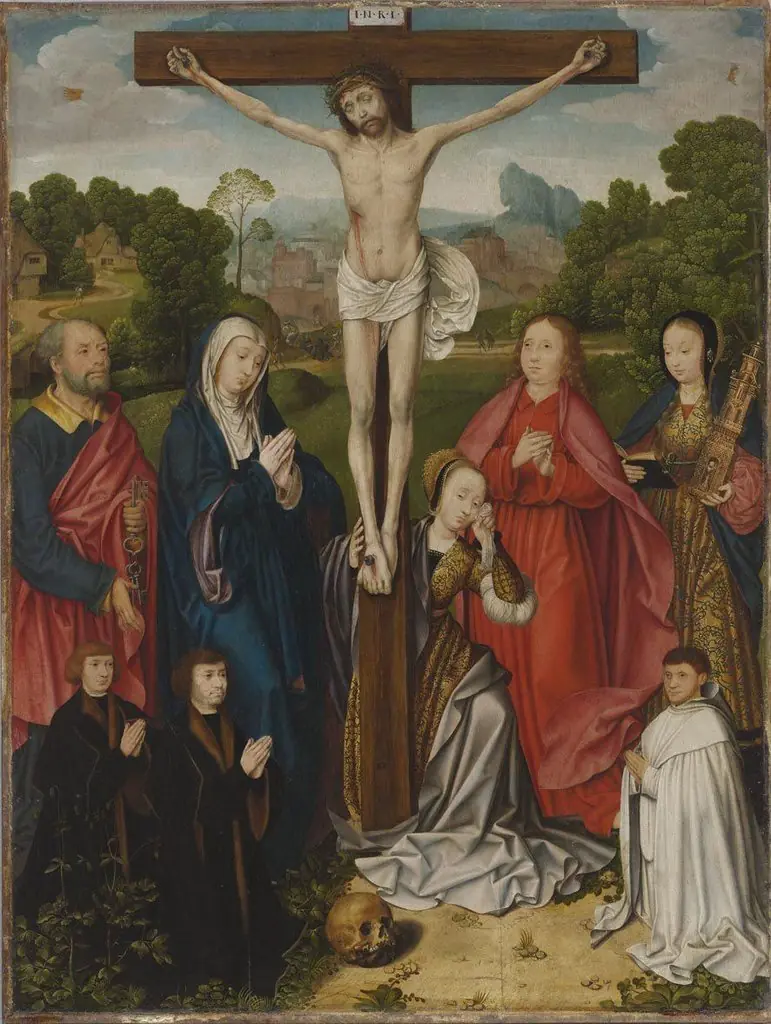 Christ on the cross with the saints Peter, Mary, Mary Magdalene, John the Evangelist and Barbara, with three donors
 Christ's Bath
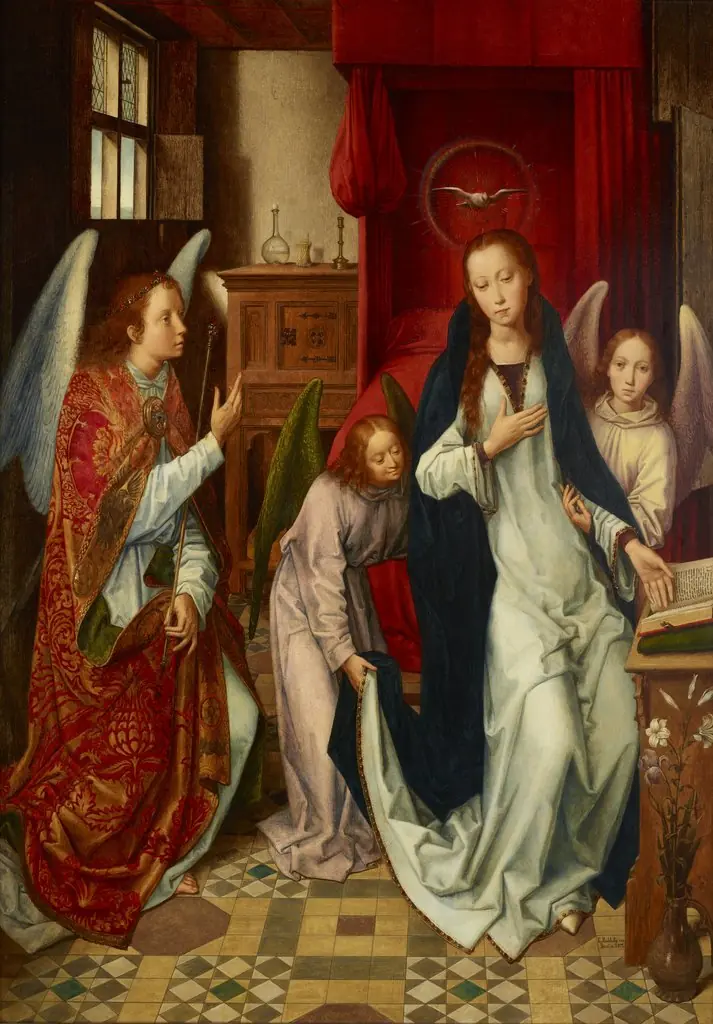
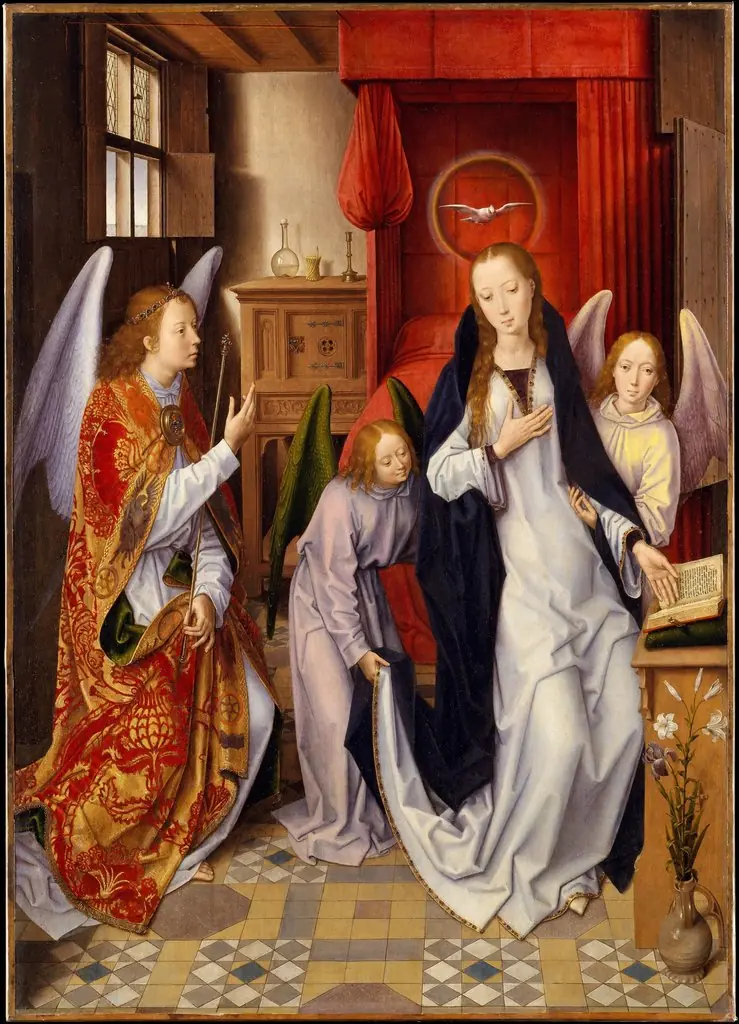 Annunciation
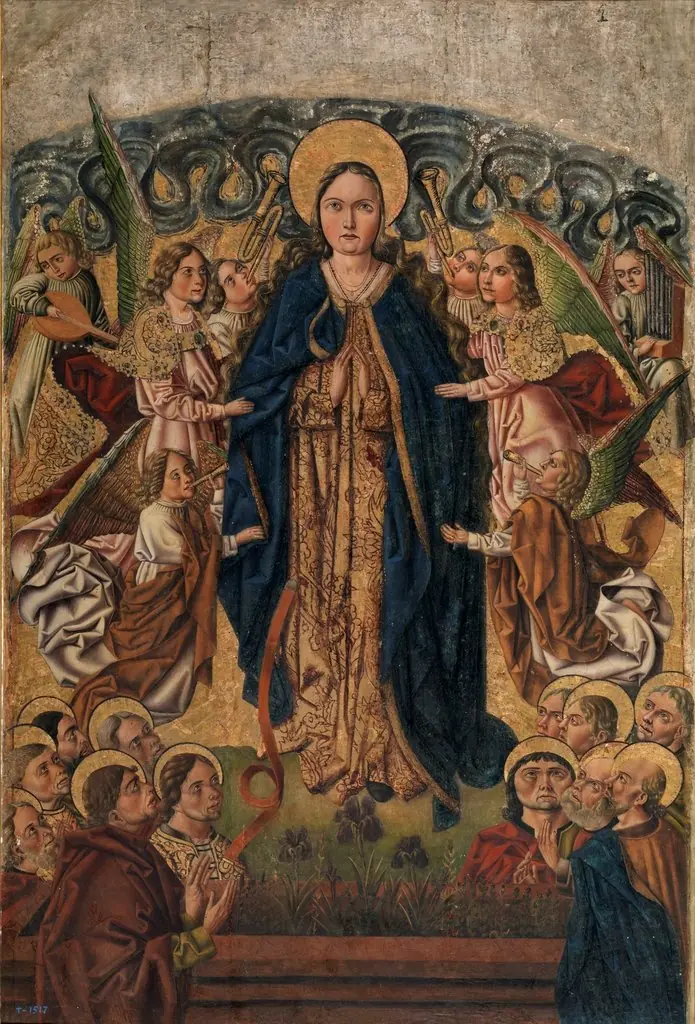 The Assumption of the Virgin
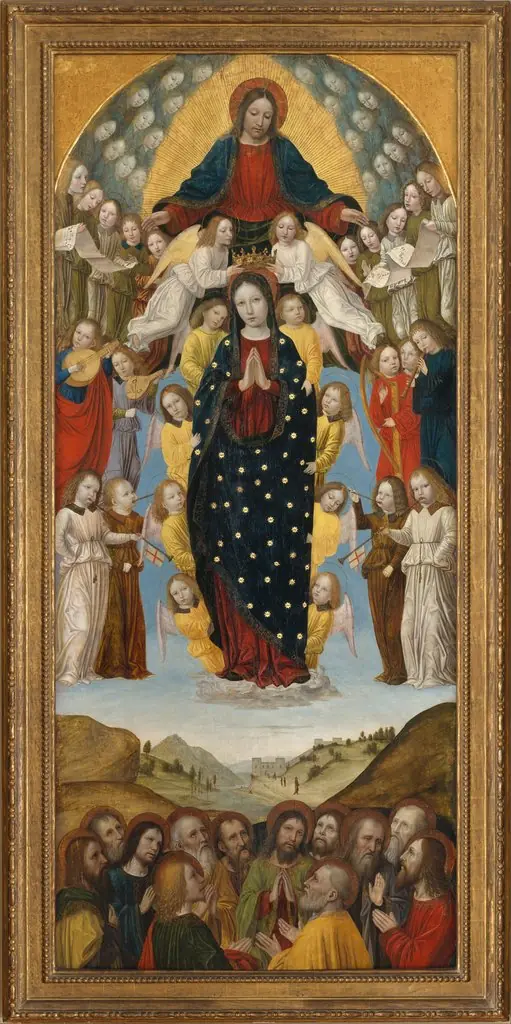 The Assumption of the Virgin
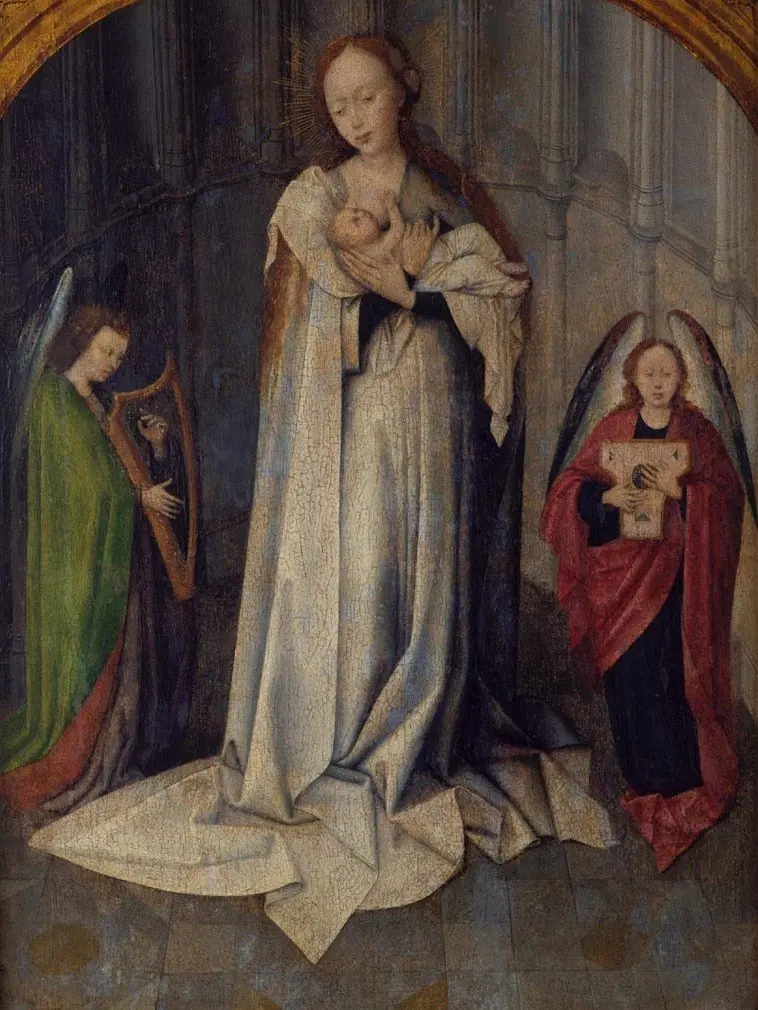 Virgin and Child with Musician Angels
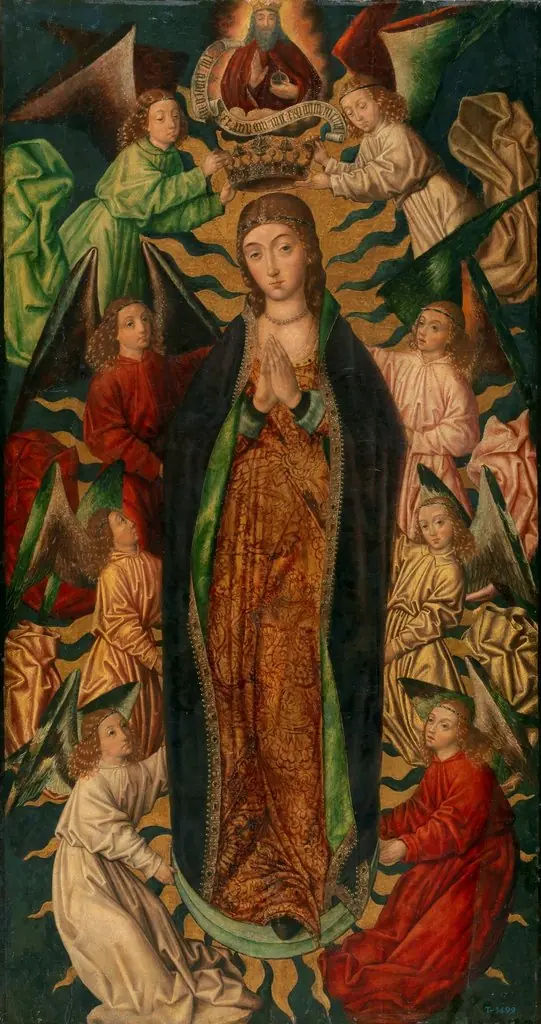 The Assumption and Coronation of the Virgin
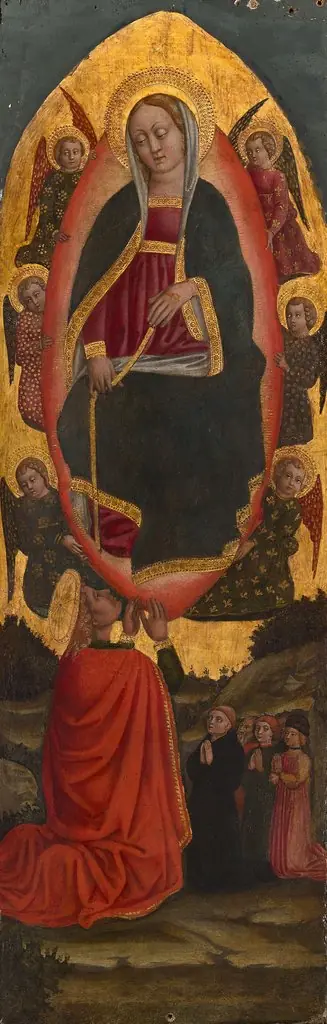 The Assumption of the Virgin with Saints from an Augustinian altarpiece
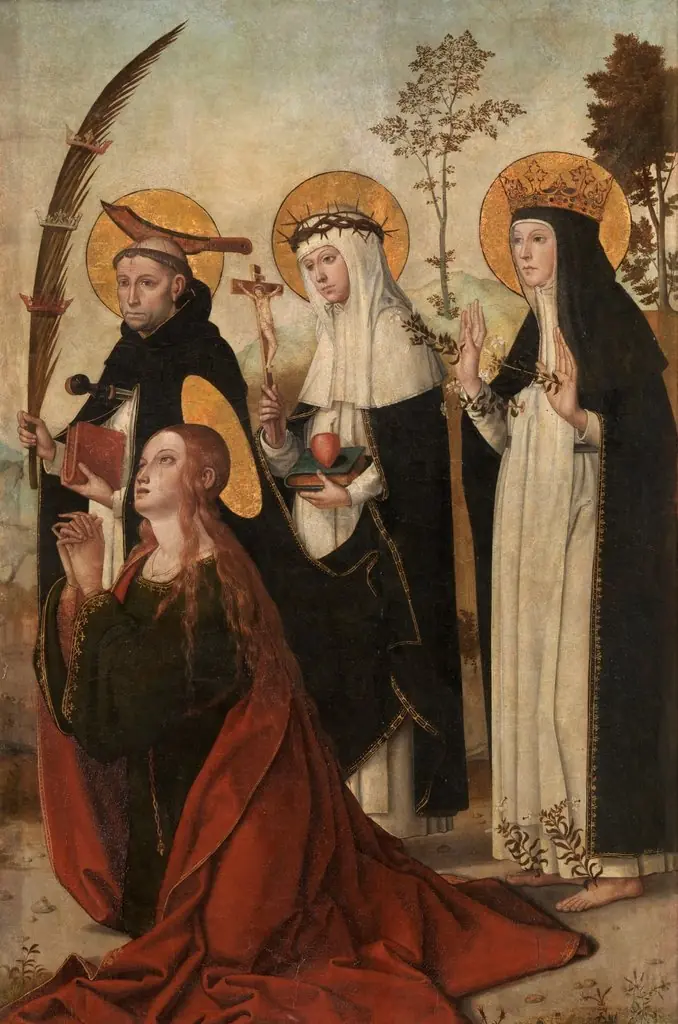 Mary Magdalene Saint Peter of Verona Saint Catharine of Sienna and Blessed Margaret of Hungary