Artwork
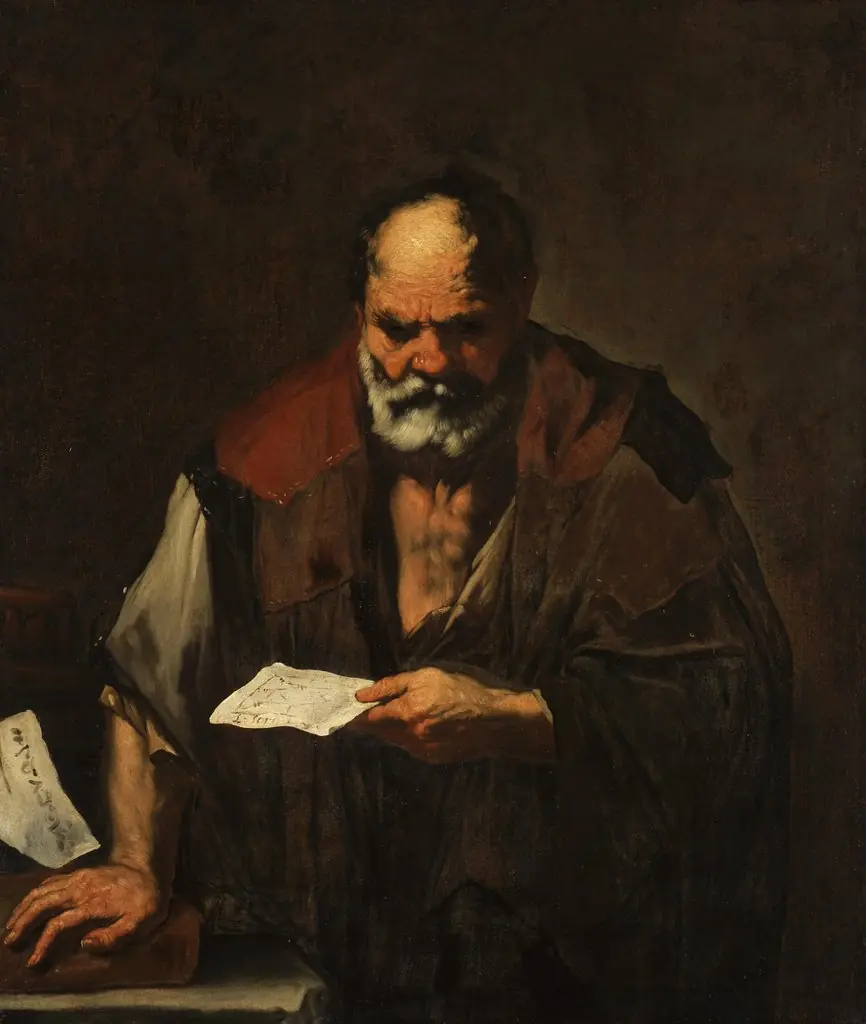
Mathematiker des Altertums (Archimedes)
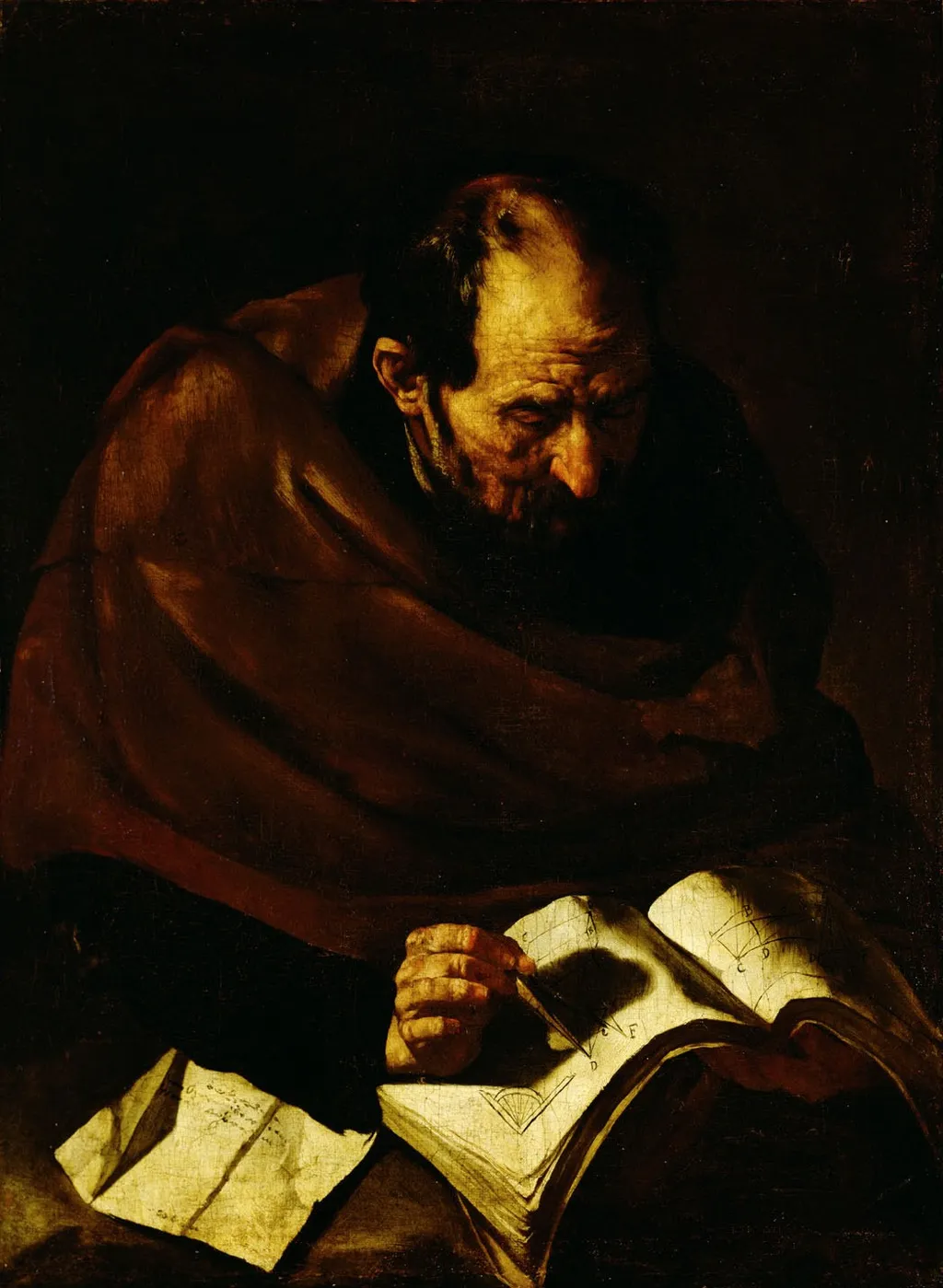
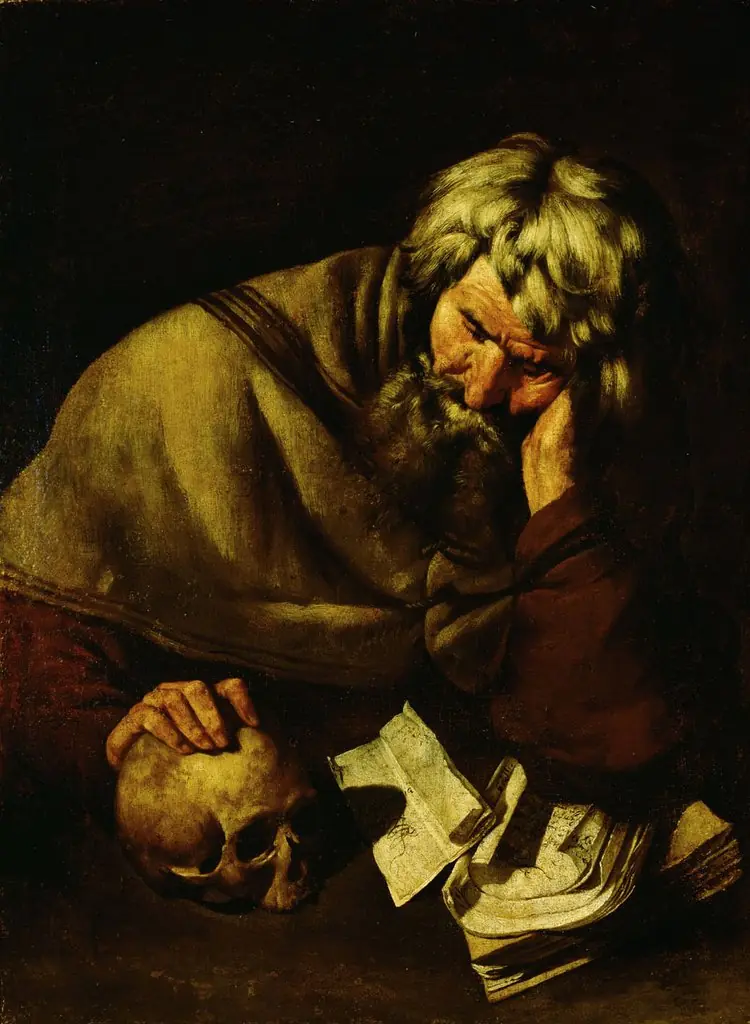
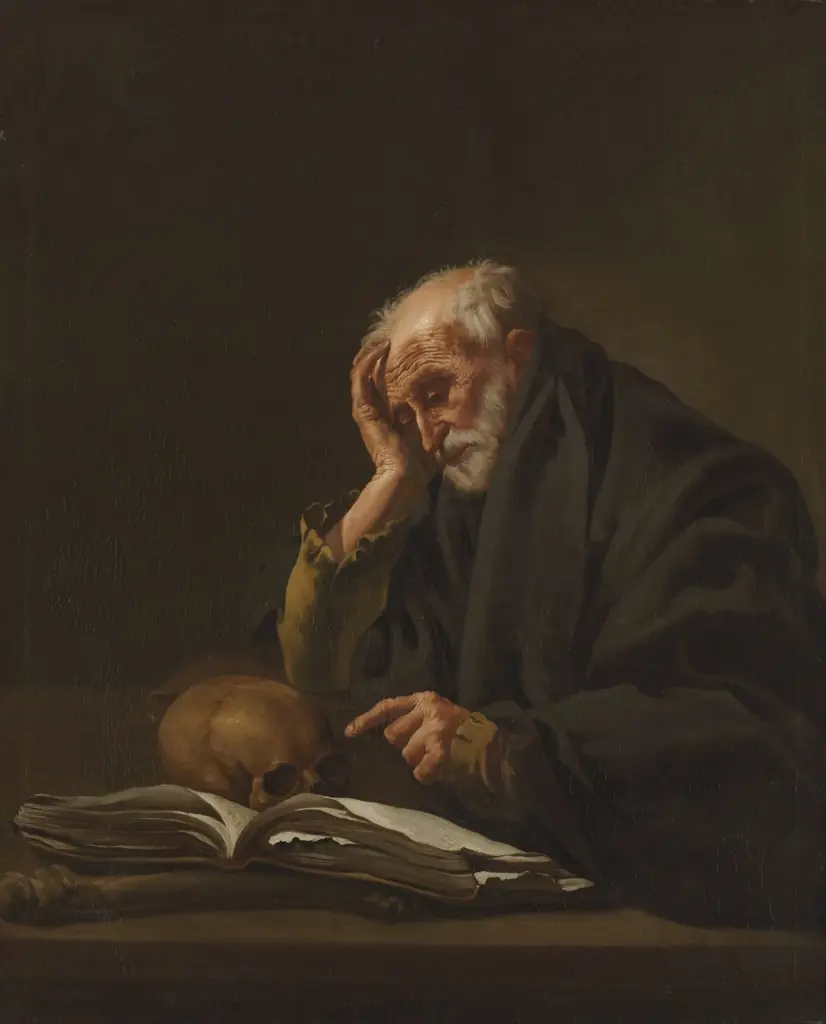
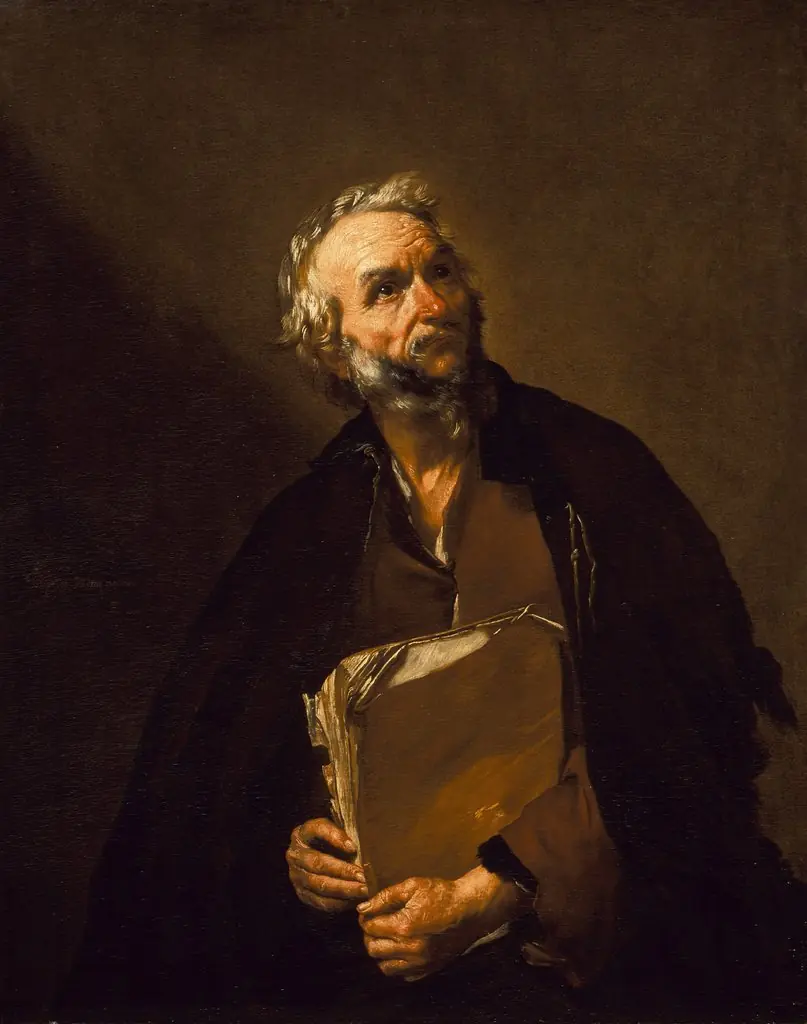
Mathematiker des Altertums (Archimedes) is an unspecified painting by the Early Baroque Italian artist Master of the Annunciation to the Shepherds. It dates from 1640 and is held in the collection of the Kunsthistorisches Museum.
About this work
The painting is titled Mathematiker des Altertums, also known as Archimedes.
It was created by an artist in 1640.
The artist, Master of the Annunciation to the Shepherds, is not well-known for many details, but this work is part of their output.
You can learn more about this artist's style and other works at the museum where this painting is held, the Kunsthistorisches Museum.
Overview
Mathematiker des Altertums (Archimedes) is a 1640 painting by the Master of the Annunciation to the Shepherds, currently housed at the Kunsthistorisches Museum.
Subject & Meaning
The painting depicts Archimedes, a renowned figure from antiquity, highlighting the artist's interest in portraying esteemed historical personalities.
Technique & Style
While specific technical details of this work are not highlighted, the artist's style can be contextualized within their broader oeuvre, accessible through the Kunsthistorisches Museum's collection.
History & Provenance
Created in 1640, the painting's history prior to its current residence at the Kunsthistorisches Museum is not detailed in available information.
Context
The work reflects a 17th-century fascination with ancient scholars, situating it within a broader cultural appreciation for classical knowledge during the Baroque period.
Artist & collection
Artist
Master of the Annunciation to the Shepherds
This anonymous painter made religious scenes in 17th-century Spain. Two works here show Christ at age twelve in the Temple: *Christ Disputing with the Doctors* and another scene from 1640. Their style mixes sharp folds…