Artwork
Euclid
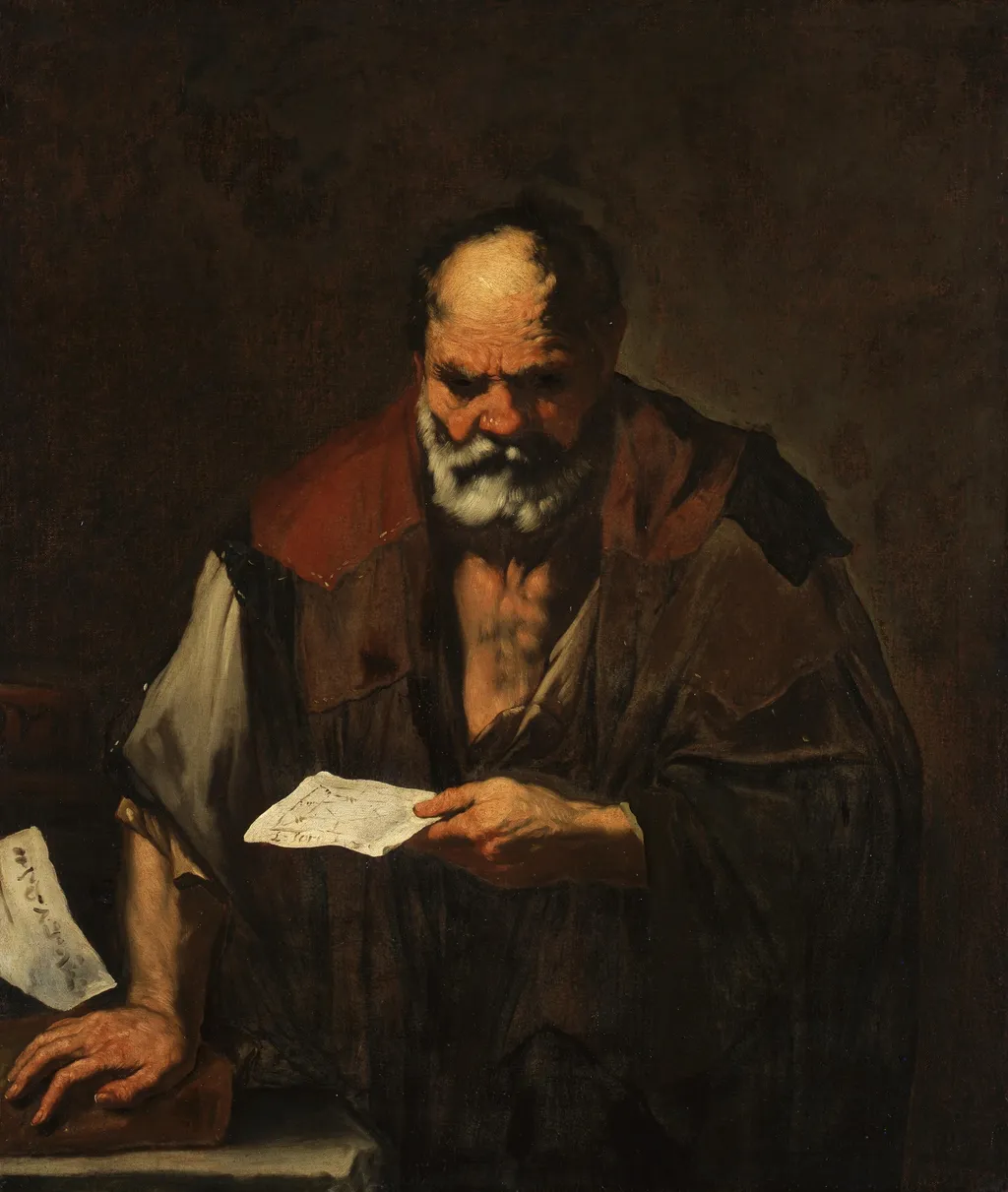
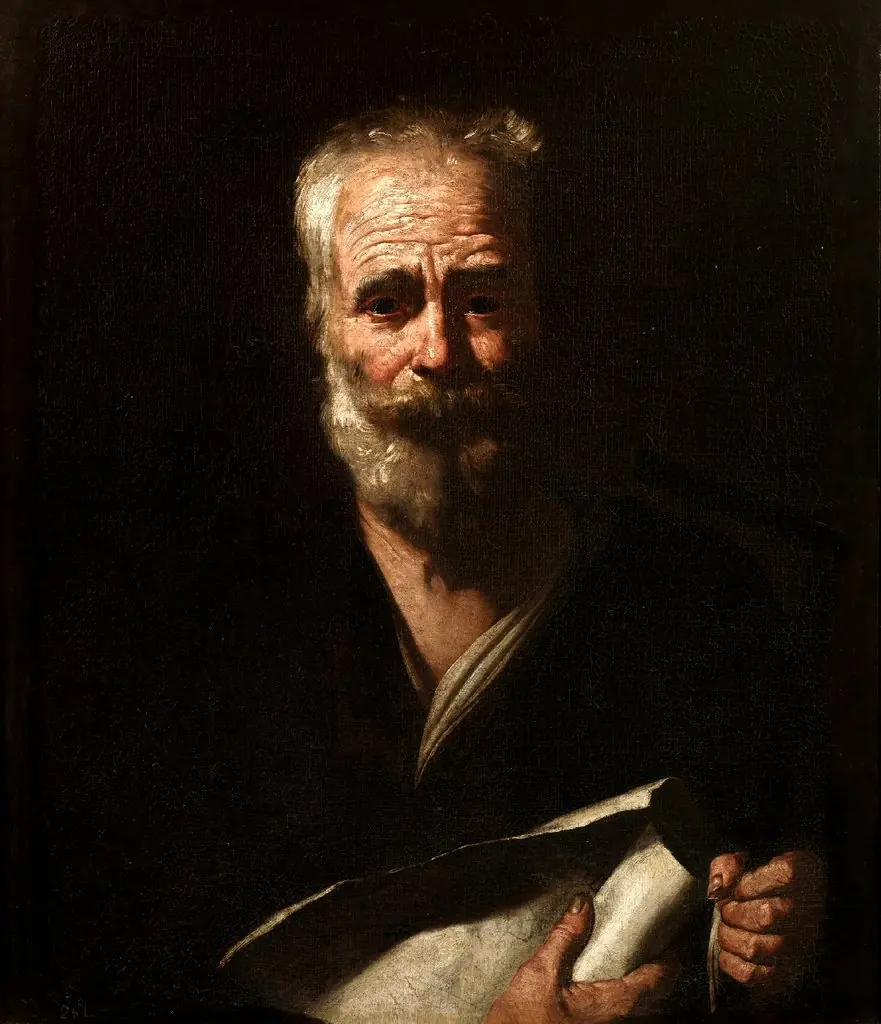
Euclid is a paint painting by the Early Baroque Italian artist Luca Giordano. It dates from 1651 and is held in the collection of the Gemäldegalerie Berlin.
About this work
Overview
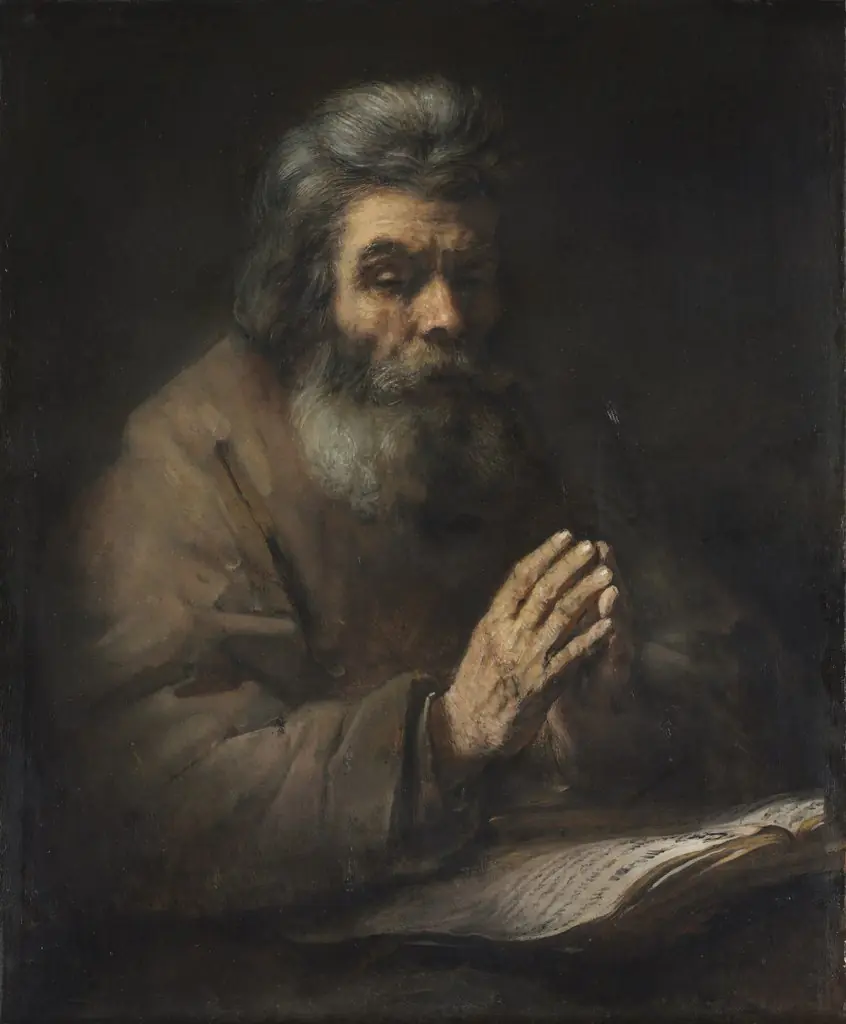
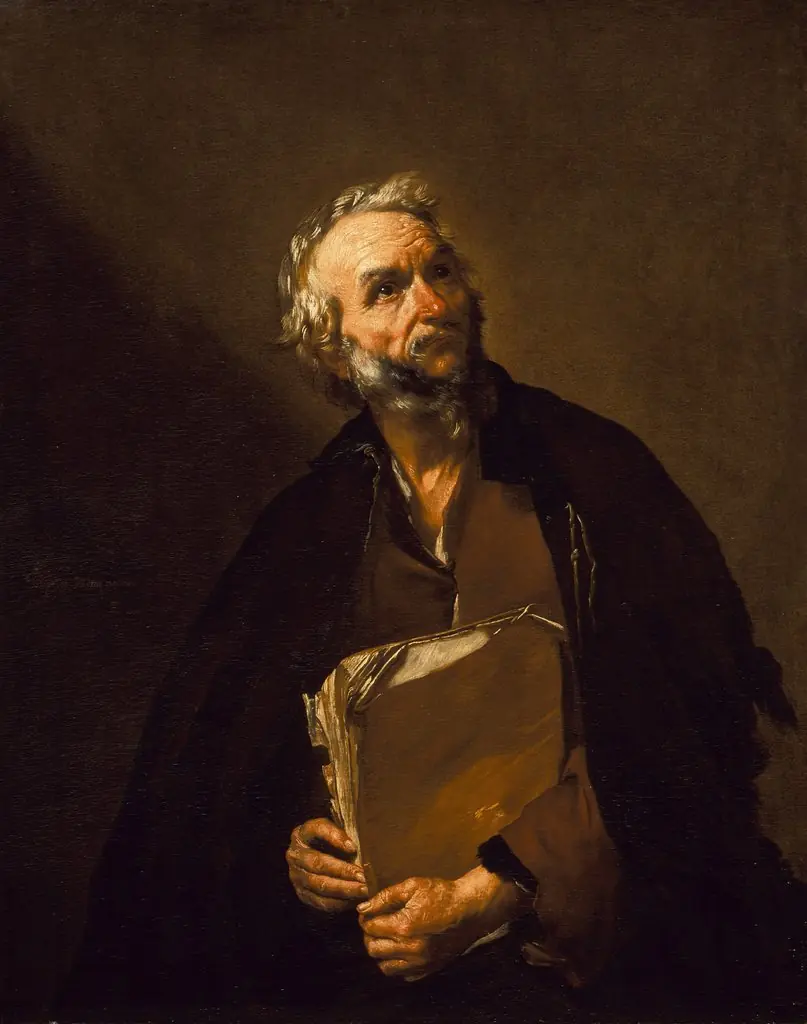
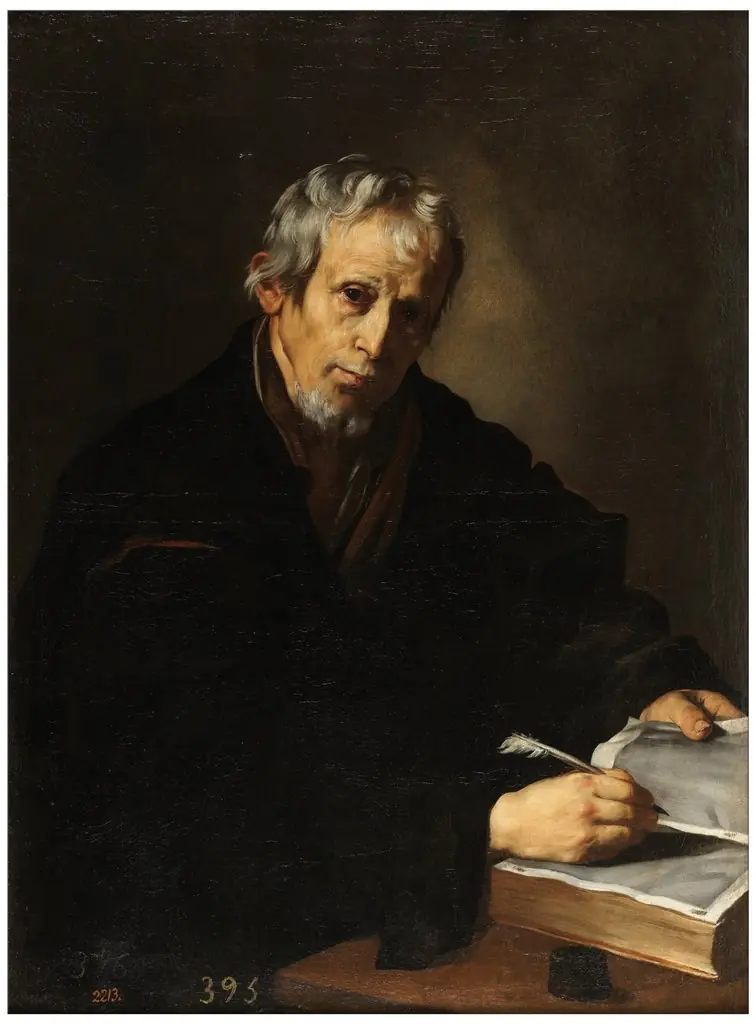
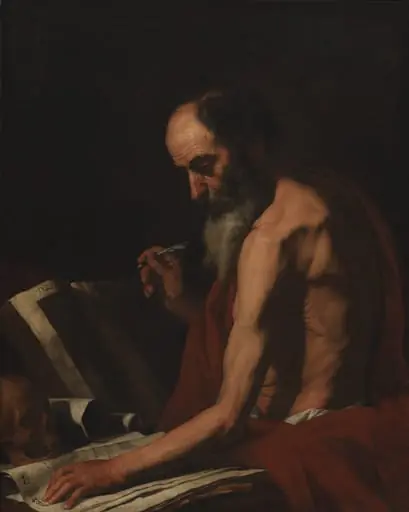
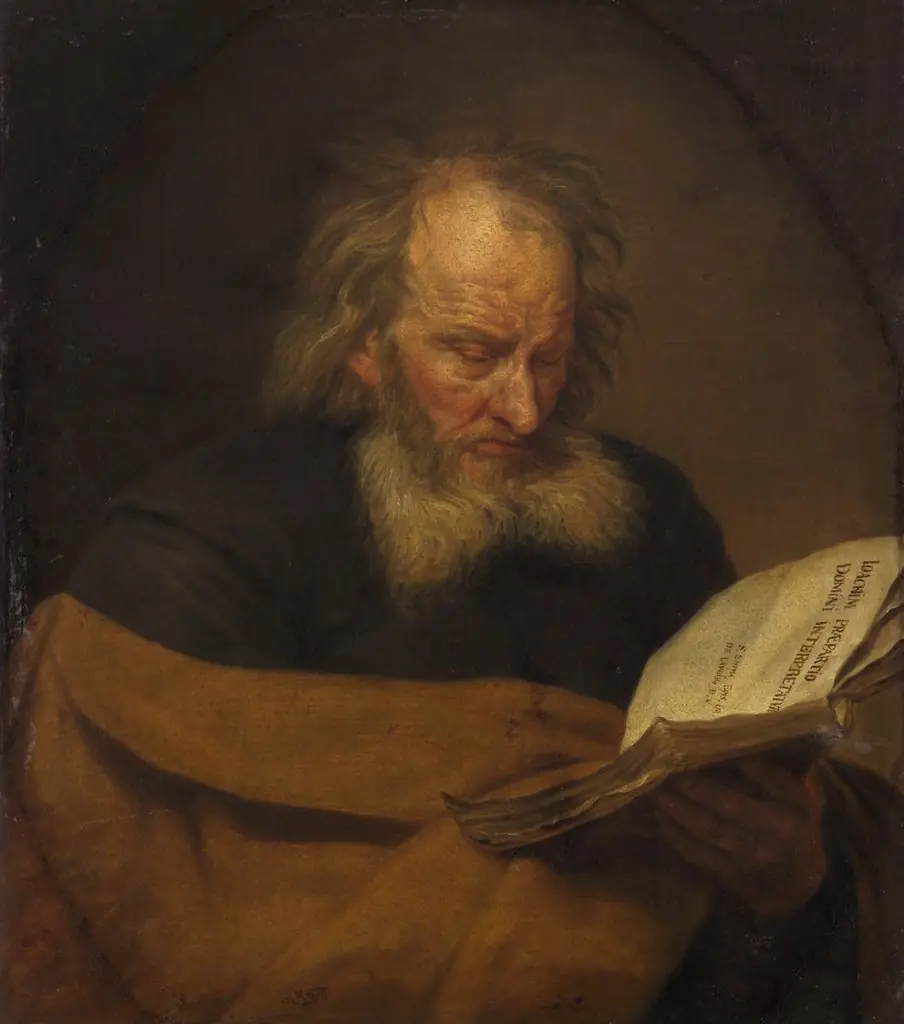
Painted in 1651 by Luca Giordano, this portrait depicts a scholarly figure identified as Euclid. Executed in oil on canvas, the work is part of the Gemäldegalerie Berlin’s collection. The composition centers on a solitary man in contemplative pose, rendered with restrained elegance against a deep, unbroken background that heightens the focus on the figure and his intellectual activity.
Subject & Meaning
The painting evokes the Renaissance ideal of the philosopher-scientist, honoring intellectual pursuit through quiet concentration rather than dramatic gesture.
The figure is traditionally understood to represent Euclid, the ancient Greek mathematician, though no definitive historical link exists. His serious expression and the presence of written documents suggest a moment of scholarly reflection. The painting evokes the Renaissance ideal of the philosopher-scientist, honoring intellectual pursuit through quiet concentration rather than dramatic gesture.
Technique & Style
Giordano employs a chiaroscuro approach, using strong contrasts between light and shadow to model the figure’s face and robe. The dark background isolates the subject, while the textured brushwork in the fabric and beard adds tactile realism. The papers on the desk are rendered with precise, delicate strokes, emphasizing their role as instruments of knowledge.
History & Provenance
The painting was completed during Giordano’s early career in Naples, a period marked by his engagement with Caravaggisti and Venetian colorism. It entered the Gemäldegalerie Berlin’s holdings in the 19th century, likely through acquisition from a private collection. Its attribution to Giordano has remained consistent since its cataloging in museum records.
Context
In mid-17th century Italy, depictions of ancient scholars were popular among patrons seeking to align themselves with classical learning. Giordano’s portrayal reflects this trend, blending naturalism with symbolic gravity. The work aligns with broader European interests in reviving and venerating the intellectual heritage of antiquity during the Baroque era.
Legacy
Though not among Giordano’s most widely known works, this painting exemplifies his early mastery of psychological portraiture and his ability to convey intellectual presence through subtle gesture and lighting. It remains a quiet testament to the enduring cultural reverence for ancient science in early modern European art.
Own this work as a print
Artist & collection

Artist
Luca Giordano was an Italian late-Baroque painter and printmaker in etching. Giordano was one of the most celebrated artists of the Neapolitan Baroque, whose vast output included altarpieces, mythological paintings and…