Artwork
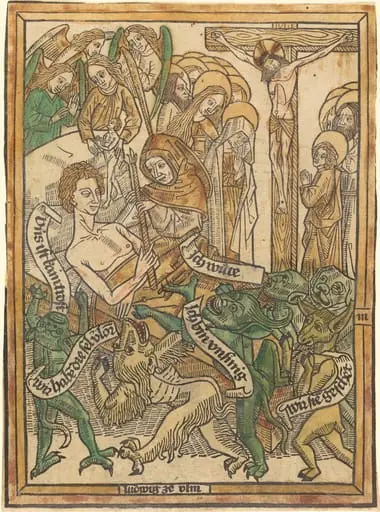
The Martyrdom of St. Erasmus
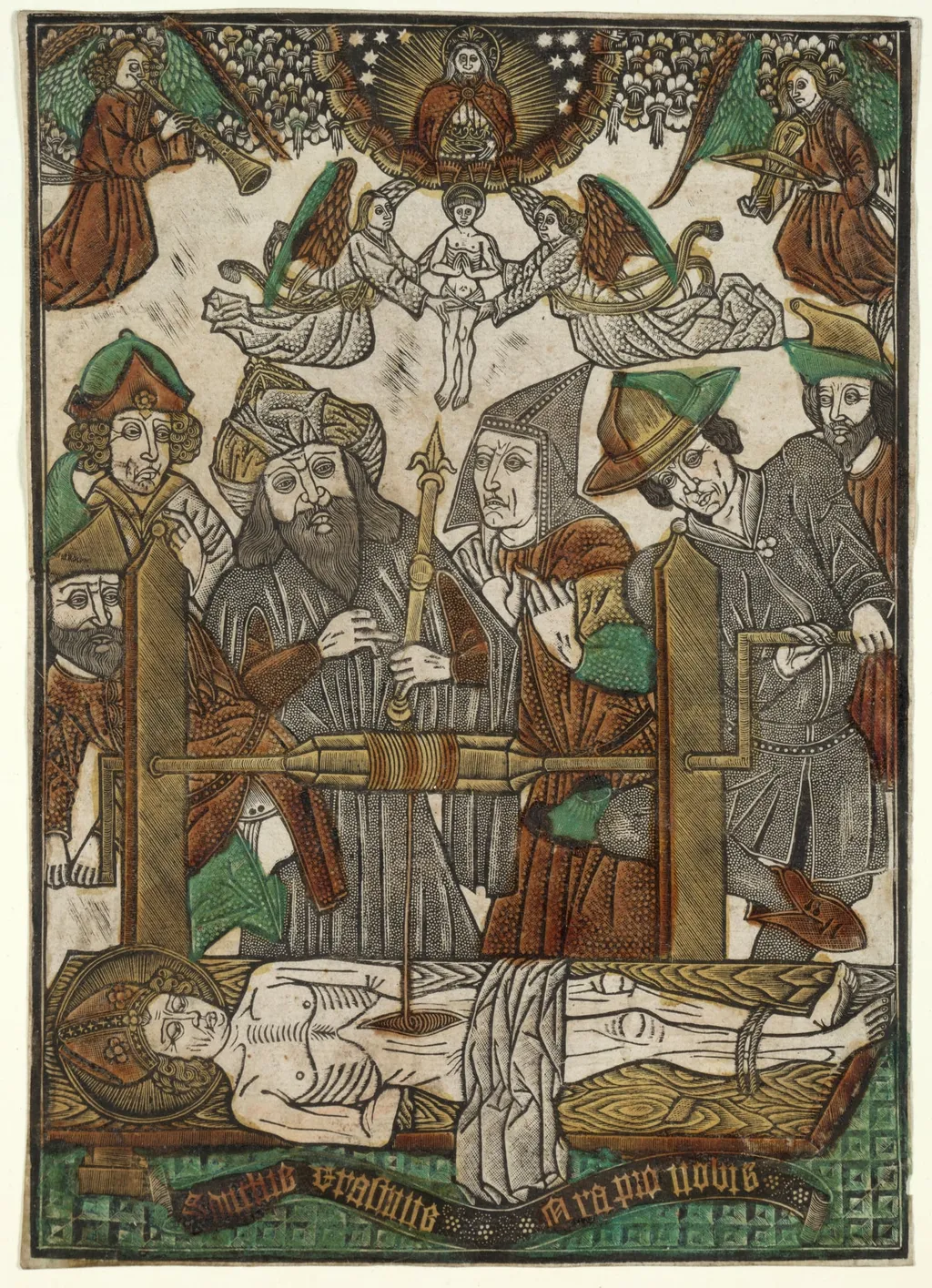
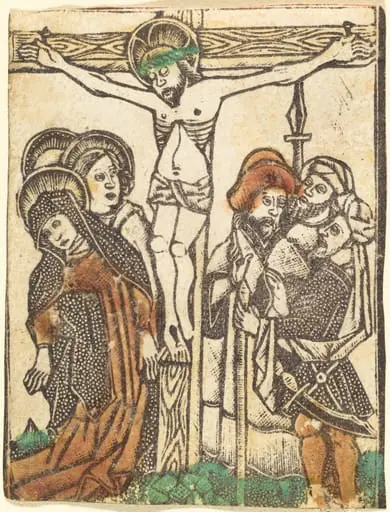
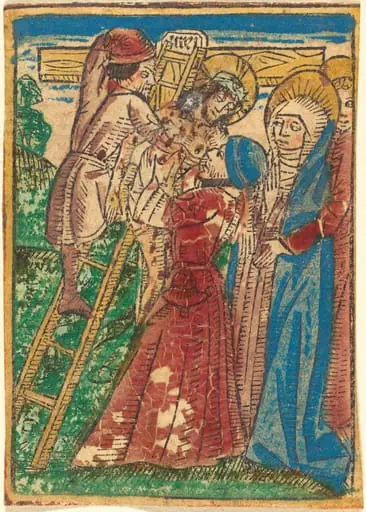
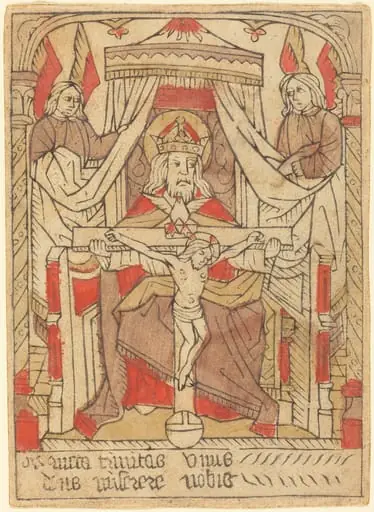
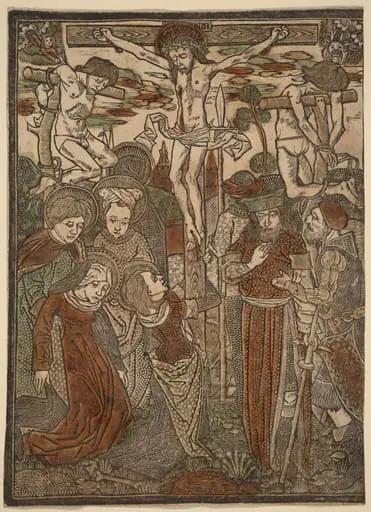
The Martyrdom of St. Erasmus is a print by the Renaissance artist Master of the Bergwolken. It dates from 1480 and is held in the collection of the Cleveland Museum of Art.
About this work
Overview
Created around 1480 by the artist known as the Master of the Bergwolken, this print depicts the martyrdom of Saint Erasmus, an early Christian bishop.
Created around 1480 by the artist known as the Master of the Bergwolken, this print depicts the martyrdom of Saint Erasmus, an early Christian bishop. It is part of the collection at The Cleveland Museum of Art. The composition combines graphic intensity with intricate detail, characteristic of late medieval Northern European devotional imagery. The scene is rendered in bold lines and vivid pigments, emphasizing its narrative urgency and spiritual gravity.
Subject & Meaning
The image illustrates the legendary torture of Saint Erasmus, who was said to have been disemboweled by a windlass, a device shown as a long rod piercing his body. His naked form lies on a table as onlookers—likely Roman officials or bystanders—observe in solemn silence. Above, angels hover with flowers and instruments, symbolizing divine witness and the soul’s ascension. The scene merges physical suffering with heavenly affirmation, reinforcing themes of faith under persecution.
Technique & Style
The artist employed sharp, precise engraving lines to define forms and textures, typical of woodcut or intaglio techniques of the period. Bright, flat colors enhance the emotional clarity of the scene, while minute details—facial expressions, symbolic emblems, and ornamental patterns—invite close viewing. The composition is tightly packed, avoiding spatial depth in favor of symbolic density, a hallmark of late medieval narrative art.
History & Provenance
The print was likely produced in the Rhineland or southern Netherlands during the late 15th century, a time when devotional imagery circulated widely among clergy and lay devotees. It entered the Cleveland Museum of Art’s collection in the 20th century, following a trajectory common to many Northern European religious prints that survived through private and ecclesiastical holdings. Its survival reflects its continued use in private meditation or liturgical instruction.
Context
This work emerged during a period when the veneration of saints was central to Christian piety, especially in regions where printed images helped spread religious narratives to non-literate audiences. The emphasis on martyrdom aligned with broader devotional trends that sought to inspire endurance through the example of holy suffering. Similar scenes appear in altarpieces and illustrated manuscripts from the same region and era.
Legacy
Though the artist’s identity remains obscure, the print exemplifies the expressive potential of Northern European printmaking before the full rise of the Renaissance. Its influence can be traced in later religious prints that combined graphic force with theological symbolism. The work remains a key example of how visual culture sustained spiritual devotion in the decades preceding the Reformation.
Artist & collection