Artwork
Initial L
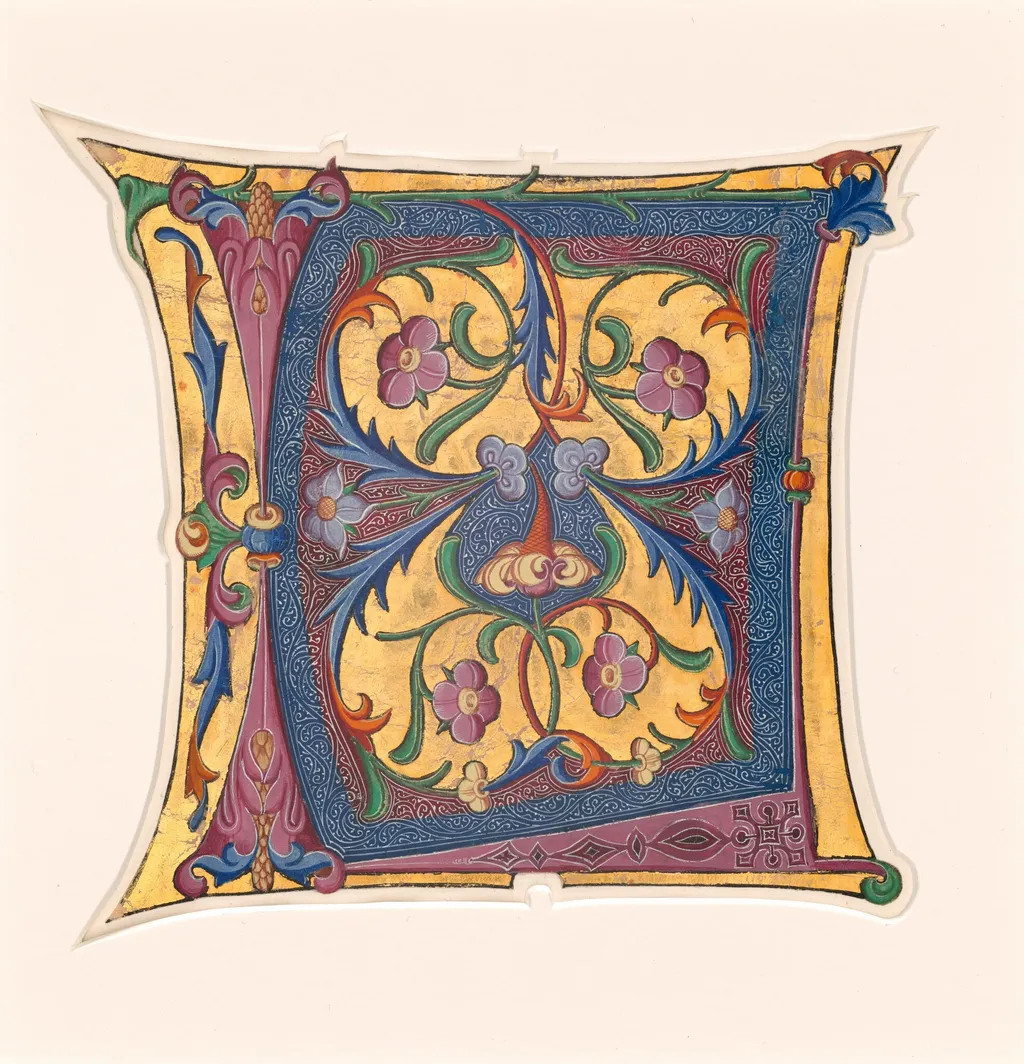
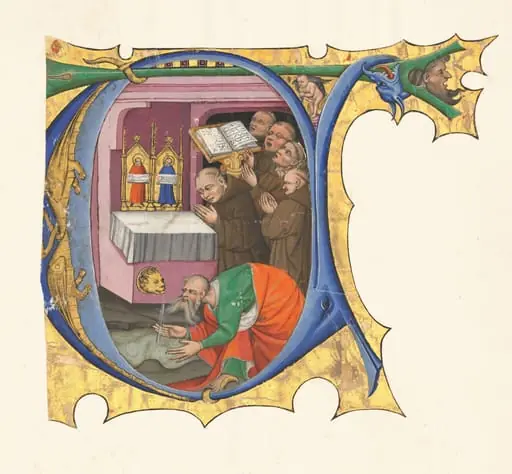
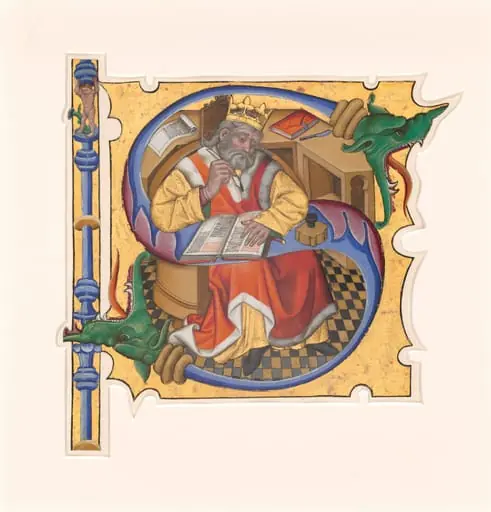
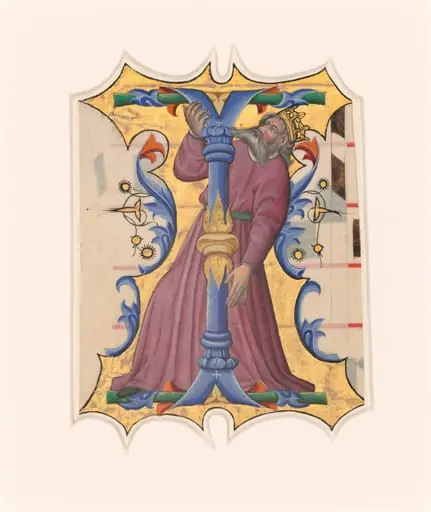
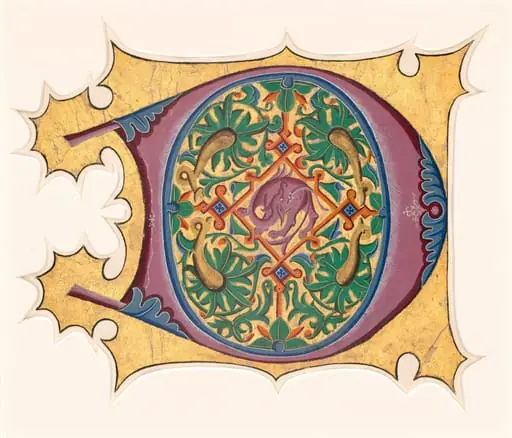
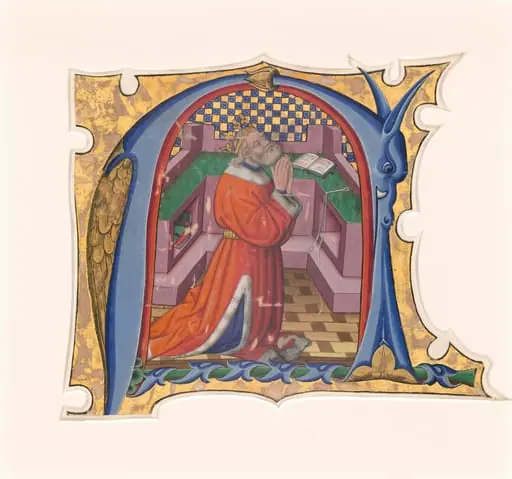
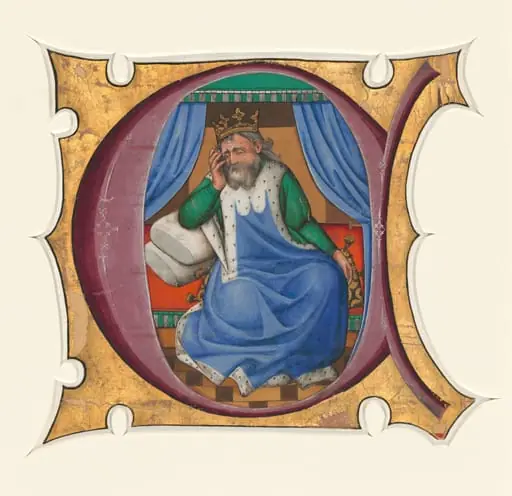
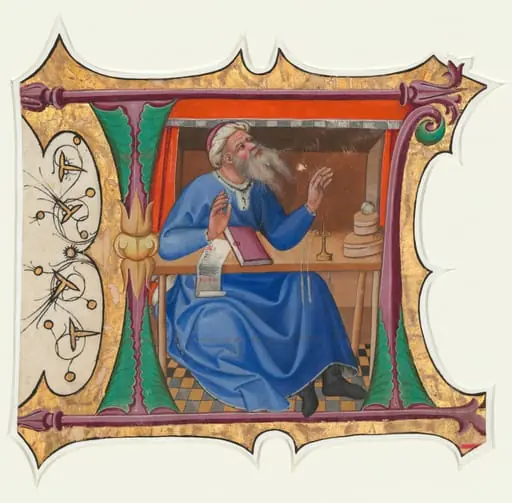
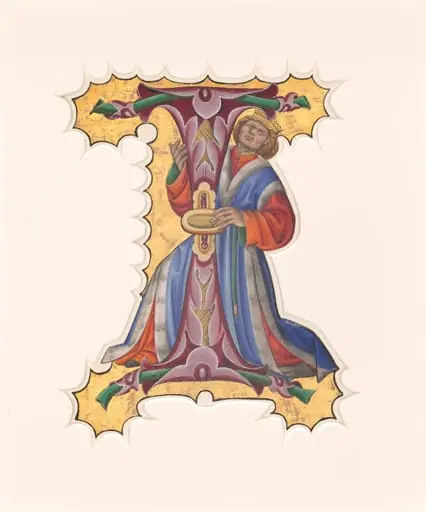
Initial L is a drawing by the Renaissance artist Master of the Cypresses. It dates from 1434 and is held in the collection of the National Gallery of Art.
About this work
Overview
It was produced by an anonymous artist later identified by scholars as the Master of the Cypresses, active in Seville between 1420 and 1440.
Created circa 1434, the Initial L is a small illuminated letter on vellum, part of a choirbook commissioned for Seville Cathedral. It was produced by an anonymous artist later identified by scholars as the Master of the Cypresses, active in Seville between 1420 and 1440. This work exemplifies the refined craftsmanship of late medieval Spanish manuscript illumination, blending regional traditions with broader European artistic currents.
Subject & Meaning
The initial L likely introduces a liturgical text used in cathedral services, its function both practical and devotional. Though the figural content is not described, such initials often depicted biblical or saintly scenes to aid contemplation during chant. The presence of stylized trees in the background, a hallmark of the artist’s style, may symbolize sacred groves or eternal life, reinforcing the spiritual tone of the liturgy.
Technique & Style
Executed in tempera and gold leaf on vellum, the miniature demonstrates meticulous hand-painting typical of high-status liturgical manuscripts. The artist’s distinctive use of slender, pointed trees—reminiscent of cypresses—appears only in historiated initials. The figures show a sensitivity to volume and gesture influenced by Giotto, while the delicate modeling and attention to texture reflect early Netherlandish techniques adapted to a Spanish context.
History & Provenance
The Initial L was made for Seville Cathedral’s choirbooks, likely during a period of renewed ecclesiastical patronage in the early 15th century. Its survival suggests it was carefully preserved within the cathedral’s library. The artist’s identity remains unknown, but the consistent stylistic traits across surviving initials allowed scholars to assign them to a single hand, later named the Master of the Cypresses based on his signature motif.
Context
In early 15th-century Seville, manuscript illumination flourished under cathedral patronage, even as panel painting gained prominence. The Master of the Cypresses operated at the intersection of local tradition and international styles, absorbing Italian compositional clarity and Netherlandish detail without direct travel. His work reflects Seville’s role as a cultural crossroads, where Christian, Islamic, and European artistic ideas converged in sacred art.
Legacy
The Master of the Cypresses left a small but distinctive corpus, all confined to Seville Cathedral’s choirbooks. His style, though localized, offers insight into how southern Spanish artists engaged with broader European trends without adopting them wholesale. The initials remain key evidence of the sophistication of late medieval Spanish illumination, preserving a quiet but vital chapter in the history of book art.
Artist & collection

Artist
The Master of the Cypresses is a notname invented by the art historian Diego Angulo Íñiguez in 1928 for a painter and manuscript illuminator working in Seville around the years 1420–1440.