Artwork
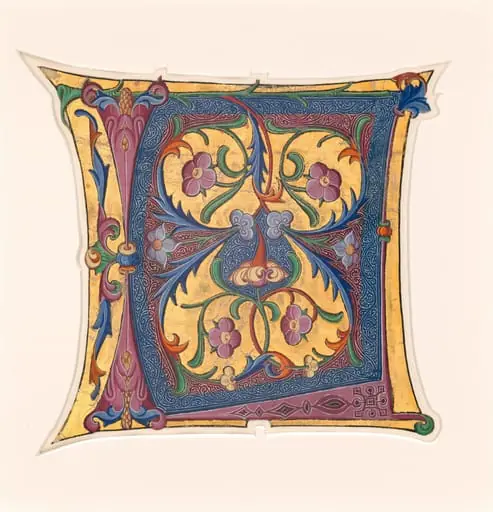
Initial U (?)
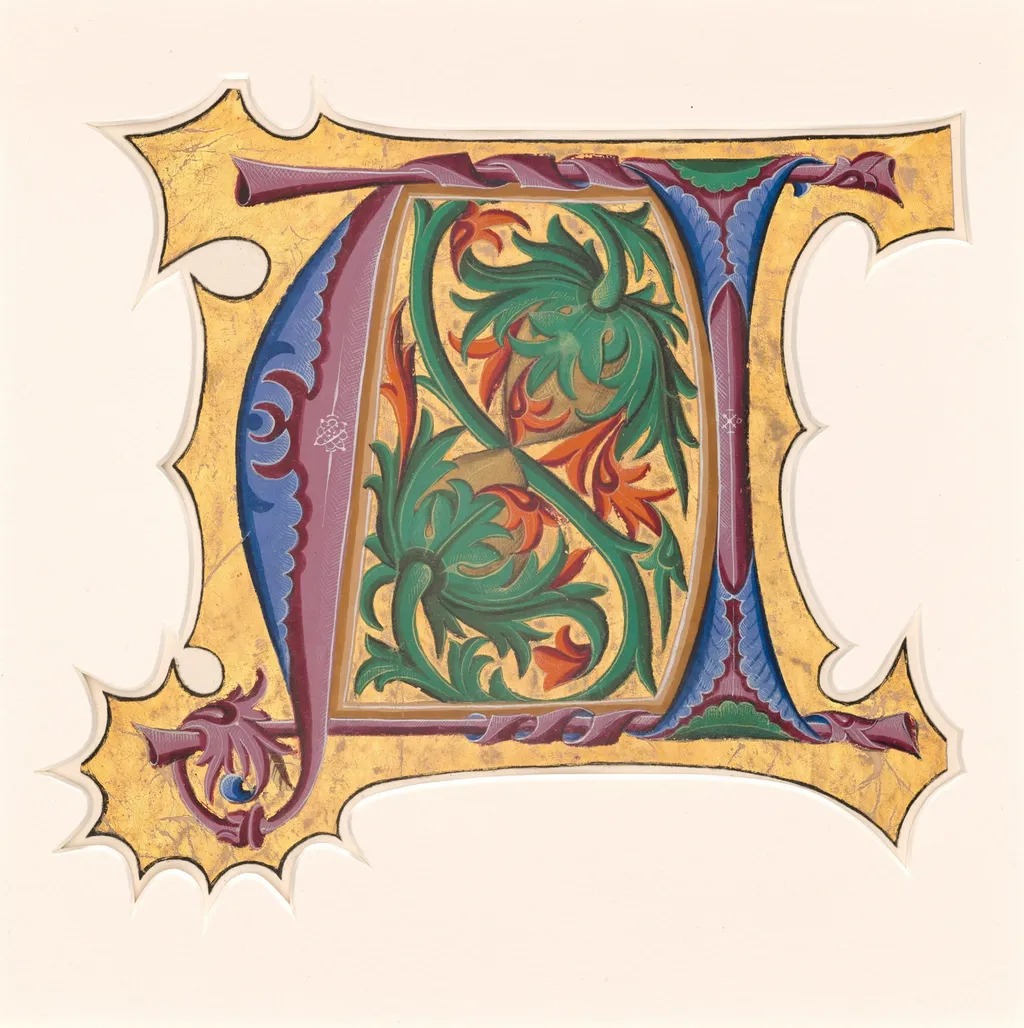
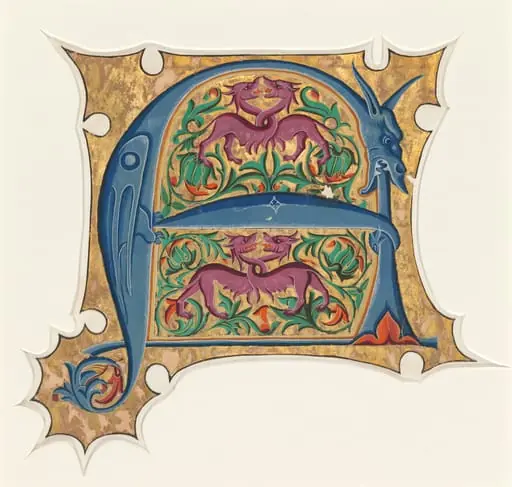
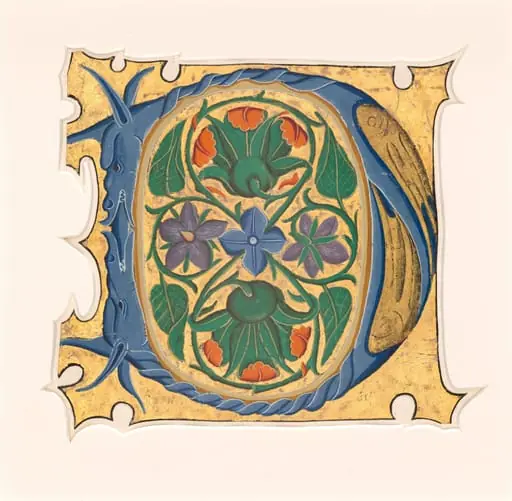
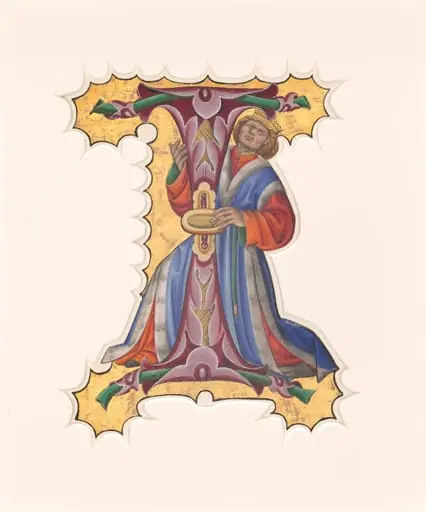
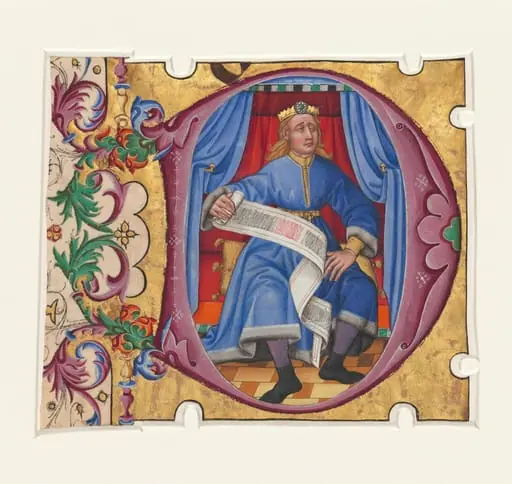
Initial U (?) is a drawing by the Renaissance artist Master of the Cypresses. It dates from 1434 and is held in the collection of the National Gallery of Art.
About this work
Overview
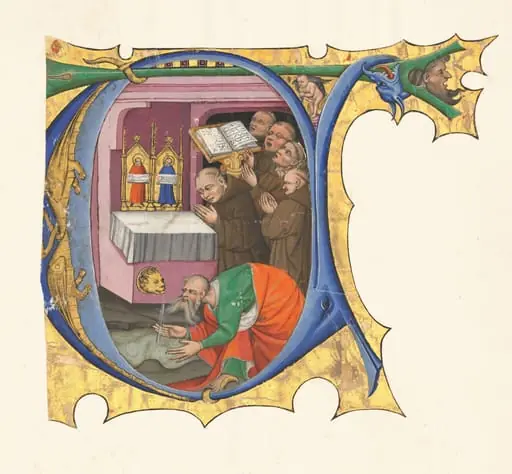
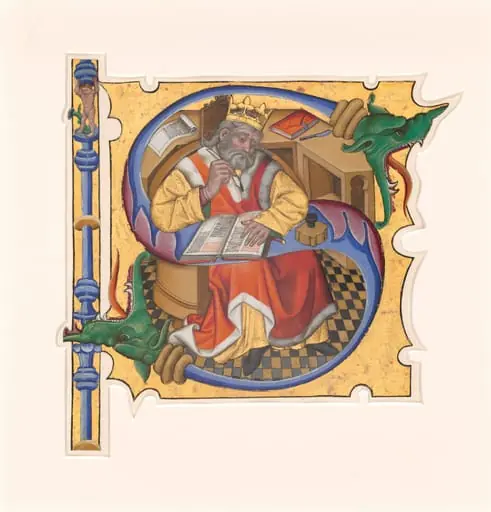
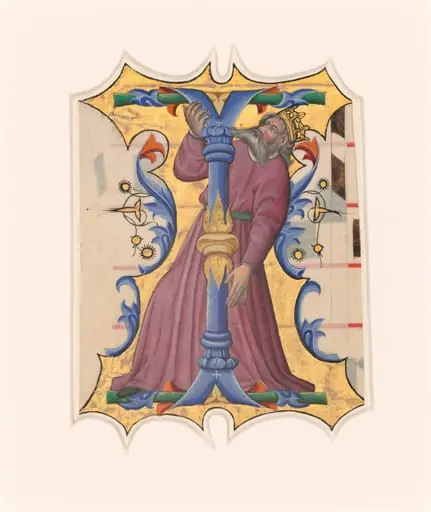
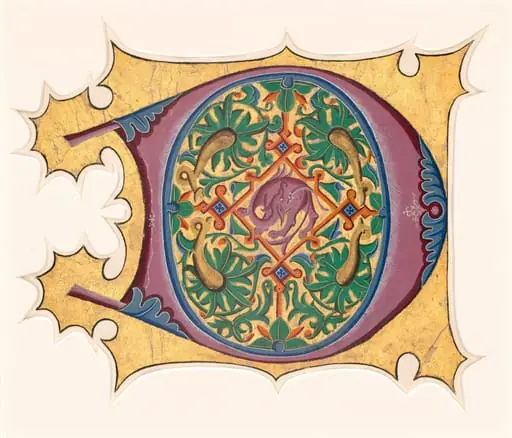
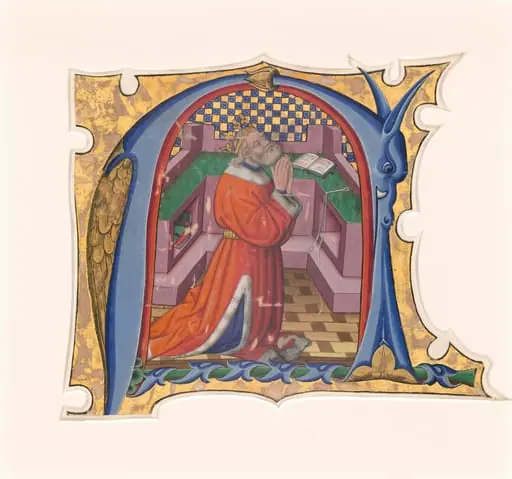
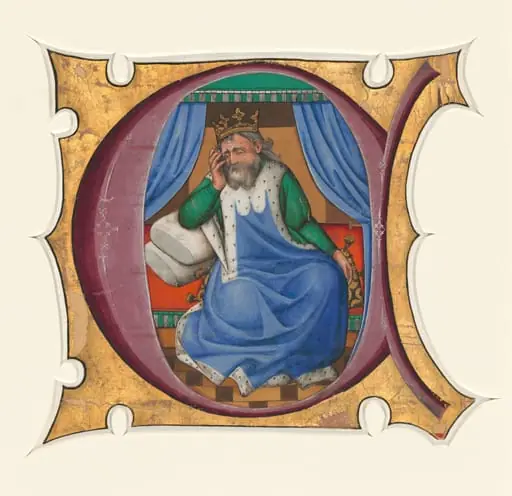
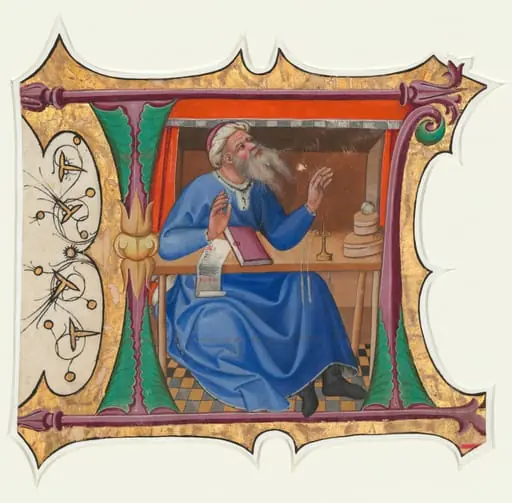
This miniature, attributed to the Master of the Cypresses, is a historiated initial painted on vellum. Created in early 15th-century Seville, it exemplifies the fusion of Gothic illumination with emerging Renaissance influences. The artist, active between 1420 and 1440, specialized in decorating choirbooks for ecclesiastical use, particularly those commissioned by Seville Cathedral.
Subject & Meaning
Such historiated initials served both decorative and narrative functions, marking divisions within liturgical texts while reinforcing their sacred significance.
The work centers on an ornamental initial, likely a 'U,' framed by slender, tapering trees reminiscent of Mediterranean cypresses. Such historiated initials served both decorative and narrative functions, marking divisions within liturgical texts while reinforcing their sacred significance. The inclusion of natural motifs may reflect contemporary devotional themes or symbolic associations with eternal life.
Technique & Style
Executed with meticulous detail, the miniature employs gold leaf and ultramarine blue—pigments of considerable cost—to achieve luminosity and depth. The artist’s style reveals familiarity with Italian trecento painting, particularly Giotto’s spatial clarity, alongside early Netherlandish attention to texture. Delicate linework and layered glazes enhance the illusion of three-dimensionality within the confined space of the initial.
History & Provenance
Identified by Diego Angulo Íñiguez in 1928, the Master of the Cypresses is associated primarily with Seville Cathedral’s choirbooks, suggesting this work originated in a similar ecclesiastical context. The artist’s oeuvre remains fragmentary, with attributions based on stylistic comparisons rather than documented commissions. The miniature’s survival underscores the preservation of liturgical manuscripts as objects of both utility and artistic value.
Context
Produced during a period of cultural exchange in southern Spain, the work reflects Seville’s role as a center of artistic innovation. The city’s proximity to Mediterranean trade routes facilitated exposure to Italian and Flemish aesthetics, which the Master of the Cypresses adapted into local traditions. Such miniatures catered to elite patrons, often clergy, who valued both craftsmanship and the prestige of rare materials.
Artist & collection

Artist
The Master of the Cypresses is a notname invented by the art historian Diego Angulo Íñiguez in 1928 for a painter and manuscript illuminator working in Seville around the years 1420–1440.