Artwork
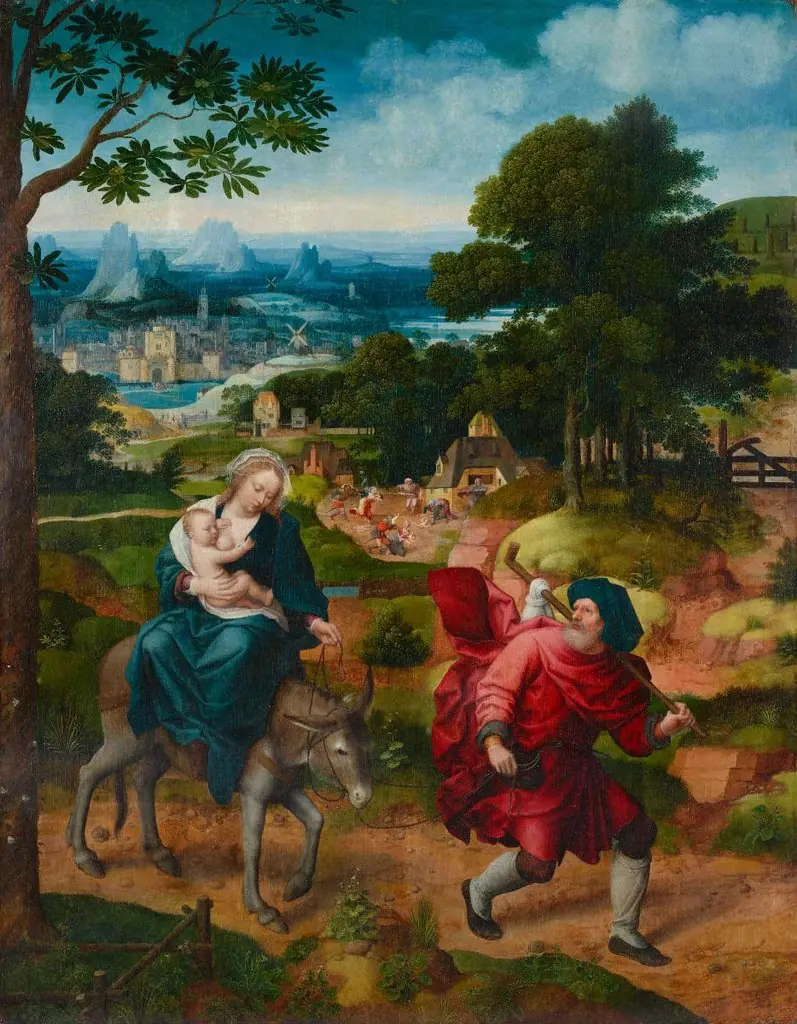
Flucht der hll. Cantius, Cantianus und Cantianilla (Innenseite); Christus am Ölberg (Außenseite)
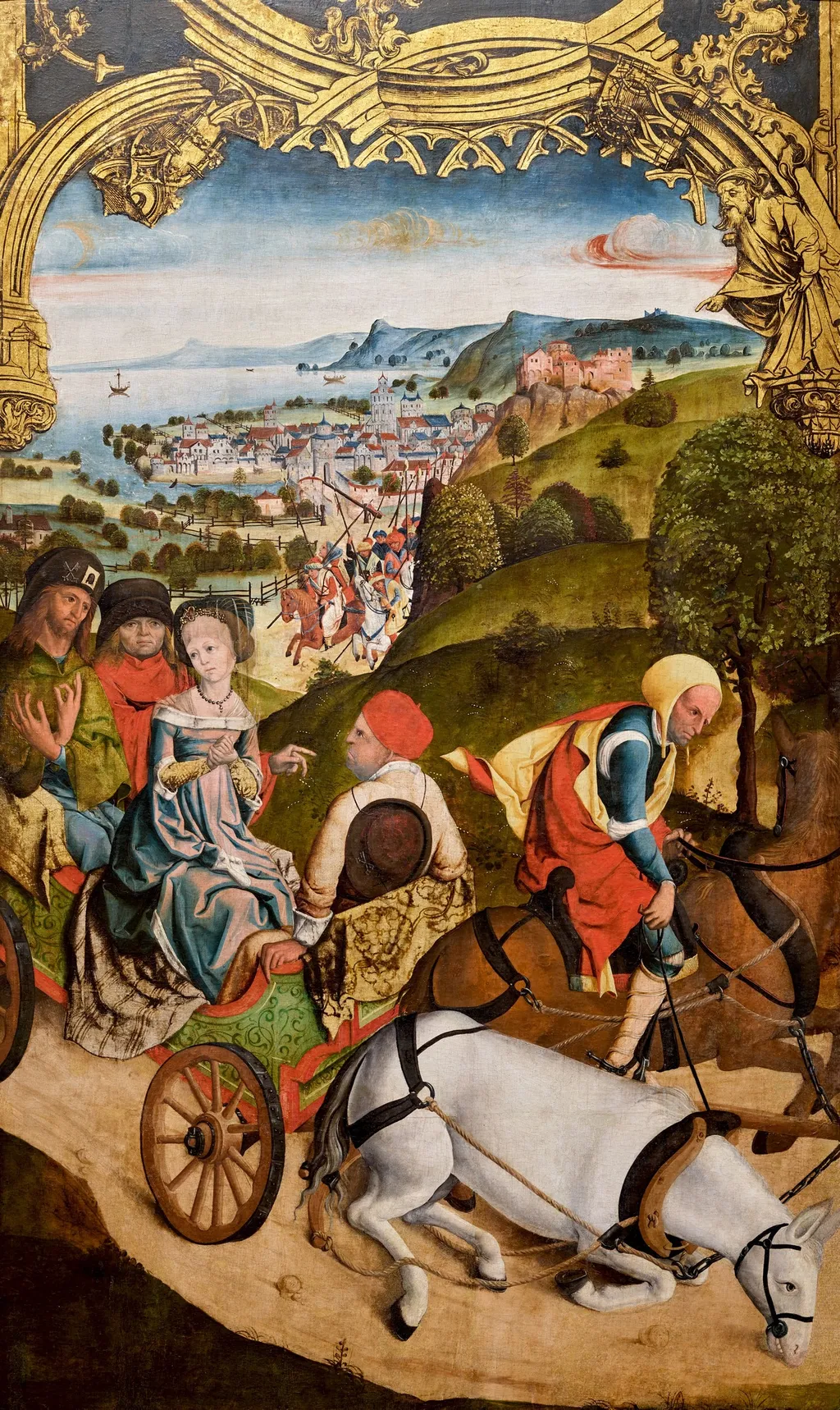
Flucht der hll. Cantius, Cantianus und Cantianilla (Innenseite); Christus am Ölberg (Außenseite) is an unspecified painting by the Northern Renaissance artist Master of the Krainburg Altar. It dates from 1510 and is held in the collection of the Kunsthistorisches Museum.
About this work
Overview
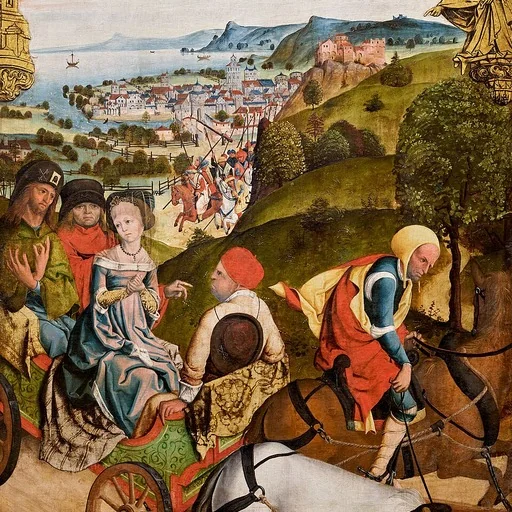
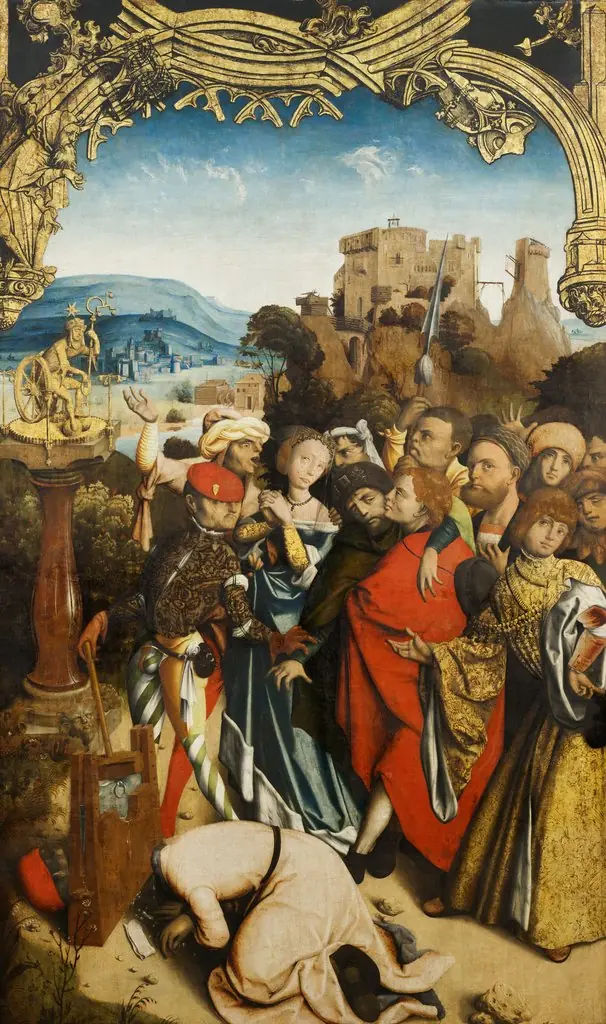
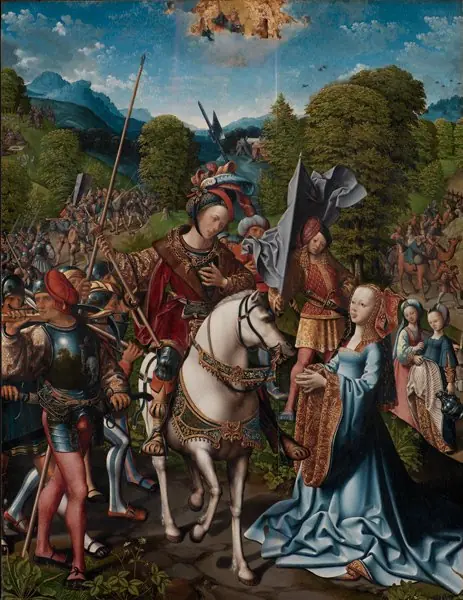
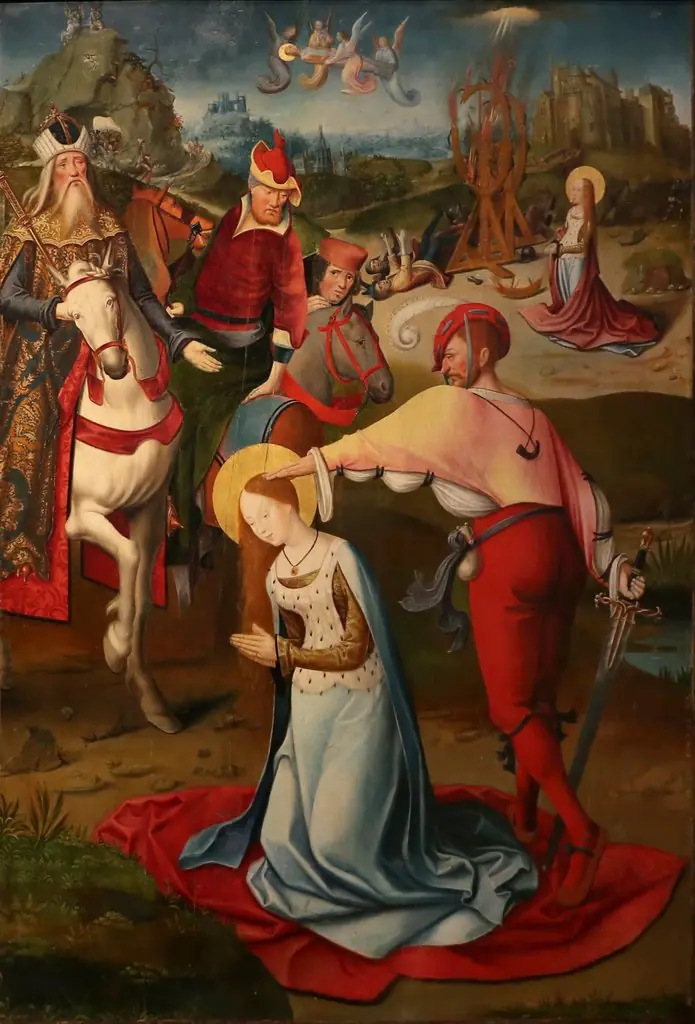
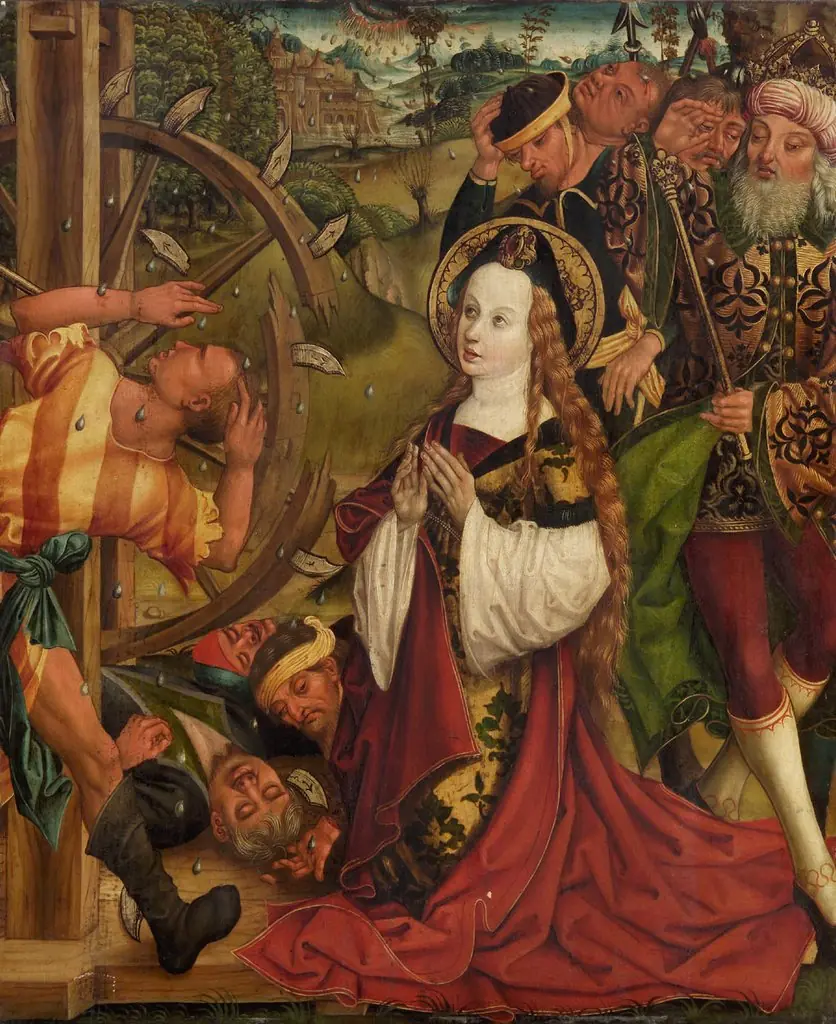
One side depicts the Flight of the Holy Martyrs Cantius, Cantianus, and Cantianilla, while the reverse shows Christ in the Garden of Gethsemane.
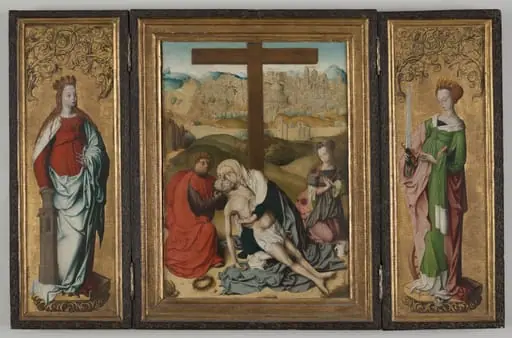
This double-sided panel painting, dated around 1510, originates from the workshop of the Master of the Krainburg Altar. One side depicts the Flight of the Holy Martyrs Cantius, Cantianus, and Cantianilla, while the reverse shows Christ in the Garden of Gethsemane. It was likely part of a devotional altarpiece, designed for private or small-scale liturgical use. The work is now held in the Kunsthistorisches Museum in Vienna.
Subject & Meaning
The interior panel illustrates the journey of the Christian martyrs fleeing persecution, with the mother and child central to the narrative. Their calm demeanor contrasts with the urgency of distant riders, suggesting divine protection amid danger. The scene draws from apocryphal traditions rather than canonical scripture, emphasizing faith under threat. The presence of a fortified town and castle hints at the broader world they traverse, reinforcing the theme of exile and endurance.
Technique & Style
The painting employs tempera and gold leaf on wood, with delicate brushwork defining textures of fabric and landscape. The figures are rendered with a quiet realism, their expressions subdued yet expressive. The golden halo around the sky’s upper edge elevates the scene beyond ordinary travel, suggesting sacred time. Perspective is shallow, typical of late Gothic traditions, yet spatial depth is suggested through layered hills and diminishing figures.
History & Provenance
The panel was likely commissioned for a private chapel or devotional setting in southern Germany or northern Italy, regions where the cult of the martyrs was active. It entered the Kunsthistorisches Museum’s collection in the 19th century, possibly from a dissolved ecclesiastical estate. Its survival as a single panel suggests it was separated from its original altarpiece structure early in its history, though its condition remains well-preserved.
Context
Created during the transition from Gothic to Renaissance styles, the work reflects lingering medieval iconography alongside emerging naturalism. The depiction of the martyrs’ flight aligns with popular devotional themes in the early 16th century, when pilgrimage and martyr veneration remained central to lay piety. Similar scenes appear in regional altarpieces, indicating shared visual traditions across the Alpine cultural sphere.
Legacy
Though the artist’s identity remains anonymous, the panel contributes to understanding the regional workshop practices of early 16th-century Central Europe. Its preservation offers insight into how non-canonical religious narratives were visually sustained in devotional art. It stands as a quiet example of how everyday travel was imbued with spiritual significance in pre-Reformation Europe.
Artist & collection