Artwork
Beheading of Saint Catherine
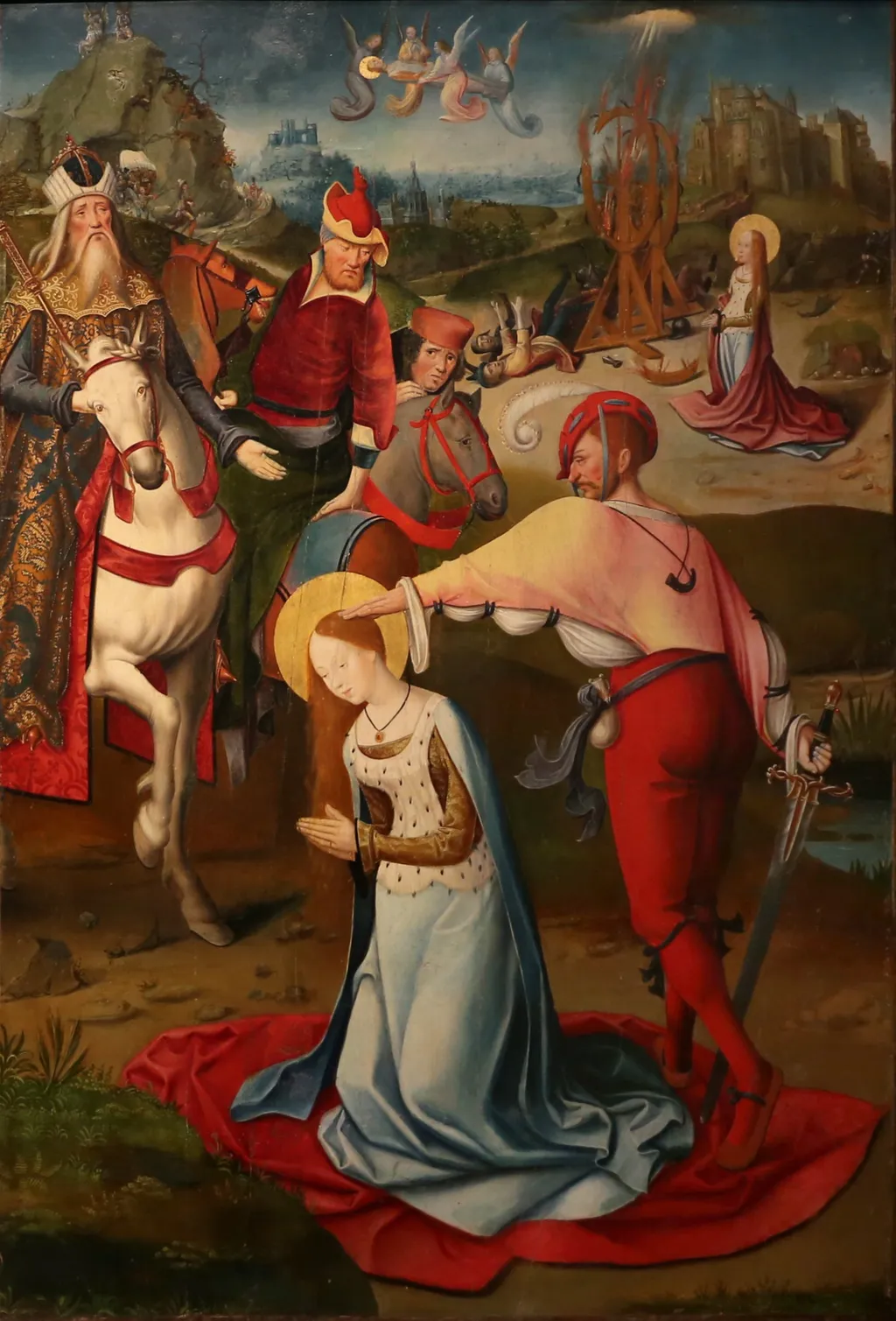
Beheading of Saint Catherine is a paint painting by the Early Renaissance artist Pierre Des Mares the Elder. It dates from 1500 and is held in the collection of the Gemäldegalerie Berlin.
About this work
Overview
Its composition centers on the saint’s quiet resolve amid violent action, characteristic of Northern European religious art of the period.
Painted around 1500 by Pierre Des Mares the Elder, this work depicts the martyrdom of Saint Catherine. Executed in tempera or oil on panel, it is part of the Gemäldegalerie Berlin’s collection. The scene captures the instant of execution with heightened emotional gravity, reflecting late medieval devotional painting traditions. Its composition centers on the saint’s quiet resolve amid violent action, characteristic of Northern European religious art of the period.
Subject & Meaning
The painting illustrates the martyrdom of Saint Catherine, traditionally said to have been condemned to death for refusing to renounce her Christian faith. Her kneeling posture and clasped hands signify prayer and acceptance, contrasting with the executioner’s forceful stance. The onlookers, including a mounted noble and a woman in red, suggest civic witness, reinforcing the narrative’s public and moral weight. The scene functions as both devotional image and moral exemplar.
Technique & Style
The artist employs precise brushwork to render detailed textiles, armor, and landscape elements. Color is used symbolically: deep reds dominate the clothing and cloth beneath the saint, evoking both blood and divine sacrifice, while blues in the background ground the scene in a tangible world. Light falls sharply on the figures, enhancing spatial depth and emotional focus, though without the full chiaroscuro of later Renaissance works.
History & Provenance
The painting entered the Gemäldegalerie Berlin’s collection in the 19th century, likely from a German ecclesiastical or noble collection. Its attribution to Pierre Des Mares the Elder is based on stylistic comparison with other documented works from his workshop. Little is known of its earlier ownership, but its survival suggests it was valued in a devotional context before entering public stewardship.
Context
Created at the turn of the 16th century, the painting reflects the persistence of late medieval iconography even as Renaissance ideas spread. Northern European artists continued to emphasize narrative clarity and symbolic detail over idealized form. The depiction of a saint’s martyrdom served not only to honor the holy figure but also to reinforce communal faith amid religious upheaval preceding the Reformation.
Legacy
Though not widely known outside specialist circles, the painting exemplifies the quiet intensity of early 16th-century Northern religious art. It preserves a visual language that prioritized moral clarity and emotional resonance over theatricality. Its presence in a major museum underscores the enduring value placed on devotional imagery from this transitional period in European art.
Own this work as a print
Artist & collection
Artist
French painter of the early 1500s, Pierre Des Mares the Elder made two surviving works you’ll find here.

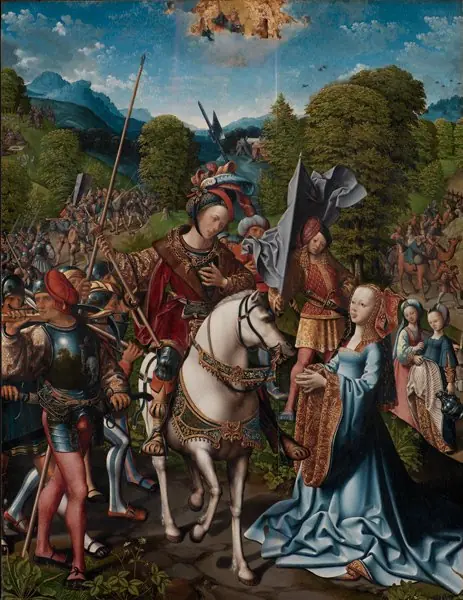 David and Abigail
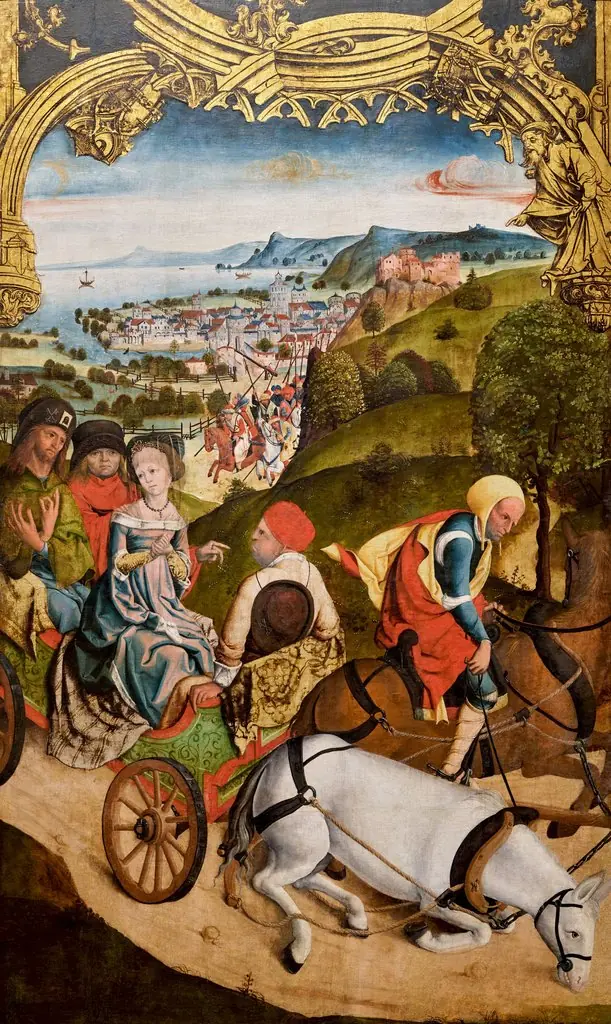 Flucht der hll. Cantius, Cantianus und Cantianilla (Innenseite); Christus am Ölberg (Außenseite)
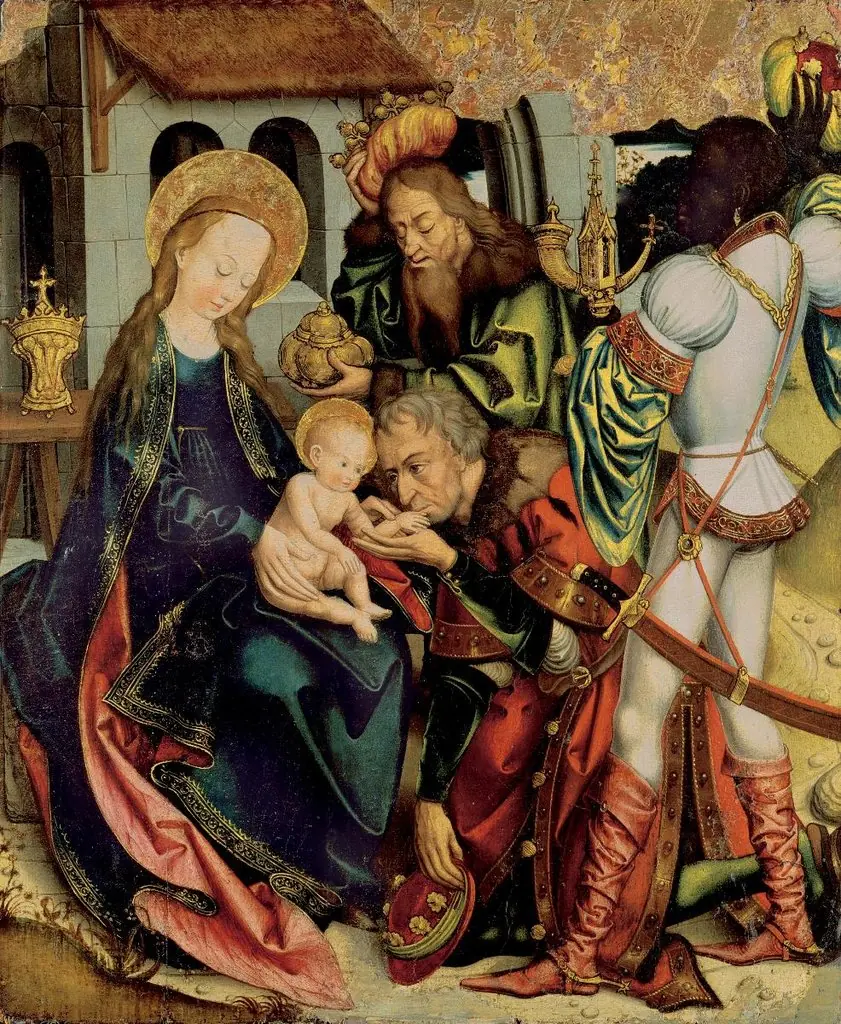 Anbetung der Heiligen Drei Könige
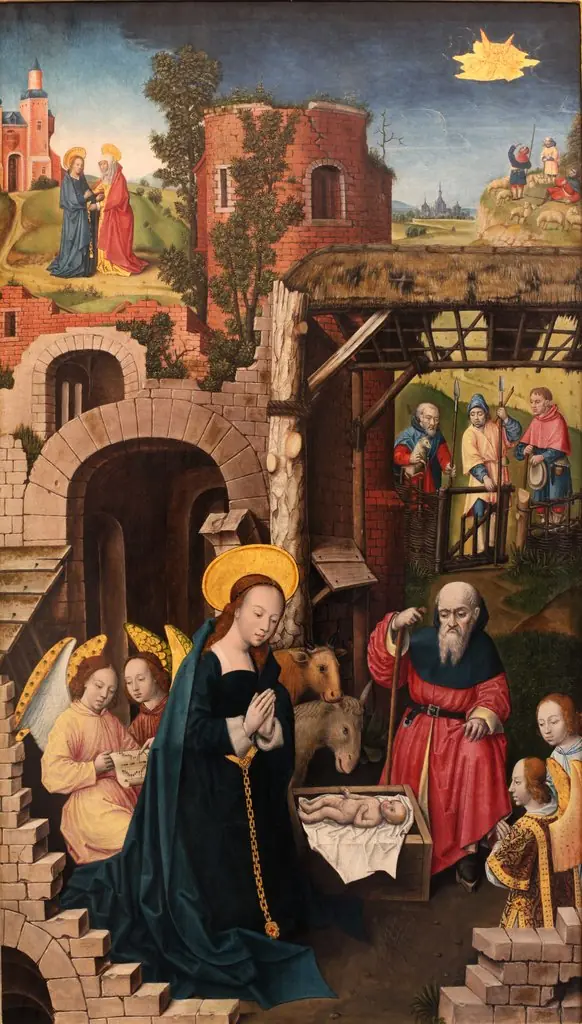 Nativity
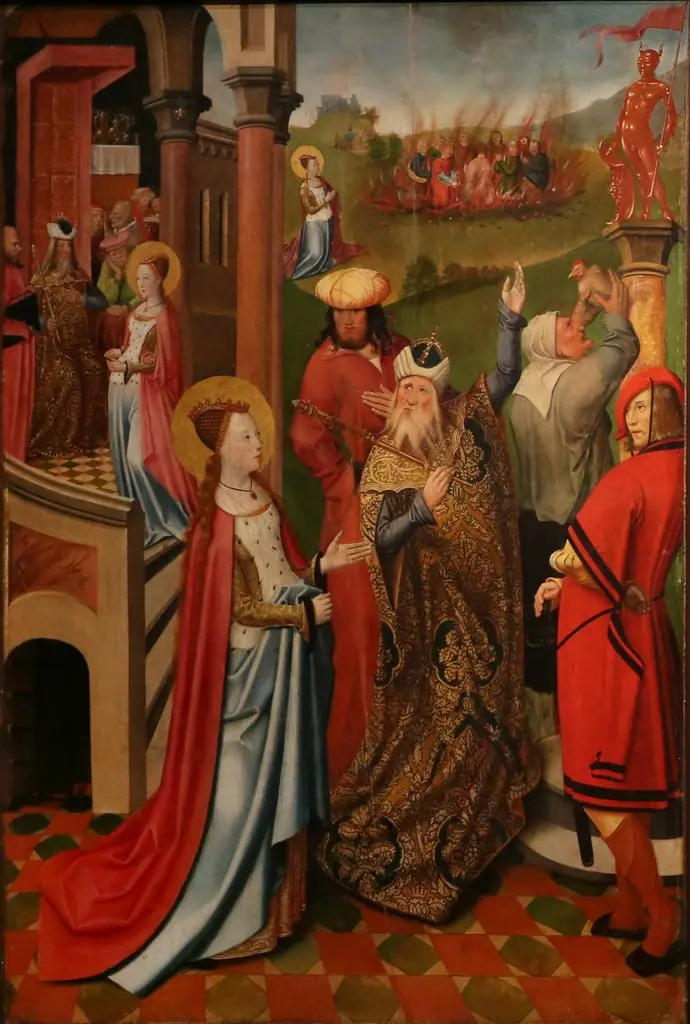 Saint Catherine refuses idolatry
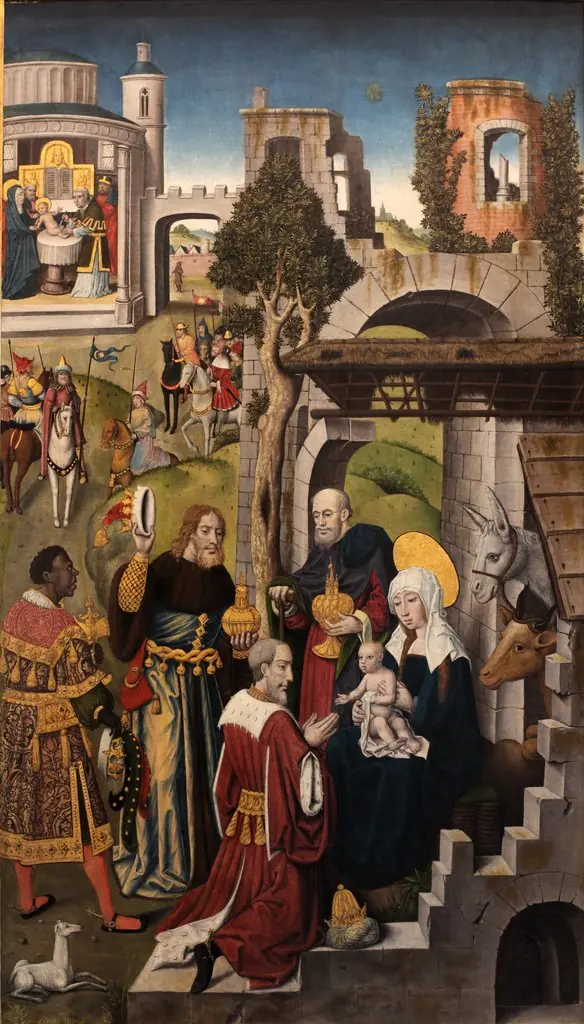 L’adoration des mages
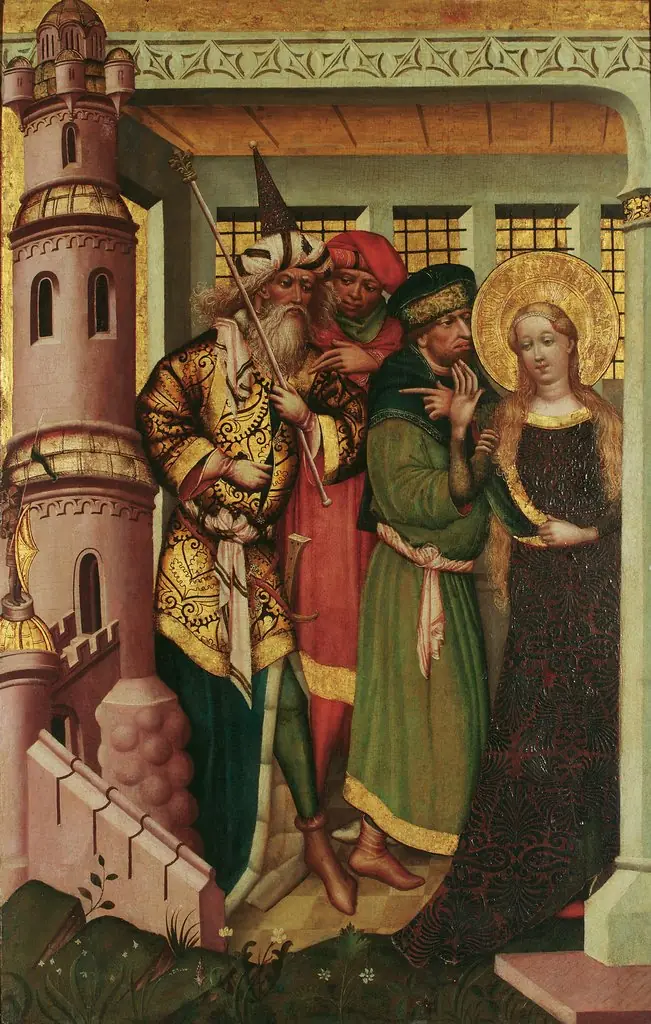 St. Barbara is led into the tower
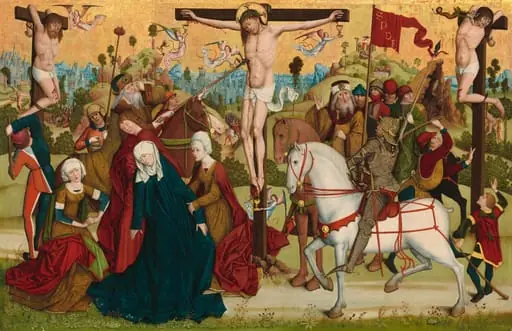 Calvary
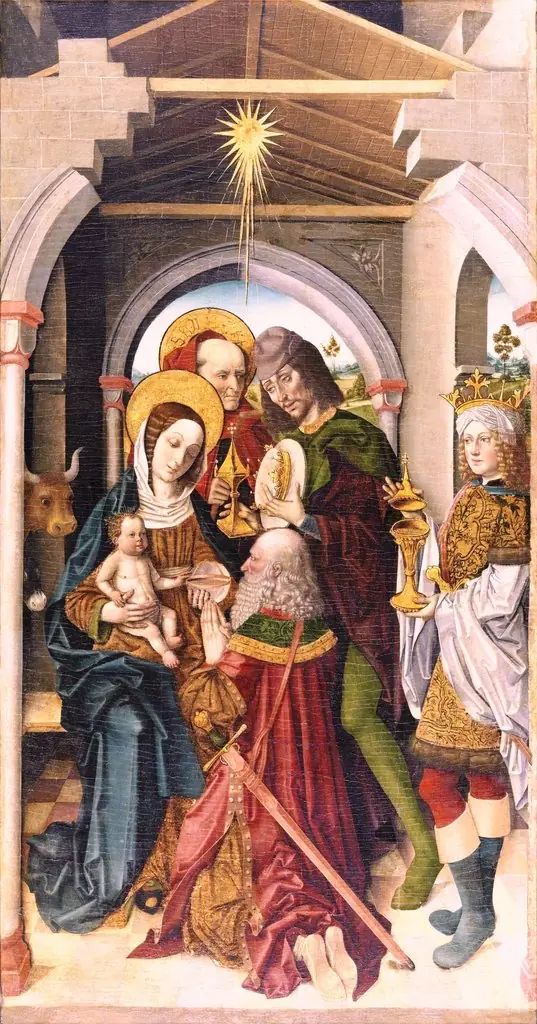 The Adoration of the Magi
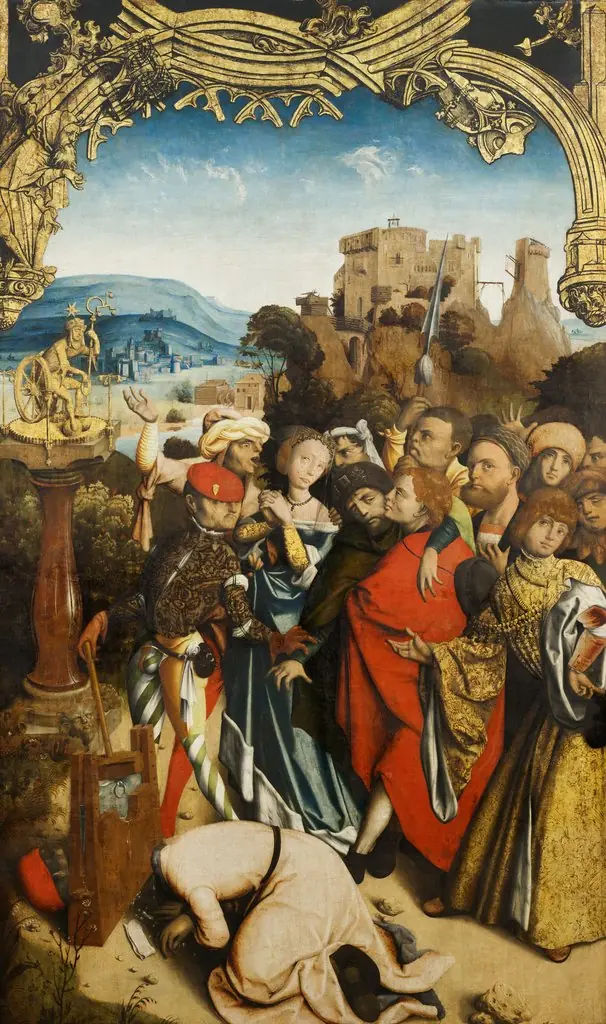 Martyrium der hll. Cantius, Cantianus und Cantianilla (Innenseite); Auferstehung Christi (Außenseite)